REVIEW · KYOTO
Nishiki Market Walking Food Tour with Local guide
Book on Viator →Operated by Cooking Sun · Bookable on Viator
Kyoto food walks are smarter with a guide. This Nishiki Market walking food tour strings together calm sights and practical eating stops, starting at the Starbucks Kyoto Sanjo Karasuma Building and ending at Nishiki Tenmangu Shrine. I love that you get 5–8 included tastings for a set price, with classic Kyoto bites like depachika snacks and Nishiki Market samples. I also like the human factor: guides such as Andrea, Aoki, and Yoriko are praised for being friendly and flexible when you have specific needs.
One possible drawback: this kind of walking tasting experience can feel time-tabled, so you should be ready to move at a steady pace. Also, the food you sample can include meat, seafood, wheat, and dairy, so if you have allergies or strict dietary limits, contact the provider ahead of time.
In This Review
- Key highlights worth planning around
- A 3-hour Kyoto food walk that starts at Starbucks
- Starbucks to Rokkakudo Temple: why the calm stop matters
- Daimaru Kyoto depachika: the 30 minutes that can change your shopping habits
- Nishiki Market shopping district: Kyoto’s Kitchen in bite-sized form
- Ending at Nishiki Tenmangu Shrine: a quieter finish to match the day
- Price and what you really get for $79.07
- Who this tour fits best (and who might want another plan)
- Food expectations: what’s included, what isn’t, and allergy reality
- Tips to get more value out of the walk
- Should you book this Nishiki Market walking food tour?
- FAQ
- How long is the Nishiki Market walking food tour?
- What time does the tour start?
- Where do I meet the guide?
- Where does the tour end?
- How much does the tour cost?
- How many foods are included in the tasting?
- Is an audio guide included?
- Is the group small?
- Are there any dietary restrictions to consider?
- Is there free cancellation?
Key highlights worth planning around
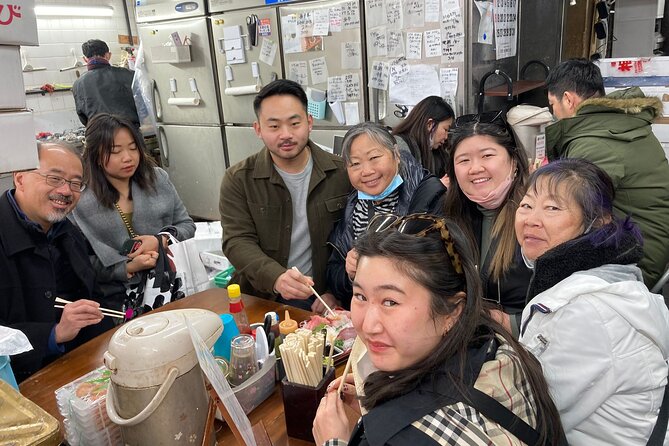
- Small group size (max 6) means more attention while you’re walking and sampling.
- Daimaru Kyoto depachika stop gives you an easy way into Kyoto’s food basement culture, with examples like nikuman and wagashi.
- A temple pause at Rokkakudo Temple adds a breather before the market calories.
- Nishiki Market tastings focus on “Kyoto’s Kitchen” staples, and you might also taste sake.
- Guides can be flexible with your needs and interests while still keeping things on track.
- Shrine finish at Nishiki Tenmangu wraps the day with a calmer, scenic end.
A 3-hour Kyoto food walk that starts at Starbucks
If you’re spending time in Kyoto, you’ll learn fast that the best food finds aren’t always the obvious ones on the main street. This tour is built to solve that problem: you meet in a very easy-to-find spot near transit, then you walk a route that mixes landmarks with places you’d otherwise miss or hesitate to try.
The format is straightforward. You’re out for about 3 hours, and the tour includes lunch tasting of 5–8 local foods as you go. It’s not a sit-down meal where you order one dish and call it a day. It’s a sampling route—snack-by-snack—so you get a feel for the range of Kyoto flavors without needing to plan each stop yourself.
And yes, starting at Starbucks sounds funny. But it works. That meeting point is recognizable, simple, and practical if you’re arriving from another neighborhood that morning.
You can also read our reviews of more walking tours in Kyoto

Starbucks to Rokkakudo Temple: why the calm stop matters
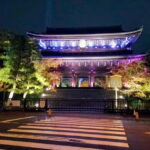
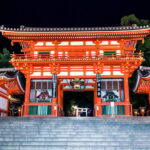
The route doesn’t go straight from the first bite to the biggest market crowds. You also visit Rokkakudo Temple, described as peaceful and historical. In practice, that kind of stop does two useful things for you.
First, it resets your brain. Market food is sensory overload—smells, crowds, menus in Japanese, and people comparing notes on what to buy next. Having a quieter break makes your tastings feel more intentional.
Second, it gives you context for Kyoto beyond just eating. The tour keeps the walking sensible, so you’re not rushing between far-apart places. You’re building a day that feels like Kyoto: temples, markets, and the everyday food culture between them.
If your goal is to see the city as more than a food label hunt, the temple stop helps a lot.
Daimaru Kyoto depachika: the 30 minutes that can change your shopping habits
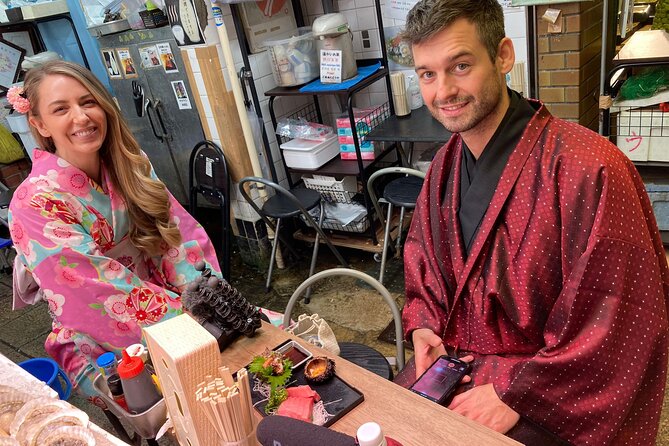
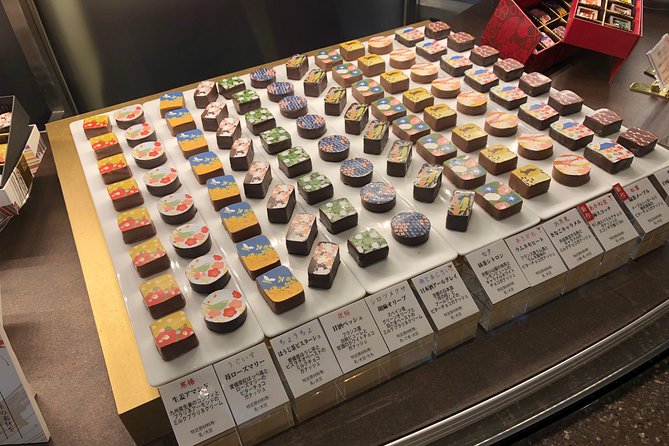
The tour spends about 30 minutes at Daimaru Kyoto in the department store basement area (デパ地下). This is one of those Kyoto traditions that works even if you don’t plan to shop. You get access to lots of food in one place—clean, organized, and packed with seasonal treats.
What I like about using depachika for a tasting stop is how efficient it is. Instead of wandering and hoping you pick the right stand, you sample what the area does best. The tour notes that you may taste things like:
- nikuman (meat buns) that locals love
- wagashi (Japanese sweets) from a well-known shop
- and other seasonal or regional bites that fit the day
Even the additional descriptions of what’s commonly found there—fresh sushi and beautifully made sweets—tell you the logic. This is a place where people go specifically to eat well, not just to browse.
One heads-up: you only get a limited window there, so don’t treat it as your one chance to do full shopping. Use it as a sampling and orientation stop. If you fall in love with something, that’s your cue to come back later when you have more time.
Nishiki Market shopping district: Kyoto’s Kitchen in bite-sized form
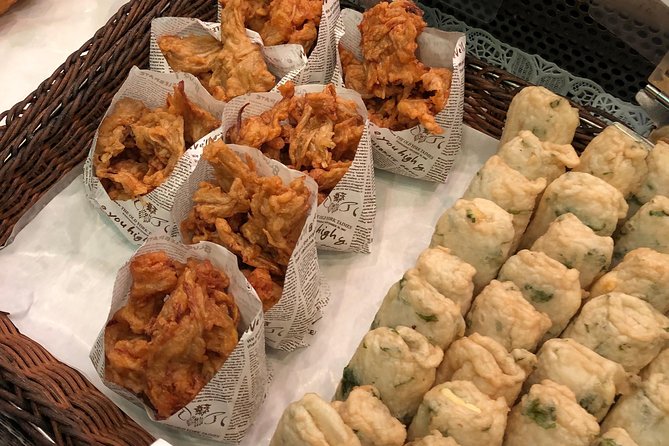
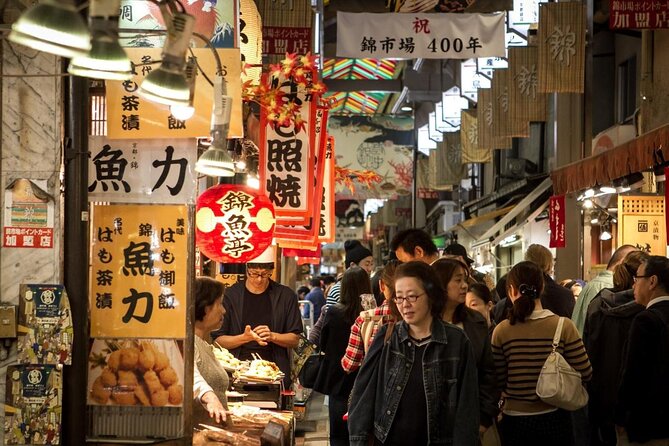
After the depachika stop, you move into Nishiki Market Shopping District, often described as Kyoto’s Kitchen. This is where the tour’s sampling style really shines.
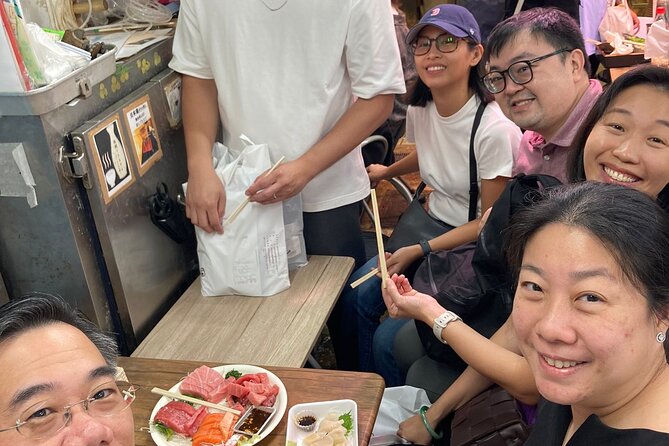
The highlights point you toward classic market foods—things like rolled omelets, skewers, and sake—so your tasting isn’t random. It’s meant to be a mix that teaches you what people actually snack on while walking through.
I also appreciate how the tour approach reduces decision fatigue. Nishiki Market has plenty of tempting choices, but when you’re solo, you can end up stuck in a loop: which stall is the right one, which looks fresh, which has an ingredient you can handle? With a guide, you’re not guessing as much.
From past guide comments you can expect that you’ll learn not just what you’re eating, but how to think about what you’re seeing. For example, one guide (Andrea) is specifically praised for explaining Japanese culture and the area, including context around the Gion area and the geisha district. Even if you’re not obsessed with history, that kind of local framing makes the food feel less like a checklist.
A practical note: tastings can vary based on participant preferences and what’s available in the shops that day. That’s normal for market food, and it keeps the tour responsive. The trade-off is that you shouldn’t assume you’ll get every single example you read before you go.
Ending at Nishiki Tenmangu Shrine: a quieter finish to match the day
A lot of walking food tours end abruptly—people scatter to find trains and call it done. This one finishes at Nishiki Tenmangu Shrine, which is a far nicer way to close the loop.
Food tastings add up. By the time you reach the shrine, you’ve usually sampled multiple items, plus you’ve been walking for hours. Sitting in a calmer setting helps you digest, reset, and actually notice the place you’re in rather than just moving from one stall to the next.
It also gives you a natural “story ending.” You started with an iconic, easy meeting point, you got your Kyoto flavor hits along the way, and you end with something serene.
You can also read our reviews of more food & drink experiences in Kyoto

Price and what you really get for $79.07
At $79.07 per person for about 3 hours, you’re paying for two things: the route and the curated tastings.
You’re not just buying snacks. You’re buying:
- a structured walk through key areas (temple, depachika, Nishiki Market, shrine)
- lunch tasting 5–8 local foods
- a guide who can explain what you’re sampling and help you avoid awkward dead ends
Is it cheaper than doing everything on your own? Sure—if you’re disciplined and willing to research stalls carefully. But in Kyoto, the value of a guided route is that it reduces wasted time and helps you try a broader range without spending your entire day comparing menus.
The small group size—maximum 6 travelers—also matters. You’ll be easier to manage at tasting points, and you’re less likely to feel like you’re stuck at the back of a crowd.
Another planning point: this tour is often booked ahead. On average it’s booked around 42 days in advance, so if your schedule is fixed, don’t wait too long to lock it in.
Who this tour fits best (and who might want another plan)
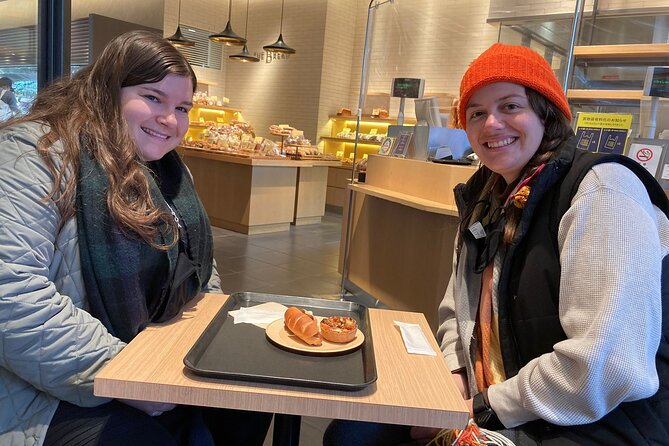
This is a great fit if you:
- want a guided intro to Kyoto food without building a spreadsheet
- like tasting lots of small things instead of ordering one heavy meal
- enjoy mixing sights (temples and a shrine) with practical food stops
- prefer a small group rather than a big bus-style crowd
It’s also a good option for first-timers who are staying near central Kyoto and want a day that feels Kyoto-specific. The route is well placed for walkers and people who want to rely on public transit plus a simple meeting point.
Who might hesitate: if you hate any kind of schedule, there’s a chance you’ll find the pacing a bit fixed. One experience note points out that it can feel like a timetable and not enough guidance on how to enjoy everything. That doesn’t mean it’s a bad tour—just that you should be ready to follow along rather than expecting a slow, choose-your-own-adventure pace.
Food expectations: what’s included, what isn’t, and allergy reality
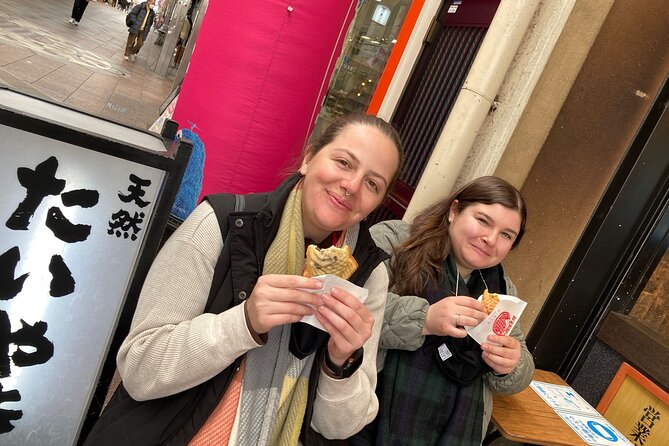
Here’s the key practical part: the tour includes a lunch tasting of 5–8 local foods, but it does not include extra snacks beyond the provided meals.
So, if you’re the type who wants to add random desserts or buy extra skewers for later, plan to cover those on your own. (That’s not a flaw; it just means the ticket is structured around the included bites.)
Also, take dietary notes seriously. The tour warns that tastings may include ingredients such as:
- meat
- seafood
- wheat
- dairy
If you have allergies or strict restrictions, you’ll need to contact the provider in advance to ask about accommodations.
One more thing: the tour sometimes includes alcohol tastings, and examples mention sake at Nishiki Market. If you don’t drink, mention it ahead of time so the guide can adjust the tasting choices when possible.
Tips to get more value out of the walk
These are simple, but they make the difference between a decent tour and a memorable one.
- Go with a food mindset. You’re sampling multiple items, so don’t show up full from breakfast.
- Use the guide as your translator. Ask quick questions like what to try first at Nishiki Market or how to recognize a good stall.
- Tell the guide what you like. The tour tastings are described as varying by participant preferences, so you’ll get more out of it if you share your taste direction early.
- Wear comfortable walking shoes. You’re moving between stops and spending time in markets and department store basements.
- If you want to snack more after the tour, plan it. The route gives you a sampler menu; coming back later with a focused shopping plan is a smart move.
Should you book this Nishiki Market walking food tour?
I’d book it if you want an efficient, Kyoto-specific food introduction with a small group and included tastings that hit multiple “Kyoto food styles” in one afternoon—temple calm, depachika convenience, and Nishiki Market street energy, ending at Nishiki Tenmangu.
I’d reconsider if you:
- need a very flexible, slow pace
- have complex dietary restrictions and haven’t confirmed accommodations
- dislike alcohol tastings and don’t want any chance of them in your tasting route
If your goal is to eat well and learn your way around Kyoto’s food culture without doing the homework by yourself, this one is a solid value.
FAQ
How long is the Nishiki Market walking food tour?
It runs for about 3 hours (approximately).
What time does the tour start?
The start time is 10:00 am.
Where do I meet the guide?
You meet at Starbucks Coffee – Kyoto Sanjo Karasuma Building, Japan (KDX Kyoto Karasuma Building, 1F), located at 85-1 Mikurachō, Nakagyo Ward, Kyoto.
Where does the tour end?
The tour ends at Nishiki Tenmangu Shrine, 537 Nakanochō, Nakagyo Ward, Kyoto.
How much does the tour cost?
The price is $79.07 per person.
How many foods are included in the tasting?
The tour includes a lunch tasting of 5–8 local foods. The specific tastings can vary depending on preferences and what’s available.
Is an audio guide included?
No. An audio guide is not included.
Is the group small?
Yes. The tour has a maximum of 6 travelers.
Are there any dietary restrictions to consider?
Yes. The meals provided may include ingredients such as meat, seafood, wheat, and dairy products. If you have allergies or dietary restrictions, you should contact the tour provider in advance.
Is there free cancellation?
Yes. You can cancel for a full refund up to 24 hours before the experience’s start time. The tour also requires good weather, and if it’s canceled due to poor weather, you’ll be offered a different date or a full refund.