REVIEW · KYOTO
Crowd-Free Kyoto: Fushimi Inari, Nijo Castle & Kinkaku-ji
Book on Viator →Operated by JAPAN TRAVEL STAGE · Bookable on Viator
Kyoto’s most famous sights can feel like a stampede, but this private route is planned to keep things lighter. I like that you’re not just moving from photo stop to photo stop; you get local context that helps the places make sense. You’ll also get a pace that feels more human than typical group tours.
The early timing is the real magic trick here, especially for Fushimi Inari before it gets loud and packed. For me, the standout value is how the guide turns each stop into something you actually remember, not just something you walked through.
One consideration: this is a “big three” day, so if you want long, slow hanging-out time at every site, you may feel lightly rushed at the temples.
In This Review
- Key things you should know
- The point of this private tour: see Kyoto without the crush
- Stop 1: Fushimi Inari-taisha before the torii wave hits
- How the guide changes Fushimi Inari from a photo stop to a story
- Stop 2: Nijo Castle and the Tokugawa Palace details people miss
- Why Nijo Castle feels different when you know what to watch for
- Stop 3: Kinkaku-ji’s Golden Pavilion hit, with timing on your side
- What you’ll do during your 5-hour Kyoto run
- Price and value: what $91.96 buys you
- Logistics that won’t stress you out
- Who this crowd-light Kyoto trio is best for
- Should you book this private Kyoto tour?
- FAQ
- How long is the tour?
- Is this a private tour?
- What does the price include?
- Are entrance fees included?
- Do I need to bring my own food?
- Where do we meet, and where does it end?
- Is the tour accessible by public transportation?
- What happens if the weather is bad?
- Can I cancel for a full refund?
Key things you should know
- Early planning to avoid peak crowd times, especially for Fushimi Inari
- Private guide and your group only, so you can ask questions without a squeeze
- UNESCO Nijo Castle included on the itinerary, with focus on the Ninomaru Palace
- Kinkaku-ji (Golden Pavilion) is a main target, not an optional add-on
- Admission details matter: Fushimi Inari is free, while Nijo Castle and Kinkaku-ji tickets aren’t included
- No food included, so plan a snack plan for the 5-hour run
The point of this private tour: see Kyoto without the crush
Kyoto has a talent for turning “one quick stop” into a long line. This tour is built around timing—starting early where it matters most—so you spend less effort fighting people and more time noticing details.
Because it’s private, the guide can slow down when something is worth looking at and speed up when it’s not. That matters at Fushimi Inari’s torii paths and around Kinkaku-ji’s photogenic angles, where crowd flow can change fast.
This is also a good format if you don’t want to spend your precious Kyoto hours figuring out transit connections and where to stand for the best views. Your start point is Kyoto Station’s South Square, and the day ends at Kinkaku-ji, which keeps the route straightforward.
You can also read our reviews of more tours and experiences in Kyoto.



Stop 1: Fushimi Inari-taisha before the torii wave hits
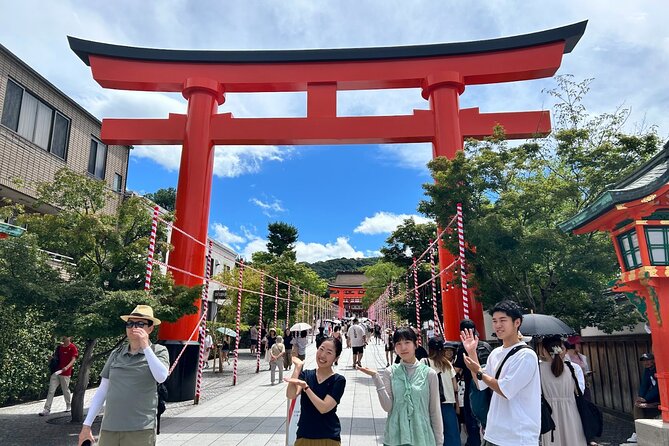
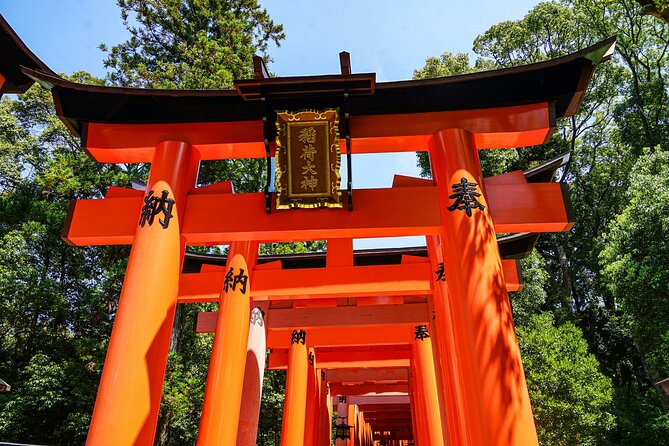
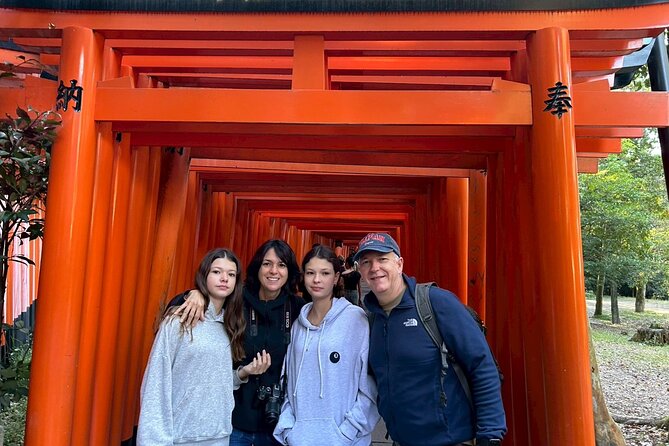
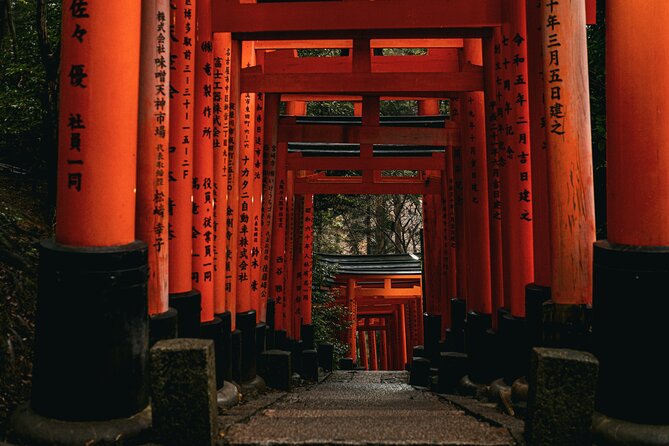
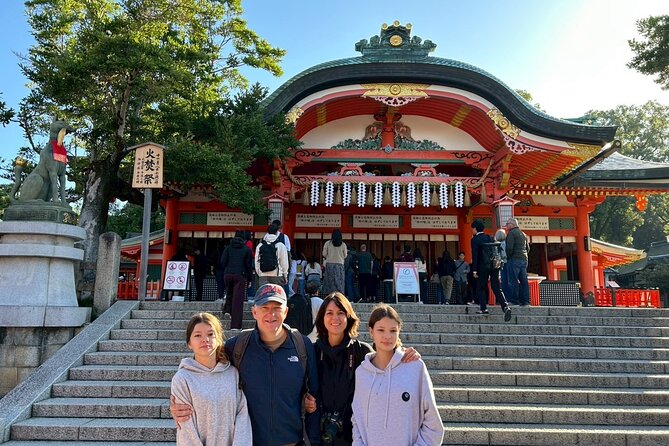
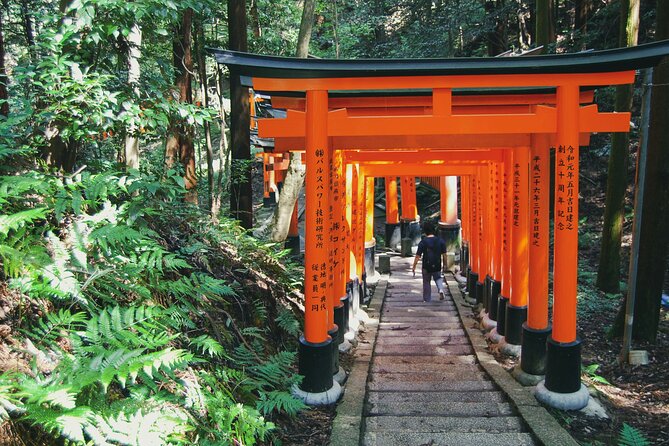
Fushimi Inari-taisha is the shrine people come to for the Senbon Torii—those thousands of red gates that climb uphill like a tunnel of color. The best part of going early is not just “fewer people.” It’s that you can actually read the space: the rhythm of the gates, the way the path narrows and opens, and how the shrine feels more peaceful than theatrical.
You’ll spend about 1 hour here, and since admission is listed as free, the main cost is your time and energy. Wear shoes you can handle on slopes and steps, because even if you don’t go all the way to the higher sections, you’ll still be walking uphill and back down.
A practical tip: plan for small purchases on-site. There’s often water sold around the area, and prices can be steep compared with convenience stores. Budget-minded folks may want to bring a bottle from Kyoto Station so you’re not stuck paying peak tourist pricing for basic hydration.
How the guide changes Fushimi Inari from a photo stop to a story
With a guide, Fushimi Inari becomes more than red gates and arches. Your guide’s job is to explain what you’re looking at and why it’s there—so you’re not just ticking off a famous landmark, you’re understanding it.
That matters because Fushimi Inari looks simple at first glance, but it’s packed with layers of meaning: the shrine’s role in Kyoto, why the gates matter, and how the path is structured. If you get a guide like Tom, people often comment on how good he is at sharing cultural history. If your guide is Ryu, the vibe can be friendly and story-driven. Either way, you should get the sense that the guide is steering you toward the parts most worth noticing.
Stop 2: Nijo Castle and the Tokugawa Palace details people miss
Next you head to Nijo Castle, a UNESCO World Heritage site tied to Japan’s samurai era. This stop is about more than walking in corridors. You’re visiting the former residence area of the Tokugawa Shogun, with special attention on the Ninomaru Palace.
You’ll have about 1 hour at Nijo Castle. That’s a realistic window: long enough to see the big points, short enough that you’re not exhausted before your final temple.
Admission is listed as not included, so you’ll want to budget for the castle ticket separately. In exchange, you get a place where architecture and design are part of the show. Look for details in the buildings and the flow between spaces, because castle sightseeing gets better when you know what each area is meant to communicate.
A possible drawback: if you strongly dislike guided pacing and prefer to wander silently on your own schedule, a 1-hour castle visit can feel structured. The flip side is that structure helps you avoid spending the whole hour hunting for the “important rooms.”
Why Nijo Castle feels different when you know what to watch for
Nijo Castle is the kind of attraction where the facts make the visuals click. A guide can point out what to focus on—so you don’t just see wooden halls and think, “Nice.” You start noticing why the palace layout matters and what the setting was built to do.
That’s also where private touring really pays off. Your guide can answer the practical questions you actually have in the moment: what this area is, what period it connects to, and what you should look for as you move.
If you’re lucky enough to have a guide like Maki, people often highlight how she makes the experience feel fun and clear, with Nijo Castle turning into the best part of the day. It’s a good sign that the guide’s energy can change how you experience the palace.

Stop 3: Kinkaku-ji’s Golden Pavilion hit, with timing on your side
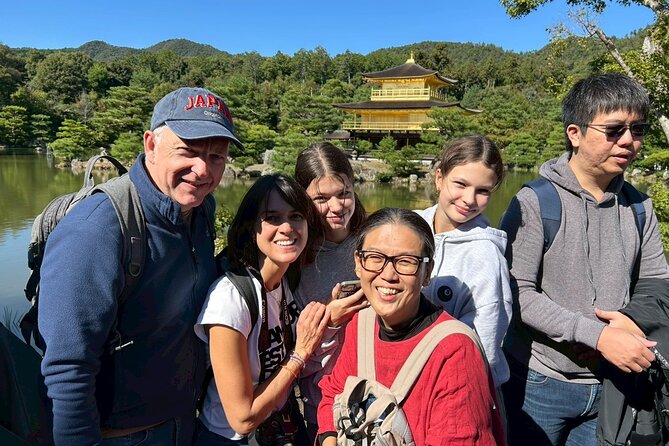
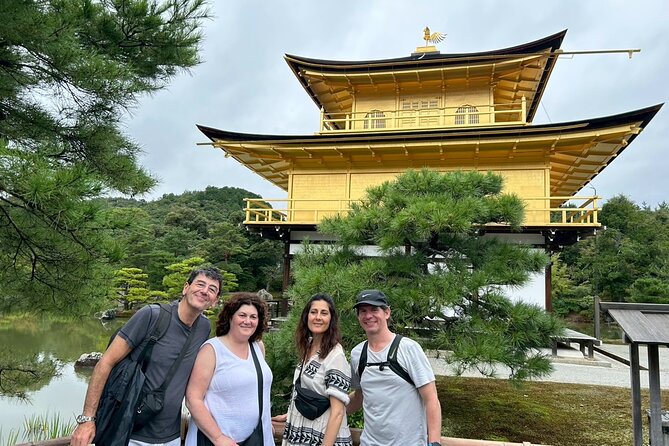
Kinkaku-ji is Kyoto’s Golden Pavilion—a Zen Buddhist temple famous for its gold-leaf look. This stop runs about 1 hour, and like Nijo Castle, admission is listed as not included.
This is the part where many visitors just try to catch the photo. With a guide, you’ll likely slow down enough to notice what makes the building special: the way light hits the gold surfaces, the way the temple sits in its environment, and why people treat this site like a must-see.
One smart consideration: Kinkaku-ji can become busy quickly because it’s famous and photogenic. That’s where the tour’s “avoid the busiest times” planning helps. You’re less likely to spend your hour stuck in a slow-moving crowd bottleneck.
If you’re visiting in weather that isn’t ideal, keep expectations flexible. The experience notes that it requires good weather, and if it’s canceled due to poor conditions, you’ll be offered a different date or a full refund.
What you’ll do during your 5-hour Kyoto run
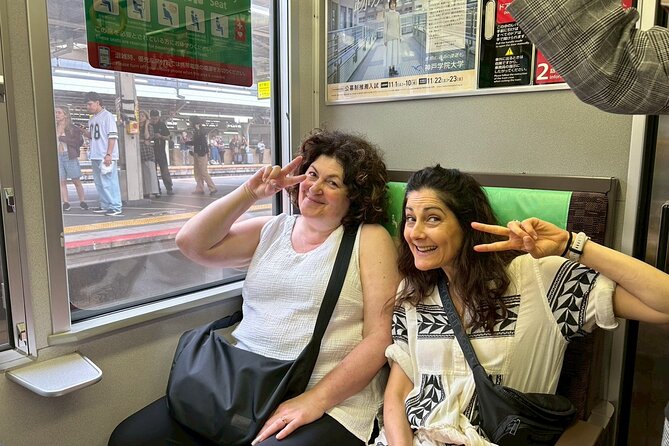
The full tour is about 5 hours with three main stops. That’s long enough to feel like a real sightseeing day, but short enough that you’re not doing an all-day marathon across Kyoto.
Here’s how it tends to feel:
- You start at Kyoto Station, then move quickly into Fushimi Inari’s gates.
- You pivot from shrine path to samurai-era architecture at Nijo Castle.
- You end with the iconic temple look at Kinkaku-ji.
This route also has a nice flow because the ending point (Kinkaku-ji) is a natural transition if you want to continue exploring in the north/west Kyoto direction after the tour.
Price and value: what $91.96 buys you
At $91.96 per person, this tour is priced as a guided, private day with a local guide and mobile ticketing. The value comes from two things: time saved and meaning added.
Time saved: you’re not organizing a plan across three distant-but-famous stops. You also aren’t paying your time in wasted waiting or figuring out the best way to line up and move.
Meaning added: the guide is part of the product, and the day is set up to keep you from showing up at the worst moments. That early-start crowd avoidance is exactly what you’re paying for, because it’s hard to replicate on your own without knowing the timing.
Now, the “read the fine print” part: admission isn’t included for Nijo Castle and Kinkaku-ji, while Fushimi Inari is free. Also, food and drinks aren’t included, so you’ll likely want to budget for a snack or quick meal.
Logistics that won’t stress you out
Meet-up is at South Square, Kyoto Station Building. The tour ends at Kinkaku-ji. That matters because you can start the day cleanly, without complicated meet-ups across multiple neighborhoods.
The tour notes that it’s near public transportation and that it’s private—only your group participates. Mobile ticketing is also mentioned, which usually means fewer paper hassles.
Because the tour runs around major Kyoto landmarks, it’s best to come ready for walking. Pack light, bring water, and plan on wearing comfortable shoes from the first torii step.
Who this crowd-light Kyoto trio is best for
This tour fits best if you:
- Want to hit three headline sights in one day without feeling like you’re scrambling
- Care about timing and want fewer crowds at Fushimi Inari and Kinkaku-ji
- Prefer a guide who adds context and answers questions
- Like the idea of a relaxed private pace rather than a tight shared group schedule
It’s also a good choice for first-timers who don’t want to spend a morning building an itinerary. If you’re returning to Kyoto and want a “best of with less headache” day, it can work well too.
Should you book this private Kyoto tour?
Yes, if your priority is a smooth, guided day through Fushimi Inari, Nijo Castle, and Kinkaku-ji—with timing that helps you avoid the busiest crush. The early-start plan and the guide-led stories are the main value, not just the checkboxes.
Maybe skip or reconsider if you want lots of unscheduled wandering time, because the day is built around efficient sight coverage. Also, plan around weather since the experience requires good conditions.
If you book, do yourself a favor: start with comfortable shoes, expect extra walking at Fushimi Inari, and bring or budget for water since food isn’t included.
FAQ
How long is the tour?
The tour duration is approximately 5 hours.
Is this a private tour?
Yes. It’s a private tour/activity, meaning only your group participates.
What does the price include?
The tour includes a local guide. Mobile ticketing is also part of the experience.
Are entrance fees included?
Fushimi Inari-taisha is listed as free. Nijo Castle and Kinkaku-ji admission tickets are listed as not included.
Do I need to bring my own food?
Food and drinks are not included, so you’ll want to plan a snack or meal on your own.
Where do we meet, and where does it end?
Meet at South Square, Kyoto Station Building. The tour ends at Kinkaku-ji.
Is the tour accessible by public transportation?
Yes. The meeting area is noted as near public transportation.
What happens if the weather is bad?
The experience requires good weather. If canceled due to poor weather, you’ll be offered a different date or a full refund.
Can I cancel for a full refund?
Yes. Free cancellation is available up to 24 hours in advance for a full refund. Changes within 24 hours of the start time aren’t accepted.