REVIEW · KYOTO
Kyoto: Beyond the Insider Sake Tasting Experience
Book on GetYourGuide →Operated by Add Stories Co., Ltd · Bookable on GetYourGuide
Sake tasting can be fun. It can also be educational, and this one aims for both. You get 10 unusual varieties (many hard to find overseas) plus a lesson that connects what you taste to how it’s made.
What I like most is the focus on how sake is produced and the chance to try rare styles tied to ancient brewing ideas. Another big plus: guides are certified sake sommeliers, so the explanations stay grounded, not fluffy. One consideration: alcohol rules are strict, and if you arrive by car or bicycle you won’t be served alcohol (non-alcoholic drinks are available).
In This Review
- Key Things That Make This Kyoto Sake Experience Worth Your Time
- Beyond the Basic Kyoto Sake Stops: What Makes This Version Different
- The Private Tasting Room Setup: Better Questions, Less Rush
- A Structured Starter Lesson: Categories and Production Basics (Even If You’re New)
- Your 10-Sake Flight: What You’ll Learn From Each Style
- Ancient methods: when tradition drives the profile
- Microorganisms: fermentation as a flavor engine
- Local wood: regional materials shaping taste
- Categories and comparison: learning to taste like a critic
- What the Certified Sake Sommelier Adds (And Why It Feels Different)
- Price and Value: Is $66 Worth It?
- Logistics That Actually Affect Your Experience (No Drama, Just Facts)
- Who This Kyoto Sake Tasting Fits Best
- Tips to Get More From Your 10 Sakes
- Should You Book This Advanced Kyoto Insider Sake Tasting?
- FAQ
- What does the experience include?
- How many sake varieties will I taste?
- Do I need prior sake experience?
- What makes the sake in this session different?
- What are the drinking age rules in Japan?
- Is food pairing or transportation included?
Key Things That Make This Kyoto Sake Experience Worth Your Time

- A private tasting room that keeps the vibe calm and question-friendly
- 10 distinct sake varieties, selected to teach you something real
- Certified sake sommelier guides who can explain categories and ingredients clearly
- Beyond modern methods, including ancient techniques and microorganism-related brewing
- Local wood–influenced sake, where the region can show up in the flavor
Beyond the Basic Kyoto Sake Stops: What Makes This Version Different
This experience is built for people who already want more than the usual introduction to sake. You’ll still get the foundations—categories and a basics-of-production walkthrough—so beginners won’t feel lost. But the tasting itself leans advanced, with styles that highlight how big the flavor range can be.
The “advanced” part comes from what’s in the glass. You’ll taste sake made with concepts that are meaningfully different from many mainstream, modern styles. That includes sake brewed with ancient methods, a type that uses characteristics of microorganisms, and sake brewed using local wood, which can create a regional flavor signature.
Why this matters for you: if you’ve ever thought sake all tastes kind of similar, this kind of tasting is the correction. It shows that sake isn’t one thing—it’s a family of choices. Brewing method, fermentation behavior, and even materials used during production can shape the final aroma, sweetness level, acidity feel, and texture in the mouth.
And it’s not just trivia. When you connect a flavor you notice to a production detail, you start tasting with intention. You stop saying, That’s good. You start saying, I think that one tastes like this process choice.
You can also read our reviews of more food & drink experiences in Kyoto

The Private Tasting Room Setup: Better Questions, Less Rush
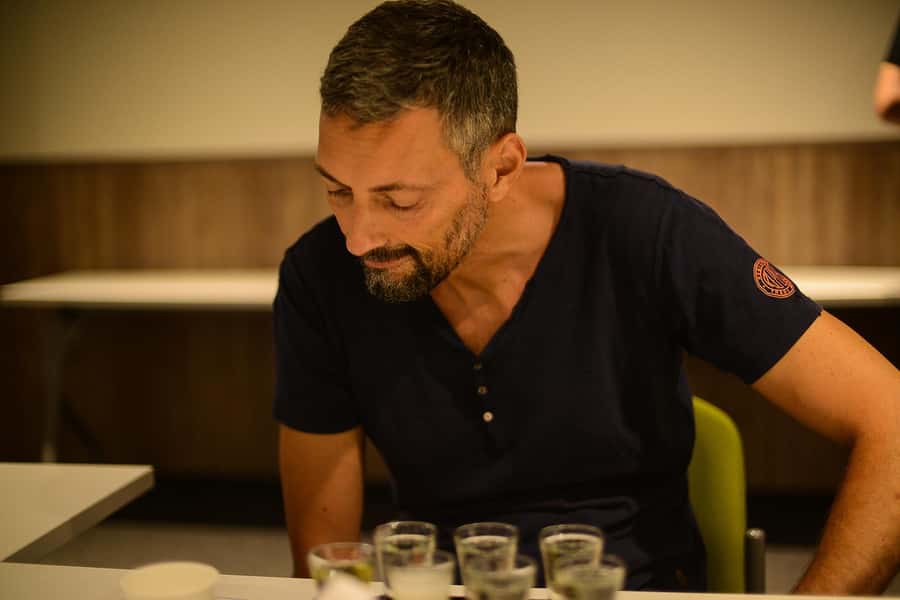
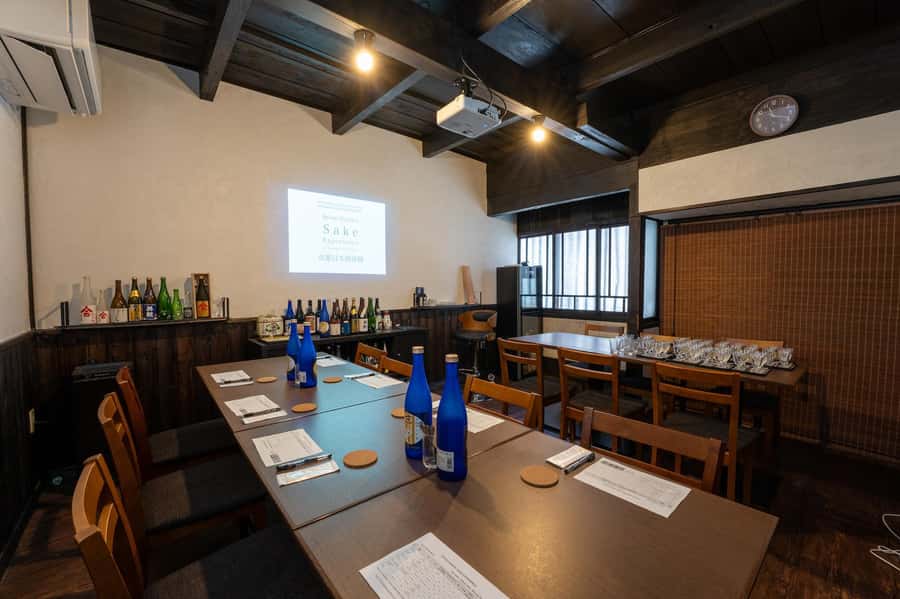
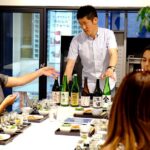
This is not a walk-by-and-sample-in-the-crowd kind of experience. It happens in a dedicated private sake tasting room, so the atmosphere is quieter and more focused. That’s a practical win: you can ask follow-up questions without feeling like you’re slowing down a packed schedule.
You’ll also get tasting notes. That matters more than you’d think. Sake flavors can be subtle, and your memory will blur after the fifth or sixth pour. Notes help you keep track of what you liked, what surprised you, and what you want to compare later.
For many people, the “private room + notes” combo makes the tasting feel less like drinking and more like learning. In a good way.
A Structured Starter Lesson: Categories and Production Basics (Even If You’re New)
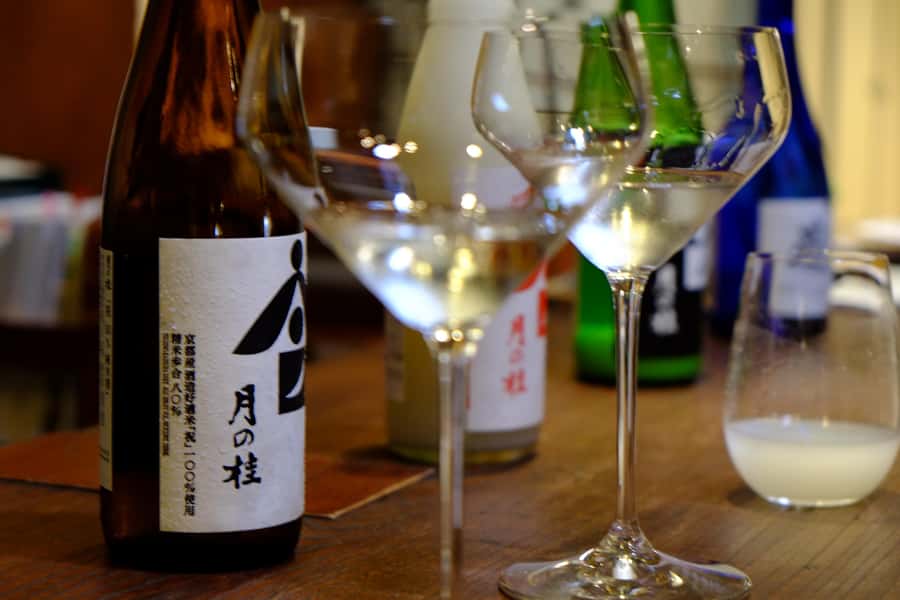
Before the advanced pours, you’re taught the basics of sake making and the major sake categories. This is important because it gives your palate a map. Without a map, you’ll still enjoy the flavors. With a map, you can explain what’s happening.
This part is also designed so you don’t need prior experience. The goal isn’t to test you. It’s to help you understand what you’ll see and smell later in the tasting.
Think of it like this: you taste 10 sakes, but you’re really learning how the choices behind the scenes create different outcomes. The production basics act like a toolkit, so each pour has a reason to exist.
And since the guides are certified sake sommeliers, you can expect the explanations to be clear and production-focused rather than just “this is sweet” or “this is dry.”
Your 10-Sake Flight: What You’ll Learn From Each Style
You’ll taste 10 kinds of sake, and they’re selected by a sommelier specifically to explore the deeper world of sake. You won’t get random pours. The point is comparison—seeing how different production concepts lead to different results.
You can think of the tasting as several themes, even if you don’t get a separate “module” label for each one:
Ancient methods: when tradition drives the profile
Sake brewed with ancient methods tends to come with a different flavor character than what many people expect from modern styles. You’re likely to notice how aroma and mouthfeel can shift when process choices change.
This is one of the most satisfying parts for first-timers, because it breaks the assumption that sake is standardized. It also gives you a baseline for understanding why modern brewing became popular in the first place.
You can also read our reviews of more drinking tours in Kyoto

Microorganisms: fermentation as a flavor engine
Another standout is sake made using a concept that leverages microorganisms in a meaningful way. This is where your palate starts paying attention to fermentation-led differences: how aromas evolve, how texture feels, and how balance lands on the tongue.
Even if the technical details are new, you’ll still benefit. The tasting format helps you translate those details into what you can actually taste.
Local wood: regional materials shaping taste
You’ll also try sake brewed using local wood. That’s not the first thing most people think about when they hear sake. But materials matter in food and drink, and this style is designed to show that idea.
Why it’s cool for you: it adds a sense of place. It’s not just Kyōto as a setting; the regional approach shows up in the flavor.
Categories and comparison: learning to taste like a critic
As you move through the flight, you’ll be connecting what you’re tasting to the sake categories covered earlier. The tasting notes and the sommelier guidance turn “comparison” into a skill.
A practical tip here: don’t try to rank everything from worst to best. Instead, label what each one reminds you of—soft, crisp, earthy, rounded, sharp. Then ask yourself which production concept might lead to that effect. That’s where the experience becomes memorable.
What the Certified Sake Sommelier Adds (And Why It Feels Different)
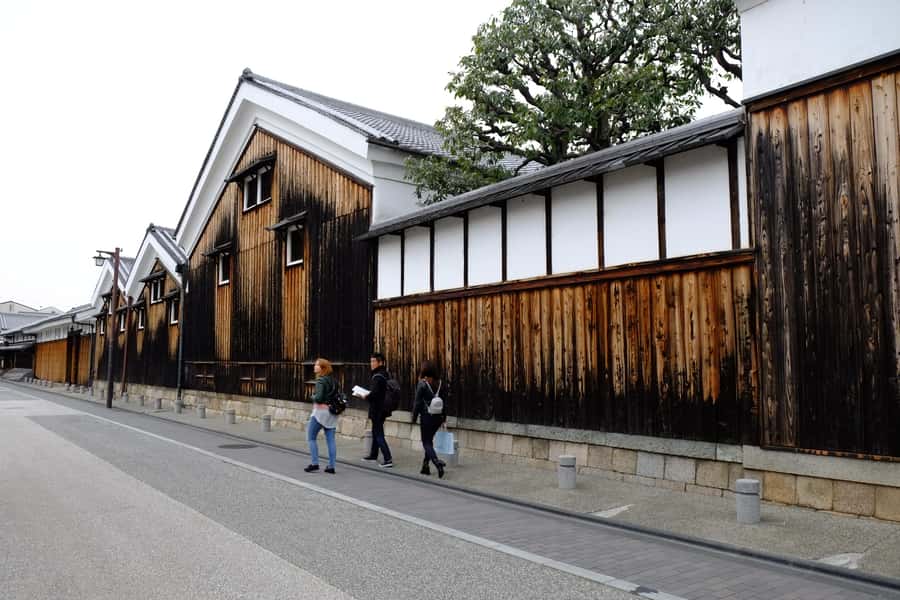
The guides being certified sake sommeliers isn’t just a credential line. It affects how the session flows. You’re not stuck with vague explanations. You can get answers that tie aroma and flavor back to ingredients and process.
In the same way a good wine guide can teach you how to smell and describe, a good sake guide helps you do the same with sake—without turning it into a lecture.
From the way the experience is described, you’ll also get a careful balance: enough structure for beginners, enough sophistication for people who want to go beyond the basics. That mix is rare, and it’s what makes this a strong choice for mixed groups.
Price and Value: Is $66 Worth It?

At $66 per person, the value comes from two things: the depth of instruction and the “rarity factor.” You’re not just paying for 10 drinks. You’re paying for guided tasting of styles that are rarely found overseas, plus tasting notes and a private-room setup.
If you’ve done casual sake tastings before, you’ll probably notice the difference right away. Many tastings are light on production context and heavy on general descriptions. Here, the focus is on why each style exists and how it connects to brewing method.
What’s not included also helps you understand the true value. There’s no food pairing. That’s fine, but it means you may want to think about timing. If you’re heading there hungry, consider grabbing a meal beforehand so the flavors don’t get swallowed by empty-stomach intensity.
Transportation and hotel pickup aren’t included either. This is typical for Kyoto tours, but it matters for your planning. If you’re not already in the area, you’ll want to budget time to get to the meeting point.
Logistics That Actually Affect Your Experience (No Drama, Just Facts)
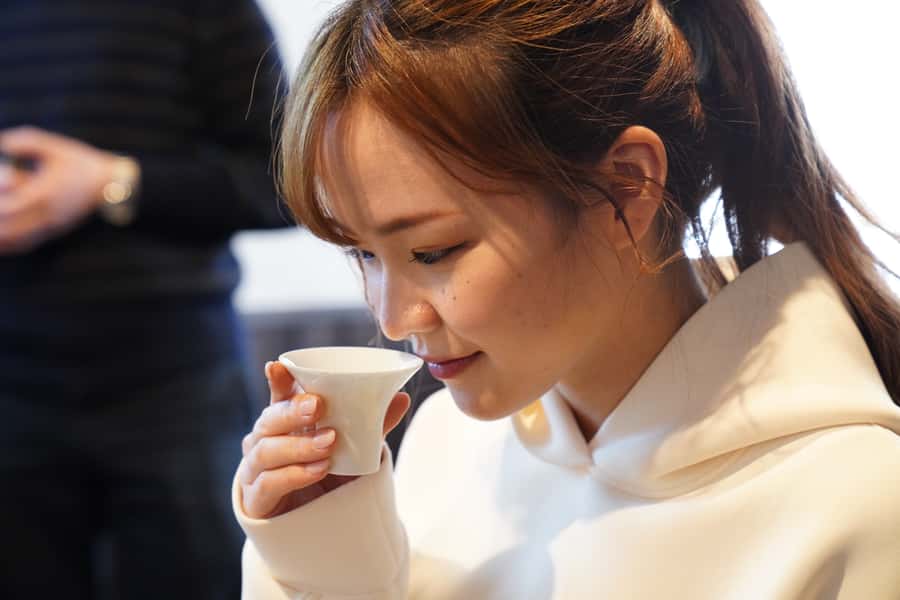
This tour is in English and takes place at the Kyoto Insider Sake Experience meeting point, ending back at the same spot.
A few rules matter because they affect participation:
- Alcohol is not served to guests who arrive by car or bicycle, though non-alcoholic drinks are available.
- Japan’s legal drinking age is 20. If you’re under 20, you’ll only be served non-alcoholic drinks.
- If you’re more than 10 minutes late, the booking is canceled.
- Guests without a reservation (including children and non-drinkers) aren’t allowed to join.
If you’re traveling with someone who can’t drink alcohol, this is still likely worth it because non-alcoholic options exist, and you can still learn the production concepts. Just keep expectations realistic about the drinking part.
Who This Kyoto Sake Tasting Fits Best
This experience is a great match if you want sake education without losing the fun. It’s designed for all levels, from curious beginners to people with some prior exposure who want to go further.
It also makes sense if you already did a basic sake tour and felt ready for the next step. The advanced style here naturally builds on the basics: once you understand the categories, the unusual styles hit harder.
On the other hand, it’s listed as not suitable for:
- Children under 3
- People under 19
- Pregnant women
So if you’re booking for a family group or for someone with a specific constraint, check suitability first.
Tips to Get More From Your 10 Sakes
A few practical moves will help you enjoy the tasting and retain what you learn:
- Use the tasting notes right away. First impression fades fast.
- Ask one real question during the flight, not ten. For example: which production choice most affects aroma, or what changes the texture on the tongue?
- Plan your food timing. Since there’s no food pairing included, eating beforehand keeps the experience comfortable and lets flavors come through.
- Go in curious, not competitive. The goal is understanding differences, not winning a best-of ranking.
- If you’re not drinking alcohol, treat it as a flavor-learning exercise. Non-alcoholic drinks still let you practice description and comparison.
Also, arrive on time. A canceled booking after a late arrival is the kind of hassle you don’t want on a Kyoto day.
Should You Book This Advanced Kyoto Insider Sake Tasting?
Yes, if you want more than a standard tasting flight. This one is built around 10 rare sake varieties, guided by certified sommeliers, and tied to production concepts like ancient methods, microorganisms, and local wood. If you care about learning how flavor happens, it’s a strong deal.
Skip it (or rethink it) if you’re looking for a casual social drink with minimal explanation. This experience is structured around understanding and comparison. And if your group includes people who can’t join due to the age or suitability rules, that may shrink the value for you.
If you’ve got half a day in Kyoto and you want a memorable, educational food-and-drink experience that doesn’t feel touristy, this is the kind of booking I’d make.
FAQ
What does the experience include?
You’ll get a sake tasting of 10 kinds, tasting notes, a certified sake sommelier guide, and use of a dedicated private sake tasting room.
How many sake varieties will I taste?
You’ll taste 10 unique sake varieties.
Do I need prior sake experience?
No. The experience includes basics of sake production and sake categories, so beginners can enjoy it.
What makes the sake in this session different?
You’ll taste sake made using concepts that differ from modern approaches, including ancient methods, a style that uses the characteristics of microorganisms, and sake brewed using local wood.
What are the drinking age rules in Japan?
Japan’s legal drinking age is 20. If you’re under 20, you’ll only be served non-alcoholic drinks.
Is food pairing or transportation included?
No. Food pairing isn’t included, and transportation to or from attractions (including hotel pickup and drop-off) isn’t included either.
If you tell me your travel dates and who you’re going with (age range and whether anyone can’t drink), I can help you judge if this is a smooth fit for your group.