REVIEW · KYOTO
Kyoto: Tea Ceremony Experience in a Small Tea Room
Book on GetYourGuide →Operated by Travel Japan Together · Bookable on GetYourGuide
Matcha tastes better when you make it. This Kyoto tea ceremony in a small room gives you real, hands-on matcha know-how, taught by a tea specialist with 30 years of experience. It’s set close to the Kamogawa Delta, so the whole experience feels like a calm pause in your sightseeing rhythm.
I love the instruction level here. The session is designed to be welcoming even if you’ve never done a tea ceremony before, and the teaching style is patient and clear—often credited to Ms Yamazaki specifically. I also like the small group setup (up to 6 people), because it keeps the room quiet and lets you ask questions without feeling rushed.
One thing to consider: it’s only 1 hour, so you’ll learn the key steps and taste the results, but you won’t be turning it into a long practice session. If you’re hoping for a full tea-course experience, plan to treat this as a focused, beginner-friendly lesson.
In This Review
- Key highlights worth your time
- Why This Kyoto Tea Room Feels Different
- Getting There From Kamogawa Delta and Demachiyanagi Station
- The Tea Master’s Role: Clear, Patient Teaching in English
- The Ceremony Flow: Hands-On Matcha and Dried Sweets
- Pair It With a Quiet Kyoto Walk Near the River
- Price and Value: Is $38 Worth It?
- Who This Tea Ceremony Fits Best
- Should You Book This Kyoto Tea Ceremony?
- FAQ
- How long is the Kyoto tea ceremony experience?
- How big is the group?
- Is the instructor available in English?
- Do I need prior experience with tea ceremonies?
- Can I make my own matcha during the session?
- What is included in the price?
- Where do I meet the host?
- How far is the tea room from Kamogawa Delta and Demachiyanagi Station?
- Is free cancellation available, and can I pay later?
Key highlights worth your time
- 30 years of tea mastery in an approachable, no-guesswork lesson
- Small group size (max 6) for calm pacing and real interaction
- Hands-on matcha whisking with step-by-step guidance
- Traditional dried sweets included, served alongside your tea
- English instruction, so you can actually follow what’s happening
- 15-minute walk to Kamogawa Delta, letting you pair tea with riverside stroll time
Why This Kyoto Tea Room Feels Different
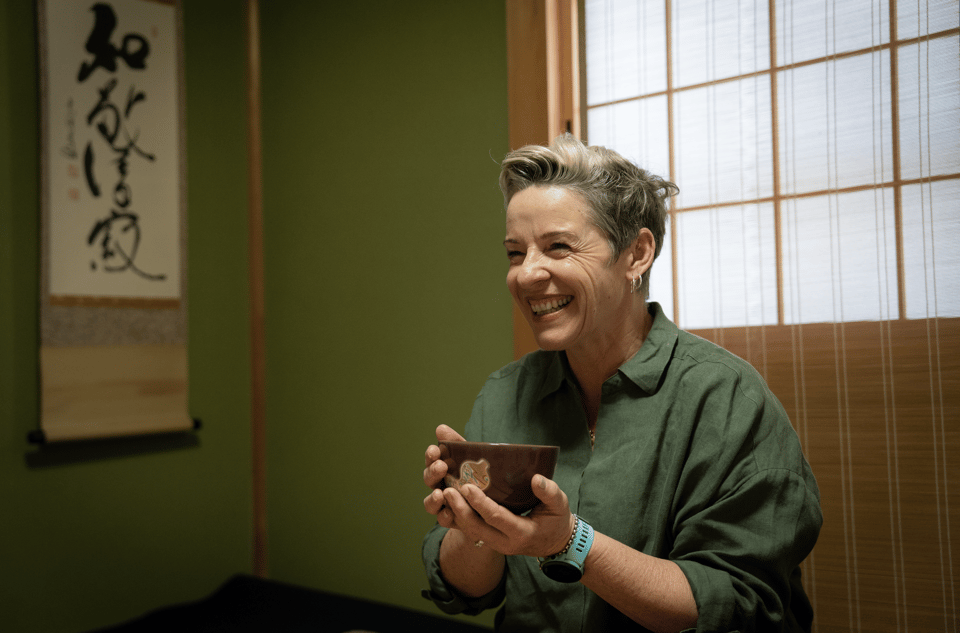
Kyoto can be overwhelming fast—shrines, crowds, lines, and your brain on overload. This tea ceremony cuts through that. In one hour, you shift from walking streets to slowing down with the ritual of matcha preparation, guided by someone who’s been doing it for decades.
What makes it especially appealing is that the session isn’t built for tea nerds only. The whole point is to lower the barriers. You don’t need to know the rules in advance. You just show up, listen, and learn the steps as you go—then taste the tea you helped make.
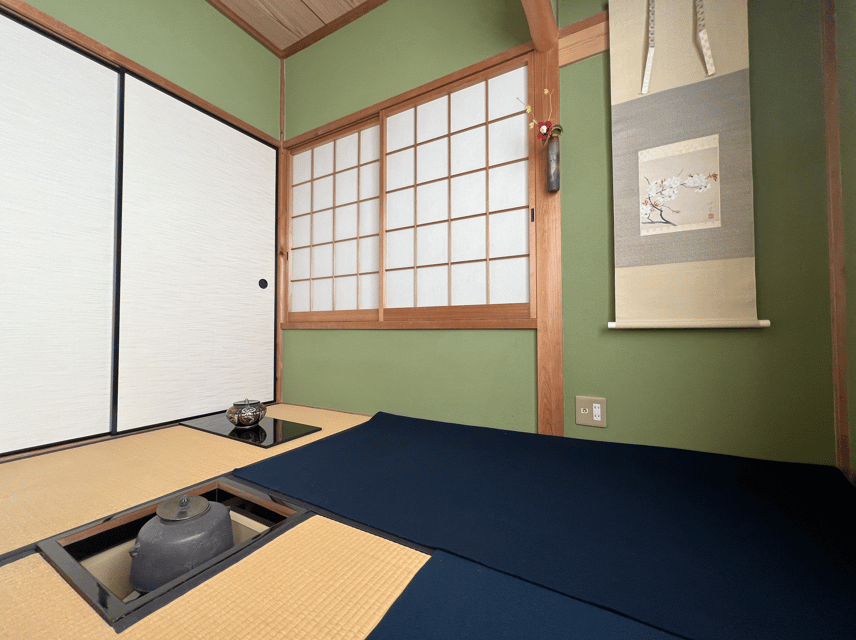
And the small-room setting matters. With a limited group, the experience stays quiet and personal. You can focus on the motions involved in whisking the powdered tea, and you’re more likely to get the small clarifications that make the difference between just watching and actually understanding.
You can also read our reviews of more tours and experiences in Kyoto.



Getting There From Kamogawa Delta and Demachiyanagi Station
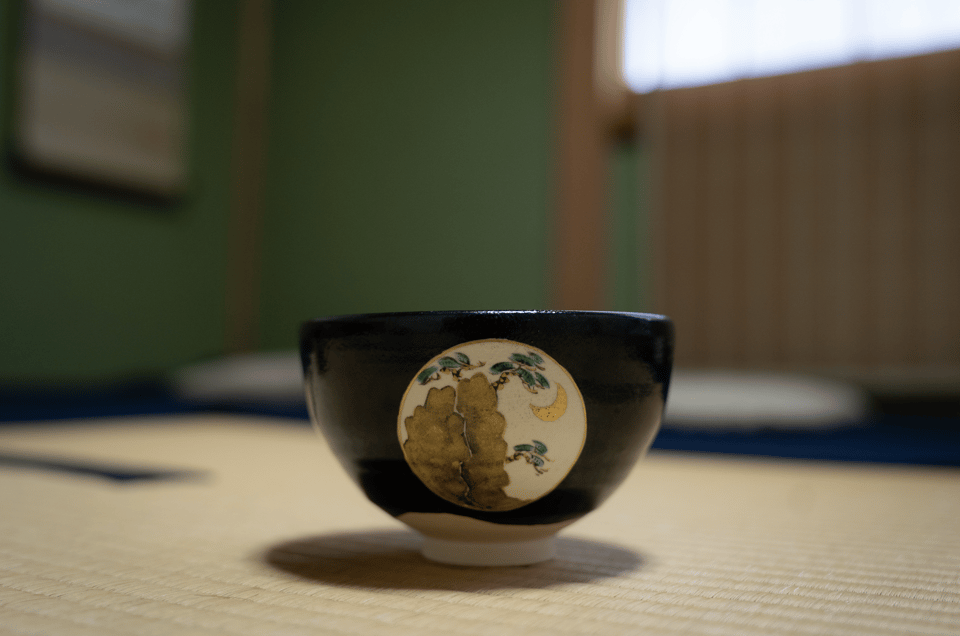
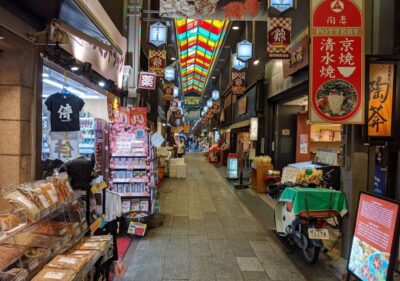
The location is convenient if you’re already working the eastern Kyoto routes. You’re about a 15-minute walk from the Kamogawa Delta, one of the more scenic riverside areas where locals and visitors often enjoy a slow walk along the water. You’re also about a 15-minute walk from Demachiyanagi Station, which is the practical starting point for exploring Kibune Shrine and Rurikou Temple.
Your meeting point is simple, but don’t skip it. Look for a Japanese house and a sign that says Tisato. That’s your cue to enter.
A practical tip: give yourself a few extra minutes on arrival. Kyoto side streets can look similar, and tea-room entrances are not always the kind of landmark you’d spot instantly from far away. If you get there early, you’ll have time to steady your pace—because this is one of those activities where being rushed can ruin the calm.
The Tea Master’s Role: Clear, Patient Teaching in English
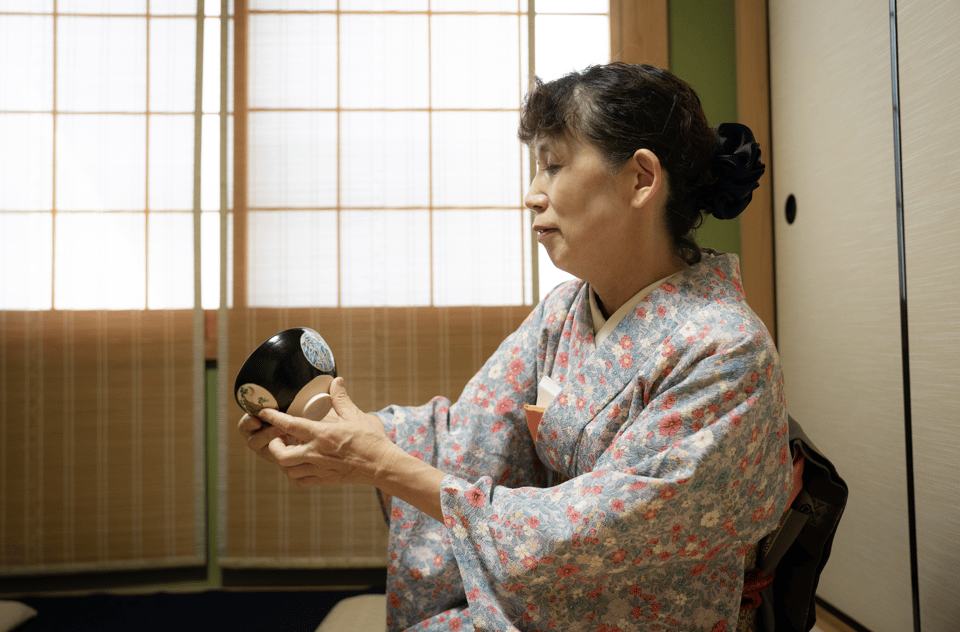
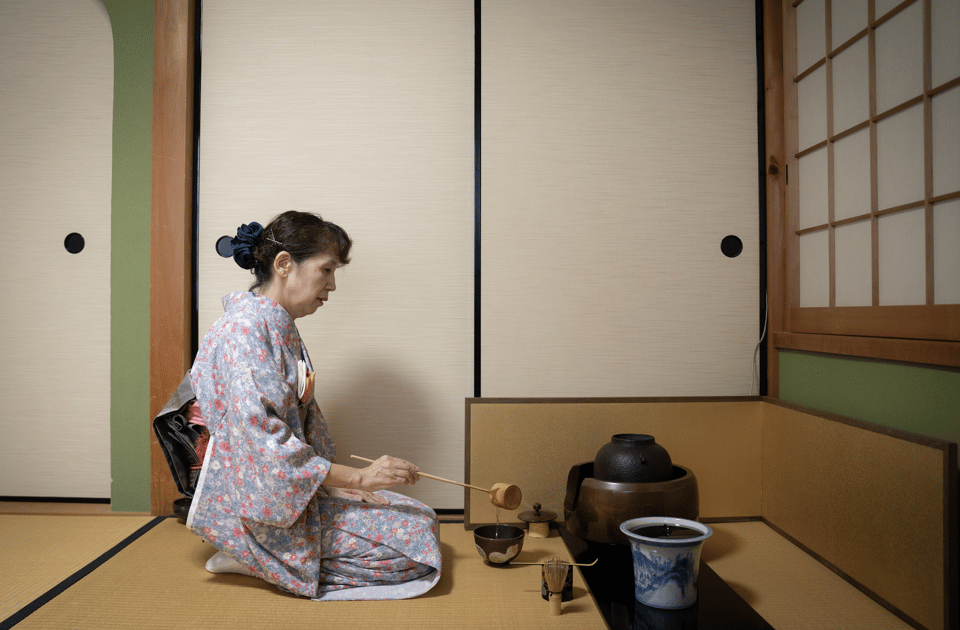
The most consistently praised part of this experience is the teaching. The instructor has 30 years of expertise, and the vibe is supportive rather than strict. That’s a big deal for first-timers, because tea ceremonies can sound intimidating when you only hear about them from guidebook summaries.
Ms Yamazaki is specifically mentioned as kind and knowledgeable, with incredible patience. That lines up with what you should look for in a good tea lesson: someone who can explain the steps in plain language, then adjust based on what you’re actually doing with your hands.
Because the session is taught in English, you can follow along without constantly translating in your head. You’ll learn the purpose behind what you’re doing, not just the movements. And that’s how you leave with more than a photo—you leave with a memory that makes sense.
The Ceremony Flow: Hands-On Matcha and Dried Sweets
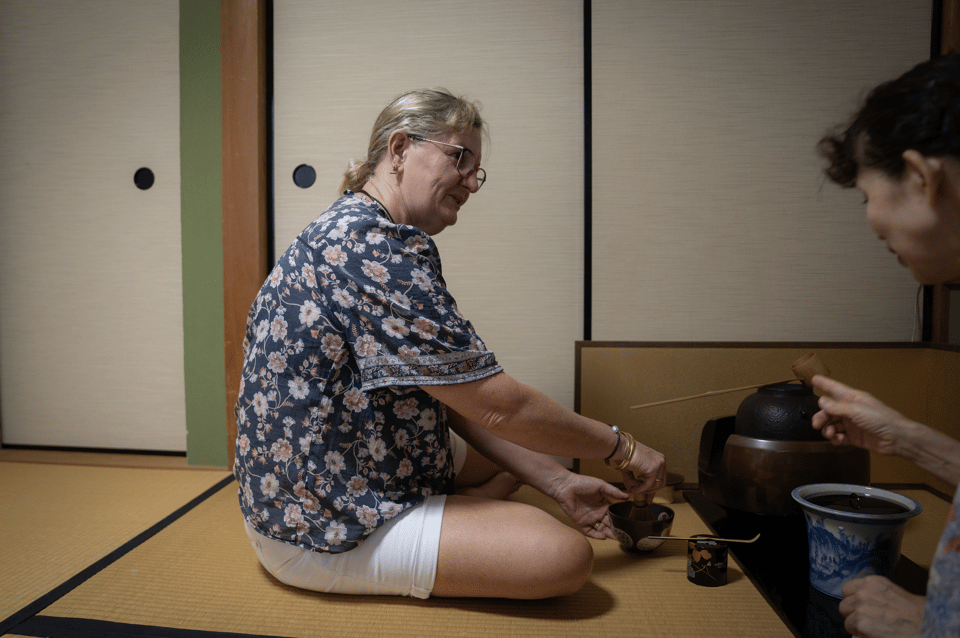
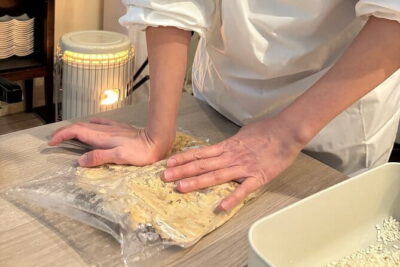
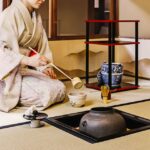
This isn’t a sit-and-watch show. If you want, you can make your own tea. Under guidance, you’ll learn the steps involved in matcha preparation, including whisking the powdered tea and the precise movements that help bring it together.
Here’s the best way to think about the session: it’s part skill-building, part mindfulness practice. You’re not just learning how to whisk. You’re learning how the ritual turns small actions into something you can feel—through timing, focus, and calm repetition.
You’ll also have traditional dried sweets included. They’re there for a reason: they complement the tea tasting portion, giving you something to experience alongside the matcha rather than treating the tea as a standalone sip.
The overall experience is designed to feel welcoming. Even if you’re a complete beginner, you’re not expected to perform perfectly. Instead, you’re expected to participate—and improve in real time with coaching.
Pair It With a Quiet Kyoto Walk Near the River
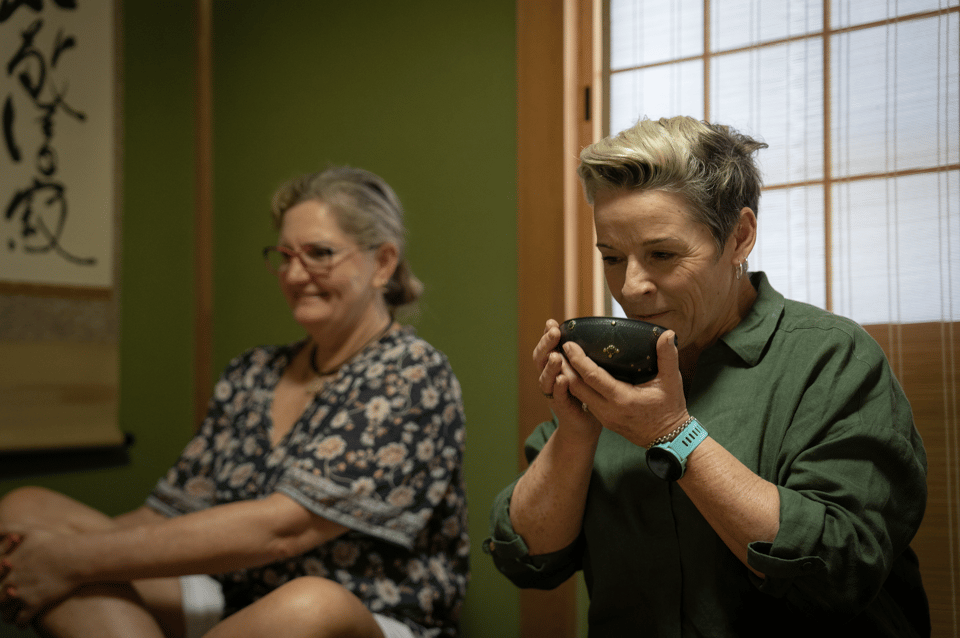
One of my favorite ways to use this tea ceremony is as a reset in the middle of your day. With the Kamogawa Delta only about a 15-minute walk away, you can pair the ceremony with a riverside stroll before or after. That gives you a clean contrast: active walking outdoors, then a calm indoor rhythm with matcha.
If you’re already planning to see Kibune Shrine and Rurikou Temple, this also works neatly. Demachiyanagi Station is about a 15-minute walk away, so you can fit the ceremony into a larger route without feeling like you’re trekking across Kyoto for one hour.
Practical timing idea: schedule tea when you want a break from long lines and crowds. Mid-morning can work well if you like to start light. Late afternoon can work if you want a softer energy before dinner. Since you’re in a small group and the session is short, it won’t steal half your day.

Price and Value: Is $38 Worth It?
At $38 per person for a 1-hour experience, it’s not the cheapest thing you’ll do in Kyoto. But it’s also not priced like a luxury-only tea spectacle. You’re paying for three concrete things:
- Instruction from a tea specialist with 30 years of experience
- Hands-on matcha preparation, with guidance while you actually do the steps
- A small group setting (max 6), which keeps the experience personal
For value, that small group piece matters. In larger experiences, you might get a quick explanation and then drift into “watching time.” Here, the format is built so you can learn what you’re doing, not just observe.
Also, included items help justify the price. You get matcha tea and traditional dried sweets, so it’s not like you’re paying for instructions only—you’re also tasting what you learn to make.
If your budget is tight, I’d still say this can be worth it if you care about culture that you can actually participate in. This is one of those experiences where the payoff isn’t only in the setting—it’s in the skill you take home, even if it’s just a deeper understanding of matcha preparation and the mindset behind it.
Who This Tea Ceremony Fits Best
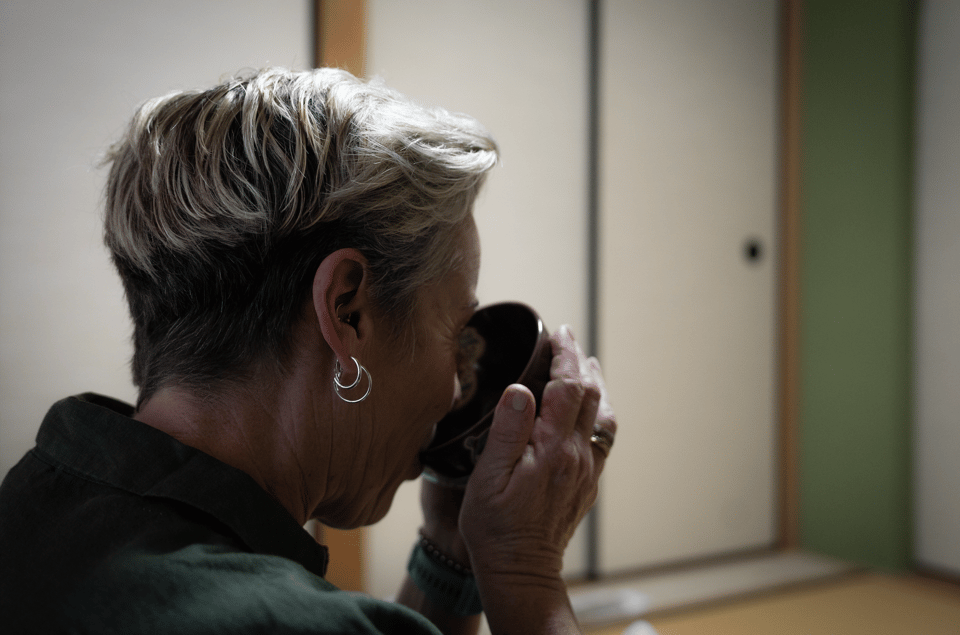
This experience is ideal if you want an authentic cultural activity without needing prior knowledge. You’ll likely enjoy it most if you like hands-on learning, appreciate small-group settings, and enjoy calm, focused experiences over big, crowded attractions.
It’s also a good match for:
- First-time Kyoto visitors who want one cultural activity that’s easy to understand
- Travelers who want something indoor that still feels meaningful
- People who prefer short lessons that don’t eat their whole day
- Anyone who likes matcha and wants to know what’s going on during the whisking process
If you’re the type who hates structured activities or wants tons of free time and walking, you might find the hour feels “too scheduled.” But if you like a clear plan and quiet attention, this setup is exactly the point.
Should You Book This Kyoto Tea Ceremony?
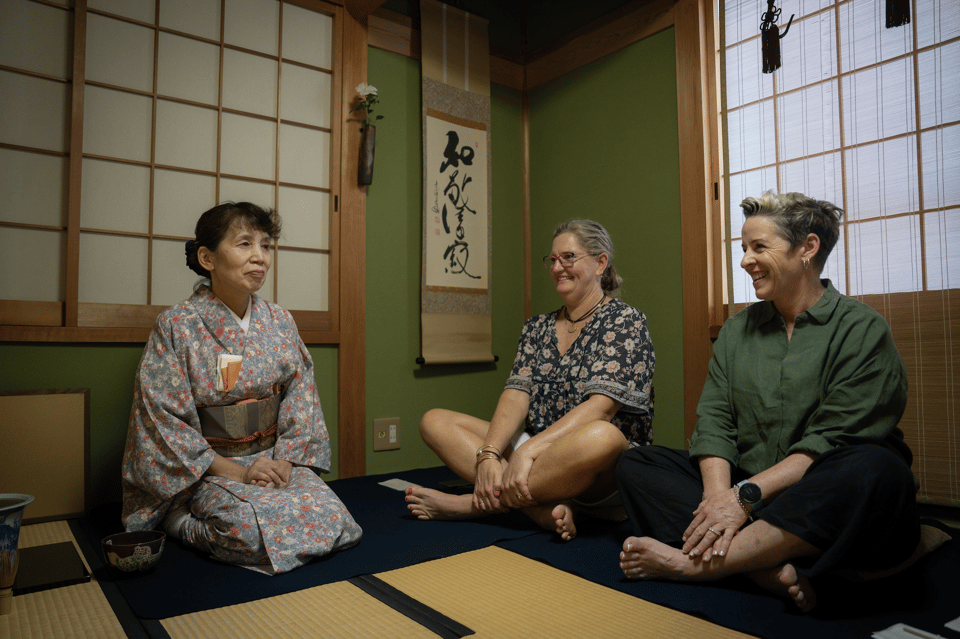
Yes, I’d book it if you want a low-pressure, guided matcha lesson that’s actually interactive. The teaching reputation—clear explanations and patient support, including Ms Yamazaki—plus the small group size makes it feel personal, not performative.
Skip it only if you’re looking for a long, multi-stage tea event or a lesson that goes deep into tea history. This is a focused 1-hour experience. Think of it as your calm chapter in Kyoto: short enough to fit anywhere, structured enough to be truly memorable.
FAQ
How long is the Kyoto tea ceremony experience?
It lasts 1 hour.
How big is the group?
The group is small, limited to 6 participants.
Is the instructor available in English?
Yes. Instruction is in English.
Do I need prior experience with tea ceremonies?
No. The experience is designed to be welcoming whether you’re a complete beginner or you have some familiarity.
Can I make my own matcha during the session?
Yes, you can make your own tea if you wish, with guidance from the instructor.
What is included in the price?
The experience includes the tea ceremony, instructions, matcha tea, and traditional dried sweets.
Where do I meet the host?
Meet at a Japanese house with a sign that says Tisato.
How far is the tea room from Kamogawa Delta and Demachiyanagi Station?
It’s about a 15-minute walk from Kamogawa Delta and about a 15-minute walk from Demachiyanagi Station.
Is free cancellation available, and can I pay later?
Yes. You can cancel up to 24 hours in advance for a full refund, and you can reserve now and pay later (pay nothing today).