REVIEW · KYOTO
Kyoto: Tea Ceremony in 100-year-old Kyo-Machiya Townhouse
Book on GetYourGuide →Operated by Kyoto Kimono Rental Yumeyakata · Bookable on GetYourGuide
A quiet tea room in old Kyoto beats most busy sightseeing. This experience pairs a matcha ceremony with a hands-on lesson in proper etiquette, all inside a preserved 100-year-old machiya townhouse—with English support and time for questions at the end. If you’re craving something calm, culture-first, and genuinely practical, this is a strong pick.
I especially love that you don’t just watch. You learn the steps, then you prepare your own tea under the master’s supervision, so the ritual actually sticks. I also like the way the optional kimono plan turns the ceremony into a whole Kyoto moment, not a single room and done.
The main thing to consider is that this is a group session (up to 20 people) with a quiet expectation. If you’re sensitive to sitting on the floor for part of the ceremony, note that there are small chairs available, but you’ll still want to be ready for a structured, rules-based experience.
In This Review
- Key things to know before you go
- Tea ceremony in Kyoto: what makes this one feel authentic
- The timing that matters: how the day is actually scheduled
- Start at Gojo Shop: kimono selection and getting dressed right
- The 100-year-old machiya townhouse: where the ceremony happens
- The tea ceremony lesson: history, etiquette, then your first bowl
- Matcha, sweets, and what to pay attention to
- English support: tea master and interpreter at work
- Optional Machiya moment: tour + photos in the same historic space
- Strolling in kimono after: the best way to turn one hour into hours
- Who this is for (and who should pick something else)
- Price and value: why $31 can be a fair deal
- Should you book Kyoto tea ceremony in a machiya townhouse?
- FAQ
- Do I need socks for this tea ceremony?
- Is kimono rental included in the price?
- How long does the experience take?
- What time does the ceremony start if I book the kimono option?
- Can I sit on a chair instead of the floor?
- Is this a private experience?
- Are pets allowed?
- Can I take photos and videos?
Key things to know before you go
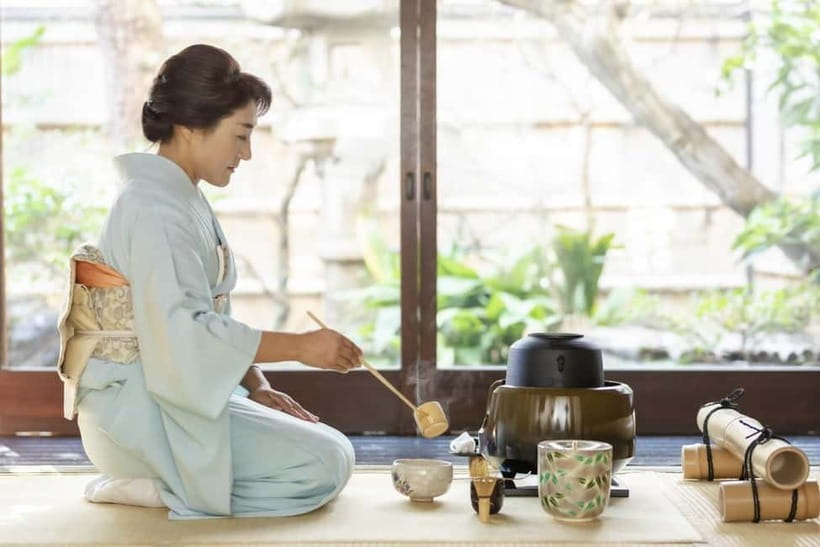
- Hands-on matcha: You’ll practice the motions instead of only observing.
- Old machiya setting: The ceremony happens in a 100-year-old Kyoto townhouse atmosphere.
- Kimono option for the rest of your day: Pick from styles, and return it by 5:30 PM.
- English tea master plus interpreter: Explanations are built to be understood.
- A question-friendly ending: You can ask before you leave.
Tea ceremony in Kyoto: what makes this one feel authentic
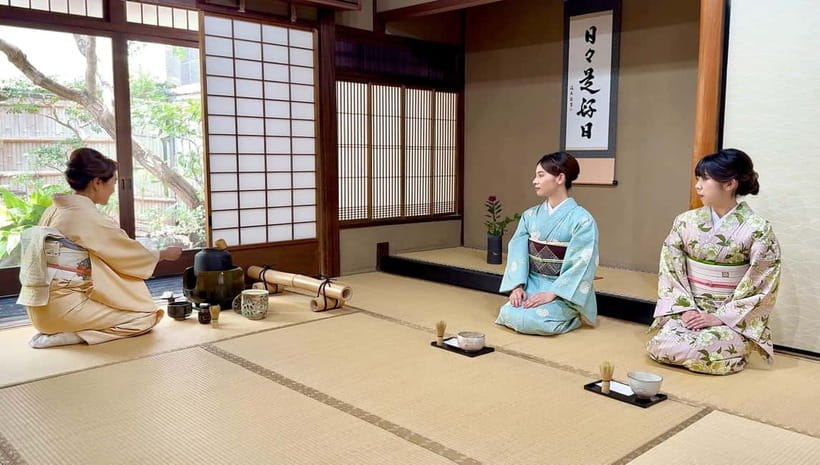
Kyoto is great at turning tradition into something you can actually feel. Here, the tea ceremony isn’t treated like a performance you race through—it’s paced like a ritual. You start with context (how the tea ceremony became what it is in Japan), then you move to the etiquette, the tasting, and finally the hands-on practice.
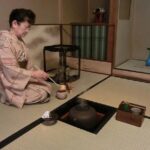
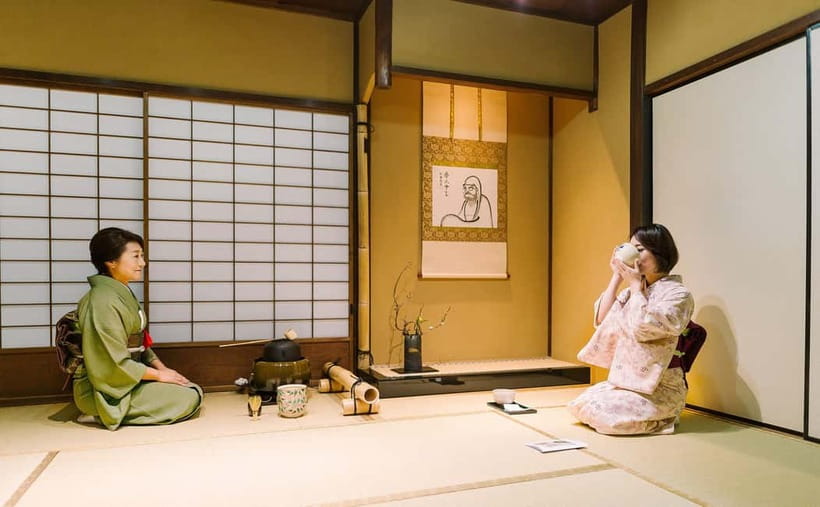
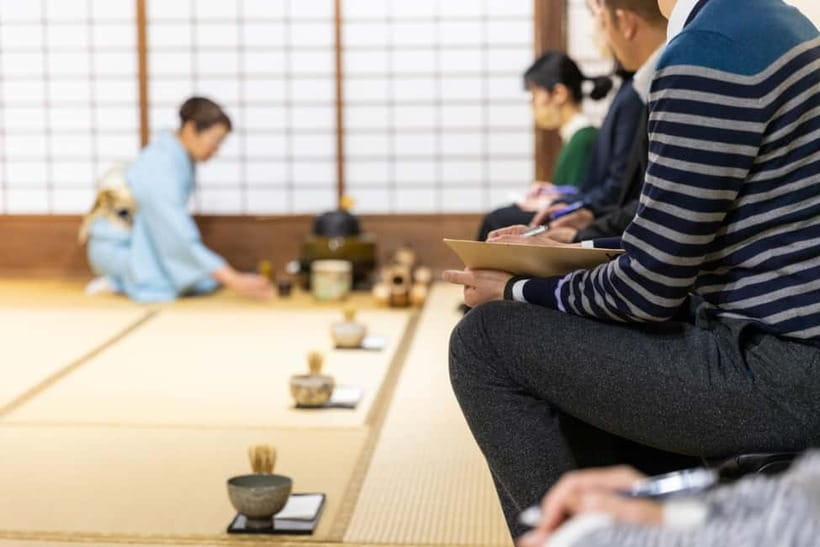
The setting matters. A machiya townhouse has that lived-in calm: wooden beams, paper screens, and a layout that makes the tea room feel separate from the street noise. That quiet is part of the point. When you sit down, the ceremony isn’t asking you to be an expert—it’s giving you a script for how to be present.
You can also read our reviews of more tours and experiences in Kyoto.
The timing that matters: how the day is actually scheduled
Your total time depends on the option you choose, but you’ll feel the rhythm clearly once you understand the flow.
If you choose Tea Ceremony + Kimono Rental, you go to the Gojo Shop first to select and get dressed. Your tea ceremony begins two hours after your chosen starting time. For example, pick 11:00 AM and the ceremony itself starts at 1:00 PM. After the ceremony, you can wear the kimono while you stroll around Kyoto and you must return it to the shop by 5:30 PM.
If you choose Tea Ceremony only, you skip the kimono portion and go directly to Oike Bettei 5–10 minutes before the voucher start time.
This timing structure helps you avoid the common “go-go” trap. You’re not just arriving at the last second and trying to absorb etiquette on the fly.
Start at Gojo Shop: kimono selection and getting dressed right
With the kimono option, the day begins at Gojo Shop. You’ll pick from different kimono colors, designs, and sizes. This is a practical part of the experience because wearing a kimono changes your posture, your pace, and even how you move your hands during small ritual moments.
There’s also an add-on upgrade for women. If you select it, you can add hair styling and makeup, and upgrade from a casual kimono to a more formal Houmongi. A hair accessory is included with the add-on.
A quick reality check: kimono days can be warm and layered. One review notes that walking in kimono can be a bit uncomfortable on a hot day, and that the layers take getting used to. Plan to be patient with your body, and you’ll enjoy the payoff more.
The 100-year-old machiya townhouse: where the ceremony happens
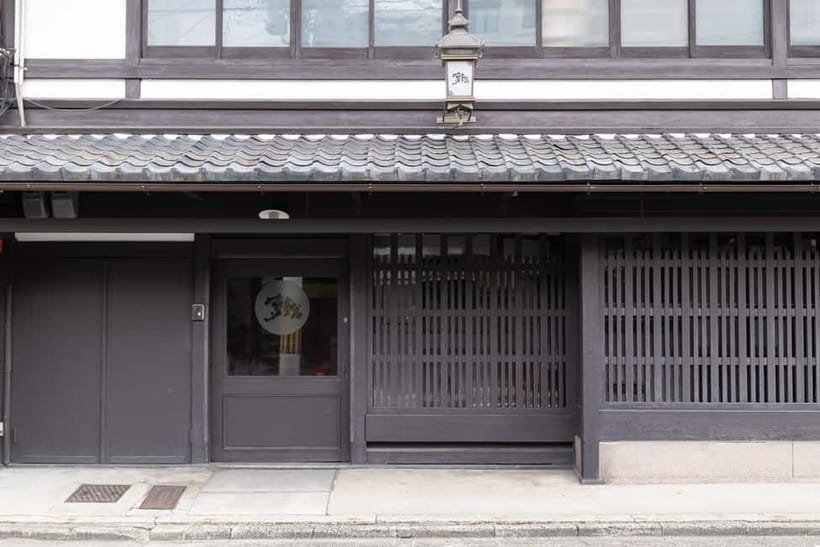
After you’re dressed, you head to Yumeyakata Oike Bettei, the traditional machiya townhouse where the tea ceremony takes place. The townhouse isn’t just a backdrop—it sets the mood for how the ceremony asks you to slow down.
The experience is designed as a group session, up to 20 people. The room layout may vary depending on the group size, but the structure stays consistent: you’ll sit on a small chair or, if you’re comfortable, on the floor. Either way, you’ll be guided through the etiquette step-by-step.
If you don’t want floor seating, don’t worry—you can sit on the small chairs. Still, bring socks, because sandals or flip-flops aren’t allowed, and the whole space runs on that “bare feet feel but with socks” practicality.
The tea ceremony lesson: history, etiquette, then your first bowl
The ceremony itself starts with an explanation of tea ceremony history—how tea traditions came to Japan from China roughly a thousand years ago, and how the Japanese Way of Tea became what you recognize today. You’ll also learn the etiquette that makes the ritual work: how to bow, what greetings to use, how to eat the sweets, how to drink the tea, and how to observe the tea bowl.
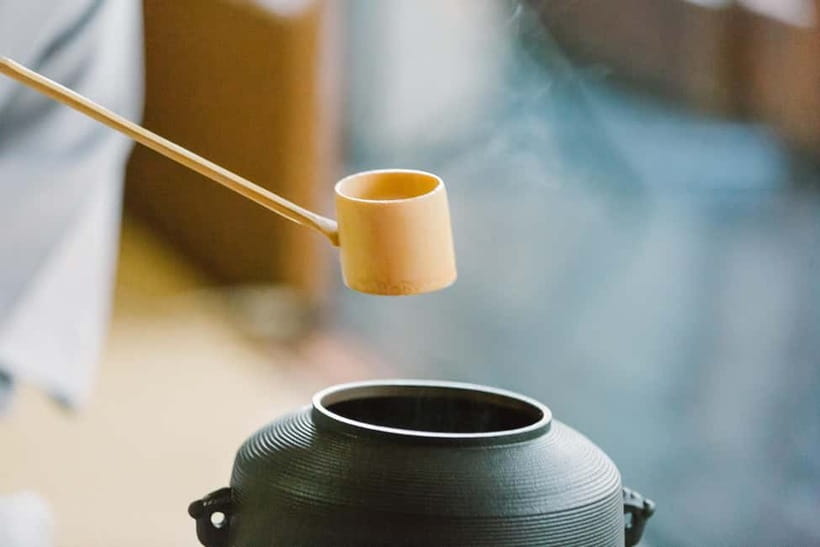
Then comes the practical part that people remember. After the master prepares the first tea service, you prepare the matcha yourself under supervision. You’ll learn the motions in real time, and the master’s presence helps keep everything correct.
This is one of the best values in the experience. Lots of tea ceremonies are “watch only.” Here, you actually do it, so when you’re back in your hotel, you’ll have a mental model for what you’re tasting and why it’s served the way it is.
Matcha, sweets, and what to pay attention to
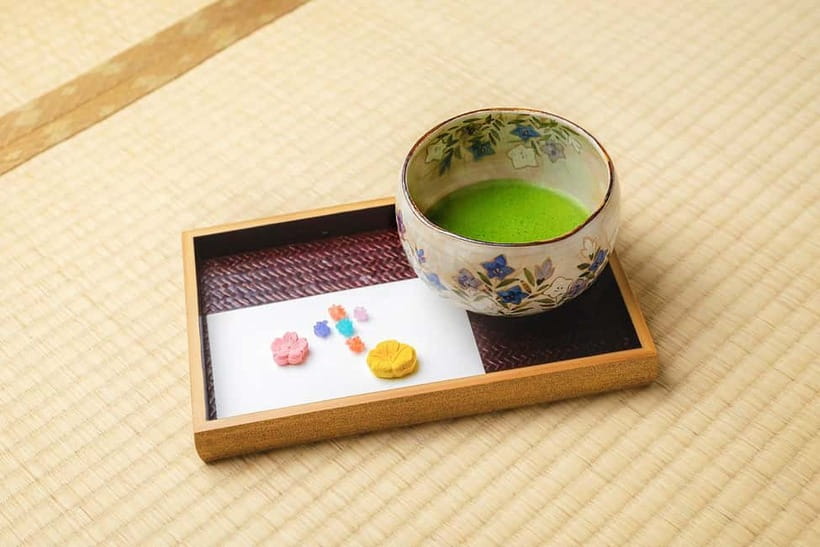
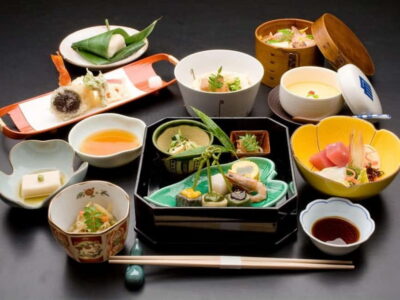
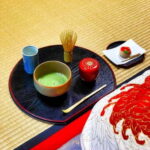
You’ll be served matcha tea plus traditional Japanese sweets. The sweets come first in the rhythm of the ceremony, and the explanation helps you understand the logic of the sequence rather than treating it like an appetizer line.
Pay attention to how the sweets and tea balance. In a good tea moment, you’re not rushing flavor—you’re clearing the palate and tuning yourself to the matcha’s taste. Reviews frequently mention the matcha being excellent and the tea experience feeling educational, not just pretty.
Also note the rules: no smoking indoors and no flash photography. The ceremony depends on a quiet atmosphere, so keep your phone on silent and let the room do its job.
English support: tea master and interpreter at work
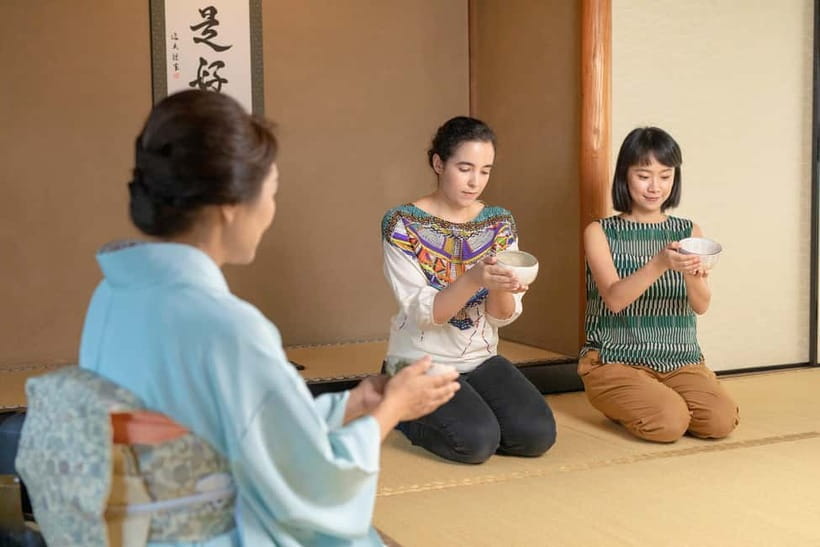
The instruction is offered in English and Japanese, with a tea master and interpreter. Reviews highlight that hosts like Lim and Ling (spelled differently in reviews) explain the steps clearly, and one review mentions a tea master named Maki alongside a translation support role.
You don’t need to know Japanese etiquette to benefit. The interpreter role is what keeps the ritual meaningful rather than mysterious. Even when your tea master is speaking Japanese, you’ll have enough English support to follow what matters: the why behind each gesture.
Optional Machiya moment: tour + photos in the same historic space
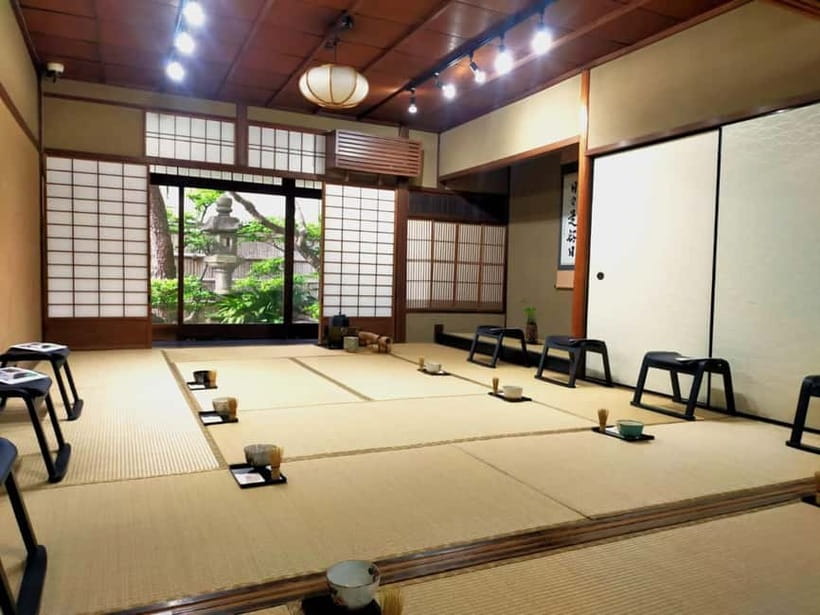
If you choose the add-on, you get a 30-minute Machiya moment right after the tea ceremony. It’s structured as about 20 minutes of townhouse tour plus 10 minutes for selfie time.
What makes this worthwhile is that it ties the architecture to lived culture. You’ll walk through the traditional machiya layout and hear about history, architectural details, and hidden functions of these homes. And you’re not doing this somewhere generic—you’re in the same area tied to Kyoto’s cultural center.
The tea house location is near Kyoto Gosho (Kyoto Imperial Palace). Next door is the former residence of Nijō Yoshimoto (Nanboku-chō period), a court noble who influenced linked verse poetry culture. That context helps you understand why tea gatherings fit naturally into aristocratic life in this part of Kyoto.
Strolling in kimono after: the best way to turn one hour into hours
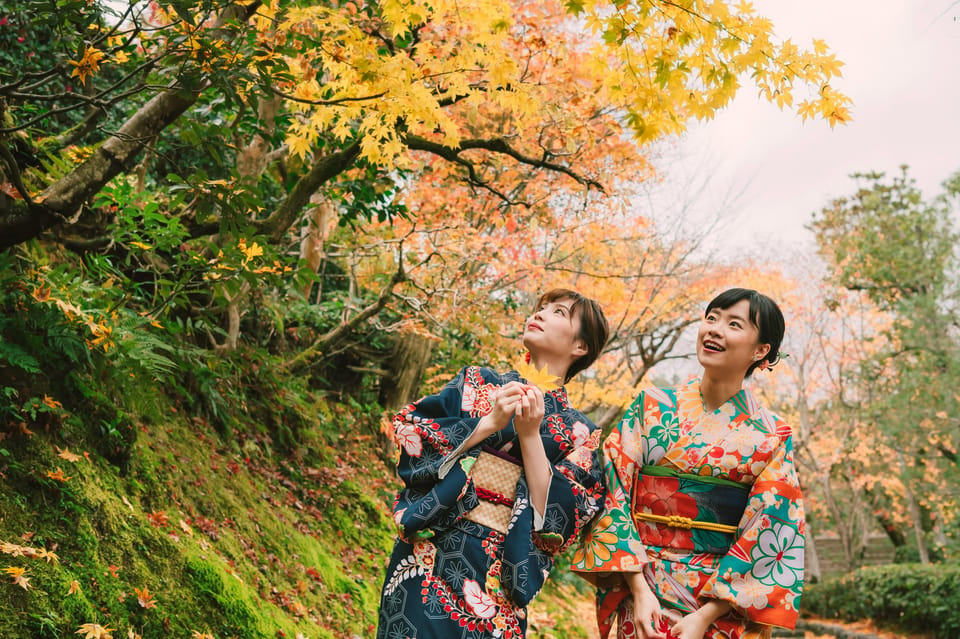
One of the most fun parts of the kimono option is simple: you get time to wear it while you move through Kyoto. After the ceremony, you can stroll around the city in kimono before returning it to the shop by 5:30 PM.
This is where the value shows up. A tea ceremony is meaningful, but it’s short. Wearing kimono afterward stretches the theme across your day, so the ceremony doesn’t evaporate the moment you walk out the door.
Just remember the “rules of the road.” No sandals or flip-flops in the experience setup, quiet behavior is expected inside, and you’ll likely want comfy plans for the walking portion since kimono fabric can be restrictive.
Who this is for (and who should pick something else)
This experience suits you if you want a Kyoto activity that’s calm, structured, and hands-on. It’s also ideal if you like learning cultural details that you can actually repeat later—like how to prepare matcha and understand what etiquette is doing.
It’s less ideal if you need a high-mobility, low-structure experience. There’s a quiet atmosphere requirement, and the group format means you’re part of a schedule, not a private session. Also, it isn’t suitable for pregnant women, wheelchair users, and people over 6 ft 6 in (200 cm). It’s not for children under 10, and it includes restrictions like no babies under 1.
If you’re sensitive to sitting on the floor, choose the small-chair option if available, and plan socks.
Price and value: why $31 can be a fair deal
At $31 per person, this is competitively priced for a guided cultural experience that includes matcha, traditional sweets, English-language support, and tea preparation practice. The big value isn’t just “tea.” It’s the combination of instruction + doing the motions yourself in an authentic machiya setting.
The kimono option changes the equation. If you add it, you’re paying for the rental, possible hair styling, and the chance to wear it afterward. Reviews repeatedly frame the kimono as part of what makes the day feel more complete and photogenic—but also note that kimono comfort can vary depending on weather and your body’s tolerance for layers.
If you want the best value without overcommitting, do the tea ceremony-only option. If you want a full cultural day with the “Kyoto feels different” factor, choose the kimono add-on.
Should you book Kyoto tea ceremony in a machiya townhouse?
Book it if you want a Kyoto experience that teaches you something real and lets you practice, not just observe. You’ll get a strong cultural foundation (history + etiquette), plus the moment where you whisk and prepare matcha yourself under a master’s supervision.
Skip it—or choose a different style of activity—if you’re uncomfortable with group scheduling or you strongly dislike structured quiet settings. Also think twice if you fall into any of the stated unsuitability categories (like wheelchair access needs, pregnancy, or age restrictions).
If your Kyoto plan includes temples and markets, this tea ceremony is a smart counterbalance. It’s calm, focused, and built around manners, attention, and taste—exactly the kind of cultural learning that sticks after you leave Kyoto.
FAQ
Do I need socks for this tea ceremony?
Yes. Socks are required. Sandals or flip-flops are not allowed.
Is kimono rental included in the price?
Kimono rental is included only if you choose the option that includes it. There’s also a tea ceremony-only option without kimono.
How long does the experience take?
The duration ranges from about 50 minutes to 3 hours, depending on the option and timing you choose.
What time does the ceremony start if I book the kimono option?
After you pick your kimono at the Gojo Shop, the tea ceremony starts about two hours later than your selected starting time.
Can I sit on a chair instead of the floor?
Yes. If you prefer not to sit on the floor, you can sit comfortably on a small chair.
Is this a private experience?
No. It’s a group session that can accommodate up to 20 people.
Are pets allowed?
No, pets are not allowed.
Can I take photos and videos?
You can take photos, but flash photography is not allowed. Professional photos/videos are not included.