REVIEW · KYOTO
Bento Box Cooking Class
Book on Viator →Operated by Cooking Sun · Bookable on Viator
Food plus technique in one tidy box.
In Kyoto, this bento box cooking class at Cooking Sun has you learn the history, cook the components, then sit down and eat your own lunch. I like that it is hands-on with English-speaking instruction, and I also like that the menu changes with seasonal ingredients every few months. One thing to plan for: you cook before you eat, so go in hungry rather than doing a light breakfast.
In This Review
- Key things that make this class worth your time
- Bento Box Cooking Class in Kyoto: What You’ll Actually Make
- Cooking Sun Studio and the 3-Hour Rhythm: How the Day Flows
- Before You Cook: Bento Origins and the Why Behind the Food
- Hands-On Cooking Stations: Techniques You’ll Use Again
- The typical skill set you may practice
- Why this matters for real cooking at home
- Lunch in Your Own Bento Box: Presentation and Practical Satisfaction
- What You Get for $71.35: Is This Good Value in Kyoto?
- Dietary Needs, Allergies, and Getting Good Help
- How to Prepare: Make Your Bento Day Easier
- Who Should Book This Bento Box Class in Kyoto
- Should You Book Bento Box Cooking Class at Cooking Sun?
- FAQ
- Where is the class meeting point?
- What time does the Bento Box Cooking Class start?
- How long is the cooking class?
- What’s included in the price?
- Do I need to bring ingredients or cooking tools?
- Are dietary requirements accommodated?
- How big is the group?
- Is hotel pickup or drop-off included?
- Do I get recipes to take home?
- Is there free cancellation?
Key things that make this class worth your time
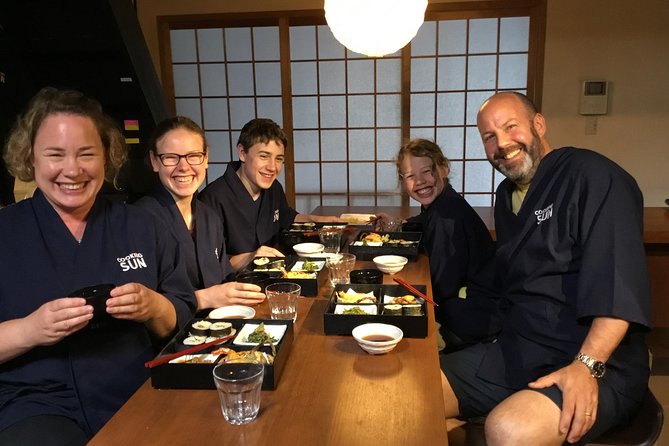
- A chef-led, hands-on bento build rather than watching everything from your seat
- Seasonal menu adjustments (often centered on miso soup, tempura, egg rolls, and more)
- Small group size with a maximum of 8 people per booking
- Recipe handouts to take home so you can repeat the meal later
- Allergy-aware, careful instruction when you share dietary needs ahead of time
Bento Box Cooking Class in Kyoto: What You’ll Actually Make
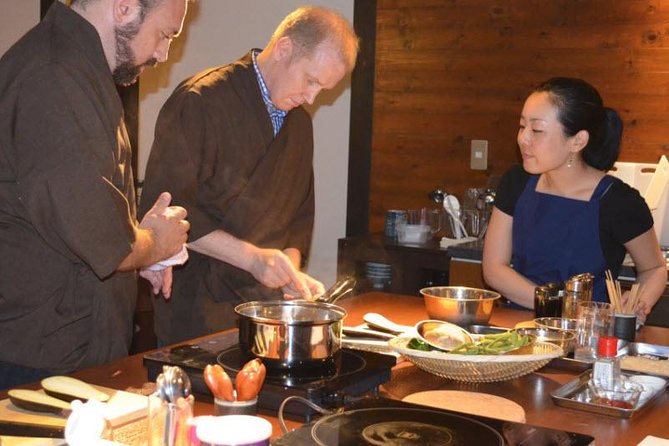
A bento box is Japan’s answer to smart, portable eating. It’s not just one dish; it is a small plan—different flavors, textures, and colors arranged so it feels balanced even when it’s compact. In this class, you build that idea in real time: you learn what goes into a bento and then you assemble and eat what you made.
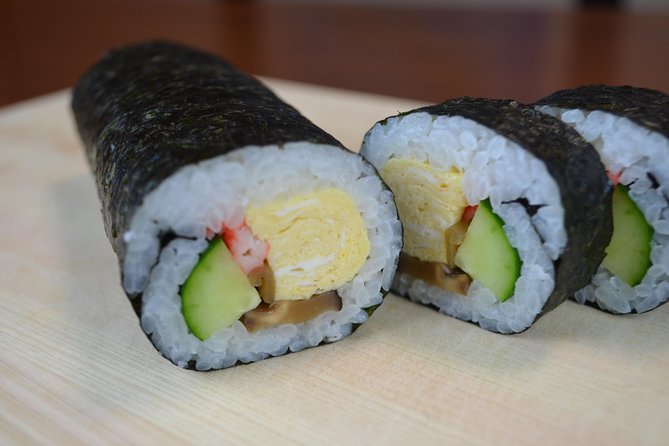
The cooking is structured around classic Japanese items. Based on the course description, you can expect staples such as miso soup, tempura vegetables, and egg rolls. Many participants also talk about hands-on work that can include sushi rolling, rolled egg techniques, teriyaki-style dishes, and tempura frying—so even if your exact menu shifts, the skills feel practical.
You’ll also get the cultural side. The class starts with context: what bento is, where it comes from, and why Japanese home cooking often focuses on portioning and presentation. That’s the difference between a bento class that is fun and one that actually helps you cook better at home.
You can also read our reviews of more cooking classes in Kyoto
Cooking Sun Studio and the 3-Hour Rhythm: How the Day Flows
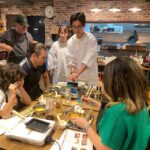
The session runs about 3 to 3.5 hours. It starts at 9:30 am at Cooking Sun (679 Funayachō, Shimogyo Ward, Kyoto). This is one of those Kyoto activities that fits cleanly into a sightseeing day because it finishes with lunch, not a long tasting or endless waiting.
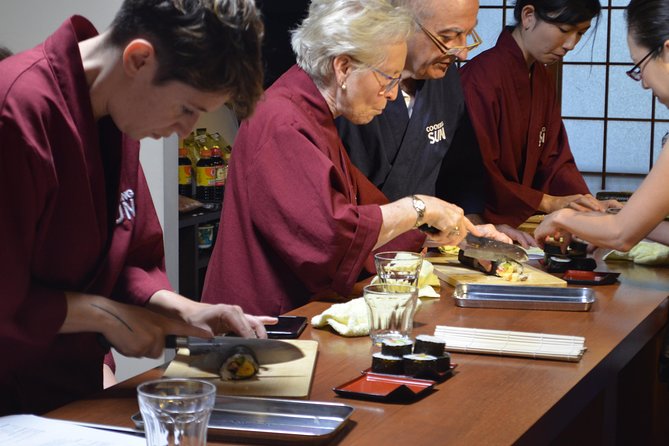
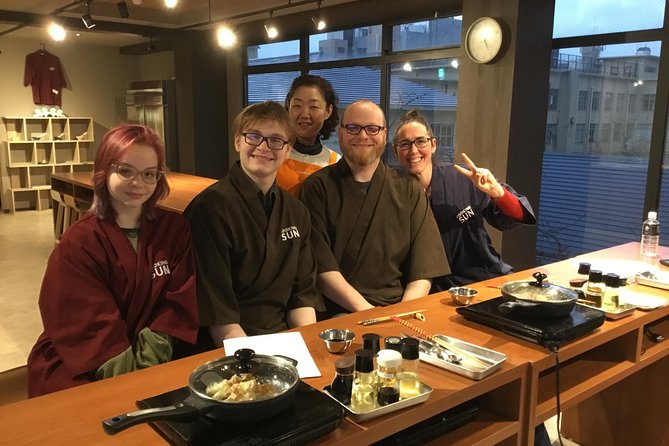
The group is capped at 8 people per booking, and the class format is designed for personal attention. You’re not stuck in one row with no chance to cook. Instead, you work through the different components with guidance from the class leader and staff in the studio.
One practical note: the class includes lunch, but you won’t eat until the end. If you’re the type who underestimates how long “a couple of hours” can feel while you’re actively cooking, eat first before you go. Several people call out that you should not skip breakfast.
Before You Cook: Bento Origins and the Why Behind the Food
The class begins with background on the word and idea behind bento. You’ll learn that bento as a term connects to older usage—specifically, the description notes the 13th century and that the Song Dynasty used the word bento as slang for something convenient. That historical tidbit matters because it frames bento as an organized response to daily life: practicality first, then craft.
Then the focus shifts to technique. You’ll watch master-level instruction for key cooking steps and understand what to look for—how the timing works, how flavors combine, and how the final box should feel like a complete meal. This is not just trivia. It’s the logic that helps you cook without guessing at home.
The course also explains that the menu is adjusted every three months to use the best seasonal ingredients. That’s a big deal in Japan. It means your bento learning is tied to what’s good right now, not a static “one-time demonstration” menu.
Hands-On Cooking Stations: Techniques You’ll Use Again
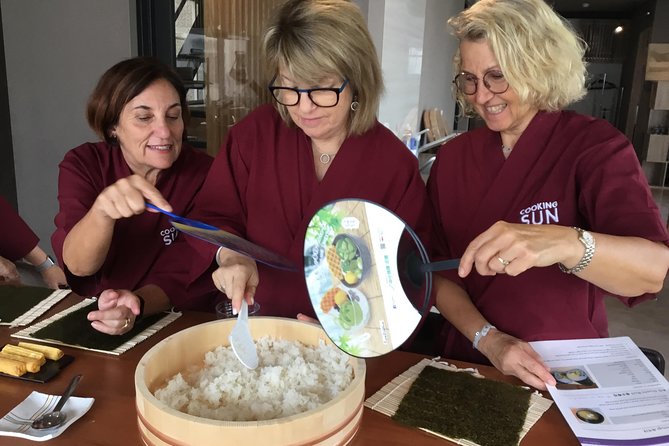
This is where the class earns its keep. The best part is that you actively cook. You’re not just assembling a pre-made box. You practice the methods that create the dishes—so you can recreate them later, not just copy a look.
The typical skill set you may practice
The course description highlights hands-on work with several bento staples. You try your hand at making things like:
- Miso soup
- Tempura vegetables
- Egg rolls
From participant experience, additional hands-on skills can include sushi rolling (maki-style), teriyaki-style cooking, and tempura frying. Rolled egg methods also come up, including layered or rolled omelet-style techniques. Even if your exact list varies with seasonal menus, the pattern is consistent: you learn multiple components that fit together as a bento.
You can also read our reviews of more tours and experiences in Kyoto

Why this matters for real cooking at home
Bento looks simple until you make it. A bento box requires planning: the items need different textures, you want flavors that don’t fight, and you need to consider serving temperature and timing. When you practice the components in one session, you start understanding how Japanese home cooks think—small portions, clear seasoning, clean cuts, and smart balance.
It also helps that the instruction is in English. Many participants emphasize clarity and organization. When recipes are written down and explained step-by-step, you’re more likely to actually repeat the meal once you’re back in your own kitchen.
Lunch in Your Own Bento Box: Presentation and Practical Satisfaction
After you finish cooking, you stow your knife and apron and sit down to eat with the group. This is not a separate restaurant experience or a plated show. It’s lunch from your own work, in the form you assembled during class.
That final meal is part of the lesson. You get immediate feedback on your bento choices—how well the miso soup works with your other items, how the crunch of tempura contrasts with egg or rice-based components, and whether your seasoning choices feel right together.
The class also includes lunch as part of the price, so you are not adding another big meal cost on top. And you finish with a full sense of accomplishment—because you made the thing, not just watched it happen.
What You Get for $71.35: Is This Good Value in Kyoto?
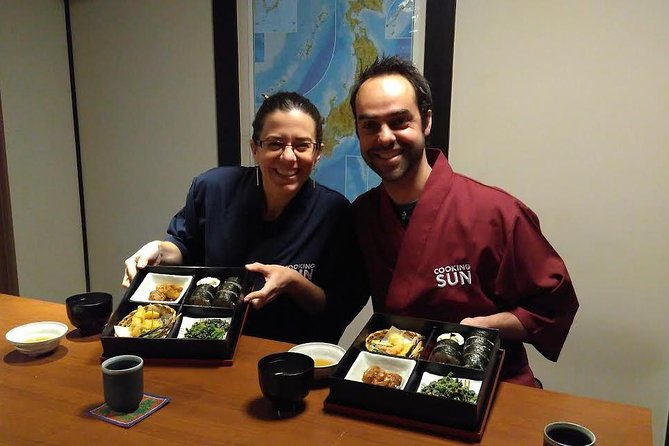
At $71.35 per person, this bento class sits in the mid-range for Kyoto cooking experiences. The value comes from what’s included and how the time is structured.
You get:
- Lunch
- All ingredients for cooking
- An English-speaking cooking instructor
- An apron
Those are the essentials that make a cooking class feel complete. You’re not paying extra for ingredients or hoping you can bring your own. Plus, you get instruction that helps you build repeatable skills, not only a one-off meal.
Also, the small group size matters. A maximum of 8 travelers per booking means you have a better chance of getting help when you’re learning techniques like tempura timing or rolling tasks. When you’re paying for a lesson, that human attention is the real cost driver—and it’s built into this format.
If you want a value-first Kyoto food day, this is a strong option because it combines cooking, lunch, and take-home recipes in one session. You leave with food now and knowledge later.
Dietary Needs, Allergies, and Getting Good Help
The class asks you to advise specific dietary requirements at time of booking. That’s important, and it’s more than a checkbox. Several participants highlight that the staff was very careful and helpful with food allergies, with clear explanations and kind support.
So here’s the practical move: tell them what you need up front. If you have allergies, don’t wait until you arrive. Share your needs at booking so the kitchen can plan ingredients and avoid surprises.
Also note that service animals are allowed, and the studio is near public transportation. If you’re planning around Kyoto walking routes or trying to reduce transit stress, this helps.
How to Prepare: Make Your Bento Day Easier
A bento class sounds casual, but you’ll be working with tools and focusing on timing. A little prep makes a big difference.
Here are the smartest things to do:
- Eat something before you go, since lunch comes at the end.
- Wear clothes you don’t mind getting a little busy. You’ll have an apron, but cooking still happens.
- Bring a mindset of learning, not speed. The point is to understand the “why” behind technique and seasoning.
One more practical tip: because the menu can change with the seasons (adjusted every three months), keep your expectations flexible. You’ll still learn the same bento-building logic even if your exact dishes differ.
Who Should Book This Bento Box Class in Kyoto
This class is ideal if you fit at least one of these:
- You want a Japanese cooking experience that leads to repeatable recipes
- You like hands-on learning more than passive sightseeing
- You’re traveling with a partner, friend group, or family and want a shared activity that ends with real food
- You’re a food lover who appreciates technique, not just flavor
It also makes sense if you’re time-pressed. The session is compact, and it starts in the morning at 9:30 am. You can then use the rest of your day for temples, neighborhoods, or food walks.
If you dislike structured classes or you only want to eat without cooking, you might prefer a different type of Kyoto food tour. This one is built around making and assembling.
Should You Book Bento Box Cooking Class at Cooking Sun?
If you want one Kyoto day where you actually learn Japanese cooking instead of only tasting it, I’d book this. The value is strong because you get ingredients, lunch, English instruction, and take-home recipes in a small group setting. The hands-on format shows up again and again in people’s descriptions of the experience, especially for technique-focused tasks like rolling and tempura work.
Book it if bento is your kind of food: tidy, practical, and meant to be balanced. Skip it only if you want a “watch and eat” experience, or if you’re not comfortable cooking for a few hours before you get lunch.
Bottom line: for $71.35, you’re paying for skills you can use after Kyoto, not just a meal you finish and forget.
FAQ
Where is the class meeting point?
The class starts at Cooking Sun, 679 Funayachō, Shimogyo Ward, Kyoto, 600-8466, Japan.
What time does the Bento Box Cooking Class start?
The start time listed is 9:30 am.
How long is the cooking class?
The duration is about 3 hours (approx.), with descriptions also noting 3 to 3.5 hours.
What’s included in the price?
Included are lunch, all ingredients for cooking, an English-speaking cooking instructor, and an apron.
Do I need to bring ingredients or cooking tools?
No. The class includes all ingredients needed for cooking, and you’ll be provided the apron.
Are dietary requirements accommodated?
You can advise any specific dietary requirements at the time of booking.
How big is the group?
The class has a maximum of 8 people per booking, and the activity will have a maximum of 8 travelers.
Is hotel pickup or drop-off included?
No. Hotel pickup and drop-off are not included.
Do I get recipes to take home?
Yes. You’ll be given copies of the session recipes so you can recreate the food at home.
Is there free cancellation?
Yes, there is free cancellation. You can cancel up to 24 hours in advance for a full refund.