REVIEW · KYOTO
Tea ceremony by the tea master in Kyoto SHIUN AN
Book on Viator →Operated by SHIUN AN · Bookable on Viator
A Kyoto tea room beats big-bus culture. This small-group tea ceremony at SHIUN AN sits in a quiet area near Daitoku-ji, with the Golden Pavilion (Kinkaku-ji) about four bus stops away. I like that it feels serious and personal, not rushed or staged.
What I really love is the hands-on part: you’re guided through the utensils and order of movements, then you make your own bowl of matcha. The session also starts in a real tea room setting, with time to look at the hanging scrolls and seasonal flower arrangements before the tea steps begin.
One thing to weigh before you go: it can be tricky to find, and there may be difficult stairs to reach the tea space. If stairs or floor seating are a concern, plan extra time and be ready for a more “local neighborhood” experience than a central hotel pickup style tour.
In This Review
- Key points before you book SHIUN AN
- Kyoto matcha, in a calm neighborhood near Daitoku-ji and Kinkaku-ji
- What actually happens in the tea room (and why that’s the point)
- The matcha lesson: utensils, whisking, and your two servings
- Sweets, the included socks, and small comfort details that matter
- Group size and pacing: why 6 (or 8) people feels different
- Getting there in Kyoto: time buffer for a residential setting and stairs
- Price and value: does $33.03 make sense for 45 minutes?
- Who should book this SHIUN AN tea ceremony
- Should you book SHIUN AN Tea Ceremony in Kyoto?
- FAQ
- How long is the tea ceremony?
- What’s the group size for each tea ceremony session?
- Where does the tea ceremony take place?
- What should I expect during the session?
- What’s included in the ticket price?
- Do they include transportation or hotel pickup?
- Is there a translator available?
- Are food allergies accommodated?
- Is the location near public transportation?
- What’s the cancellation policy?
- Is there a limit on service animals?
Key points before you book SHIUN AN
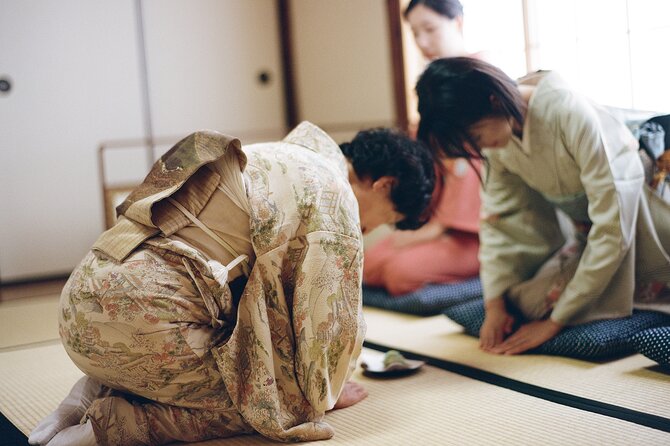
- Tea master-led, professor-qualified instruction with a tea name focus on tradition
- Small group (up to 6, sometimes up to 8 in peak season) for a calmer pace
- Full matcha workshop: two matcha bowls plus making your own bowl
- Tea room details first: scrolls, flowers, and how the room layout matters
- Comfort extras included: white socks and a fold fan for tatami-style floor time
- Near Daitoku-ji, with Kinkaku-ji reachable by bus in about four stops
Kyoto matcha, in a calm neighborhood near Daitoku-ji and Kinkaku-ji
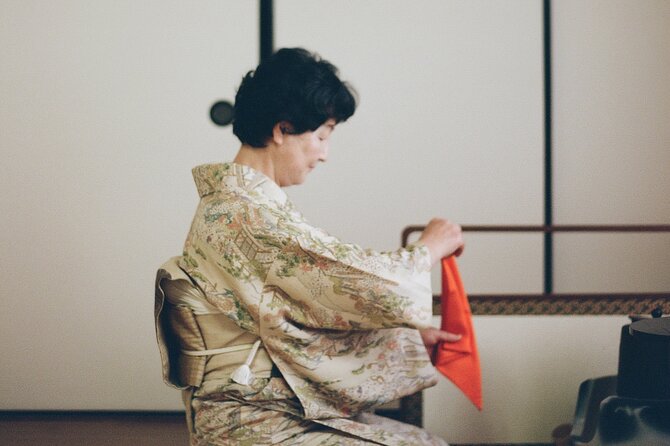
Kyoto’s tea ceremony scene can split into two modes: crowded showpieces or quieter, more thoughtful classes where people actually slow down. This one leans quiet. SHIUN AN runs the ceremony near the Zen Buddhist monastery Daitoku-ji Temple, an area tied closely to tea culture and the people who studied there. That connection matters, because a tea ceremony is partly about the art of attention—where you look, how you sit, and how the steps keep time.
You’re also not stuck far from major sights. The Golden Pavilion (Kinkaku-ji) is about four bus stops away. That means you can pair this with temple time without turning your day into a travel marathon.
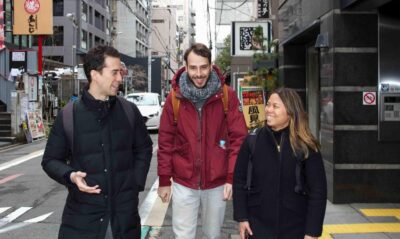
It’s also a “local streets” setup. The meeting point is at 955-1 Idachō, Kamigyo Ward, Kyoto, so you’re not getting picked up at a landmark in the usual tour-bus way. In practice, you’ll want to get there early and let yourself find the place calmly.
You can also read our reviews of more tours and experiences in Kyoto.



What actually happens in the tea room (and why that’s the point)
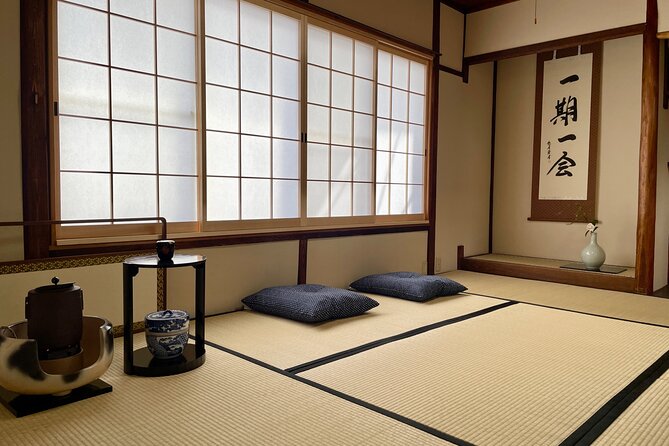
The ceremony starts before you even touch matcha. The host brings you into the tea room so you can admire the hanging scrolls and the flower arrangement. This is more than decoration. In a tea room, these elements help set the mood and guide how guests should behave—quietly observant, not chatty, not rushing to take photos.
Then comes the teaching. Before the formal serving, the host explains:
- the basic steps of an authentic tea ceremony
- the utensils used (and what each one is for)
- how the room layout and decoration fit into the overall flow
If you’ve ever watched matcha being prepared and wondered why it looks so exact, this is where it becomes clear. Tea isn’t only taste. It’s timing, posture, and sequence—small motions that add up to a controlled, respectful rhythm.
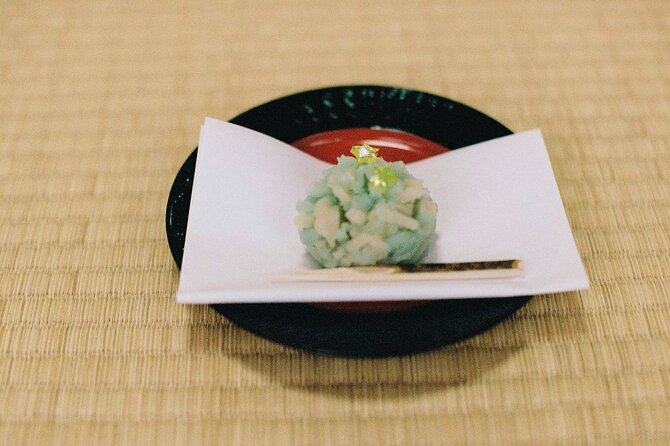
You’ll also get a seasonal sweet while watching the tea-serving process. That timing is smart: it gives you a palate and a baseline of calm before you start making your own bowl.
The matcha lesson: utensils, whisking, and your two servings
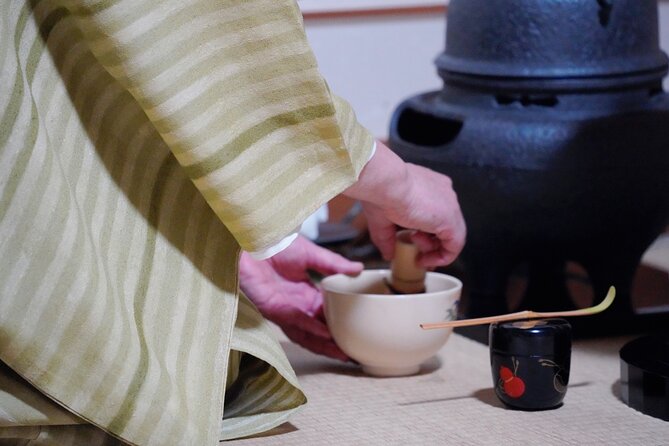
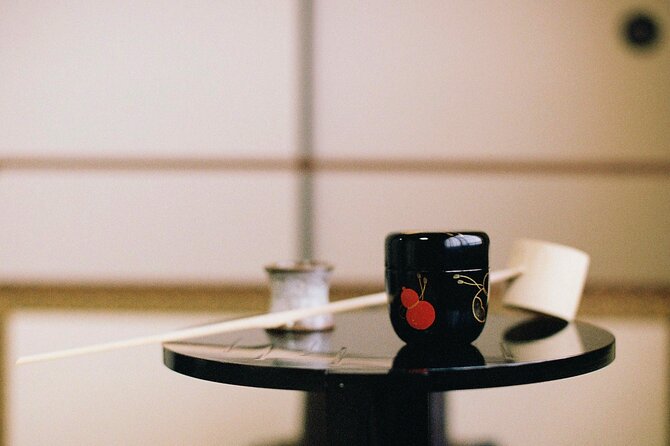
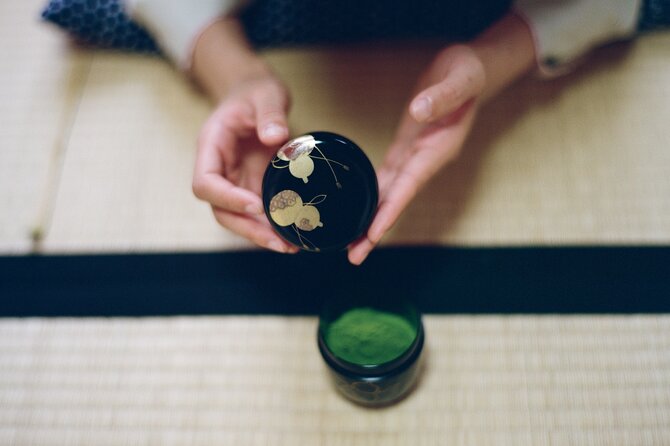
This is a proper introduction to making matcha, not a quick tasting. You’ll be provided with the tools of the ceremony: tea container, tea bowl, tea scoop(s), and a whisk (chasen). Then the host explains how to make matcha in a way you can actually repeat later.
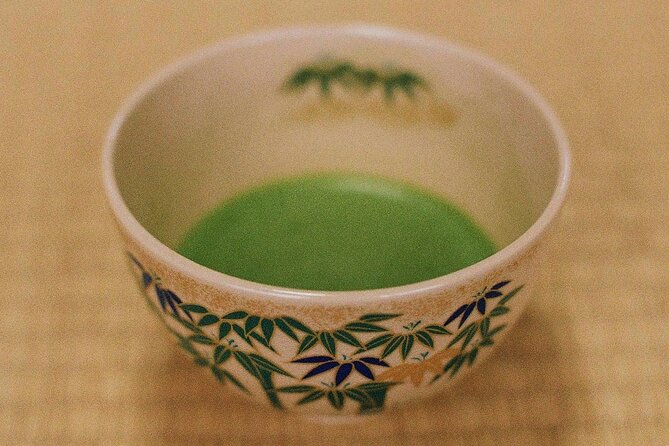
A standout feature here is that you get two bowls of matcha during the session. That changes how you experience it. The first bowl helps you understand what the ceremony is trying to teach you. The second bowl happens as you’re already thinking like a participant—paying attention to consistency, texture, and the pace of each step.
After the serving, you get the hands-on moment: each guest has the opportunity to make their own bowl of matcha, with guidance on the basics. Even if you don’t become a matcha expert in 45 minutes, you’ll leave with muscle memory for the core moves and a better sense of why the process is done the way it is.
Sweets, the included socks, and small comfort details that matter
If you’ve ever visited Japan and felt like many “cultural” activities forget the practical side, you’ll probably appreciate the included extras at SHIUN AN.
You get:
- white socks (useful for tatami-floor time)
- a fold fan
- matcha and Japanese sweets
There are also two kinds of Japanese sweets alongside your matcha. This gives you variety, and it supports the tea’s intended balance: sweet notes first, then the matcha’s bitterness and grassy depth.
The socks and fan are small, but they help the whole experience make sense. You’re not trying to figure out floor etiquette on your own, and you’re not forced to improvise with whatever you happen to be wearing. It’s the kind of detail that makes the room feel authentic.
Group size and pacing: why 6 (or 8) people feels different
The ceremony runs with a maximum of 6 travelers per session, though in peak seasons it can increase to 8. That smaller group size is a big deal. With fewer people, the host can slow down when you need clarification and watch your technique while you’re whisking and serving.
It also makes the whole thing feel less like a “performance” and more like a shared lesson. If you’re sensitive to noise or you want a quieter break from Kyoto crowds, this setup fits that goal well.

Getting there in Kyoto: time buffer for a residential setting and stairs
Here’s the practical reality. This experience is near public transportation, but it’s not a glossy, downtown drop-in. The tea space is in a quieter residential area, and many people will find it easiest if they:
- arrive a bit early
- use Google Maps
- plan for a local route rather than expecting a straightforward landmark approach
One important consideration: stairs. Some people found the stairs difficult, and they also noted that the team can be accommodating if you can’t sit on the floor comfortably. Still, if you have mobility concerns, it’s smart to think ahead and go early enough that you’re not stressed.
Because pickups and drop-offs aren’t included, you’ll also want to build your own transportation time. A taxi from the nearest station is often a simple fix when streets feel confusing.
Price and value: does $33.03 make sense for 45 minutes?
At $33.03 per person for about 45 minutes, the value mainly comes from what you actually do:
- you don’t just watch—you make your own bowl
- you get two matcha bowls plus two kinds of sweets
- you receive the utensils for the demonstration and the included comfort items (socks and fan)
If you’ve tried buying matcha and accessories on your own, the real cost isn’t only the tea. It’s the instruction and the atmosphere—being shown the steps, corrected gently, and taught how to handle the tools.
Is it “budget”? Not really. But for Kyoto, it’s priced like a focused cultural class rather than a high-volume attraction. The small-group limit also helps keep the experience from feeling like a factory line, which is where cheaper options can sometimes fall short.
Who should book this SHIUN AN tea ceremony
This fits especially well if you want:
- a more tranquil Kyoto experience than the busiest temple streets
- an authentic matcha-making lesson with structured steps
- a setting near Daitoku-ji, where tea culture and Zen atmosphere are part of the backdrop
- something worth doing even if you’ve never handled a whisk before
It may be less ideal if you:
- strongly dislike stairs or have serious mobility limitations
- need an experience that’s right next to major tourist corridors (because you’re going to a quieter neighborhood)
If you love order, rituals, and the feeling of learning something precise, you’ll likely enjoy how intentional this session is.
Should you book SHIUN AN Tea Ceremony in Kyoto?
I’d book it if you want a Kyoto tea ceremony that feels real: small-group, teacher-led, and hands-on enough that you leave with practical matcha knowledge. The included socks, fan, and the structured flow from room viewing to step explanation to making your own bowl make it easier to take part correctly.
If stairs are a concern, plan carefully and give yourself extra time so you can adjust without rushing. But if you’re able to handle a short climb and you want calm, thoughtful Kyoto culture, SHIUN AN is a strong choice.
FAQ
How long is the tea ceremony?
It lasts about 45 minutes.
What’s the group size for each tea ceremony session?
The maximum is 6 people per session. During peak seasons, it can increase up to 8.
Where does the tea ceremony take place?
It starts at 955-1 Idachō, Kamigyo Ward, Kyoto, 602-8302, Japan. The experience ends back at the meeting point.
What should I expect during the session?
You’ll view the hanging scrolls and flower arrangements, get instruction on the ceremony steps and utensils, enjoy sweets with matcha, watch the serving process, and then make your own bowl of matcha.
What’s included in the ticket price?
Included items are tea bowls and containers, tea scoops and whisks, white socks and a fold fan, matcha tea, and Japanese sweets.
Do they include transportation or hotel pickup?
No. Pickups and drop-offs aren’t included.
Is there a translator available?
The experience includes English support as part of the experience format, based on the session description and typical setup.
Are food allergies accommodated?
You’re asked to let the operator know about any food allergies.
Is the location near public transportation?
Yes, it’s near public transportation.
What’s the cancellation policy?
Free cancellation is available up to 24 hours before the experience starts for a full refund. If you cancel less than 24 hours before, the amount paid won’t be refunded.
Is there a limit on service animals?
Service animals are allowed.