REVIEW · KYOTO
Kyoto Philosophy Walk with Philosopher (Private/6.5 hour)
Book on Viator →Operated by Hiroki · Bookable on Viator
Kyoto can feel like a museum if you rush. This walk slows you down and teaches you how to think while you see. You’ll follow a philosophy-led route through temples and shrines, with guided questions that connect Zen Buddhism, Shinto belief, and even how Japanese modern thinkers wrestled with Western philosophy.
I love that it’s led by Hiroki, a nationally licensed guide and a trained philosophy researcher, so the stops aren’t just photo backdrops. I also like the dialogue format: it’s built for conversation, not one-way lectures. The possible drawback is simple: you’ll do real walking on temple ground, and the day includes a two-story building with only stairs.
In This Review
- What makes this Kyoto philosophy walk worth your time
- How Hiroki turns Kyoto into a philosophy lesson
- Stop 1: Higashi Hongan-ji and the idea of Pure Land
- Stop 2: Yoshida Shrine and Shinto as lived belief
- Stop 3-4: Ginkaku-ji and the Philosopher’s Walk mindset shift
- Stop 5-7: Nanzen-ji Suirokaku, the Sanmon Gate, and Konchi-in
- Pace, stairs, and getting around in 6.5 hours
- Price and value: what you pay beyond the $230
- Who this private Kyoto walk is best for
- Should you book this Philosopher’s Path tour?
- FAQ
- How long is the Kyoto Philosophy Walk with Philosopher?
- Where does the tour start?
- Where does the tour end?
- What’s included in the price?
- Are temple entrance fees included?
- What about lunch and food?
- Do I need to pay for public transportation?
- How much walking is involved?
- Is this a private tour?
What makes this Kyoto philosophy walk worth your time
- A philosophy researcher leads the day: Hiroki ties each place to a clear idea you can carry home.
- Dialogue over monologues: you’ll ask questions, not just listen.
- Philosopher’s Path focus, plus detours: the route centers on the famous walk while adding quieter temple moments.
- Temple ideas you can actually explain later: Pure Land, Shintoism, Zen simplicity, enlightenment steps.
- Private pacing for your group: only your party goes—time management stays flexible.
How Hiroki turns Kyoto into a philosophy lesson
This is a Kyoto tour for people who get tired of the usual script. Yes, you’re in classic temple territory. But the design flips the usual travel formula: instead of collecting landmarks, you’re collecting meanings. Each stop comes with a guiding question, and the discussion helps you notice what’s already on the surface—then what sits underneath.
Hiroki is the secret ingredient here. The day isn’t run like a school tour; it feels more like guided conversation between a good storyteller and someone who studies philosophical systems. That matters because Kyoto’s spiritual ideas can sound abstract in English. Here, you get a framework you can actually use while you walk.
Also, since it’s private, the pace can adjust to your questions. If you’re the type who loves stopping to ask why a gate matters, or why a garden is arranged the way it is, you’ll have room to do that.
You can also read our reviews of more walking tours in Kyoto


Stop 1: Higashi Hongan-ji and the idea of Pure Land
You start at Higashi Hongan-ji, where the day opens with one of Japanese Buddhism’s major concepts: the Pure Land. This is a helpful entry point because Pure Land belief shows up everywhere in how people understand faith, practice, and hope—even if you don’t know the terminology yet.
Expect the explanation to stay grounded. You’ll get a clear answer to the tour’s core question: what the Pure Land is and why it became such a significant idea in Japanese Buddhism. Even if you’re not chasing deep doctrine, this context gives you a lens for the rest of the day. You’ll start noticing how temples communicate belief without needing a lecture hall.
Practical note: admission at this stop is free, and it’s about a 30-minute segment. That makes it a good “warm start” before the more famous names kick in later.
Stop 2: Yoshida Shrine and Shinto as lived belief
Next comes Yoshida Shrine, a place that helps you answer a question many visitors never fully tackle: what is Shintoism? This shrine is also tied to one of the tour’s key angles—how Shinto can feel like pantheism, meaning divinity and nature aren’t treated as separate worlds.
You also get a bit of historical grounding. Yoshida Shrine is described as one of Kyoto’s older shrines, and it was once tied to government-sanctioned practices until about 150 years ago. That’s useful because it explains why Shinto isn’t just folklore or scenery; it has long links to how society organized belief and ritual.
This stop runs about 30 minutes with free admission, so it fits neatly into the rhythm of the walk. If you’re someone who wants to understand why shrines feel different from temples, this is where the contrast starts to click.
Stop 3-4: Ginkaku-ji and the Philosopher’s Walk mindset shift
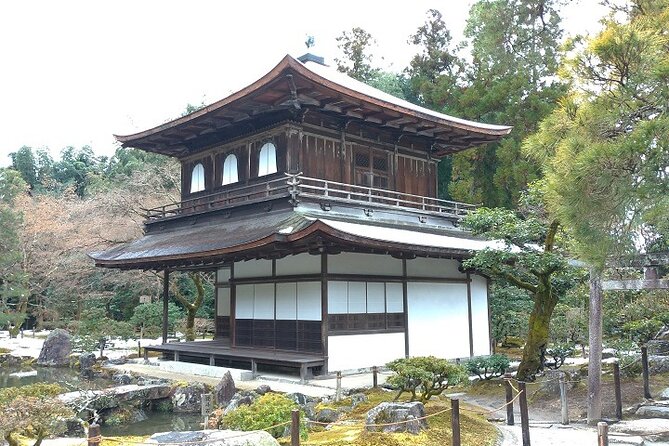
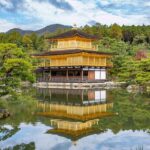
Ginkaku-ji (the Silver Pavilion) is the classic stop that most people recognize—but in this tour, it’s not treated as a sightseeing trophy. You’ll connect it to the idea of Zen simplicity, the notion that restraint and careful attention can be a kind of wisdom.
The tour frames it around a bigger question: what does simple really mean in Japanese Zen practice? That changes how you look. Instead of scanning for what’s ornate, you start paying attention to what’s intentional—what’s left out, what’s quiet, and what feels deliberately measured.
Then you move into the heart of the experience: the Philosopher’s Walk. This is where the philosophy part gets especially fun for the curious brain. You’ll talk about how Japanese philosophers grappled with Western philosophy. Kyoto isn’t only old; it has layers of modern intellectual change too. The guide helps you connect that intellectual tension to what you physically experience on the path.
This segment runs about 1 hour at Philosopher’s Walk, and it’s free. Translation: you get a major philosophical moment without added entry costs.
You should also know you’re walking on a path that totals about one mile for the tour. It’s not extreme hiking, but you’ll want comfortable shoes. Temple grounds can also feel uneven or crowded, so the tour’s pacing matters.
Stop 5-7: Nanzen-ji Suirokaku, the Sanmon Gate, and Konchi-in
After the famous walkway, the day keeps feeding your brain with quieter stops and specific ideas.
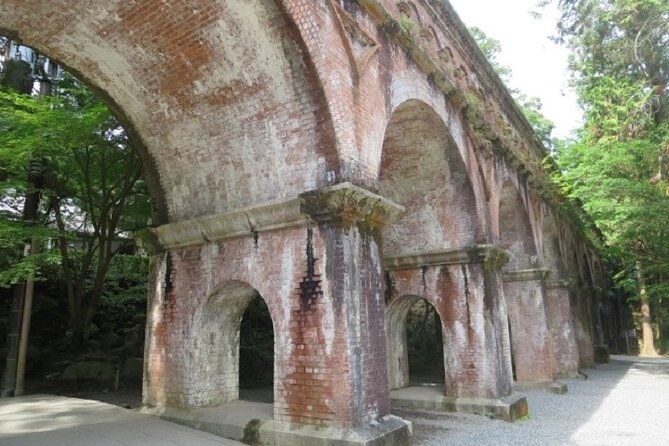
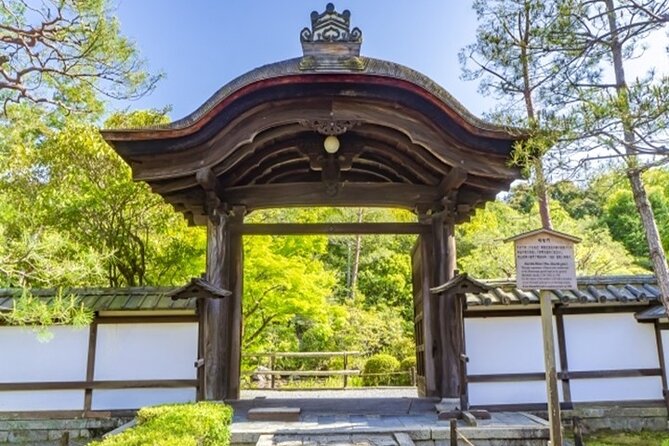
At Nanzen-ji Suirokaku, you’ll see the Suirokaku Aqueduct, a Western-style brick structure inside traditional temple space. That mix matters philosophically because it raises a practical question the tour asks directly: what is the ideal landscape protection? Even though the structure is “Western-style,” it’s integrated into the temple setting, which gives you a reason to think about how Japan absorbed and reorganized outside influences.
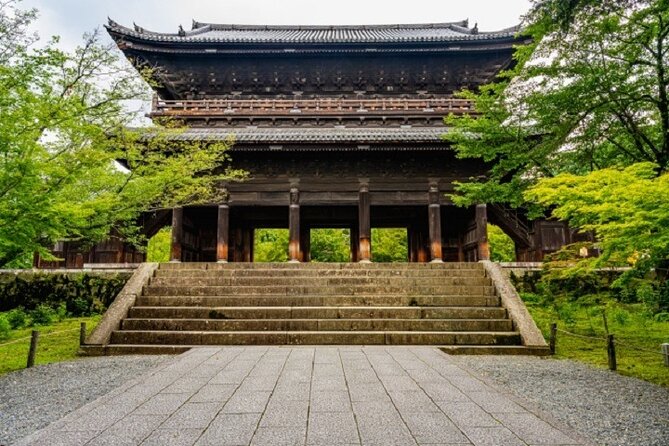
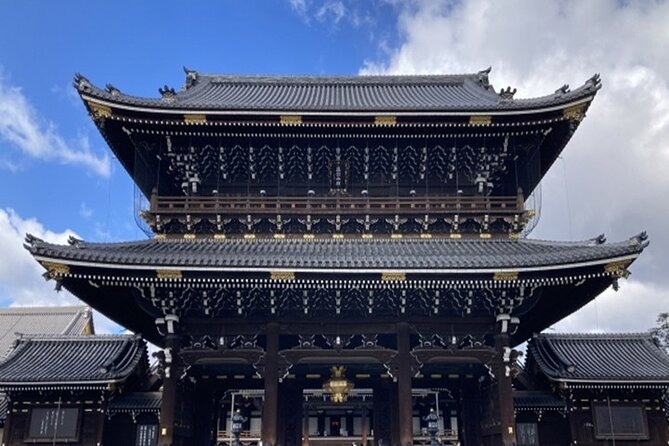
Then comes the Sanmon Gate, explained through a core Buddhist idea: the theory of enlightenment. The gate is described as representing three steps to liberation, which makes the architecture feel less like decoration and more like an image of a process. This stop is shorter (about 15 minutes), and admission is not included.
Finally, you reach Konchi-in, a Zen temple famous mainly among history-minded locals. The focus here is on what an authentic Zen garden looks like—basically, how Zen aesthetics can communicate a way of seeing. If you like the moment where you stop thinking of gardens as “pretty” and start thinking of them as arranged ideas, this is the pay-off.
Konchi-in is about 30 minutes, and admission is also not included. It’s a good ending segment because it turns philosophical conversation into something you can point to: the garden is the argument you can watch in real time.
You can also read our reviews of more private tours in Kyoto

Pace, stairs, and getting around in 6.5 hours
This is a 6.5-hour private tour with a realistic rhythm. About an hour is set aside for lunch, and about 1 hour and 45 minutes goes to backstreet walking around the spots plus public transportation. That structure matters because Kyoto’s temple areas aren’t one straight line. You’ll need time not only for the sights, but for getting your bearings and moving between them without stress.
You’ll also face a physical reality that’s easy to miss when you only read “walking tour.” One part of the route includes a two-story building with only stairs. Most travelers can participate, but if stairs are a deal-breaker for you, consider bringing that up when booking.
The walking is about one mile total, so it’s not a marathon. Still, temple days come with uneven ground, crowds near famous sites, and the kind of stop-and-go that requires decent stamina. Think: comfortable shoes, water, and a light layer you can adjust when you’re outdoors for long stretches.
The tour ends back at the meeting point, so you’re not left scrambling afterward.
Price and value: what you pay beyond the $230
The price is $230 per person for a private 6.5-hour experience. At that rate, you’re not paying for “more tickets.” You’re paying for the guide time, the specialized training, and the conversion of temple time into something intellectually satisfying.
On top of the tour price, you should plan for:
- Entrance fees: about ¥1,600 per person, paid in cash (this helps cover temple entries that aren’t free on the day)
- Public transportation: about ¥750 per person
- Lunch: at your expense
That cash note is practical. If you prefer card payments, this tour is still doable, but you’ll want to plan ahead and bring yen. The day includes some free admissions and some paid ones, so the provider groups it into one straightforward cash estimate.
Also, you’ll get a mobile ticket included. That usually helps with smoother check-in and reduces time spent hunting for paperwork.
In value terms: if you’re the type who likes deeper meaning and good questions, this can be a strong use of your Kyoto time. If you mainly want quick photos and a list of must-sees, the philosophy focus might feel like extra work.
Who this private Kyoto walk is best for
This tour fits best if you’re one of these:
- You enjoy religion and philosophy as living ideas, not just dates and labels
- You like conversation and want explanations tied to what you’re standing next to
- You want a Kyoto route that goes beyond the standard checklist, using smaller stops and context
- You’re planning a day where you’d rather understand a place than simply “see” it
It also helps if you appreciate structure. Each stop comes with a question that keeps the day coherent. And because the format includes dialogue, you can steer the discussion toward what you personally care about—Zen practice, Shinto belief, or how Japanese thinkers responded to Western philosophy.
If you’re traveling with someone who prefers quiet sightseeing, this could be a mixed experience. The guide’s approach is interactive, so the day works best when at least one person in the group is excited to ask why things are the way they are.
Should you book this Philosopher’s Path tour?
I’d book it if you want Kyoto to feel like more than a photo album. The combination of a trained philosophy researcher, a private pacing style, and a route built around big ideas makes this a memorable use of time. The day also stays practical: you’ll get time for lunch, you won’t be walking endlessly, and you’ll cover both famous and lesser-frequented spiritual spots.
Skip it if you’re rushing through Kyoto for “hits,” or if you can’t handle stairs. Also, be ready to carry yen for temple fees and transportation, since that’s part of the experience cost on the ground.
If your goal is to leave Kyoto with clearer thinking—not just clearer pictures—this is a smart match.
FAQ
How long is the Kyoto Philosophy Walk with Philosopher?
The tour lasts about 6 hours and 30 minutes.
Where does the tour start?
It starts at Bus Ticket Centre / Information Centre at 902 Higashishiokōjichō, Shimogyo Ward, Kyoto, 600-8216, Japan.
Where does the tour end?
The tour ends back at the meeting point.
What’s included in the price?
The guide fee is included, and a mobile ticket is included.
Are temple entrance fees included?
No. Entrance fees are not included, and you should prepare cash of about ¥1,600 per person.
What about lunch and food?
Lunch is not included, so you’ll pay for all food and beverages on your own.
Do I need to pay for public transportation?
Yes. Public transportation is not included and is estimated at about ¥750 per person.
How much walking is involved?
The tour includes walking on the path for about one mile.
Is this a private tour?
Yes. It’s private, so only your group participates.