Kyoto at 8:00 am changes everything. This small-group walk trades peak-hour crowds for quieter sacred spaces, plus clear explanations of how religion, ritual, and everyday culture connect. You’ll move at a slower pace and get the kind of context that helps the places make sense, not just look pretty.
I especially liked the Shimogamo Jinja setting: a UNESCO-listed shrine where the forest walk feels calming instead of rushed. I also loved what you’ll find at Sanjusangendo Temple, with its famous hall of 1,001 statues of Kannon and other guardian figures.
One thing to consider: most of the time here is walking, and there are separate entrance fees for parts of the route, since you’ll pay for specific temple/garden entries on-site.
In This Review
- Key highlights you’ll feel right away
- Kyoto’s 8:00 am rhythm: why this tour feels calmer
- Shimogamo Jinja: a UNESCO shrine walk that actually cools you down
- Sanjusangendo Temple: facing Kannon’s 1,001 statues in the same hall
- Tofuku-ji Temple: Rinzai Zen and a Zen garden you pay to enter
- Price and value: what $97.55 really covers
- Getting your body and schedule ready for the walk
- The route logic: how these three stops work together
- Who should book this Kyoto off-the-grid Zen-style walk
- Should you book this one?
- FAQ
- How long is the Kyoto experience?
- What does the tour cost?
- Where do I meet the group?
- Where does the tour end?
- Is the group size large?
- Are entrance fees included?
- What are the entrance fees for Sanjusangendo and the Zen garden?
- Is water provided?
- What’s the fitness level requirement?
- What happens if weather is bad or the minimum number of people isn’t met?
Key highlights you’ll feel right away
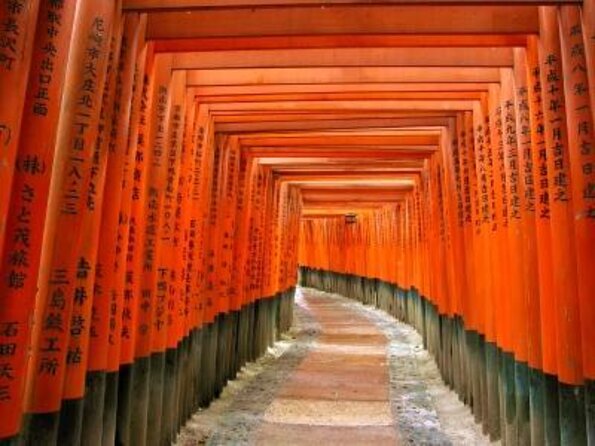
- Early start to beat the crowd crush, so the shrines feel quieter and easier to enjoy
- A small group size (max 8), which makes it practical to ask questions and keep a relaxed pace
- UNESCO Shimogamo’s sacred forest, a cool, shaded walk that instantly resets your day
- Sanjusangendo’s 1,001 Kannon statues, plus additional guardian deities in the same powerful setting
- Tofuku-ji’s Rinzai Zen connection, including a Zen garden visit with a separate entry fee
- English-speaking local guidance, so you’re not just reading signs—you understand what you’re seeing
Kyoto’s 8:00 am rhythm: why this tour feels calmer
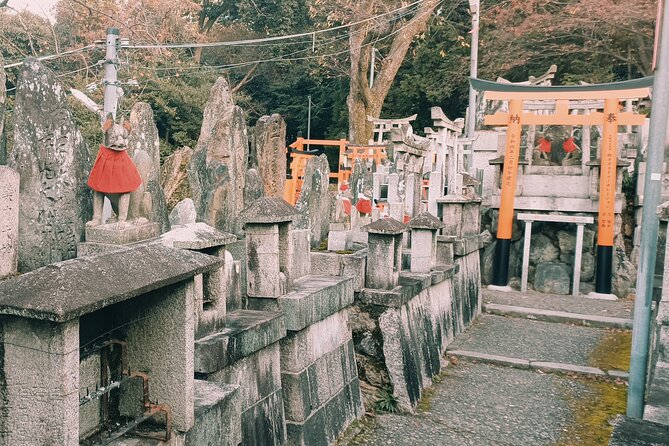
Kyoto is at its most dramatic in the early hours, and this route leans into that reality. You start at 8:00 am, and you’ll be walking while many other people are still catching up with their day. That alone makes the experience feel more personal and less like you’re queuing through history.
You also get a slower pace than the fast “grab a photo and go” style. The tour is built around meaningful stops, with time to observe and listen, not just pass through. With a maximum of 8 people, the group stays manageable, and the guide can keep things smooth without rushing the whole group through.
Practical note: the start point is McDonald’s – Shichijo Keihan (229 Hiyoshichō, Higashiyama Ward). The walk ends near Tofukuji Station, in front of Family Mart (12 Chome Honmachi, Higashiyama Ward). That helps you connect easily to the rest of your day.
You can also read our reviews of more tours and experiences in Kyoto.



Shimogamo Jinja: a UNESCO shrine walk that actually cools you down
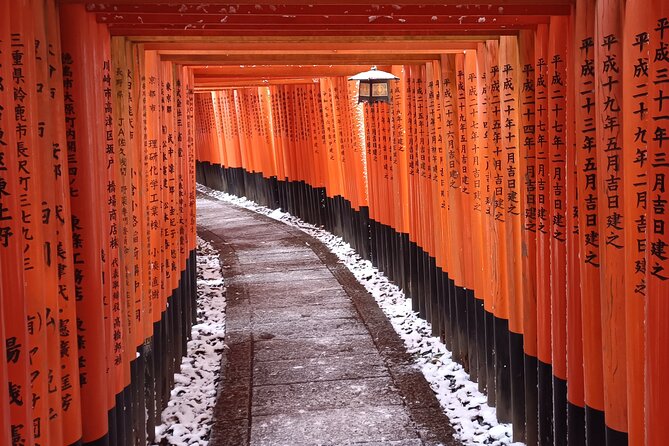
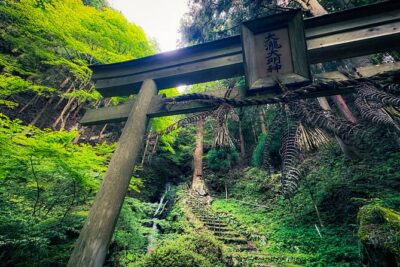
Shimogamo Jinja is one of those Kyoto places that feels like it’s been waiting for you. As a UNESCO World Heritage Site, it carries real weight, but what you experience first is simpler: the quiet, sacred forest path.
This stop is about an hour, and the good news is the admission ticket is free. That makes it easy to enjoy without worrying about extra costs before you even get rolling. The most important part is the atmosphere—walking through the ancient forest that protects the shrine area, away from the noise of Kyoto’s busiest tourist zones.
What I found helpful here is that the guide’s explanations make the forest feel purposeful, not random. You’re not just looking at trees and moss; you’re learning why people treat this space with respect and what the shrine symbolizes in the broader religious culture. It’s a strong opening stop because your brain is fresh from the morning start.
What to watch for:
Aim to slow down your steps for the forest sections. If you’re only thinking about the destination, you miss half the value. Let the greenery and the walkway set the tone before you move on.
Sanjusangendo Temple: facing Kannon’s 1,001 statues in the same hall
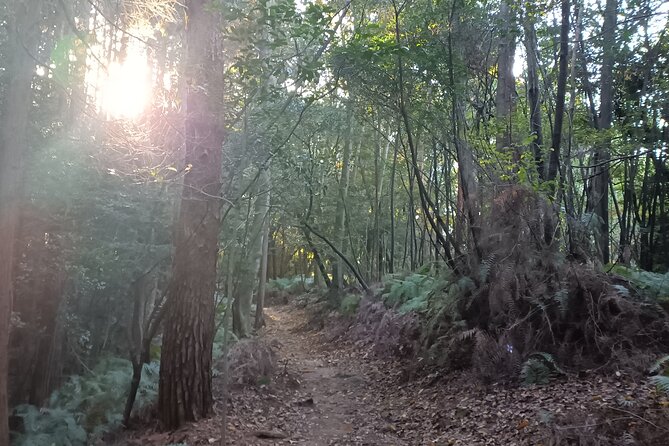
Sanjusangendo Temple is where the tour earns its name in a hurry. This is the kind of place that can be hard to appreciate from outside—you really need to be inside the hall to understand the impact of scale and repetition.
You’ll spend about one hour here. Admission is not included, and you should expect an on-site entrance fee of ¥600 per person. Even if you arrive just curious, you’ll leave with a clearer idea of why this place is famous: the temple’s display includes 1,001 statues of Kannon, the Buddhist goddess of mercy, plus other guardian deities.
Here’s the practical advantage of having a guide: you’ll get help noticing patterns, not just counting statues. Kannon is the emotional and spiritual center of what you’re looking at, but the surrounding figures matter too. The result is a feeling of being surrounded by devotion—calm, focused, and a little overwhelming in a good way.
After the main hall attention, the tour also includes a peaceful change of pace with garden time: an East Garden Pond and a Strolling Garden. This is a nice reset between intense sights. If you’ve been walking since the morning, this part gives your feet and your brain a breather.
Possible drawback: this is still a temple visit, so plan on a steady amount of walking even within the stop. If you’re hoping for a lot of sitting and minimal movement, this stop may feel more active than you expect.
Tofuku-ji Temple: Rinzai Zen and a Zen garden you pay to enter
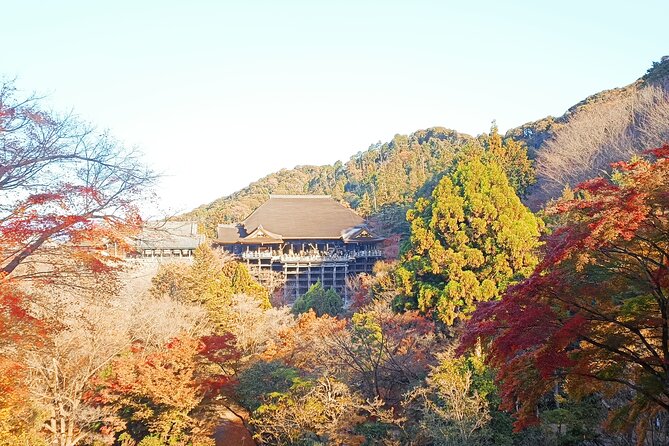
Tofuku-ji is one of Kyoto’s major Zen temple names, but the tour approach keeps it from feeling like a checklist. You’ll spend about two hours here, and the site is known for its Zen Buddhist focus as well as historic buildings.
Tofuku-ji was founded in 1236 and serves as the head temple of Rinzai Zen Buddhism. That matters because it frames everything you see after this point: gardens, worship spaces, and architectural choices are tied to how Rinzai Zen thinking shaped temple life.
You’ll also have the Zen garden component, with a separate Zen garden entrance fee of ¥500 per person. The value here isn’t just paying to enter a garden—it’s having someone explain how a Zen garden functions as a teaching tool. Even if you don’t know Japanese Buddhism terms yet, you can still experience the logic of space and stillness.
One reason I liked this stop is that it breaks up the tour’s emotional tone. Shimogamo starts quietly, Sanjusangendo hits you with scale and devotion, then Tofuku-ji brings you back to reflection and structure. The guide’s explanations help you feel the flow instead of treating each place as its own separate attraction.
Toofuku-ji is also famous for its autumn foliage, but you don’t have to wait for fall to enjoy the core experience. The temple’s significance and architecture are meaningful in any season, and the Zen garden visit makes it feel intentional rather than decorative.
Plan your photo time smartly: do your wide shots first, then linger once you understand what you’re looking at. If you keep rushing, you miss what Zen spaces are trying to slow down in you.
Price and value: what $97.55 really covers
At $97.55 per person for about 4 hours, this is a guided, small-group experience with English support. The included piece that truly matters is the experienced local guide with good command in English. That’s what turns temple visits from “seen it” into “I understand it.”
What’s not included is equally important for budgeting:
- Water and other drinks (and the note is no alcohol)
- Sanjusangendo entrance fee: ¥600
- Zen garden entrance fee: ¥500
Shimogamo Jinja admission is free, so you start with at least one cost-light stop. If you add up the paid entries provided here, you’re looking at roughly ¥1,100 in additional temple/garden fees. The exact yen total you’ll spend depends on payment timing and any minor onsite handling, but the numbers above are the ones you can plan around.
Is it a good deal? For me, it comes down to what you want:
- If you value early access, a quieter pace, and explanations that connect religion and culture, the guide value makes sense.
- If you’re mainly price-sensitive and you’d rather self-guide with audio apps, you might find cheaper options.
This route is priced like a thoughtful, structured walk. It’s not a bargain in the pure “low-cost” sense, but it’s fair for the time, guidance, and the combination of major sights plus quieter Kyoto energy.

Getting your body and schedule ready for the walk
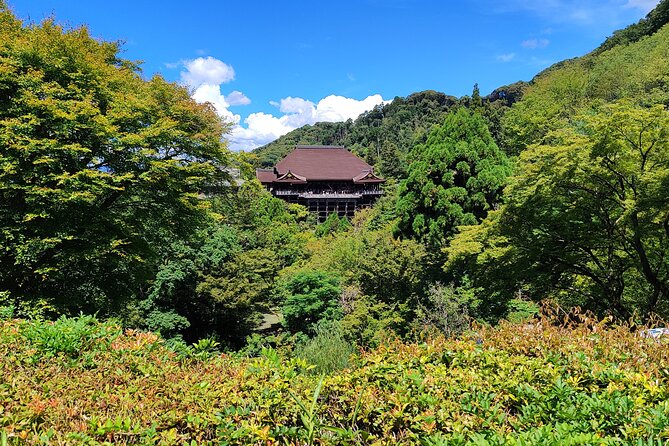
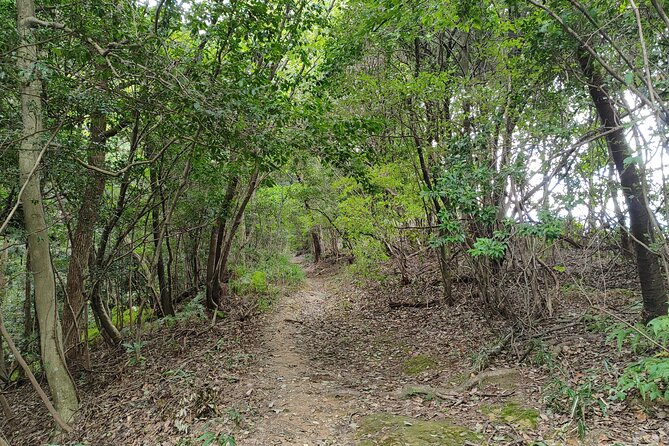
This tour calls for moderate physical fitness. It’s not the kind of day where you can fully avoid walking, and it also notes it’s not recommended for travelers with weak legs and joints. Since the route is multi-stop and timed, plan on steady movement rather than lots of long rests.
A smart approach is to wear comfortable shoes with good grip. Temple areas can mean uneven stone, garden paths, and shaded forest floors. Also bring a small pack so you can carry basics without feeling weighed down.
Because water isn’t included, I suggest buying it before the walk starts or carrying a bottle you refill if you can find safe options nearby. The tour’s drink note asks for no alcohol, which is a good rule of thumb in sacred spaces anyway.
If you’re sensitive to morning chill (especially near forest areas), bring a light layer. You’ll start early and then warm up gradually as walking builds.
The route logic: how these three stops work together
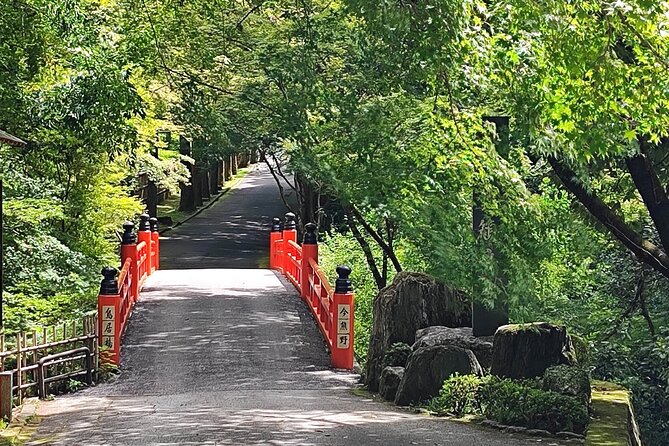
The itinerary has a clear emotional and cultural arc, even if you don’t think about it in those terms while you’re there.
- Shimogamo Jinja sets your mindset with forest quiet and reverence.
- Sanjusangendo raises the scale and focus, centering on Kannon and the power of many forms in one hall.
- Tofuku-ji shifts you into Rinzai Zen context, where stillness and garden space matter as part of the teaching.
That’s what makes this more than a list of attractions. You’re not just “doing temples.” You’re watching how different religious spaces communicate in different ways—through nature, through sculpture, and through garden design and Zen tradition.
And since the group is small and the pace is slower, you get enough time at each stop to feel the differences instead of rushing past them.
Who should book this Kyoto off-the-grid Zen-style walk
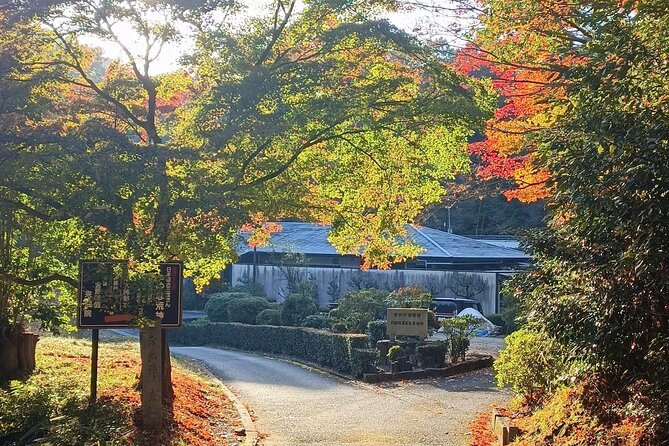
This tour fits best if you:
- want an early start and a calmer atmosphere than the major, crowded Kyoto circuits
- like learning cultural context, not just snapping photos
- enjoy walking through sacred spaces where the guide helps you understand what you’re seeing
- appreciate a route that combines a major temple experience with quieter shrine time
You might want to skip it if you:
- don’t handle walking well and would struggle with the moderate fitness level
- hate paying separate entry fees after buying the tour ticket
- want a highly flexible, free-form day with lots of unscheduled stops
Should you book this one?
I’d recommend booking if you want a thoughtfully paced Kyoto morning with an English-speaking local guide and a route that leans into smaller, quieter sacred spaces. The early start, the small group limit, and the mix of Shimogamo, Sanjusangendo, and Tofuku-ji give you variety without feeling scattered.
I’d pass if your priority is minimal walking or you’re uncomfortable with additional entrance fees. For everyone else who enjoys temples, Zen, and getting a real sense of Kyoto beyond the most crowded spots, this is a strong, practical choice.
FAQ
How long is the Kyoto experience?
It’s approximately 4 hours.
What does the tour cost?
The price is $97.55 per person.
Where do I meet the group?
You start at McDonald’s – Shichijo Keihan (229 Hiyoshichō, Higashiyama Ward, Kyoto). The meeting is in front of that location.
Where does the tour end?
It ends at Tofukuji Station, in front of Family Mart.
Is the group size large?
The maximum group size is 8 travelers.
Are entrance fees included?
No. Shimogamo Jinja is free, but Sanjusangendo and the Zen garden have separate entrance fees.
What are the entrance fees for Sanjusangendo and the Zen garden?
Sanjusangendo’s entrance fee is listed as ¥600 per person, and the Zen garden entrance fee is listed as ¥500 per person.
Is water provided?
Water and other drinks are not included.
What’s the fitness level requirement?
A moderate physical fitness level is recommended. It’s not recommended for people with weak legs and joints.
What happens if weather is bad or the minimum number of people isn’t met?
If canceled due to poor weather, you’ll be offered a different date or a full refund. If the minimum number of travelers isn’t met, you’ll be offered a different date/experience or a full refund.