REVIEW · KYOTO
Kyoto: Higashiyama Slow Cycling Tour along the quiet waterfront
Book on Viator →Operated by BROMPTON SLOW CYCLING TOURS · Bookable on Viator
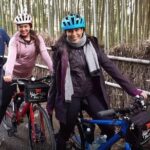
Kyoto slows down on two wheels. This Higashiyama slow cycling tour takes you along Kyoto’s quieter waterways on a stylish BROMPTON bike, with a navigator who helps you understand what you’re seeing as you go. You’re not just passing landmarks, you’re learning how water shaped the city and why these paths matter.
What I like most: the ride itself runs on calmer streets and bike-friendly routes that feel gentler than hopping between sights on foot. And the best part is the local guidance, which helps you find quieter rhythms around places that otherwise get crowded fast.
One thing to consider: it’s still cycling for about 12 km over roughly 4 hours, so you’ll want a moderate physical fitness level, and the tour depends on good weather.
In This Review
- Key things that make this Kyoto bike tour worth your time
- Why riding Higashiyama along water feels calmer
- Your BROMPTON ride: what’s included and how it affects your day
- Meeting in Kyoto Gyoen territory, then easing into the river calm
- Stop 1: Kamogawa River (15 minutes, free)
- Shimogamo Jinja: UNESCO stillness and forest light
- Stop 2: Shimogamo Jinja (45 minutes, free)
- Philosopher’s Walk on the Lake Biwa Canal edge
- Stop 3: Philosopher’s Walk (30 minutes, free)
- Nanzen-ji and the famous Sanmon Gate story
- Stop 4: Nanzen-ji Temple (30 minutes, not included)
- Suirokaku: the brick aqueduct that still matters
- Stop 5: Nanzenji Suirokaku (30 minutes, free)
- Keage Incline: preserved industrial heritage and cherry blossom vibes
- Stop 6: Keage Incline (30 minutes, free)
- Kyoto Gyoen National Garden: imperial grounds without the museum feeling
- Stop 7: Kyoto Gyoen National Garden (1 hour, free)
- Price and value: what you really pay for
- Who this Kyoto slow cycling tour is best for
- Quick practical tips for a smoother ride day
- Should you book this Kyoto Higashiyama slow cycling tour?
- FAQ
- How long is the Kyoto Higashiyama slow cycling tour?
- How far do you cycle?
- What kind of bicycles are used?
- What is included in the tour price?
- Is the entrance fee for Nanzen-ji Temple included?
- Where does the tour start and what time?
- What is the maximum group size?
- What fitness level do you need?
- What extra fees should I expect?
Key things that make this Kyoto bike tour worth your time
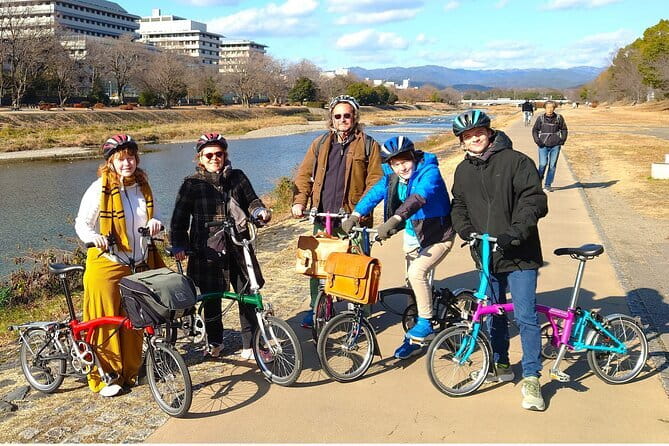
- BROMPTON bikes: stylish, provided for you, and ideal for slow, steady sightseeing
- A navigator who knows the area: practical route choices and context while you ride
- Waterfront-focused pacing: calm riverside and canal-adjacent sections that change the mood of Higashiyama
- Temples plus engineering sights: Nanzen-ji and the brick aqueduct Suirokaku are both on the route
- Seasonal photo stop: Keage Incline is especially known for its cherry blossom lining
- Small group size: capped at 6 travelers, which keeps the pace comfortable
Why riding Higashiyama along water feels calmer
Kyoto can be a lot. Streets get tight, lines form, and your time evaporates between major sights. This tour changes the tone by putting you on a slow bike loop that keeps returning to water—rivers, canals, and the areas shaped by them.
You’ll start on the Kamogawa River area, then glide through parts of northern Higashiyama where the light feels softer and the streets tend to be less frantic. The route is designed for an easy pace, with frequent stops long enough to actually look around—not just snap a photo and move on.
And you’re not cycling in a vacuum. The navigator ties the scenery to culture and practical history, so the day feels coherent. Instead of wondering why one gate is famous or what a canal section had to do with the city, you get the story while you’re still nearby.
You can also read our reviews of more cycling tours in Kyoto
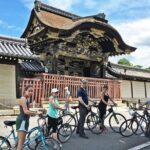
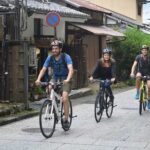
Your BROMPTON ride: what’s included and how it affects your day
This is one of those tours where the “logistics” work for you. You don’t need to bring anything for the bike setup. The package includes bicycle rental, a helmet, and equipment like bags for wheeled transport, plus the navigator’s fee.
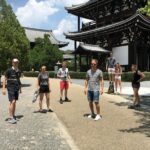
You also get a mobile ticket, and the group is small—maximum 6—which matters more than you’d think. With fewer people, your stops feel less like a checkout line. The pace stays steady, and it’s easier for the navigator to help you adjust your rhythm.
The cycle distance is about 12 km over roughly 4 hours. That’s not a race, and it’s not meant to feel like exercise. It’s more like guided sightseeing with wheels, which is why this tour lists moderate physical fitness as the target.
Meeting in Kyoto Gyoen territory, then easing into the river calm
You meet at Demachiyanagi Station (32-1 Tanaka Kamiyanagichō, Sakyo Ward, Kyoto), starting at 10:00 am. The tour ends back at the same meeting point, so you don’t have to plan a tricky finish.
The opening section matters, because it sets your body and your expectations. You’ll begin near the Kamogawa River, which runs through the center of Kyoto. Even on a tourist day, it’s one of the places where the city can still feel like it has a pulse instead of a crowd.
Stop 1: Kamogawa River (15 minutes, free)
This is a quick orientation stop, not a long stop for lingering. You’ll get a chance to settle into the ride, then take in the river setting right away—nature threading through the middle of the city.
Why it’s worth it: starting here helps you understand how water shapes the city’s layout and movement. It also gives you a mental reset before you head toward quieter shrine and temple areas.
Potential drawback: because it’s only about 15 minutes, you won’t get deep-time views here. If you want long river breaks, you may need a later solo walk.
Shimogamo Jinja: UNESCO stillness and forest light
After the river, you move toward Shimogamo Jinja, north of the Kamogawa River delta. This is a shift from open water views to layered greenery and shrine atmosphere.
Stop 2: Shimogamo Jinja (45 minutes, free)
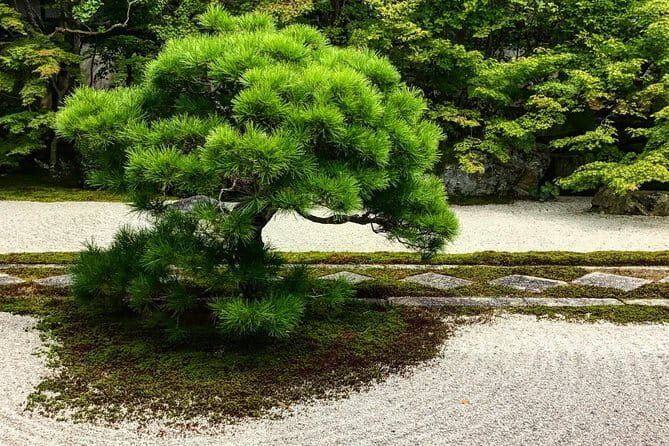
Shimogamo Jinja is a UNESCO World Heritage Site. The tour schedule gives you enough time to slow down and actually take in the setting. You’ll also get time to experience the Tadasunomori forest area—where light filters through trees—creating a calmer feeling right in the middle of Kyoto.
Why I think this stop works in a bike tour: you’re not fighting foot traffic to get there. The ride brings you close, and your time on site feels intentional instead of rushed.
Possible consideration: shrines and temple grounds involve walking on uneven surfaces at times. This is still very manageable, but it’s not the kind of stop where you can stay entirely on flat pavement.
Philosopher’s Walk on the Lake Biwa Canal edge
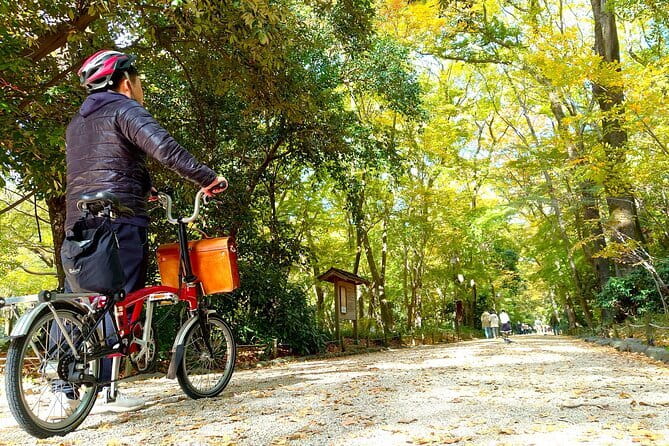
Then comes a famous Kyoto path, but you’ll experience it in a different way because you’re cycling into it rather than arriving as a pure foot tourist.
Stop 3: Philosopher’s Walk (30 minutes, free)
The Philosopher’s Walk is along the Lake Biwa Canal at the foot of Mount Higashiyama. It’s called the Philosophy Path because philosophers strolled there for contemplation—so the vibe is about quiet thinking more than sightseeing speed.
In a bike tour, this works well because you get exactly the right amount of time: long enough to walk and look, but short enough to keep your energy for the larger temple section later.
Potential drawback: 30 minutes can feel brief if you like photo stops or slow strolling. If you’re the type who wants to linger, plan to spend a few extra minutes for yourself either before or after the guided window.
Nanzen-ji and the famous Sanmon Gate story
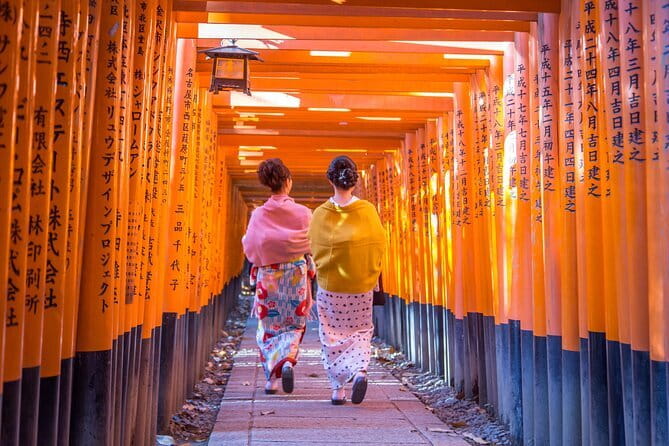
Now the tour moves into one of the big temple zones. Nanzen-ji is a Rinzai temple with prestige, plus it has a standout structure and garden setting that many visitors come specifically to see.
Stop 4: Nanzen-ji Temple (30 minutes, not included)
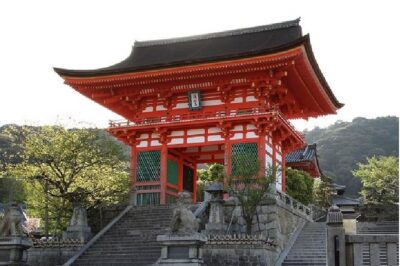
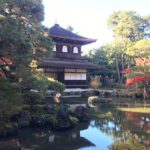
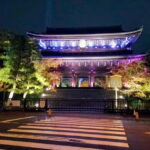
Nanzen-ji is described as the most prestigious of Japan’s Rinzai temples. It’s known for its garden and for the Sanmon Gate, which is featured in Kabuki plays.
Two practical notes:
1) The admission for Nanzen-ji is not included, so you should budget for it.
2) Even with just 30 minutes, the setting gives you enough time to orient yourself and see why it’s so often cited as a Kyoto highlight.
Possible drawback: because this is a major temple, you may still encounter busy moments on the grounds. The advantage of this tour is that your timing and route choices are designed around a slower overall pace, so you’re not always stuck in the loudest pockets.
Suirokaku: the brick aqueduct that still matters
Right after Nanzen-ji, you visit Nanzenji Suirokaku within the same precinct area. This stop shifts the focus from temple beauty to engineering history.
Stop 5: Nanzenji Suirokaku (30 minutes, free)
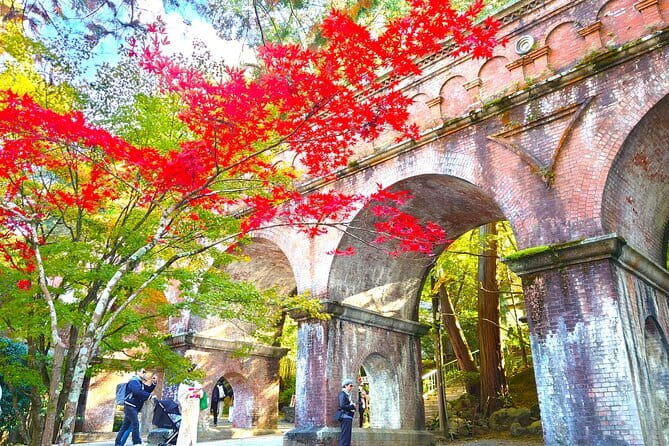
The Suirokaku is a beautiful brick aqueduct of the Lake Biwa River area, and it’s still in use today. The tour also notes that it played a major role in Kyoto’s modernization in the Meiji era.
Why this stop is a great addition: it’s one of those Kyoto sights that feels both old and practical. You’re not just looking at a decorative structure—you’re seeing a piece of infrastructure with a real function.
Potential drawback: if you’re only interested in temples and shrines and not in historical engineering, you might want a little extra time here on your own afterward. But if you like how cities actually work, this stop is a satisfying payoff.
Keage Incline: preserved industrial heritage and cherry blossom vibes
Then the tour moves to a preserved incline railway area, which brings a different Kyoto flavor—industrial history turned into sightseeing.
Stop 6: Keage Incline (30 minutes, free)
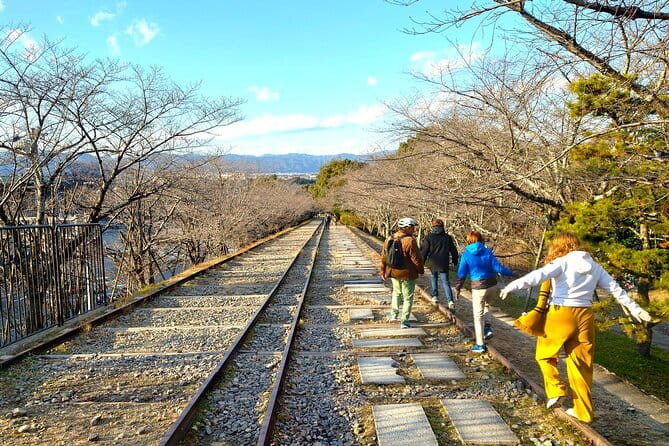
Keage Incline is an incline railway preserved as industrial heritage, and it’s especially known for being lined with cherry blossom trees. Even if your timing isn’t in peak blossom season, the structure and setting still make for a memorable photo stop.
Why it fits the day: you’ve already seen shrine quiet and temple grandeur. Keage is the contrast—more human-made angles, more historical function, and a different kind of Kyoto atmosphere.
Potential consideration: the cherry blossom angle is seasonal. The incline is still worth it without blossoms, but the most dramatic photos are naturally tied to when the trees are in bloom.
Kyoto Gyoen National Garden: imperial grounds without the museum feeling
Your last stop turns toward the Kyoto Imperial Palace grounds now maintained as a garden area.
Stop 7: Kyoto Gyoen National Garden (1 hour, free)
Kyoto Gyoen National Garden is tied to the Kyoto Imperial Palace, which was the residence of the Emperor of Japan until the middle of the 19th century. You get about one hour, which is a good window to walk, slow down, and let the day’s pace settle.
Why it works as a finish: after temple sites and scenic stops, the garden gives you room to breathe. You’re less likely to feel rushed, and the “ending back at the meeting point” structure keeps the day neat.
Possible drawback: if you love strict schedules and want a lightning-fast tour, one hour here is ample. If you prefer shorter final stops, this portion may feel like the most relaxing segment rather than the most active.
Price and value: what you really pay for
The tour costs $129 per person and is about 4 hours long with an approximate 12 km route. On average, it’s booked about 35 days in advance, so it can be smart to reserve earlier if you’re traveling in peak season.
Here’s the value logic that matters: you’re paying for a guided, equipment-supported cycling day. Included in the price are the bicycle rental, the exclusive navigator, and riding equipment like helmets and transport bags. That saves you hassle and keeps the day from becoming a DIY project.
What’s not included:
- Insurance fee: 500 yen
- Nanzen-ji Temple admission: not included
So your day cost is basically the $129 base plus those extras. If you were planning to visit Nanzen-ji anyway, this tour often feels like a good deal because the guide handles routing and pacing while you’re already in the neighborhood.
Who this Kyoto slow cycling tour is best for
This is built for people who want Kyoto without turning the day into a stamina contest. The tour specifically calls out that slow cycling is a good fit for people who are not confident about their physical fitness, as long as you have a moderate fitness level.
It also works well if you enjoy the small-scale details of travel: quiet streets, river and canal edges, and the kind of context that makes temple gates and aqueducts feel understandable instead of random.
If you’re traveling with someone who likes photos, this tour has a built-in visual advantage: the BROMPTON bike is a “camera magnet.” You’ll naturally stop in places where you can get clean angles, especially around the aqueduct and Keage Incline.
One more fit note: the group is max 6, which tends to be great for couples and solo travelers who want guidance without feeling swallowed by a big bus crowd.
Quick practical tips for a smoother ride day
- Be ready for a weather-dependent experience. If conditions are poor, the tour may be changed to a different date or you may receive a full refund.
- Plan your day around a 10:00 am start from Demachiyanagi Station and know the route comes back to the same place.
- Think of this as guided sightseeing on wheels: yes, you’ll ride, but the stops are the main event.
- If you want lunch, the navigator can suggest restaurants during the tour based on your wishes.
Should you book this Kyoto Higashiyama slow cycling tour?
If you want Kyoto sights with a calmer pace, this is an easy yes. The biggest strength is how it mixes temples + water-shaped routes + local guidance while keeping you moving at a comfortable speed. The ride helps you see Higashiyama in a way that’s harder on foot, and the small group size keeps the day relaxed.
I’d skip it only if you’re unable to handle roughly 12 km of cycling over about 4 hours, or if you need a strictly schedule-heavy experience with no flexibility at all. Otherwise, it’s a solid choice—especially if you like quiet streets, river/canal scenery, and learning why each stop matters.
FAQ
How long is the Kyoto Higashiyama slow cycling tour?
It runs for about 4 hours.
How far do you cycle?
The distance is approximately 12 km.
What kind of bicycles are used?
You ride BROMPTON bicycles.
What is included in the tour price?
The included items are the bicycle rental fee, the exclusive navigator fee, and riding equipment such as helmets and bags for wheeled transport.
Is the entrance fee for Nanzen-ji Temple included?
No. Nanzen-ji Temple admission is not included. The other listed stops are free based on the tour details.
Where does the tour start and what time?
It starts at Demachiyanagi Station at 10:00 am and ends back at the meeting point.
What is the maximum group size?
The tour has a maximum of 6 travelers.
What fitness level do you need?
You should have a moderate physical fitness level.
What extra fees should I expect?
An insurance fee of 500 yen is not included, and Nanzen-ji Temple admission is also not included.