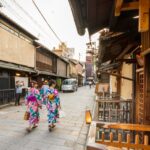
Tea and temples in one tidy walk. I like how this tour pairs Gion matcha culture with classic Kennin-ji in just 3.5 hours, and I also love the small group size that lets you ask the guide real questions. The one thing to plan for: the guide may speak softly, so try to stay close and you can always ask for repeats.
Between stops, you get a practical sense of how tea fits into everyday Japanese aesthetics, especially wabi-sabi. I also like that temple admission and the end-of-tour matcha workshop are handled for you, so you can focus on the moments, not paperwork.
Everything runs from a clear meeting point near Gion Shijo Station, and the tour uses a mobile ticket. If you’re sensitive to Kyoto’s weather extremes, bring a fan or layers, because this walk is on foot most of the time.
In This Review
- Key Things You’ll Notice on This Kyoto Tea and Temples Tour
- Meeting at Gion Shijo: Getting Oriented Without Maps
- Gion Matcha Start: Learning Tea Before You See Tea Places
- Kennin-ji Temple: A Classic Stop Without Ticket Headaches
- Craft Shops in Kyoto: Why Tea Culture Needs Real Objects
- Hidden Temple & Garden, Plus Raku Teacups
- End at Chayu: The Matcha Tea Ceremony That Uses Wabi-Sabi
- Price and Value: What $94.45 Actually Covers
- Pacing, Weather, and Timing in Kyoto
- Is This Tour for You?
- Should You Book The Way of Tea: Kyoto Crafts, Hidden Temples & Wabi-Sabi Walk?
- FAQ
- What is the duration of the tour?
- How much does the tour cost?
- What does the tour include?
- Are temple entrance fees included?
- Where do I meet the guide and where does the tour end?
- Is there an age limit for the tea ceremony?
Key Things You’ll Notice on This Kyoto Tea and Temples Tour
- Small group size up to 7: less crowding, more chances to ask questions
- Temple admission included for Kennin-ji, so you’re not hunting tickets
- Gion matcha shop stop focused on tea history and how tea is made
- Craft and ceramics time with a tea bowl shop featuring a raku teacup
- Hidden temple and garden visit that ties directly into the wabi-sabi lesson
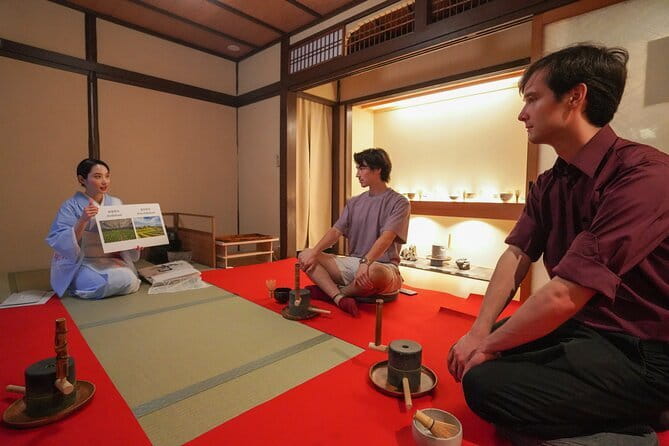
- Matcha ceremony in a real tea house (Chayu) with tea-master instruction and photos
Meeting at Gion Shijo: Getting Oriented Without Maps
This is the kind of Kyoto tour that saves you from the usual start-of-day chaos. You meet in front of the Statue of Izumo-no-Okuni, right outside Exit 5 of Gion Shijo Station on the Keihan Line, and your guide is easy to spot with an orange signboard.
That first moment matters. Kyoto is easy to get lost in, even when you think you’re doing fine. Here, you just walk. The guide sets the pace and keeps the group moving, and that means you spend your energy on what you came for: tea culture and temples, not navigation.
The tour also uses a mobile ticket. That’s not flashy, but it’s practical. You’re not digging through emails or trying to find the right paper at the wrong time.
You can also read our reviews of more walking tours in Kyoto


Gion Matcha Start: Learning Tea Before You See Tea Places
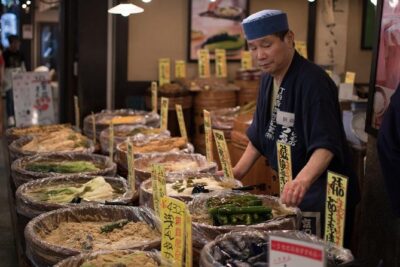
The tour begins by easing you into the tea story in Gion, one of Kyoto’s most recognized historic districts. The first stop lasts about 30 minutes and includes a visit to a matcha shop.
This isn’t a random storefront photo stop. You’re there to learn the basics: the history of Japanese tea, and how matcha is made. Even if you’ve had matcha before, this kind of quick primer can change how you taste it later. You start noticing the difference between tea that’s just a drink and tea that’s a ritual.
I like how the timing works. You’re early enough in the tour to still feel fresh, and you’re not yet worn out by walking. It’s a good way to set context before you hit temple grounds.
Possible drawback: since you’re in a busy district, the group may have to pause for pedestrian flow. That’s normal in Kyoto, but it can make the 30 minutes feel a touch shorter.
Kennin-ji Temple: A Classic Stop Without Ticket Headaches
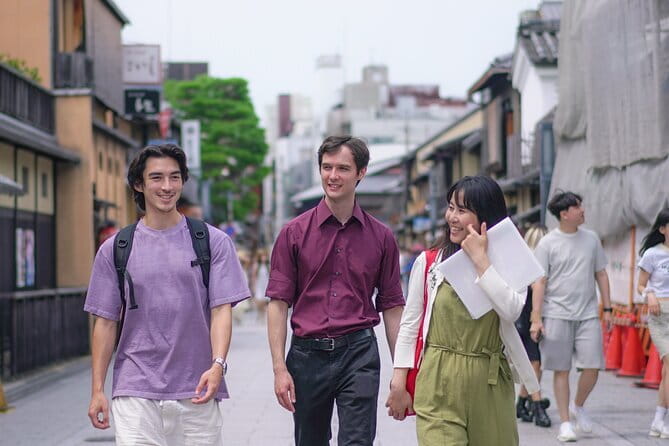
Next comes Kennin-ji Temple, with around 30 minutes on site. Temple admission is included, which is a big deal if you’ve ever tried to coordinate tickets while a tour group moves on.
Kennin-ji is the sort of place where simply slowing down changes the experience. You’re not rushing to see ten things. You’re being guided to see the temple as a living space—older than most tour schedules, and calmer than the streets outside it.
What I find valuable here is the guidance. A guide can point out the kinds of details you might otherwise miss, and they can give you a lens to read what you’re seeing. That becomes important later when the tour connects the physical atmosphere of temples to wabi-sabi thinking.
If you’re the type who likes to ask questions, this stop is a good window. It’s not so tightly timed that you can’t check in with the guide about what something means.
Craft Shops in Kyoto: Why Tea Culture Needs Real Objects
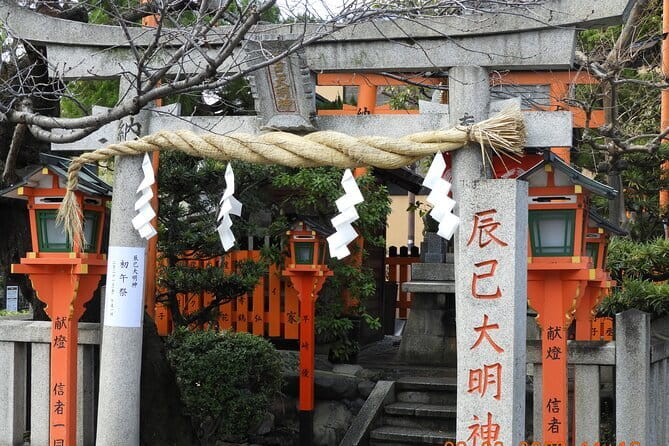
After Kennin-ji, you shift from temples to crafts. There’s a 30-minute stop at craft shops in the Kyoto area. This is the part of the tour that helps you understand why tea isn’t only about flavor.
Tea objects matter: tools, containers, ceramics, and the idea that everyday items can reflect care and character. The craft-shops time gives you space to look, compare, and ask what’s going on with the materials and styles you see.
This is also a good moment if you’re the shopper who doesn’t want to spend the whole day bargain-hunting. You get focused time, and your guide can point out what’s relevant to the tea world.
What to watch for: craft shops can vary in how much explanation is built into the experience. Even if you don’t buy anything, you’ll still benefit from listening to what the guide links back to tea habits and aesthetics.
Hidden Temple & Garden, Plus Raku Teacups
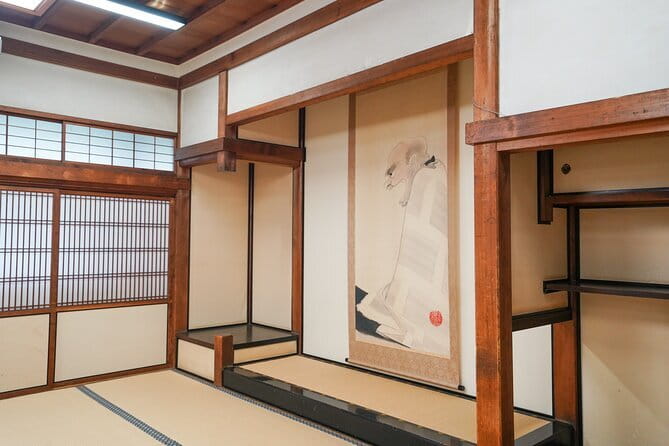
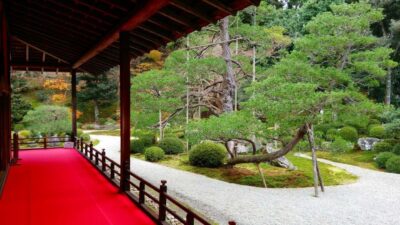
Then the tour adds a more peaceful ingredient: a hidden temple and garden stop, again about 30 minutes. This is where the scenery quiets down and you’re able to take in how gardens and temple spaces work together.
Right after that, you visit a tea bowl shop where raku teacups take center stage. This is one of my favorite parts of the whole concept. You’re not just learning about matcha in a theoretical way. You’re seeing how tea ware can embody the logic of imperfection and individuality.
The guide shares how each cup has its own character, history, and meaning. That line matters because it connects directly to wabi-sabi. Wabi-sabi isn’t only about finding beauty in wear—it’s also about accepting that handmade objects aren’t meant to look identical or flawless.
Even if you don’t know the technical side of raku, the tour gives you enough context to look more closely. You start noticing the marks, shapes, and the sense of time in the object.
Possible drawback: if you’re expecting long shopping time, this won’t be that. This is more of a guided meaning-and-observation stop than a browse-all-day stop. That’s good for focus, but plan accordingly.




End at Chayu: The Matcha Tea Ceremony That Uses Wabi-Sabi
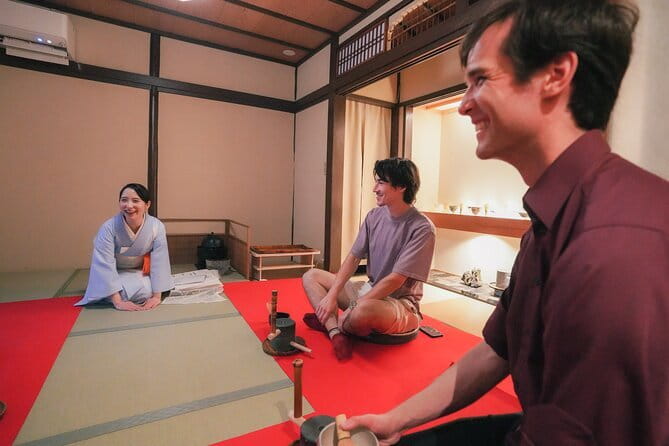
You finish with the centerpiece: the tea ceremony at Chayu, a traditional tea house. This part runs about 1 hour, and the admission is included.
You get tea-making instruction from a tea master. Then the tour ties it all back to what you learned during the earlier walk through wabi-sabi. In other words, you’re not just learning the steps of making tea. You’re practicing the mindset: slow attention, an appreciation for the object in front of you, and acceptance of the natural, imperfect character of tea things.
This is where your earlier stops make more sense. If you paid attention during the raku cup talk and the garden/temple atmosphere, the ceremony will feel less like a performance and more like a continuation of the same theme.
Practical note: you’ll drink matcha during the experience. If you’re sensitive to bitterness, take it slow. Matcha can taste intense if you drink it like you’re chugging a soda. The ceremony rhythm is part of the point.
One key restriction to plan for: the tea ceremony only accommodates participants age 6 and older. If you’re traveling with children younger than 6, one adult needs to accompany them outside the facility during the experience. Plan your family timing around that.
You’ll also get photos taken during the tour. That’s handy because tea ceremonies can be hard to photograph without getting in the way.
Price and Value: What $94.45 Actually Covers
At $94.45 per person for about 3 hours 30 minutes, the price looks reasonable when you account for what’s included. You’re paying for:
- an English-speaking local guide
- about two temple-adjacent stops plus crafts and a ceramics shop time
- entrance fees of 2 temples
- a full tea ceremony experience with a tea master
- photos taken during the tour
If you were to build this on your own, you’d likely spend time figuring out schedules and tickets, and you’d still need to book a tea ceremony separately. Here, the structure is done for you: you’re guided between places, and the ceremony portion is included rather than added on at the end.
Is it the cheapest way to see temples in Kyoto? No. But it’s also not a generic checklist. You’re paying for context—how to connect Gion matcha culture, temple spaces, and ceramics to wabi-sabi thinking—plus the hands-on tea-making.
Pacing, Weather, and Timing in Kyoto
This tour moves at a human pace, but it’s not a long, linger-forever kind of outing. Most stops are about 30 minutes, with the tea ceremony clocking in at about 1 hour. That means you’ll have time to look, but you won’t have unlimited wandering.
Your guide also starts on time, and you won’t be able to join late. That’s important in Kyoto, where it’s easy to underestimate walking time between points. Build a little buffer into your morning.
Weather matters here. Japan’s climate can swing hard: summers can hit up to 40°C (110°F) and winters can fall to -5°C (20°F). Bring what you need for comfort—water, sun protection, or warm layers—so you can stay present during the temple and ceremony moments.
Is This Tour for You?
This tour fits especially well if you want Kyoto to feel connected, not segmented. If you like the idea of learning about matcha culture and then seeing how tea ware and aesthetics show up in temples, gardens, and ceramics, you’ll enjoy the flow.
It also works nicely for people who don’t want to plan. The meeting point is clear, the guide handles admissions for temples, and the tea ceremony is already set.
If you’re the kind of visitor who prefers long free time in shopping areas, you might find the craft and tea bowl moments too short. But if you’d rather be guided toward meaning, the limited time is a strength.
Should You Book The Way of Tea: Kyoto Crafts, Hidden Temples & Wabi-Sabi Walk?
I’d book it if you want a guided Kyoto experience that actually links ideas together: matcha, temple calm, ceramics like raku teacups, and wabi-sabi in a hands-on tea ceremony.
Skip it only if you’re sensitive to hearing issues and hate group tours, or if you’re traveling with young kids who can’t participate in the ceremony area. Otherwise, this is a tidy, well-structured way to get real tea-culture time without turning your day into a logistics puzzle.
FAQ
What is the duration of the tour?
The tour is about 3 hours 30 minutes.
How much does the tour cost?
The price is $94.45 per person.
What does the tour include?
It includes an English-speaking local guide, temple entrance fees, a tea ceremony experience with matcha, and photos taken during the tour.
Are temple entrance fees included?
Yes. Entrance fees of 2 temples are included.
Where do I meet the guide and where does the tour end?
You meet in front of the Statue of Izumo-no-Okuni outside Exit 5 of Gion Shijo Station (Keihan Line). The tour ends after the tea ceremony experience in Kiyomizu (Higashiyama Ward).
Is there an age limit for the tea ceremony?
Yes. The tea ceremony can only accommodate participants who are 6 years old or older. Children younger than that can come with one adult who stays outside the facility during the experience.