REVIEW · KYOTO
Hiroshima and Miyajima 1 Day Tour for who own the JR Pass only
Book on Viator →Operated by H.I.S.Co., Ltd. · Bookable on Viator
One day, two worlds of Japan. Hiroshima’s story is heavy, but the route from Kyoto or Osaka feels very doable when a JR Pass is in hand. You get a private English guide and included entry at Itsukushima Shrine and the Peace Memorial Museum, plus local transit once you arrive.
I especially like two things: first, the pacing is realistic for a long day—shinkansen over in the morning and a clear return plan in the evening. Second, the guide work is practical, not just facts: in at least one case, Sachiko handled the travel details and helped with ferry logistics so you are not scrambling while you are tired.
One consideration: this is not a relaxed all-day wander. You have a structured schedule, early meeting times, and you still need to budget extras like the Miyajima ferry and meals.
In This Review
- Key points before you go
- JR Pass day trip logic: how this itinerary works
- Using the trains from Kyoto and Osaka without guesswork
- Miyajima first: Itsukushima Shrine and the torii-at-tide moment
- Your Miyajima break: lunch on your terms (and your budget)
- Hiroshima Peace Memorial Park: where the day turns serious
- Atomic Bomb Dome and the walk between meaning and space
- Guide value: the difference between facts and a real plan
- Price and value for JR Pass holders (what you’re really paying for)
- Who this tour fits best (and who might want something else)
- Should you book this Hiroshima and Miyajima day trip?
- FAQ
- Do I need a JR Pass for this tour?
- Where do I meet the guide?
- What time do I arrive in Hiroshima?
- Is the Miyajima ferry included?
- Are tickets included for Itsukushima Shrine and the museum?
- Is lunch included?
- Does the tour include Hiroshima Peace Memorial Park?
- How does the evening return work?
- What happens if weather is poor?
Key points before you go
- JR Pass-friendly shinkansen: you use your pass for the Kyoto/Shin-Osaka to Hiroshima trains (tickets are not included).
- Private English guide: your group only, with support for highlights and route decisions.
- Two included admissions: Itsukushima Shrine and the Hiroshima Peace Memorial Museum.
- Miyajima time with locals in mind: your guide may steer you toward quieter spots, not just the postcard path.
- Heavy history, but clearly framed: Peace Memorial Park and the museum help you understand what you are seeing.
- Extra costs still apply: ferry fees and lunch are on you.
JR Pass day trip logic: how this itinerary works
If you own a JR Pass, this tour is basically built for you. The spine of the day is the same: a morning shinkansen ride to Hiroshima, a sightseeing block on Miyajima, then Hiroshima Peace Memorial Park and Museum in the afternoon, and finally the return trains back toward Kyoto and Osaka.
What makes it feel good for your planning is that the “big moves” are handled by rail timing and a guide. The tour includes transportation in Hiroshima city, which matters because once you are off the train, you still need the right local legs to reach the places you care about.
The tour is also set up for visitors who want structure. You do not have to assemble the whole plan yourself, but you still get time to experience each site instead of doing the old stop-and-sprint routine.
You can also read our reviews of more tours and experiences in Kyoto


Using the trains from Kyoto and Osaka without guesswork
You start early, and you should. The meeting is either at Kyoto Station or Shin-Osaka Station, and both are set at 7:30 am at the Shinkansen Central Gate area.
From Kyoto, the shinkansen listed is Hikari 533 departing at 8:00 am to Hiroshima Station. From Shin-Osaka, it is Sakura 545 at 8:04 am, also to Hiroshima Station. You arrive around 9:33 am, which gives you enough daylight for Miyajima before the afternoon history stops.
On the way back, the schedule is similarly clean. Hiroshima to Shin-Osaka is Sakura 564, leaving 17:52 and arriving 19:21. Then Shin-Osaka to Kyoto is Hikari 666, leaving 20:21 and arriving 20:34.
Practical takeaway: if you are trying to travel on your own, this timing can be a headache. Here, you are basically buying a guided timing plan, with the guide helping you keep the transfers and meeting points straight.
Miyajima first: Itsukushima Shrine and the torii-at-tide moment
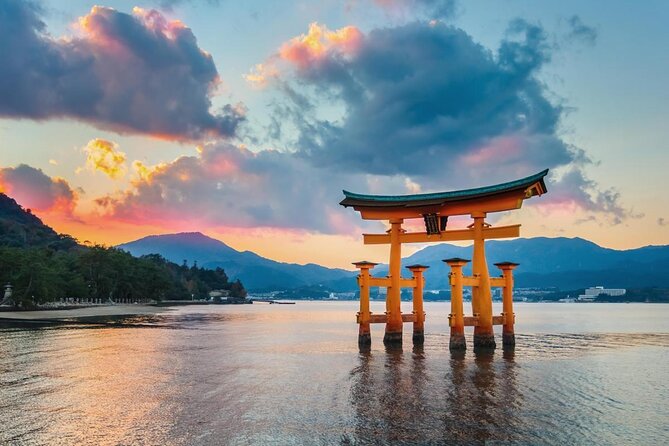
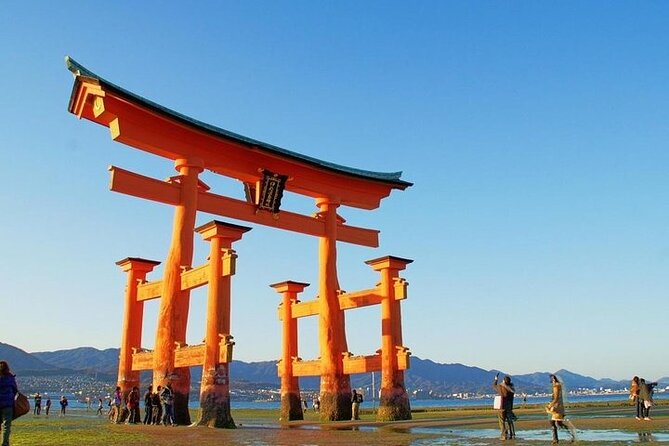
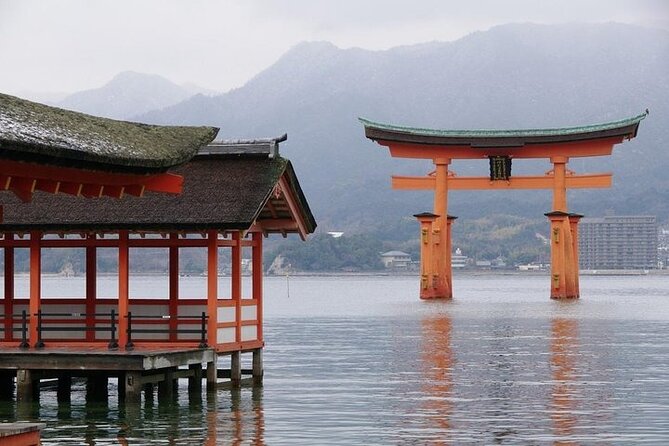
Miyajima is less than an hour outside Hiroshima city, but it feels like another planet. The island is famous for the sight of the giant torii gate at high tide, when it looks like it floats on the water. Even if you already know the photo, seeing it in real time helps you understand why people come back again and again.
The main stop is Itsukushima Shrine. The shrine is centuries old and is tied directly to the island’s name, Itsukushima. The tour includes the admission ticket here, so you do not have to deal with that extra step mid-day.
What you should expect: the scenery is the headline, but the shrine grounds are also a lesson in how Japanese sacred spaces work with the landscape. The guide can point out what to look for so you spend time where it matters, not just where it is busiest.
Potential drawback: Miyajima can be a time crunch on a day trip. Your schedule typically places you there in the morning and keeps you moving. So if you want long hikes or multiple temples, you may feel a bit rushed unless you prioritize carefully.
Your Miyajima break: lunch on your terms (and your budget)
Lunch is free time, and lunch is on you. That sounds like a small detail, but it affects how you should pack your day.
You can use the break to do one of two smart things:
- Eat near where you are walking, so you do not lose time backtracking.
- Or wait until you find a spot your guide suggests, especially if your group prefers something simple and local.
One review notes that Sachiko took the group to a local spot on Miyajima that is mostly frequented by locals. That is exactly the kind of value you are paying for with a private guide: you get help finding options without turning it into a mission.
If you are sensitive to crowds, remember that Miyajima is a popular day trip destination. A guided plan helps you manage the order of sights so you are not stuck waiting.
Hiroshima Peace Memorial Park: where the day turns serious
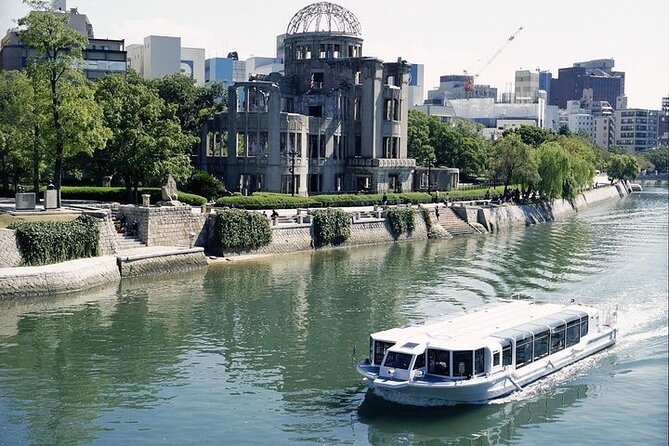
By early afternoon, the tone changes. You head from Miyajima to Hiroshima Peace Memorial Park and Hiroshima Peace Memorial Museum. This is not sightseeing in the usual sense. It is a guided visit to memorial spaces that explain a real, world-changing event.
The included sites matter because they are not just visuals. The museum is the place where the story becomes clear: the museum opened in 1955, and it is designed by architect Kenzo Tange. The stop includes admission, so you do not need to purchase entry separately.
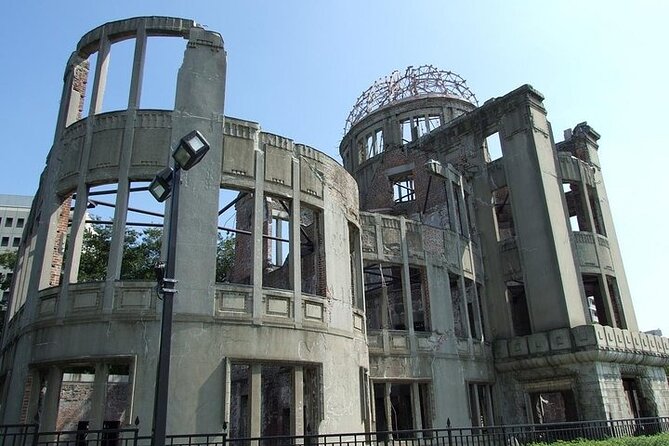
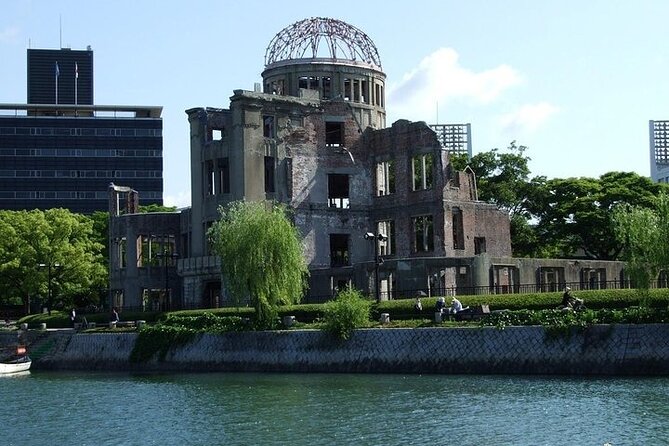
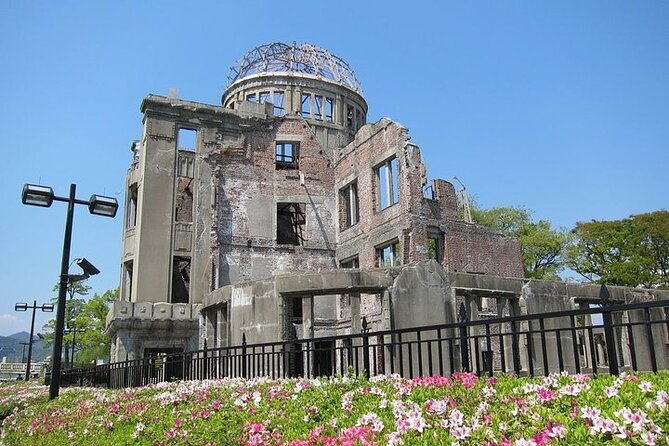
A key detail you will likely hear in your visit: on August 6, 1945, at 8:15 am, the first atomic bomb in human history was dropped on Hiroshima. The Atomic Bomb Dome was located almost directly underneath the explosion, yet it avoided destruction in the way you might expect—leaving the dome as a shocking witness for later generations.
For me, the value here is that the guide can keep the visit from feeling like random information. You are given a path and an explanation, so you can connect what you see to what it means.
Possible consideration: this part of the day is emotionally heavy. If you are traveling with kids or someone sensitive to history content, plan your pace and ask your guide how much emphasis to place where.


Atomic Bomb Dome and the walk between meaning and space
The tour’s outline includes time for Peace Memorial Park sights and the museum, and the dome is part of the story you will encounter around the memorial area.
Here is the practical advice I would give you: do not rush your first look. The park setting gives you space to process what you are seeing, and the museum helps you make sense of why the dome still exists in that form.
The dome itself is not a “museum exhibit you can touch.” It is a real structure preserved from a catastrophe. That changes how you should view it. You will get more out of the experience if you treat the dome as a moment of reflection, then let the museum fill in the details afterward (or vice versa, depending on how your guide sequences things).
Guide value: the difference between facts and a real plan
A private English guide is the main upgrade here. Not just translation—direction.
In the reviews, Sachiko is highlighted as a strong example. She spoke English fluently, helped the group with travel and the ferry ride to Miyajima, and kept pointing out highlights while sharing stories during the tour. Another review specifically notes WhatsApp communication for arrangements, which can be a lifesaver if you are trying to navigate timing without anxiety.
That kind of guide support is what helps you get through a day like this without losing momentum. You are dealing with shinkansen, local transit, and an island connection. When someone can help you coordinate, you spend your energy on the sites—not on figuring out where to be and when.
Also, the tour description allows flexibility. If you want to skip a stop, you can. If you request added spots, you pay ticket fees on the spot (and there may be extra transportation). That flexibility is useful if your group’s interests shift mid-day.
Price and value for JR Pass holders (what you’re really paying for)
$343.36 per person is not cheap on the surface. But for JR Pass holders, it can feel more reasonable because you are not paying for the big shinkansen legs. Your JR Pass covers the Kyoto/Osaka to Hiroshima rail portion.
What you are paying for is the guided day plus key included entries:
- Private English guide from Kyoto/Osaka
- Public transportation in Hiroshima city
- Admission tickets at Itsukushima Shrine and the Peace Memorial Museum
And you are saving your own time. Building an itinerary that coordinates shinkansen timing, ferry access, memorial pacing, and museum entry is work—even if you are a confident planner.
Where you should be careful: ferry fees and meals are not included. So your real budget is the tour price plus:
- Miyajima round-trip ferry fee
- Lunch and dinner
If you like private guidance, want help with transfers, and you already have a JR Pass, this is a practical way to turn a complicated day into a managed experience.
Who this tour fits best (and who might want something else)
This tour fits best if you:
- Own a JR Pass and want a one-day Hiroshima + Miyajima plan
- Prefer a private English guide over self-planning
- Want included museum and shrine entry so you do not burn time on logistics
It may be less ideal if you:
- Want a slow, unstructured day
- Plan to do extra stops beyond what the schedule covers
- Are hoping the tour price includes everything (meals and the ferry are not included)
The schedule is tight enough that you should come ready to follow the flow. The upside is you get to see a lot without the stress of coordinating each step.
Should you book this Hiroshima and Miyajima day trip?
I would book it if you have a JR Pass and you want a guided day that covers the essentials with minimal hassle. The included admissions (Itsukushima Shrine and the Peace Memorial Museum) are real value, and the guide support seems to be the strongest part of the experience.
I would think twice if you hate early starts or you want total control over your exact timing on Miyajima and Hiroshima. Since lunch and the ferry are on your own dime, you should also budget for those basics.
If your priority is seeing Hiroshima Peace sites and Miyajima in one day without wrangling trains and crossings, this tour’s structure is built for that goal.
FAQ
Do I need a JR Pass for this tour?
Yes. This is designed for people who own a JR Pass, and you use it for the shinkansen between Kyoto/Shin-Osaka and Hiroshima.
Where do I meet the guide?
You meet at 7:30 am at Kyoto Station (Shinkansen Central Gate) or at Shin-Osaka Station (Shinkansen Central Gate).
What time do I arrive in Hiroshima?
The schedule lists arrival at Hiroshima Station at 9:33 am.
Is the Miyajima ferry included?
No. The round trip ferry fee from Hiroshima to Miyajima is not included.
Are tickets included for Itsukushima Shrine and the museum?
Yes. Admission tickets are included for Itsukushima Shrine and for the Hiroshima Peace Memorial Museum.
Is lunch included?
No. Lunch time is free, and you take lunch on your own.
Does the tour include Hiroshima Peace Memorial Park?
Yes. The itinerary includes Hiroshima Peace Memorial Park and the Peace Memorial Museum area.
How does the evening return work?
You return by train from Hiroshima to Shin-Osaka (leaving 17:52 and arriving 19:21), then Shin-Osaka to Kyoto (leaving 20:21 and arriving 20:34).
What happens if weather is poor?
The experience requires good weather. If it is canceled due to poor weather, you are offered a different date or a full refund.