REVIEW · KYOTO
4.5-hr Kyoto Historical Highlights Bike Tour with UNESCO
Book on GetYourGuide →Operated by MagicalTrip · Bookable on GetYourGuide
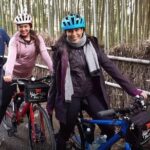
Kyoto feels calmer at bike speed. I like the way this tour mixes Kamo River cruising with real temple time at Kennin-ji, and I love that everything you need to ride is handled for you, including the bike and helmet. The one drawback to plan around: the guide can be a bit soft-spoken, so if you’re near the middle of the group, you may want to stay attentive to catch every explanation.
This is a 4.5-hour small-group ride (max 5 people) with an English-speaking guide, built for people who want structure without turning Kyoto into a checklist. You’ll cycle through atmospheric neighborhoods like Gion, learn what Zen culture looks like in practice, and end with a relaxing riverbank glide instead of a sprint to another “must-see.”
In This Review
- Key highlights worth caring about
- Kyoto by bike: why this 4.5-hour loop works
- Where you meet and how you get rolling near Kyoto Station
- Kamo River to Gion: getting the calm before the crowds
- Kennin-ji and Karesansui: Zen in a place you can actually see
- Nanzen-ji and Heian Shrine: temples plus breathing room
- Lunch in a traditional Kyoto house: soba, matcha, and choices
- Rental Bicycle KYOTO ECO TRIP: a quick guided bike reset
- Kamogawa/Kamo River finale: the Kyoto reset ride
- Price and value check: what $96 is really buying
- Bike rules, traffic reality, and what to bring
- Who should book this Kyoto UNESCO-linked highlights bike tour
- Should you book this tour or do it on your own?
- FAQ
- Where is the meeting point?
- How long is the tour, and is it a small group?
- Is the rental bike included?
- What is included in lunch, and can I request vegetarian or vegan?
- Which temple stop is the Zen highlight?
- Are headphones or smartphones allowed?
- What height requirement should I know about?
Key highlights worth caring about
- Start easy: you get a rental bike, helmet, and lock so you don’t burn time on bike logistics
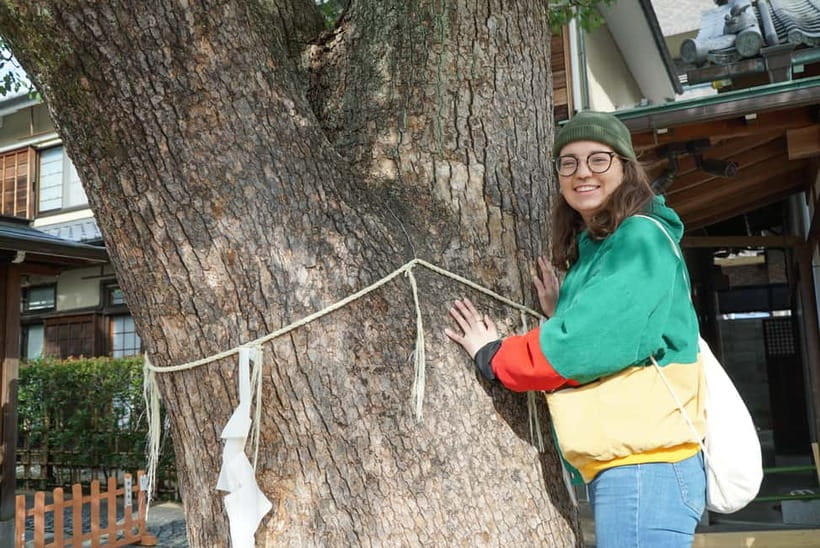
- Zen with a purpose: you’ll see Zen culture through Kennin-ji’s rock garden experience (Karesansui)
- More than big temples: Nanzen-ji adds scale and photo spots, and the route includes quieter local streets
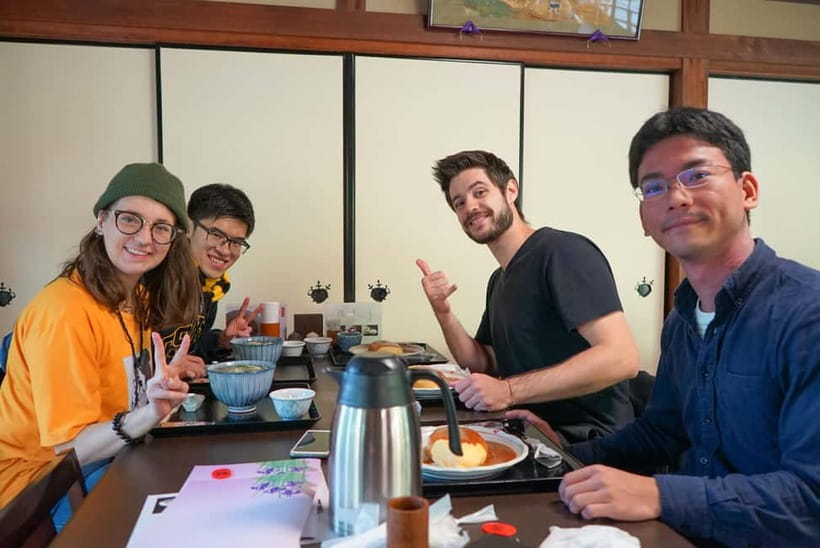
- Lunch in a traditional house: you’ll have soba with matcha and mochi-style sweets, plus dessert options like yatsuhashi nearby
- UNESCO-linked sites, paced well: the ride is timed so you’re not rushing from gate to gate
- Finish where locals breathe: the Kamogawa/Kamo River ride gives you that Kyoto calm at the end
Kyoto by bike: why this 4.5-hour loop works
Kyoto is one of those cities where the streets can feel quiet even when you’re in a big metro area. That’s the trick of this tour: you get the calm, but you still cover real ground. At 270 minutes, you have enough time to see multiple major historical stops and still take breaks that don’t feel like “standing around waiting for the next photo.”
I also like the small-group setup (up to 5). With fewer people, the guide can actually manage traffic transitions and keep the group together. And since the bike is included, you’re not hunting for rentals or dealing with last-minute figuring-out—this matters in Kyoto, where a smooth start can make the whole day feel easy.
One more practical point: this isn’t presented as a hardcore cycling workout. It’s an efficient way to reach temples and neighborhoods while keeping you fresh enough to enjoy the details at each stop.
You can also read our reviews of more cycling tours in Kyoto
Where you meet and how you get rolling near Kyoto Station
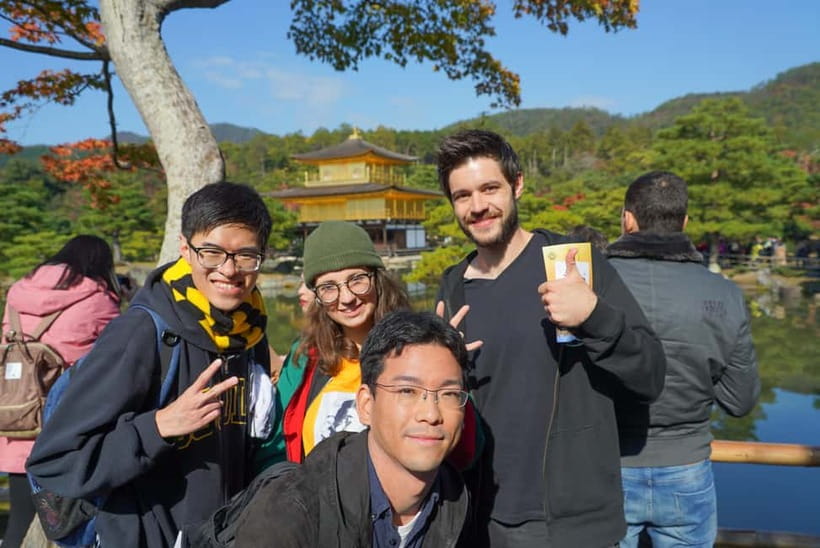
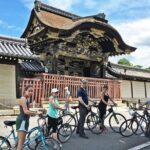
You meet in front of a 7-Eleven outside Exit Hachijo guchi of Kyoto Station. It’s next to Hotel Via Inn Prime, and the guide holds a Magical Trip sign.
That location is helpful because you can arrive from wherever you’re staying with minimal stress. You’re also starting with an easy win: the first cycling stretch follows the Kamo River. It sets the tone fast. You’re not immediately climbing hills or weaving through chaotic intersections; instead you’re getting your bike legs under you while Kyoto’s riverside scene wakes up.
Practical note: bring comfortable shoes. The walking is mostly temple-stroll and garden paths, but you’ll still want shoes you can trust on stone and indoor/outdoor transitions.
Kamo River to Gion: getting the calm before the crowds
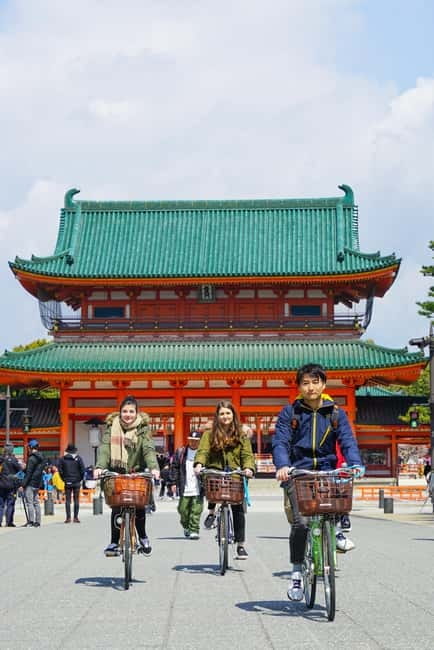
Cycling along the Kamo River at the start is a smart way to beat the pressure you can feel around Kyoto landmarks. You’ll glide by a setting that still looks and feels like everyday Kyoto—people moving at their own pace, the water acting like a natural corridor, and the city smoothing out as you ride.
Then the tour pushes you toward Gion, the famous old-geiko/geisha district atmosphere. You’re not just biking past it like a commuter lane. The idea is to help you understand what you’re seeing: why Gion looks the way it does, and what Zen and Japanese cultural traditions have to do with how Kyoto grew its identity.
This is also a good moment to remember a key rule: no headphones. You’ll be listening to the guide’s explanations while staying aware on roads. And yes, smartphone use while cycling is prohibited; you can use it when the bike is stopped.
Kennin-ji and Karesansui: Zen in a place you can actually see
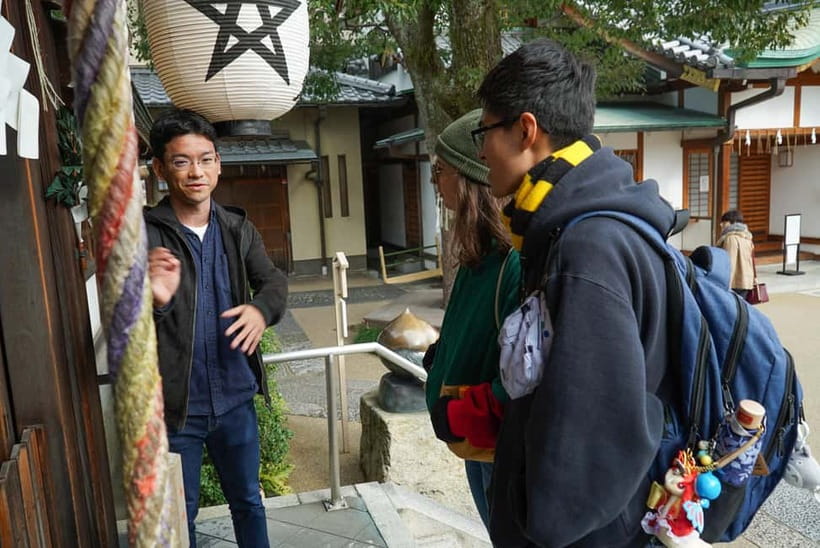
Kennin-ji is where the tour turns from scenery into meaning. You’ll spend 75 minutes here, and that time is the payoff for anyone who’s tired of “just point at the building” tours.
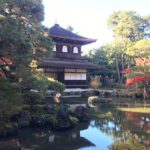
This is the Zen temple stop in Gion, and it’s a strong example of how Zen culture can feel visual, not just philosophical. The highlight is the Japanese rock garden experience called Karesansui. Even if you’re not a Zen scholar, you’ll understand what you’re looking at once the guide explains the idea behind the garden’s composition and symbolism.
Why I think this works well: you’re not rushing to 10 things you can barely remember. You get enough time to wander, soak in the quiet, and ask questions while the context is still fresh in your head.
Kennin-ji’s entrance fee is included, which is one less small bill and one less moment you need to handle ticket logistics while everyone’s ready to move on.
Nanzen-ji and Heian Shrine: temples plus breathing room
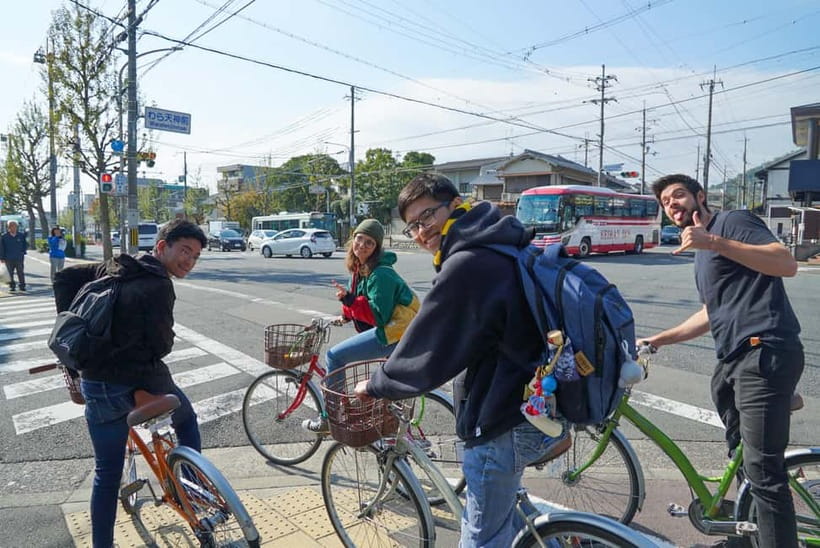
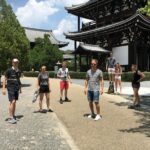
After Kennin-ji, you’ll cycle again to Nanzen-ji. This stop runs about 80 minutes, and it’s where the tour adds scale and perspective. The route brings you through photogenic points and gives you time to look beyond the main gates.
Nanzen-ji also supports the tour’s theme. You’ll get more insights about Zen and about Kyoto’s old days while you’re standing in the place itself. That’s the difference between reading about traditions and encountering them in the physical layout of a temple complex.
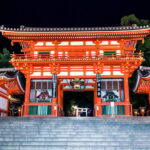
Then the day includes a shorter Heian Shrine visit (about 20 minutes). This isn’t a full deep-dive, but it’s timed so you can see variety in the overall “Kyoto culture picture” without the schedule getting too heavy.
One practical consideration: the tour moves between temple areas by bike. That’s efficient, but it means you’ll want to keep your water and energy in mind—especially on hot days. The tour’s rhythm is built for smooth pacing, but you’re still outdoors and walking through temple grounds.
You can also read our reviews of more historical tours in Kyoto
Lunch in a traditional Kyoto house: soba, matcha, and choices
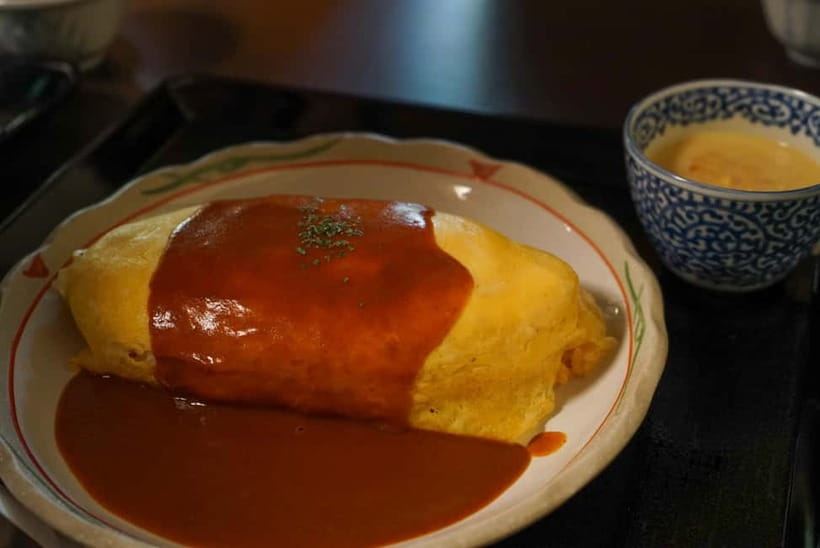
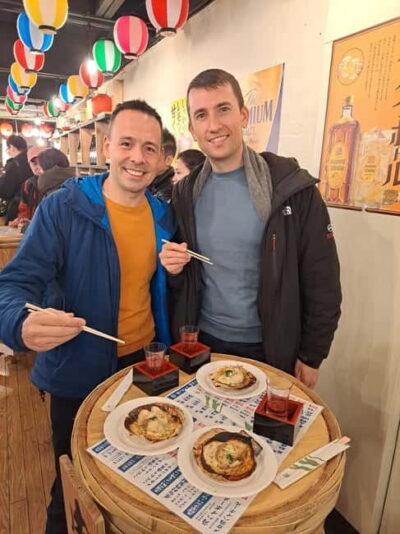
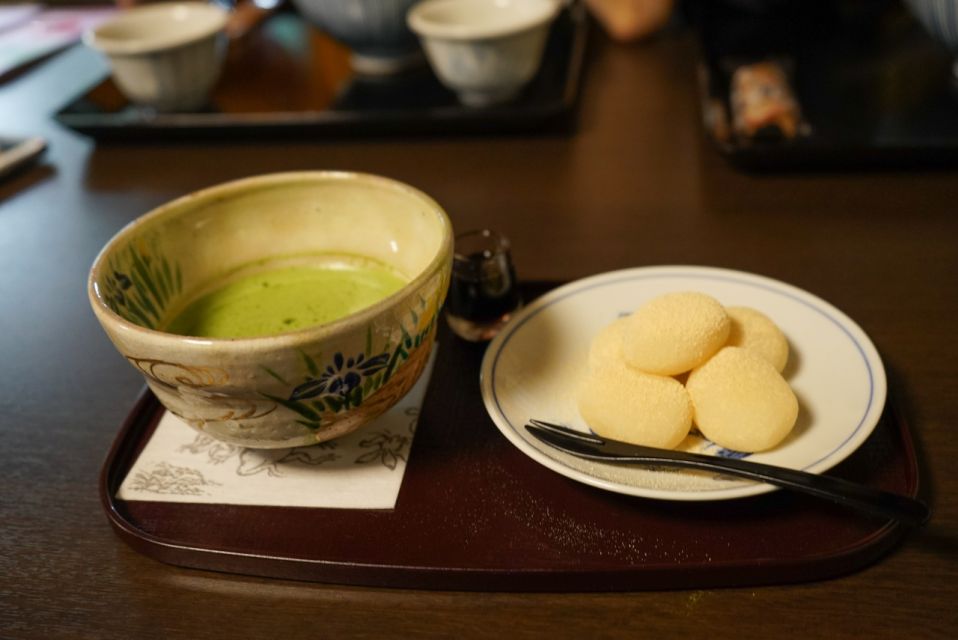
The lunch stop is one of the best parts of the day because it’s not just food—it’s setting. You’ll eat at a local restaurant described as a traditional Japanese tea house / Japanese house-style venue, with a menu that includes soba dishes and dessert-style options like matcha and mochi.
Here’s the important dietary detail to know up front: vegetable/vegan options are available, but fish stock is still used. So if you’re avoiding fish entirely, don’t assume vegan here means fully fish-free. If you have allergies or strict dietary needs, you must inform the operator at least 1 day before the tour so they can note it. Even then, you can’t count on meals being allergy-free, because the kitchen isn’t owned/controlled by the tour provider.
Also pay attention to what’s not included: additional drinks and any extra food are on you. Lunch is included, but you’ll likely want to bring or buy water as needed once you’re in the heat.
If you like small cultural shopping moments, there’s also mention of a souvenir shop nearby with Japanese sweets called yatsuhashi. It’s the kind of Kyoto add-on that’s easy to miss if you’re only rushing between big-ticket sights.
Rental Bicycle KYOTO ECO TRIP: a quick guided bike reset
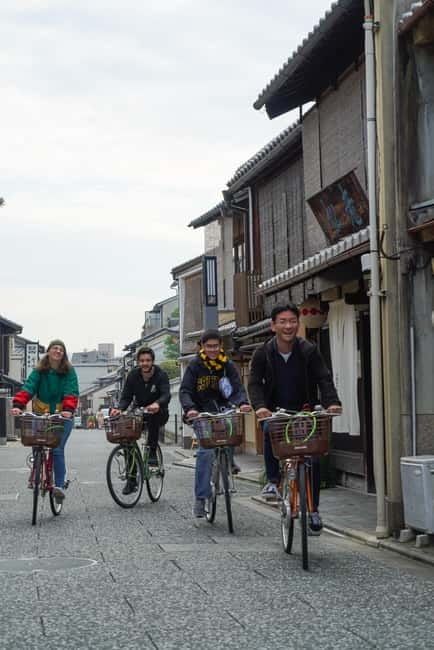
There’s a stop at the Rental Bicycle KYOTO ECO TRIP flagship shop (about 30 minutes) that includes a guided tour. This isn’t just waiting time. It’s part of the system that makes the bike portion run smoothly.
The big benefit for you: you’re not left on your own with a random rental. You’re learning the right way to ride with the group and bike setup basics like locking and safety. Plus, helmet and bike lock are included.
There’s also bike insurance included, described as bodily injury liability insurance. That won’t make you worry less on the road, but it’s still a real value-add when you’re riding in traffic conditions where you want the situation covered.
Kamogawa/Kamo River finale: the Kyoto reset ride
After temples and lunch, the tour ends with a relaxing ride along the riverbanks. This finish is more than a scenic capstone. It gives your body time to recover from walking while still feeling like you completed something substantial.
You’ll see locals enjoying the sunshine by the flowing water. That detail matters. Kyoto can feel like museums if you only chase landmarks. A riverbank ride brings the day back to the living city, not just the historical one.
If you’re the type who likes to end with calm rather than another sprint, you’ll appreciate this structure. You’re not dumped back at the starting area and told good luck. The tour is designed to close the loop in a way that feels distinctly Kyoto.
Price and value check: what $96 is really buying
At $96 per person for about 4.5 hours, the headline question is: what are you paying for beyond “bike + temples”?
Here’s what’s included based on the tour details:
- Rental bike plus helmet and a bike lock
- Bike insurance (bodily injury liability)
- Lunch (with vegetable/vegan options, with the fish stock note above)
- Entrance fee to Kennin-ji
- Tour photos
When you add it up, you’re paying for convenience and coordination. You get a ready-to-use bike setup, temple ticket coverage for at least one key stop, a guided experience that ties culture to what you’re seeing, and an organized lunch that fits the schedule.
What you should budget for:
- Drinks during the day
- Any extra snacks
- Whatever shopping you can’t resist at nearby sweet and souvenir spots
If you already planned to rent a bike on your own, this price can make sense because it packages your time. In a city like Kyoto, hours lost to logistics are often the real cost.
Bike rules, traffic reality, and what to bring
This tour has rules for safety, and Japan enforces them. You must follow traffic rules as instructed by your guide. Also, cycling under the influence of alcohol is prohibited. Smartphone use while cycling is also prohibited, with allowance for use when the bicycle is stopped.
What I like about these rules is that they’re clear and practical. It helps keep the group predictable for everyone’s safety.
What to bring:
- Comfortable shoes
- You might also want water and sun protection, since the day is outdoors and you’re riding and walking in temple areas.
Not allowed:
- Headphones
Also know the height rule: the tour is for anyone over 150 cm (about 4 feet 11 inches). Wheelchair users aren’t listed as suitable.
And a reality check: the tour might be canceled in unsuitable weather for safety reasons.
Who should book this Kyoto UNESCO-linked highlights bike tour
This tour is a good fit if you:
- Want structure in Kyoto without feeling trapped
- Like temples and culture and want explanations for what you’re seeing
- Prefer cycling over stairs-heavy walking routes
- Want a local lunch in a traditional setting
It might be less ideal if you:
- Hate riding near traffic or get nervous about group logistics
- Need very strict allergy-free meals (the provided note says fish stock is still used for vegan/vegetarian, and allergy-free accommodation can’t be guaranteed)
- Are sensitive to hearing explanations while moving (a guide being soft-spoken is mentioned as a concern, and there’s no headphone option)
Small tip from what I’ve learned through past Kyoto rides: stay close enough to hear the guide when you can, then focus on the road when you’re moving. The balance is the point of the tour.
Should you book this tour or do it on your own?
Book it if you want a guided route that hits key temple experiences and shows you how to connect Zen culture with the physical sites. The included bike, helmet, lock, and lunch turn it into a low-friction way to cover Kyoto in one morning-to-afternoon span.
Skip it if your main goal is total freedom to linger at one place for hours, or if you need allergy-free meals with strict certainty. In that case, you’ll likely prefer a self-guided plan and a restaurant reservation you fully control.
If you like your Kyoto days organized, paced, and still calm, this is a strong choice.
FAQ
Where is the meeting point?
You meet in front of a 7-Eleven outside Exit Hachijo guchi of Kyoto Station, next to Hotel Via Inn Prime. The guide will be waiting with a Magical Trip sign board.
How long is the tour, and is it a small group?
The tour runs about 270 minutes (4.5 hours). It’s a small group limited to 5 participants.
Is the rental bike included?
Yes. The rental bike is included, along with bike insurance, a helmet, and a bike lock.
What is included in lunch, and can I request vegetarian or vegan?
Lunch is included. Vegetable and vegan options are available, but fish stock is still used. If you have dietary requests or allergies, you must inform the operator at least 1 day before the tour, since requests made on the tour day cannot be accommodated and allergy-free meals can’t be guaranteed.
Which temple stop is the Zen highlight?
The tour includes Kennin-ji temple in Gion and the Zen rock garden called Karesansui. Entrance to Kennin-ji is included.
Are headphones or smartphones allowed?
Headphones aren’t allowed. Smartphone use while cycling is strictly prohibited, but smartphone use is allowed when the bicycle is stopped.
What height requirement should I know about?
Anyone over 150 cm (about 4 ft 9 in) tall can join. The tour isn’t suitable for wheelchair users.