REVIEW · KYOTO
Nara Afternoon Tour from Kyoto or Osaka
Book on Viator →Operated by JTB Global Marketing & Travel Inc. · Bookable on Viator
Nara by afternoon feels short. Yet this outing packs big temple energy, lantern-lined shrine calm, and the famous deer park into one smooth ride. It’s a fast way to see Nara’s highlights without the hassle of figuring out timing and transport.
I like two things the most: you get Todai-ji with the Great Buddha Hall experience, plus Kasuga Grand Shrine with its lantern-filled atmosphere and the added Main Sanctuary special visit area (when available). The bus setup also tends to keep things comfortable, so you can focus on what you came for.
The one drawback to plan around is pacing and walking. You’re looking at a decent walk from the parking area to Todai-ji (about 25 minutes each way), and the schedule can feel tight if you want extra time at any single stop.
In This Review
- Key highlights you’ll actually feel
- A smooth afternoon between Kyoto and Nara
- Price and what you really get for it ($102.38)
- Todai-ji: the Great Buddha you can’t unsee
- Nara Park deer: fun, but don’t let them boss your day
- Kasuga Grand Shrine lanterns and the Main Sanctuary access
- How the guide affects the whole experience (names you may hear)
- Group size, pacing, and the reality of “not enough time”
- Getting the most out of your afternoon (what to bring)
- Who this tour is best for
- Should you book the Nara Afternoon Tour?
- FAQ
- What is the duration of the Nara Afternoon Tour?
- Where does the tour operate?
- What are the main stops?
- Is admission included?
- What admission isn’t included at Kasuga?
- How does pickup work from Kyoto and Osaka?
- Will I need to walk?
- Is lunch provided?
- How large is the group?
- What if I want access to the Main Sanctuary special visit area at Kasuga?
Key highlights you’ll actually feel
- World Heritage Todai-ji: huge Great Buddha Hall and that bronze Buddha presence
- Kasuga Grand Shrine lanterns: about 3,000 stone and bronze lanterns, plus a special access area from Jan 2025 when possible
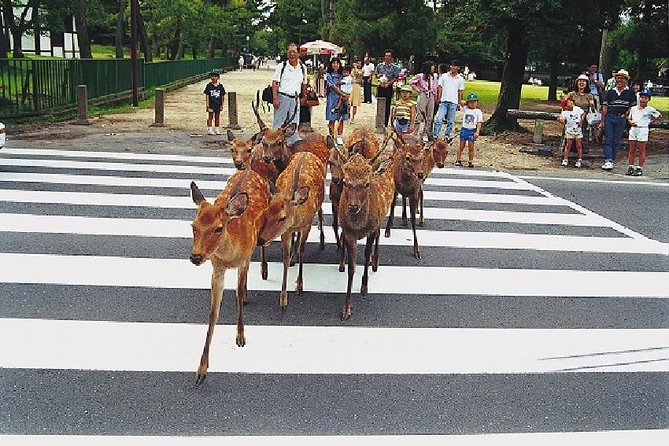
- Nara Park deer time: more than 1,000 deer wandering a 1,250-acre reserve
- Licensed English guide support: included guide interpreting/fees help you make sense of what you see
- Comfortable, timed sightseeing: a 5h 40m plan that’s built for getting the most from an afternoon
- Small-ish group cap (40): enough structure to stay together, but still varies by day and crowd level
A smooth afternoon between Kyoto and Nara
This is a classic half-day style trip: you leave Kyoto after lunch, arrive in Nara, tour the core religious sites, and return the same afternoon. The big value here is that you don’t spend your limited time on logistics. The tour includes round-trip transportation by vehicle and the main admission fees, so you can pay once and just follow the flow.
Your starting point depends on where you begin. If you’re starting from Kyoto, pickup is at the Avanti Tour Desk near Kyoto Station. If you’re starting from Osaka, there’s a companion assistant only for the transfer steps between Osaka and the Kyoto meeting point, and also for the return side. Once you’re in the Nara loop, it’s all the same idea: guide-led stops, timed entry, and a return drop-off to your original departure.
The total time is about 5 hours 40 minutes. That number matters. In this format, you’ll get a solid first look at Nara’s must-sees, but you won’t have the luxury of wandering freely for hours. Think of it like a really well-organized sampler platter: impressive, efficient, and best when you keep expectations realistic.
You can also read our reviews of more tours and experiences in Kyoto.

Price and what you really get for it ($102.38)
At $102.38 per person, this isn’t the cheapest way to get to Nara on your own. But it’s also not trying to compete with “DIY on trains.” You’re paying for three things that add up:
1) Transportation from Kyoto to Nara and back
2) Admission fees included for the major stops
3) English guide interpreting fees included, so you’re not standing in front of world-famous sites and guessing what you’re looking at
If you were to tackle this solo, you’d likely spend time figuring out train transfers, bus connections, and ticket priorities. Even if you save money, you might spend energy you’d rather put into seeing the temples and listening to an explanation that links everything together.
What’s not included is also important for value. There’s no lunch or drinks included, and you may pay separately for areas like the Treasures Hall and Manyo Botanical Gardens at Kasuga. So if you love adding optional exhibits, budget extra. If you’re happy focusing on the main sights—the Great Buddha, the lantern corridor feeling, and the deer park—you’ll probably feel the price makes sense.
Todai-ji: the Great Buddha you can’t unsee
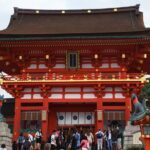
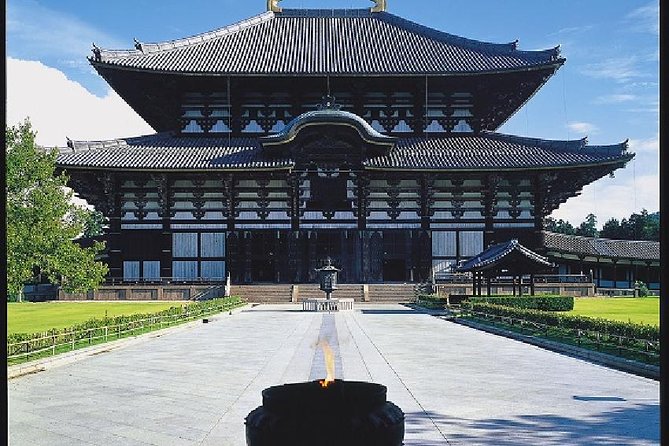
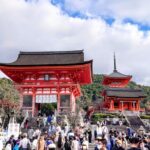
Todai-ji is the emotional anchor of this trip. It’s a World Heritage site and a symbol of Japan’s Nara period, and the Great Buddha Hall is one of those places that makes your brain go, whoa. The tour gives you about 1 hour 10 minutes here, and it’s long enough to see the main hall interior area and take in the scale without feeling completely rushed.
One practical detail: you’ll walk from the parking lot to Todai-ji (about 25 minutes one-way). So your time isn’t only inside the site—it’s also on your feet getting there. If you’re sensitive to walking time, wear shoes with real grip and bring something lightweight for sun or rain.
What I like about Todai-ji on a guided schedule is that the guide helps you read the place fast. You’re not just looking at a big wooden structure and a bronze Buddha statue—you’re learning why this site mattered during the early power center of Nara, and why the scale is part of the message.
Nara Park deer: fun, but don’t let them boss your day
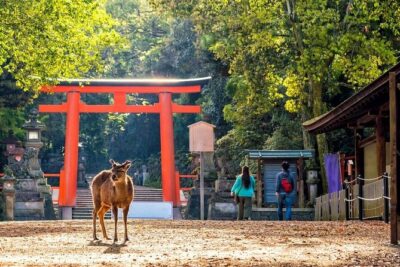
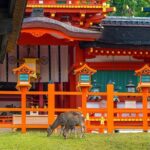
Then comes the part everyone remembers: Nara Park. This is a large reserve (1,250 acres) where more than 1,000 deer roam freely. You’ll have time to watch them graze, mingle, and approach people in the most confidently polite way deer can manage.
This is also where pacing becomes personal. If you want a longer “deer hang,” know that a half-day tour can’t turn into a full-day deer retreat. You’ll have opportunities to see and enjoy them, but the schedule still has to carry you to Kasuga and get you back on time.
A smart way to handle deer time is to treat it like a photo and people-watching break rather than a full meal appointment. If you plan for a short burst of interaction—watching them, walking through the park paths, and taking your photos—then the rest of the afternoon stays enjoyable instead of stressful.
Also, deer can be unpredictable. Even when they look tame, don’t assume they’ll always behave like a pet. Keep your space, watch your footing, and hold onto any snacks carefully.
Kasuga Grand Shrine lanterns and the Main Sanctuary access
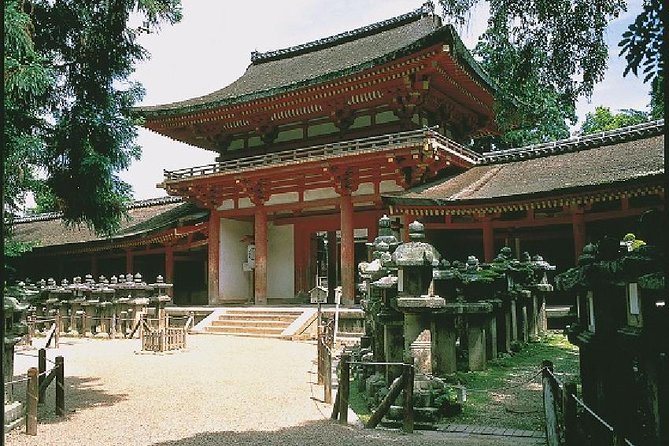
Kasuga Grand Shrine is where the atmosphere changes. Instead of big-hall thunder, you get a quieter, lantern-focused scene. The shrine is known for its collection of around 3,000 stone and bronze lanterns, and the effect is instant: rows and corridors that feel like you stepped into a long tradition of offerings.
You’ll spend about 1 hour here, and the tour also includes entry to the Main Sanctuary special visit area added from January 2025, when that access is available. The tour notes that if the special visit area can’t be entered due to events or operational circumstances, you’ll visit an alternative museum stop (Kasuga Taisha Museum or Todaiji Museum instead).
That matters for two reasons:
- You get to plan mentally for the shrine, not just for one specific corridor access.
- You still won’t lose the “meaning” piece even if access is limited, because the museum option is there to keep you moving through the story.
If you care about details, Kasuga is a great match. The lanterns aren’t just decoration; they connect to the shrine’s traditions. On a guided tour, you get the context that makes your photos feel more than just pretty.

How the guide affects the whole experience (names you may hear)
The guide matters more than you’d think because both Todai-ji and Kasuga can be overwhelming if you’re trying to interpret everything alone.
In past departures, you might hear names like Yuki, Miyuki, KC, and Mo Mo. The overall pattern from the experiences I’ve seen is that the best days feel well-paced: clear instructions on what to do next, good historical connections, and an easy-to-follow English explanation.
There’s also a simple tip: if you ever feel unsure where your group is heading, ask right away. The tour style is structured, but group timing can get compressed when people are late or when rain changes walking conditions. Good guides tend to keep it flowing. When the group dynamics get off, the schedule can feel rushed.
Group size, pacing, and the reality of “not enough time”

The tour caps at 40 travelers. That’s not tiny, but it’s also not a massive bus parade. Still, pacing can feel different depending on the day’s crowd level and how smoothly everyone meets rejoin times.
A recurring theme with half-day city tours is that “good for everything” can also mean “not perfect for one thing.” Here, you’ll likely feel time pressure especially if you want:
- a longer deer park break
- extra time inside Todai-ji before moving on
- more relaxed photos without checking the clock
The walk to Todai-ji (25 minutes one way) can also make the stop feel shorter than the on-site time suggests. Add in any delays from congestion or road conditions, and your schedule can tighten.
So I recommend thinking of this tour as a high-impact overview. If you want slow travel, you’ll prefer a later start or a longer stay in Nara by yourself. If you want the big hits in a half-day, this format works.
Getting the most out of your afternoon (what to bring)
Since the tour includes guided admissions and transportation, your job is basically comfort management.
Wear:
- walking shoes for that 25-minute one-way walk
- something with grip for uneven or crowded paths (especially in the park areas)
Bring:
- a small umbrella or rain layer if the forecast looks iffy (rain can happen, and you’ll still be walking)
- water and a snack if you’re the type who gets hungry between stops (lunch isn’t included)
Plan your body:
- If you have mobility limits, the biggest constraint is the walking portion. The itinerary doesn’t mention a shortcut from parking to Todai-ji, so you should assume you’ll need to handle it.
Who this tour is best for
This tour fits best if you:
- want a reliable afternoon tour from Kyoto without navigating
- love seeing major cultural sites in one outing
- appreciate guided explanations that connect history, religion, and the sites themselves
- have limited time in Kyoto/Osaka and want Nara’s greatest hits
It may feel less ideal if you:
- want long, unstructured time in Nara Park
- hate tight schedules and rejoin timing
- need minimal walking time
Should you book the Nara Afternoon Tour?
If your goal is Todai-ji + Kasuga + deer park in one efficient afternoon, this tour is a strong choice. The guide support and included admissions reduce friction, and the itinerary focuses on the right classics.
I’d pass if you’re the type who wants to linger for hours, especially at the deer park, or if the idea of a long walk from parking to Todai-ji would drain your energy. In that case, consider a longer Nara stay or a DIY plan so you control the pace.
Overall, this is a well-structured “make Nara easy” option—especially if you enjoy history with context and you don’t mind that a half-day tour moves at tour speed.
FAQ
What is the duration of the Nara Afternoon Tour?
The tour lasts about 5 hours 40 minutes (approx.).
Where does the tour operate?
It runs in Nara as part of a day trip from Kyoto (and there’s also an Osaka departure option).
What are the main stops?
You visit Todai-ji Temple, Kasuga Grand Shrine, and you also stop at Nara Park for the deer.
Is admission included?
Yes. Admission fees for Todai-ji and Kasuga are included.
What admission isn’t included at Kasuga?
Entrance to the Treasures Hall and Manyo Botanical Gardens at Kasuga Shrine is not included.
How does pickup work from Kyoto and Osaka?
From Kyoto, pickup is at the Avanti Tour Desk near Kyoto Station. For the Osaka option, an English-speaking assistant handles the transfer steps between Hotel Granvia Osaka and Kyoto Avanti, and between Kintetsu Nara Station and Osaka Namba.
Will I need to walk?
Yes. You walk from the parking lot to Todai-ji Temple, about 25 minutes one-way.
Is lunch provided?
No. Lunch and drinks are not included.
How large is the group?
The tour has a maximum of 40 travelers, and seats may not be designated.
What if I want access to the Main Sanctuary special visit area at Kasuga?
From January 2025, the Main Sanctuary special visit area is added to the itinerary. If it can’t be entered due to events or operational circumstances, the tour visits a museum alternative (Kasuga Taisha Museum or Todaiji Museum).