REVIEW · KYOTO
Kyoto Fushimi District Food and History Tour
Book on Viator →Operated by Japan Tour Adventure · Bookable on Viator
A great day in Fushimi is part food crawl, part history class. This tour pairs the famous Fushimi Inari Shrine with lesser-known corners of the district, plus a stop at the Gekkeikan Ōkura Sake Museum and real time wandering local streets. I like that the route feels focused (not just running between big sights), and I especially like the food rhythm: taiyaki plus traditional sweets breaks up the walking. One thing to consider is language planning, because French can’t be guaranteed on a shared group tour.
What makes it work is how the guide turns each stop into a story you can actually picture. Remi, for example, is described as thoughtful and genuinely helpful, even with real-world rail planning. The only potential drawback: it is a shared tour with a max of 10 people, so you should expect some group pacing and you’ll want to be ready for English priority if you’re hoping for French on the day.
In This Review
- Key highlights you will feel the moment you start
- Why Fushimi feels different from the usual Kyoto loop
- The morning logistics that actually make a difference
- Entering Fushimi Inari’s less-famous corners
- Gekkeikan Ōkura Sake Museum: old distillery, real exporting history
- The Canal of Fushimi: a short outdoor breath between stories
- The Battle of Fushimiguchi trace and the Meiji Restoration connection
- Teradaya Historic Site and Sakamoto Ryoma’s escape story
- Ryoma Shopping Street: food, drinks, and real local shopping time
- Traditional sweets at 伏水菓蔵 本店: your comfort break before the end
- Price and value: $78.04 for a guided, multi-stop day
- Who this tour is best for
- Should you book the Kyoto Fushimi District Food and History Tour?
- FAQ
- What is the duration of the Kyoto Fushimi District Food and History Tour?
- Where does the tour start, and what time is it?
- Is there a mobile ticket?
- What is included in the price?
- Is lunch included?
- Are coffee and tea included?
- How large is the group?
- Can I book if I’m traveling alone?
- How does French language support work?
Key highlights you will feel the moment you start
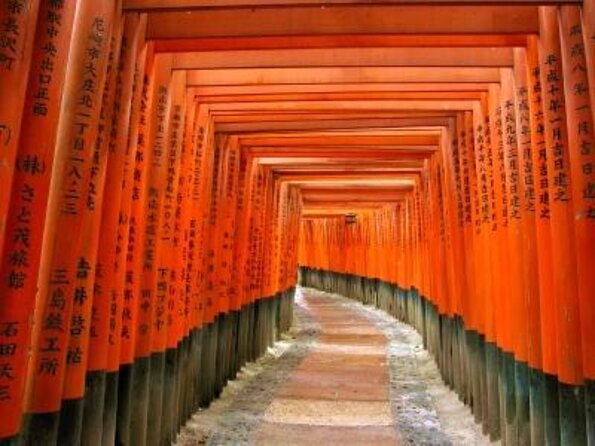
- Start at Fushimi Inari’s fox statue and use the guide to find spots most people miss around the shrine area
- Gekkeikan Ōkura Sake Museum at an old distillery tied to early overseas exporting
- Canal of Fushimi walk where outdoor scenery (including cherry blossoms in season) fits naturally between history stops
- Battle of Fushimiguchi trace to Meiji restoration story in a short, easy-to-follow format
- Teradaya Historic Site and Sakamoto Ryoma’s escape through a human story, not just dates
- Ryoma Shopping Street + translation help so you can actually eat and shop without guessing
Why Fushimi feels different from the usual Kyoto loop
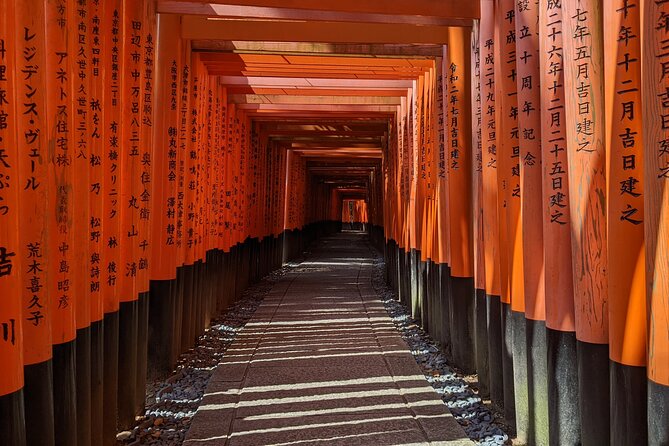
Fushimi is close to Kyoto Station, but it does not have the same international crowd-energy as the headline Kyoto neighborhoods. That matters, because you can slow down and pay attention. Instead of treating the day like a checklist, the tour builds a theme around one district: Inari shrine culture, sake-making history, and the late-era events that feed into the Meiji Restoration story.
You’ll also get a day that balances outdoors time with indoor stops. The canal stretch gives your legs a reset, and then you’re back into museums and historical sites. I like that the pace stays manageable for a 5-hour plan, especially since you are capped at 10 people and guided the whole time.
You can also read our reviews of more food & drink experiences in Kyoto

The morning logistics that actually make a difference
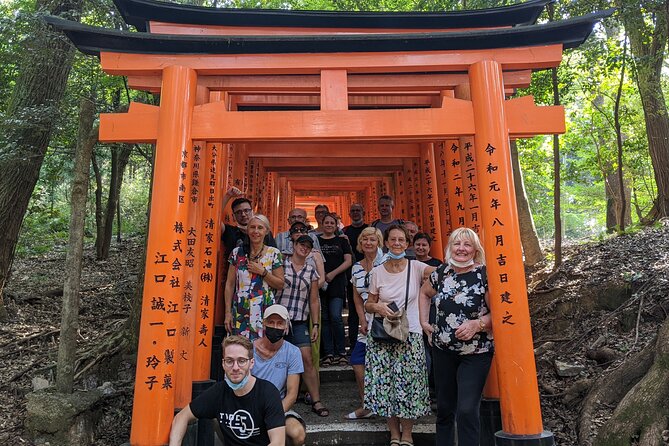
The tour starts at 9:30 am at the Fox statue at the entrance to Fushimi Inari Taisha Shrine in Fushimi Ward (near Inari Station). You end back at the same meeting point, which is a quiet but helpful detail. It means less time figuring out how to get out of your day at the end.
This is also designed for real movement. You’re on foot across several locations, with most stops kept to short visits. The payoff is that you get variety without burning half the day on transit.
One practical note: it is a shared experience with mobile tickets, and most travelers can participate. If you’re traveling solo, there is a 2 guests minimum rule—so your session might be canceled and you would be offered a different date or a full refund.
And language: French cannot be guaranteed on a shared tour. English is prioritized when different nationalities are mixed. The guides speak at least English and Japanese, and French may be added if needed. If French is important for you, contact ahead so the provider can confirm availability for your date.
Entering Fushimi Inari’s less-famous corners
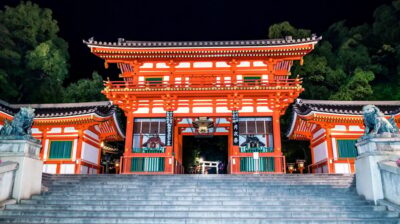
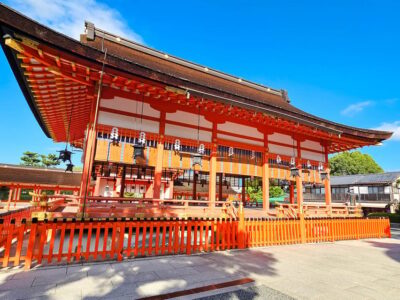
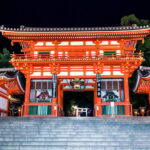
Yes, you visit Fushimi Inari-taisha Shrine—the big one with the famous gates. But the angle here is not just photo time. You learn about the origin of the spirit of Inari, and you also get to see a few hidden spots in the area that most people skip.
What I like about this approach is that it makes the shrine make sense. When you understand what Inari represents, the buildings, carvings, and small details stop feeling random. Then your photos have context, not just crowds.
Possible drawback: if you are expecting a long, slow shrine meditation, the visit is about 1 hour. You’ll get depth, but it’s still a guided route, so you may not have unlimited time in every side area.
Gekkeikan Ōkura Sake Museum: old distillery, real exporting history
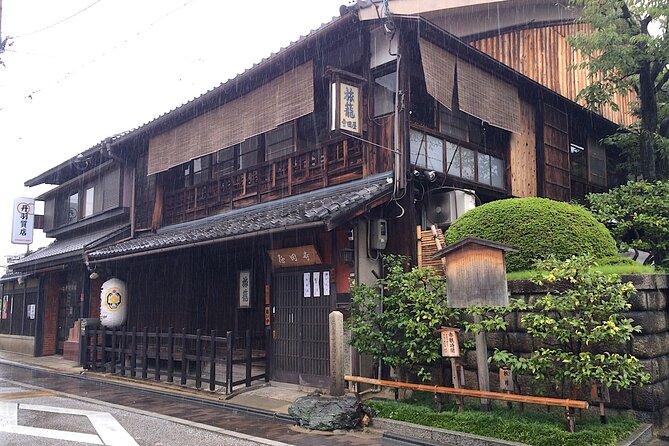
Next comes Gekkeikan Ōkura Sake Museum, housed in an old sake distillery. This stop is about 1 hour, and entrance is included.
The key value here is the historical framing. You are not just tasting sake or reading labels—you explore sake culture through a site connected to the very first distillery to export Japanese alcohol overseas. That turns the subject from general interest into a clear story about Japan meeting the wider world.
From a practical standpoint, this is also a good mid-tour reset. Museums are indoor, so you can slow down your pace and recharge before the next outdoor/history legs.
If you’re not a sake person, you can still enjoy it. Even without deep alcohol knowledge, you’ll likely appreciate how the industry and technique became a cultural identity—not just a product.
The Canal of Fushimi: a short outdoor breath between stories
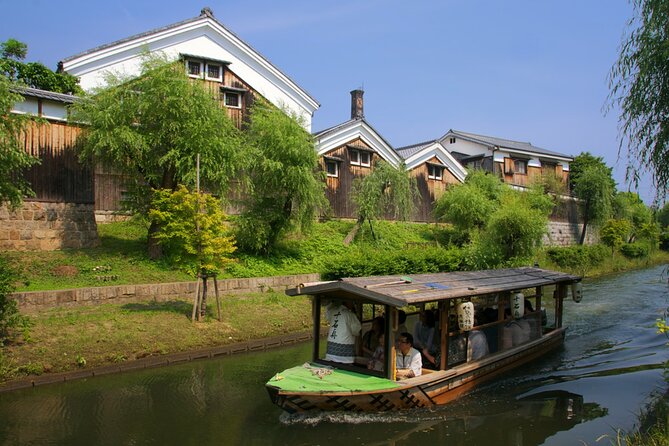
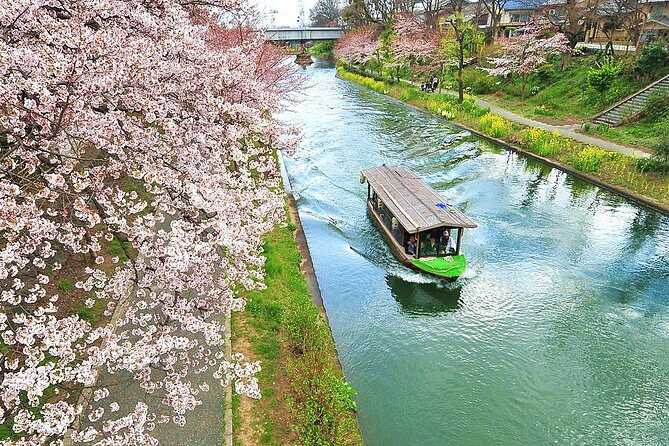
After the museum, you walk by the Canal of Fushimi (伏見運河) for about 30 minutes. This is one of those stops that sounds simple, but it does something important for the overall day: it separates the heavy history beats with fresh air and open sightlines.
The tour specifically frames the canal as a place to enjoy outdoors and the beauty of a traditional district, with cherry blossoms mentioned as part of the charm in season. If you’re visiting during a blossom-heavy time, that extra atmosphere can make the walk feel like a different Kyoto entirely.
No big drawback here, other than the obvious one: if the weather is rough, an outdoor segment like this is less fun than it is on a clear day. But the time is short enough that it won’t derail your afternoon.
You can also read our reviews of more tours and experiences in Kyoto


The Battle of Fushimiguchi trace and the Meiji Restoration connection
Then you hit the Battle of Fushimiguchi Battlefield Trace for about 15 minutes. This is not a long museum-style stop. It’s a guided narrative at a specific historical location, explaining the story behind a battle that helped lead into the beginning of the Meiji Restoration.
I like these kinds of short, story-focused stops because they prevent history overload. You leave with a clear thread: something happened here, and it mattered later. It’s easy to remember, and it gives you a reason to look at the ground and surroundings as part of the story.
Possible consideration: this part is brief by design. If you love battle history and want extra detail, you might want to follow up on your own after the tour. But as part of a food-and-history balance, the length feels right.
Teradaya Historic Site and Sakamoto Ryoma’s escape story
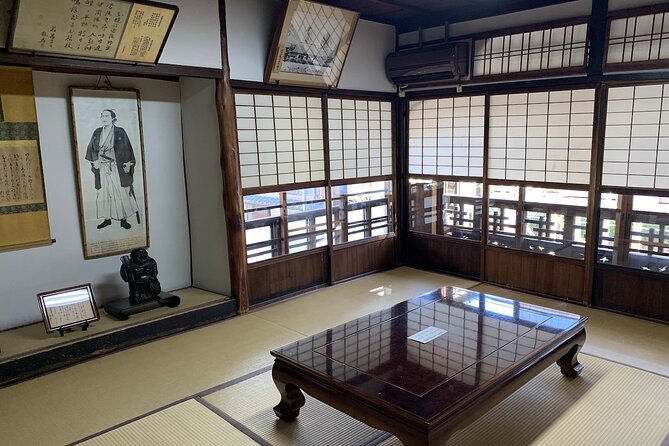
The tour continues to Teradaya Historic Site, also known as the Teradaya Inn area tied to Sakamoto Ryoma. Entrance is included, and the time is about 30 minutes.
This stop is built around a dramatic, human moment: Ryoma, described as one of the most important historical figures, nearly gets assassinated in his room by the Shinsengumi and barely escapes. That kind of storytelling turns historical figures into actual people with tension and stakes.
Why it works for you: if you’ve heard of Ryoma but only in passing, this is the stop that tends to make the name stick. It’s not a lecture. It’s a situation—who was involved, what was at risk, and why it connects back to the larger political shift.
Ryoma Shopping Street: food, drinks, and real local shopping time
Now you get the part that makes this tour feel like a true Fushimi experience: exploring Ryoma Shopping Street (竜馬通り商店街) for about 1 hour 10 minutes.
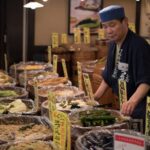
The tour frames this street as similar to Nishiki Market in the sense that it’s a place for food and snack browsing, but without losing its authenticity and tradition. In other words, it’s not staged for tourists. It’s the everyday kind of street experience, guided so you don’t waste time guessing where to go.
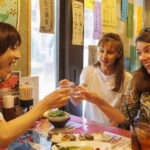
Also, shopping and translating assistance is included, which is a big deal if you’re trying sweets, small bites, or drinks. Language support here helps you spend your time choosing, not translating on your phone under pressure.
Possible drawback: lunch is not included. So you’ll want to plan to eat during this period (with your guide’s assistance), or be ready to find something on your own afterward. The tour is set up to help you get fed, but it does not do a full lunch meal in the ticket price.
Traditional sweets at 伏水菓蔵 本店: your comfort break before the end
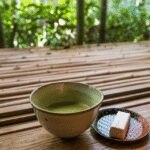
After the street time, the tour includes a stop at 伏水菓蔵 本店, about 30 minutes. You’ll enjoy traditional Japanese sweets here, and the tour notes it as a perfect time for coffee.
Here’s what you should know: coffee and/or tea drinks are not included, even though the moment is suggested. If you love a hot drink with dessert, bring extra budget for it.
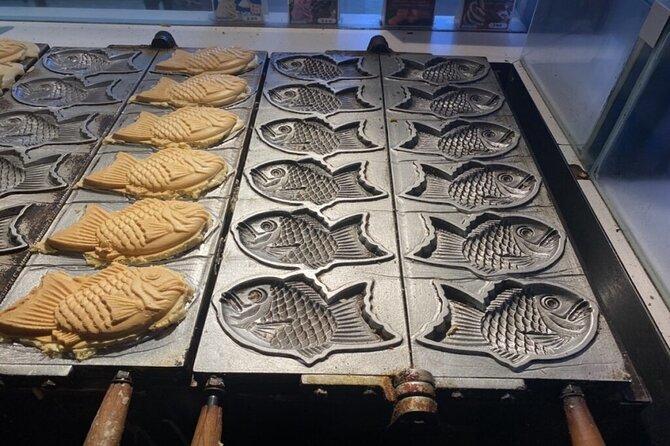
In the tour inclusions, you also get 1 taiyaki per guest, plus snacks at the cafe: up to 2 sweets for each guest. This is one of those value points that matters. You’re not paying for “a tasting concept”—you’re getting multiple sweet stops built into the timing.
Price and value: $78.04 for a guided, multi-stop day
At $78.04 per person for about 5 hours, the price can feel like a splurge until you look at what it includes. You get:
- Full guiding throughout
- Gekkeikan Ōkura Sake Museum entrance
- Teradaya Historic Site entrance
- 1 taiyaki per guest
- Traditional sweets time with up to 2 sweets at the cafe
- Shopping and translation assistance
- Snacks built into the flow
So you’re paying for access (museum/site entrances), plus the human piece that makes it easier to choose food and understand what you’re seeing. And the group size cap (max 10) helps keep it from turning into a noisy cattle line.
Two extra value notes. First, average booking is reported around 67 days in advance, which often means the schedule can fill around prime times. If you care about a specific date, it’s smart to book sooner rather than later. Second, the day starts near a major station area, which reduces the “what now?” friction.
Who this tour is best for
This is a strong match if you want a Kyoto day that is:
- More local than the headline tourist magnets
- Focused on Fushimi Inari plus nearby context, not just Inari photo lines
- Food-included but still history-driven
- Guided with help for small shopping and translation
It is especially good for sake lovers and history buffs. But even if you’re more of a casual history fan, you’ll likely appreciate the way the tour turns key names and moments—Inari spirit, Meiji Restoration lead-up, and Sakamoto Ryoma—into stories you can carry home.
Should you book the Kyoto Fushimi District Food and History Tour?
Book it if you want a 5-hour plan that connects shrine culture, sake history, and real local street time—without turning your day into a frantic sprint. I also think it’s a good value if you like guided tasting structure and you prefer not to piece together separate museum visits, shrine wandering, and lunch on your own.
Skip or reconsider if you need guaranteed French on the day. Because it’s a shared format, the provider can’t promise French for every booking, and English is prioritized when multiple nationalities join. Also reconsider if you want a full sit-down lunch included in the price; lunch is for you to enjoy at the Ryoma Shopping Street with guide assistance, not as a provided meal.
If you do book and French matters, contact ahead to confirm a French-speaking guide. And plan your day expecting sweets and snacks more than a formal lunch meal.
FAQ
What is the duration of the Kyoto Fushimi District Food and History Tour?
The tour is approximately 5 hours.
Where does the tour start, and what time is it?
It starts at the Fox statue at the entrance to Fushimi Inari Taisha Shrine, near Inarionmaechō (Inari Station area), at 9:30 am.
Is there a mobile ticket?
Yes, the tour uses a mobile ticket.
What is included in the price?
Guiding during the experience, 1 taiyaki per guest, entrance to the Sake Museum, entrance to the Teradaya Historic Site, shopping/translation assistance, and snacks up to 2 sweets for each guest at the cafe.
Is lunch included?
No. Lunch is not included, though you can enjoy lunch at the Ryoma Shopping Street with your guide’s assistance.
Are coffee and tea included?
Coffee and/or tea drinks are not included.
How large is the group?
The tour has a maximum of 10 travelers.
Can I book if I’m traveling alone?
You can book as a single traveler, but there is a 2 guests minimum rule. If the minimum isn’t met, the session might be canceled and you will be notified, with options to reschedule or receive a full refund.
How does French language support work?
French is not guaranteed on this shared tour. English is prioritized when multiple nationalities are mixed, and guides speak at least English and Japanese. The guide can alternate between English and French if needed, and you should contact in advance to confirm French availability for your date.