REVIEW · KYOTO
Gion Walking Tour, Geisha Show and Japanese Game in Kyoto
Book on GetYourGuide →Operated by GuideMe Japan · Bookable on GetYourGuide
Two hours, zero rushing, all culture. This Gion walking tour pairs real district context with an up-close maiko moment, then ends with a traditional fan game you play with your performer. The big value is that it feels personal, not like you’re herded past things—though if you dislike shop stops, this tour may include a couple designated ones along the way.
I also like that the guides bring the district to life through small details. In past runs with guides like Ai Iwata and Rin, you get practical Gion context (where you are, what you’re seeing, and how people behave there), plus an easy flow of questions once the maiko is seated.
The only drawback to plan around is attention to atmosphere. Because the interaction is respectful and close-up, you’ll want to follow your guide’s photo and etiquette cues, and you may not get the kind of casual wandering you’d do on your own.
In This Review
- Key highlights to expect
- Arriving at Gion: Why this walking start matters
- The 1-hour Gion walk: history you can actually see
- The maiko show: dance, tea, and Q&A in a small setting
- The fan game: a playful way to learn the vibe
- Tea, etiquette, and translation: what makes it feel personal
- Price and value: what $108 buys in two hours
- Who should book this Gion experience, and who might skip it
- Should you book GuideMe Japan’s Gion walk and maiko show
- FAQ
- How long is the Gion walking tour with the maiko show?
- Where do I meet the guide?
- What’s included in the ticket price?
- Is the tour guide available in English?
- How large is the group?
- Do I need to budget extra money for food?
Key highlights to expect
- A tiny group (up to 6) for real conversation time
- A 1-hour Gion walk focused on history and what you’re looking at
- A maiko apprentice dance show with time for Q&A
- Tea and a Japanese snack included before or during the show
- A traditional fan game you play with the maiko
- English live guide, including guidance on when photos are okay
Arriving at Gion: Why this walking start matters
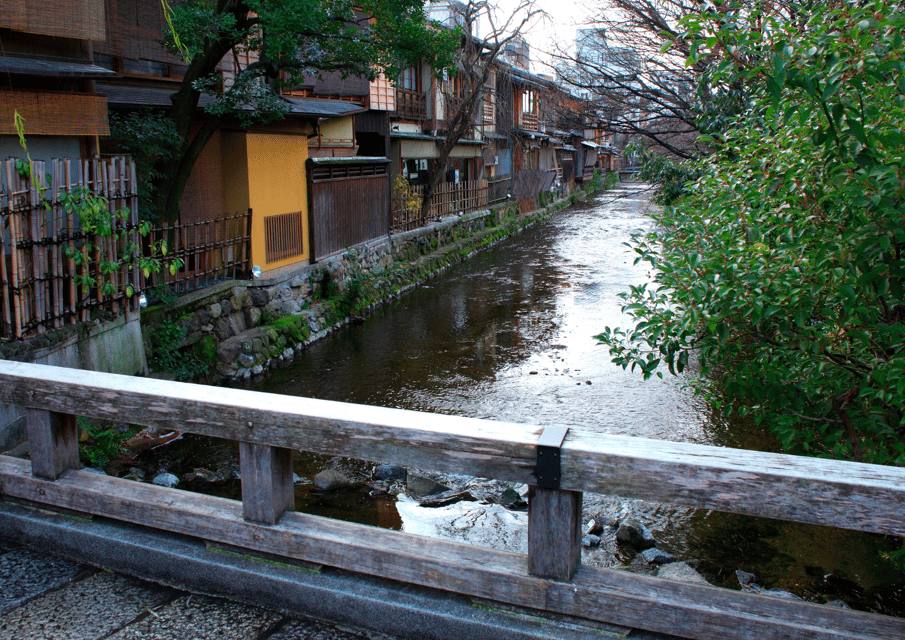
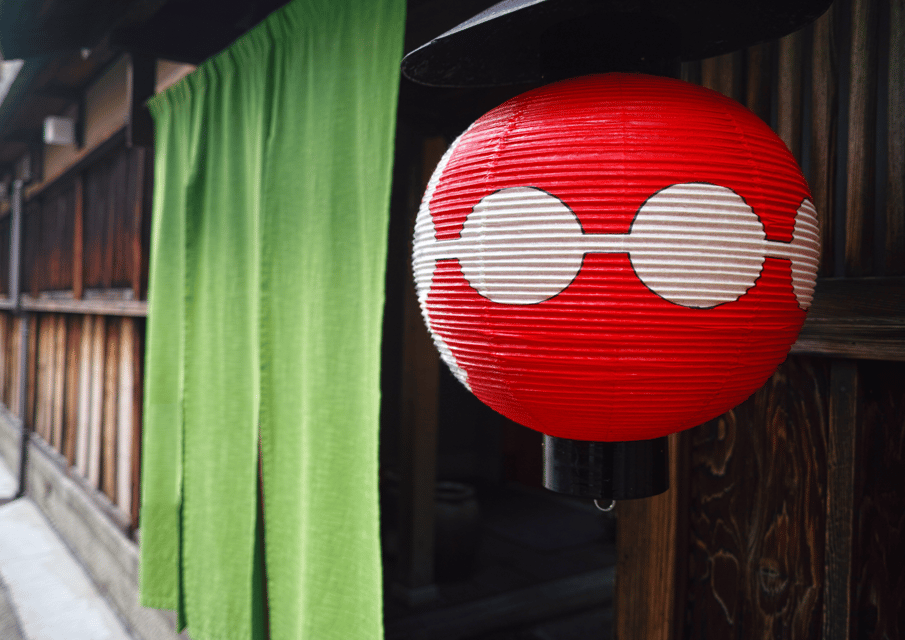
Gion can look like one long postcard street if you only do it fast. What makes this Kyoto experience work is how it begins: you start at the statue of Izumo-no-Okuni, right above Gion-Shijo Station, and the guide gets your bearings immediately.
From the first stretch of the walk, I like the way the tour focuses on meaning, not just sights. You’re not only scanning buildings and lanterns. You’re learning what the district is, how it developed, and why certain details catch the eye. That changes how you walk through it—suddenly you’re noticing context like street layout, how alleys connect, and what to watch for as you move deeper into the area.
The one thing to keep in mind: you’re on a timed, guided program. So if your goal is maximum freedom to stop for snacks, browse shops for a long time, or linger on your own schedule, this may feel a bit structured. If you’re happy with a steady rhythm, that structure is exactly what keeps the whole experience tight and memorable.
You can also read our reviews of more walking tours in Kyoto


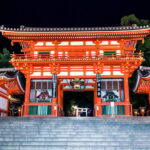
The 1-hour Gion walk: history you can actually see
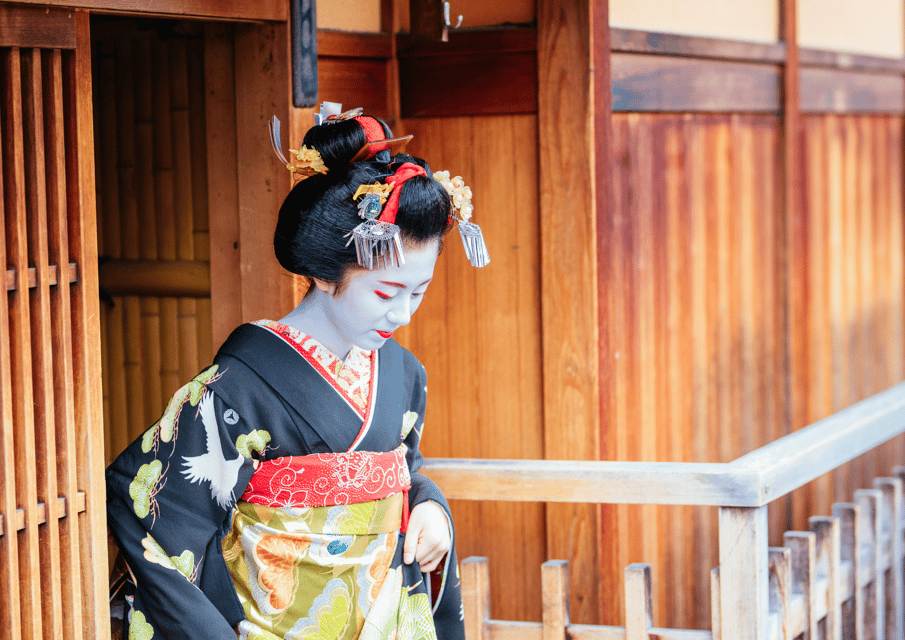
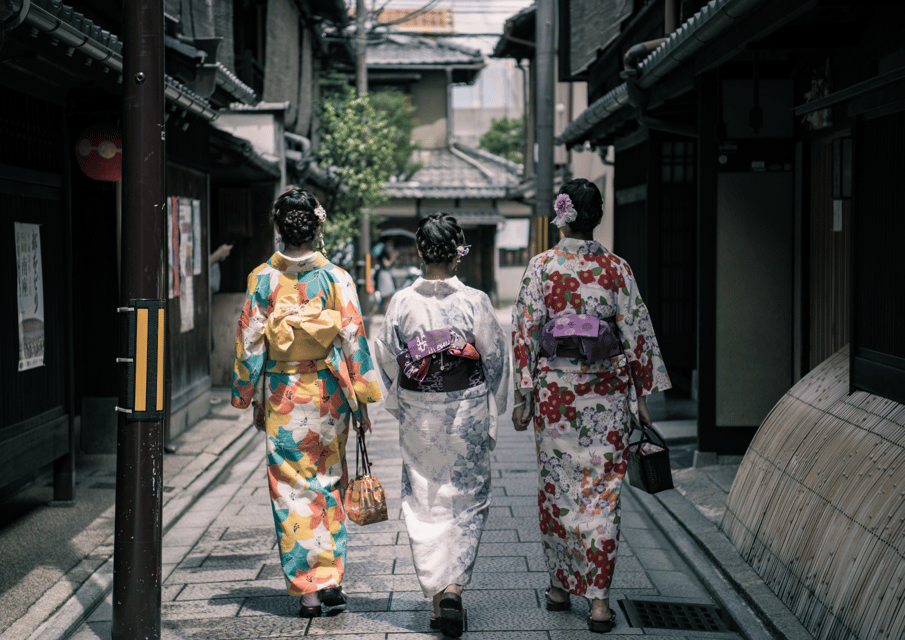
During the first hour, you’ll walk around the main Gion area with historical insight. This is the part that helps the show make sense, because you’re learning how geiko and maiko culture fits into the district.
In guides like Ai Iwata and Rin’s style, the route has a clear goal: show you the Gion story as you pass key visual markers. Some participants also noted quieter lanes and even a temple along the way, which is a strong sign the walk isn’t limited to the busiest strip. If that’s important to you—if you want to feel the district without constant crowds—this is one reason people rave about the experience.
You’ll also get practical etiquette guidance early. That’s not “rules for the sake of rules.” It’s the difference between watching respectfully and accidentally getting in the way of daily life. A few guests specifically mentioned being told when it’s appropriate to take photos and how to behave while moving through the area, which is huge if you don’t want to guess.
One small caution: some guests mentioned pit stops at designated shops. The tour isn’t framed as pure sightseeing-only time. So if you’re the type who would rather skip retail and keep walking, just know that part of the program may include short commercial pauses.
The maiko show: dance, tea, and Q&A in a small setting
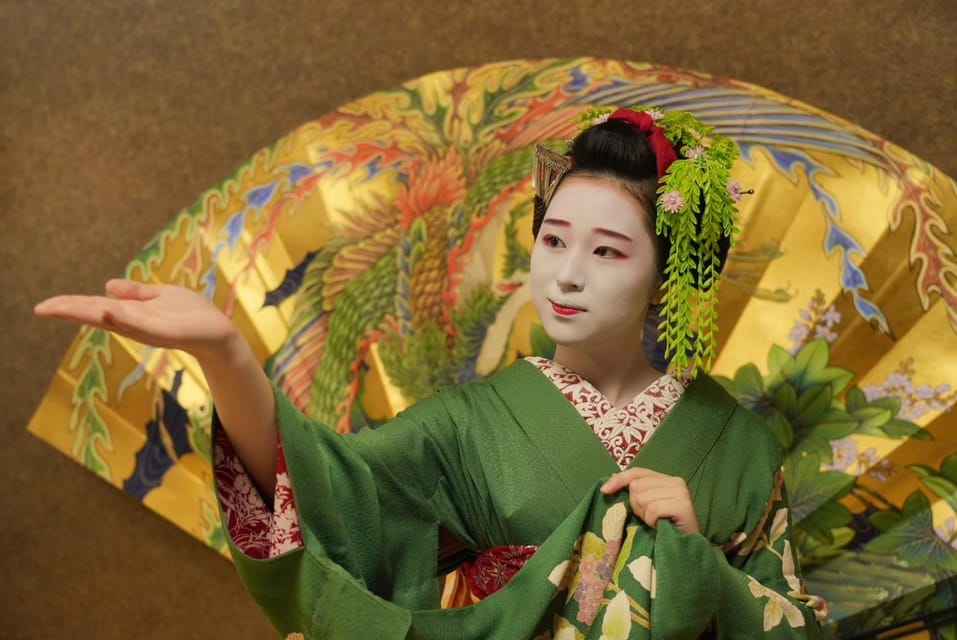
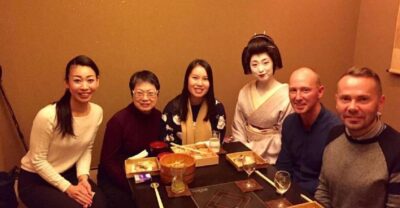
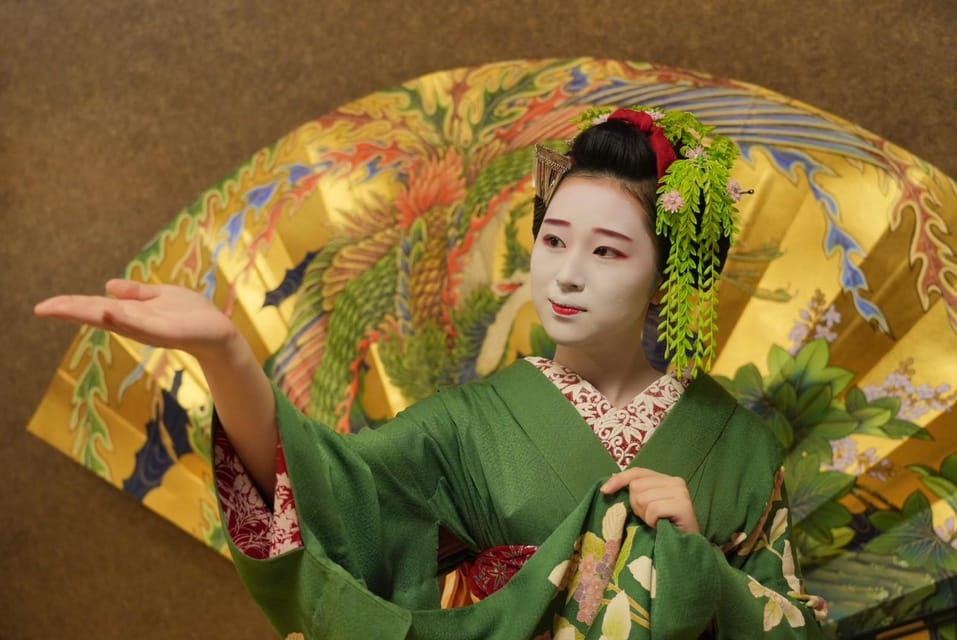
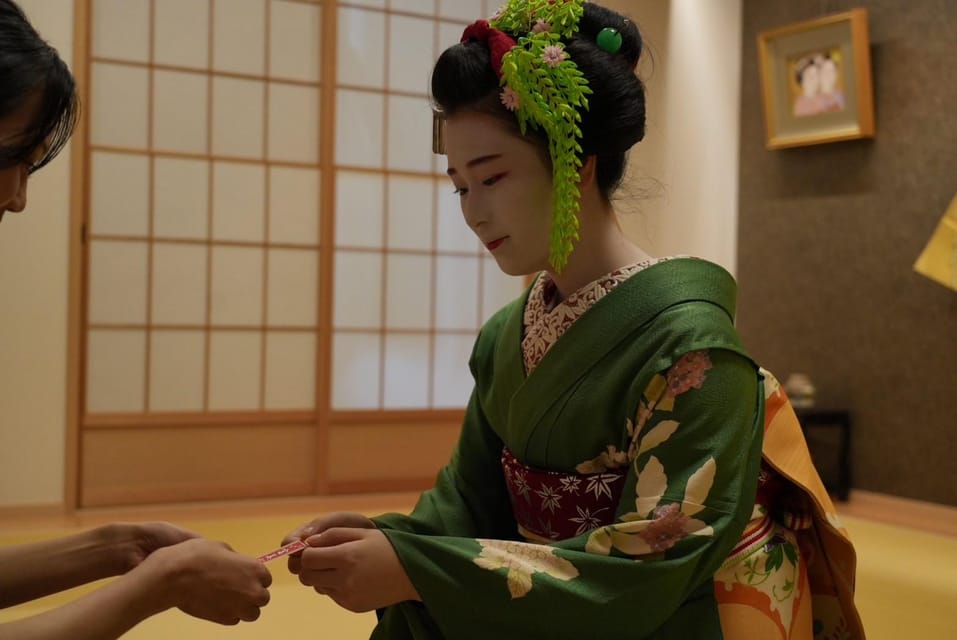
Then the tone changes. The second hour centers on a maiko apprentice show, where you’ll watch her dance and get a chance to ask questions.
This is where the tour feels most “Kyoto” in the best sense: you’re not just hearing about the arts. You’re seeing the discipline and elegance up close, in a setting designed for the performance. Because it’s a small group experience (limited to 6 people), the show doesn’t feel like it’s built for a mass crowd. It feels like your attention matters.
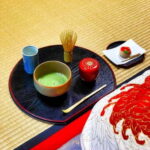
Tea and a Japanese snack are included. That matters more than it sounds. It takes the edge off waiting and makes the performance feel like a shared cultural moment rather than a quick transaction.
After the dance, you’ll have time for Q&A. Guests repeatedly highlight how thoughtful the conversation can be—especially with guides who translate patiently, like Ai Iwata and Yoshino (named in multiple experiences). You can expect questions about life as a maiko and the path within geiko/geiko apprentice culture, but also small cultural details that help you understand what you just watched.
One practical note: photo time and behavior are handled by the guide. A couple reviews specifically praised guidance on when photos are okay, and that’s what you want here. This is a respectful interaction, and your guide will help you avoid awkward moments.
The fan game: a playful way to learn the vibe
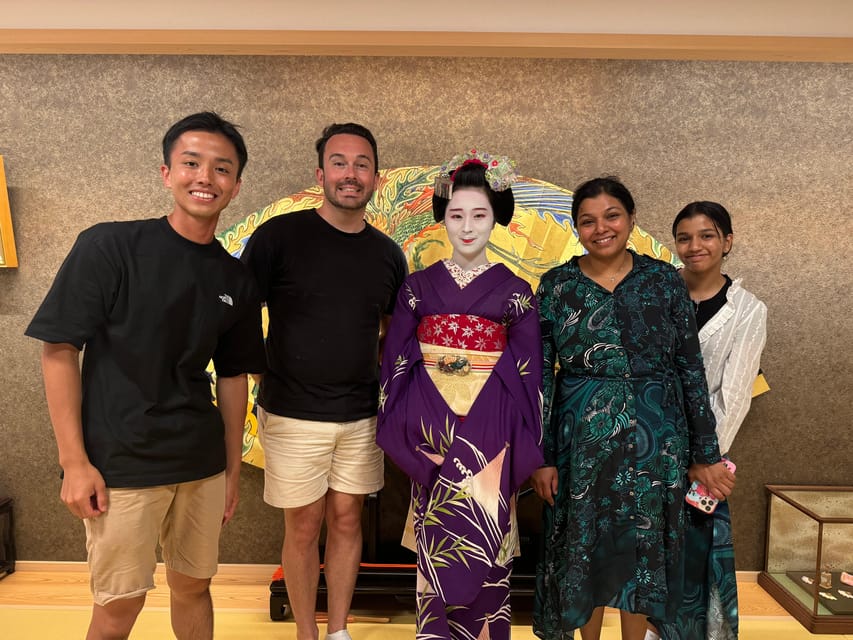
After the dance and Q&A, the tour adds its most unique twist: you play a traditional Japanese fan game with the geisha apprentice.
This part is why the experience doesn’t end at “watching.” Instead, it turns into something you do—briefly, simply, and in a way that connects you to the performance atmosphere. Guests who scored high on the overall experience often mention the fan game as the fun payoff, not just a scripted extra.
Even if you’re not great at games, you’ll likely find the tone friendly. Think of it as cultural interaction in action: you’re learning how the moment works while sharing laughs and small wins. It also gives you another chance to connect with the maiko beyond the dance and questions.
If you’re worried you’ll feel shy, don’t. In family groups (including older kids and teens), the fan game is often the activity that breaks the ice. It’s also the part that turns your memory from “I saw something” into “I did something with her.”
Tea, etiquette, and translation: what makes it feel personal
Small-group tours can be a marketing phrase. Here, the difference shows up in how you’re able to interact.
With guides like Rin and Ai Iwata, guests mention translation that stays patient and clear. That’s a big deal in cultural experiences. If you miss the nuance of a question or the answer, the whole moment loses depth. When translation is handled well, you catch the meaning behind the details, whether you’re asking about daily life or about what certain arts represent.
Etiquette support is also part of the value. Because this isn’t a museum setting, you’re moving through active streets and into a respectful performance interaction. Guests praised guidance on when to take photos and how to behave. That’s not just courtesy—it helps you relax and pay attention.
And yes, the tea and snack help too. They keep the experience from feeling like you’re rushing from one stop to another. It feels more like a planned cultural visit with time to settle.
You can also read our reviews of more tours and experiences in Kyoto




Price and value: what $108 buys in two hours
At $108 per person for 2 hours, this isn’t a budget activity. So the question isn’t whether it’s cheap. The question is whether you’re buying a rare kind of access.
You’re getting a complete package:
- A 1-hour Gion walking guide with context
- A maiko apprentice dance show
- Tea and a Japanese snack
- Time for questions
- A fan game with the maiko
That mix is the key. Many Kyoto activities give you one piece—either the walking context or the performance. Here you get both, plus an interactive element. The small group size (up to 6) is what turns those inclusions into something you actually feel.
Is it worth it for everyone? Not if your interests are mostly shopping or quick photo stops. But if you want to understand Gion and experience the arts in a close, respectful setting, the value starts to make sense fast.
Who should book this Gion experience, and who might skip it
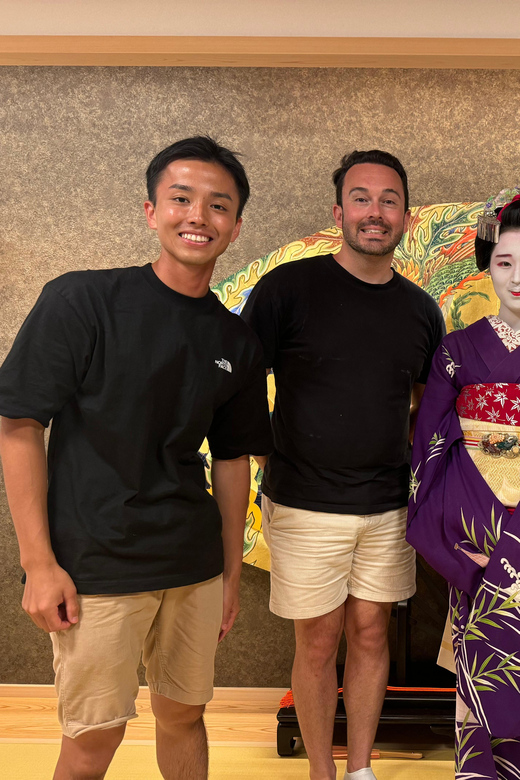
This tour fits best if you care about cultural context and want more than a sightseeing checklist.
It’s a strong match for:
- Art and performance lovers who want to see a maiko dance in a setting built for the moment
- People who like small groups and real conversation time
- Couples and families with older kids who are genuinely curious about geiko/geiko apprentice culture
It may be a less ideal fit if:
- You dislike structured tours or you need lots of free time to wander on your own
- You strongly dislike shop stops (some participants noted designated stops at shops)
- You’re looking for purely visual roaming without etiquette guidance or interaction
If you’re on a tight Kyoto schedule, this is also a smart choice because it’s short and focused. You don’t spend half your day commuting or waiting. You spend the time where it counts.
Should you book GuideMe Japan’s Gion walk and maiko show
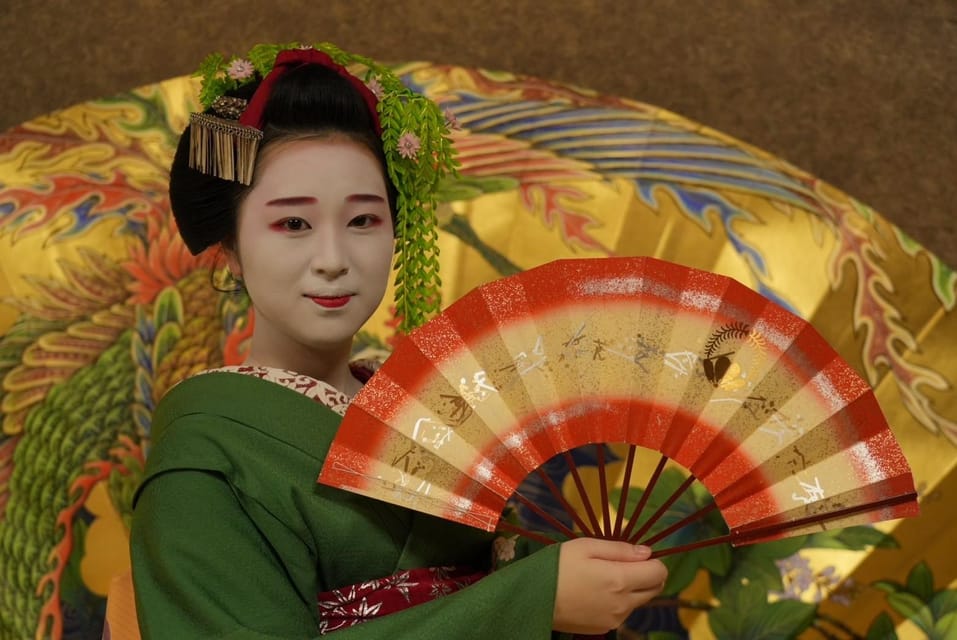
If your goal is a memorable Kyoto evening-style cultural experience—one that combines walking context, a maiko performance, Q&A, and a hands-on fan game—I’d say this is the kind of tour you should seriously consider.
I’d book it if you want small-group access and you’re excited by questions, not just watching. I’d also book it if you appreciate thoughtful guidance, like guests highlighted with guides such as Ai Iwata, Rin, Tang, Yoshino, and Hikaru Kuroki.
Skip it if your priority is shopping freedom or if shop pit stops would irritate you. Also skip if you prefer not to follow photo and etiquette cues. This experience works best when you’re comfortable sharing the space respectfully.
In short: if you want a Gion experience that feels both informative and human-sized, this one earns its strong rating.
FAQ
How long is the Gion walking tour with the maiko show?
The experience lasts 2 hours total, with 1 hour for the guided Gion walk and 1 hour for the maiko apprentice dance show and Q&A.
Where do I meet the guide?
You meet at the Izumo-no-Okuni Statue, right above Gion Shijo Station. The guide will be holding a white board that says GuideMe Japan.
What’s included in the ticket price?
It includes tea and a Japanese snack, a 1-hour walking tour of Gion, a 1-hour geisha apprentice show, and a traditional Japanese fan game with the geisha apprentice.
Is the tour guide available in English?
Yes. The tour is offered with an English live tour guide.
How large is the group?
The tour is a small group, limited to up to 6 participants.
Do I need to budget extra money for food?
Food beyond what’s included can cost extra. The tour includes tea and a Japanese snack, but additional expenses such as food are not included.