REVIEW · KYOTO
Kyoto:Seasonal Kaiseki Reservation at Hanasaki Nishiki
Book on GetYourGuide →Operated by TakeMe Co.,Ltd. · Bookable on GetYourGuide
Quiet Kyoto meals beat loud sightseeing. This seasonal kaiseki reservation takes place in a calm machiya townhouse near Shijo-Karasuma, so you get the “Kyoto mood” without going far from the shopping and business center. I really like two things here: the inner garden setting that makes the meal feel hushed and special, and the way the dishes focus on Kyoto ingredients like vegetables, tofu, and seasonal seafood.
The main drawback to keep in mind is that this is reservation-only and you won’t have a guide with you—so if you want help understanding courses, you’ll be relying on the restaurant’s explanations and your questions. Also, drinks are not included beyond water, so your final bill can creep up if you plan on ordering alcohol or soft drinks.
In This Review
- Key things I’d zero in on
- Seasonal Kyoto Kaiseki in a Quiet Machiya Near Shijo-Karasuma
- What 2 Hours of Kaiseki Actually Feels Like
- Monthly Menus With Kyoto Vegetables, Tofu, and Fresh Seafood
- Tatami Rooms, Horigotatsu, and a Garden View That Changes the Mood
- Service That’s Attentive Without Hovering
- Maiko and Geiko Performances by Request
- Price and What $39 Covers for Kyoto Value
- Getting There From Karasuma and Shijo Stations
- Who Should Book This Seasonal Kaiseki Reservation
- Should You Book Hanasaki Nishiki Seasonal Kaiseki?
- FAQ
- How long is the kaiseki reservation at Hanasaki Nishiki?
- What’s included in the price?
- Are drinks included?
- What seating style does the restaurant offer?
- Is there a guide provided during the meal?
- Can I request a maiko or geiko performance?
- What are the cancellation rules and the pay-later option?
Key things I’d zero in on
- Seasonal kaiseki that changes monthly, so the menu rhythm matches the time of year
- Kyoto vegetables, tofu, and seasonal seafood built into a full multi-course meal
- Tatami or horigotatsu seating in a quiet machiya-style space
- A peaceful inner garden view that turns dinner into a slower pace
- English-friendly dish explanations from staff, helpful if your Japanese is rusty
- Maiko and geiko performances can be arranged upon request
Seasonal Kyoto Kaiseki in a Quiet Machiya Near Shijo-Karasuma
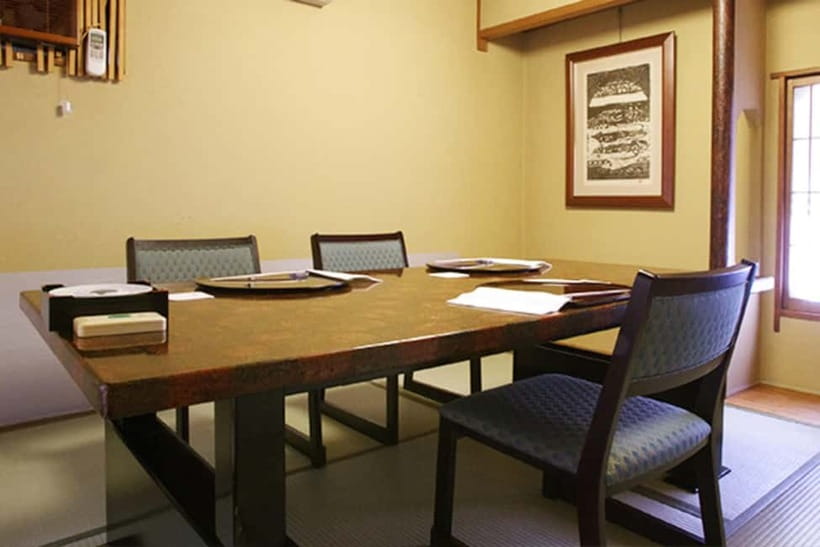
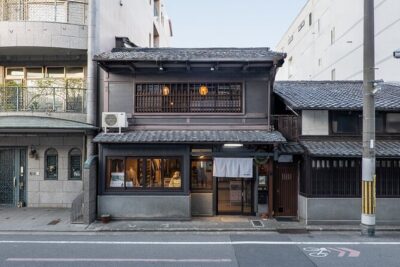
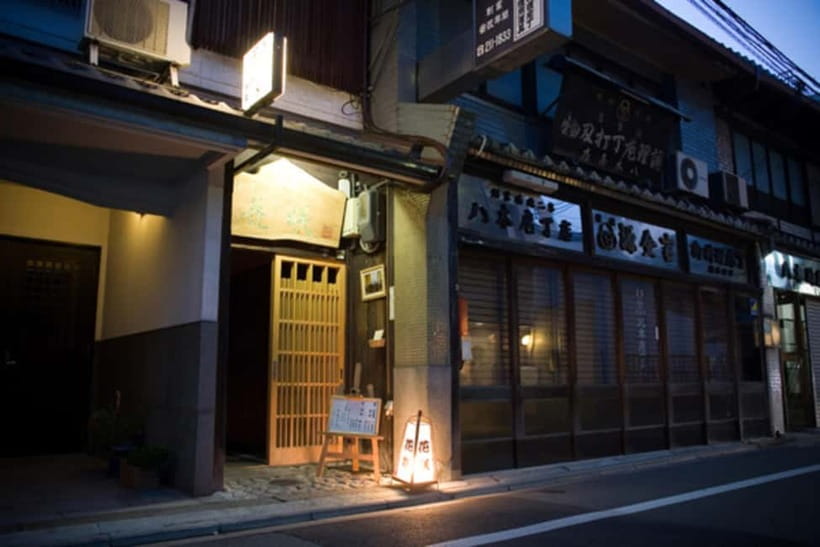
Hanasaki Nishiki is the kind of Kyoto meal that makes you lower your voice. It’s tucked into a quiet alley near Shijo-Karasuma, which means you’re close to central Kyoto—but once you step inside, the pace changes. Instead of foot traffic and shop noise, you get a traditional townhouse feel: soft light, calm room design, and that “we’re here to take care of your evening” vibe.
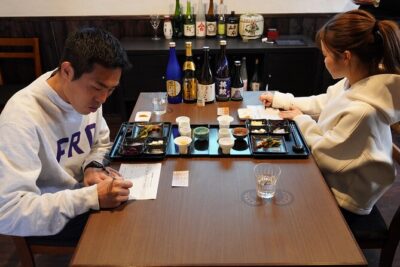
The restaurant is built around washoku-style attention: not just flavor, but presentation, texture, and balance. In practice, that means each course feels like part of a plan rather than random plates stacked onto a table. I also like that the kitchen leans on local ingredients you can actually connect to Kyoto—especially Kyoto vegetables and tofu—so the meal reads like the city, not just generic Japanese cuisine.
You can also read our reviews of more tours and experiences in Kyoto.
What 2 Hours of Kaiseki Actually Feels Like
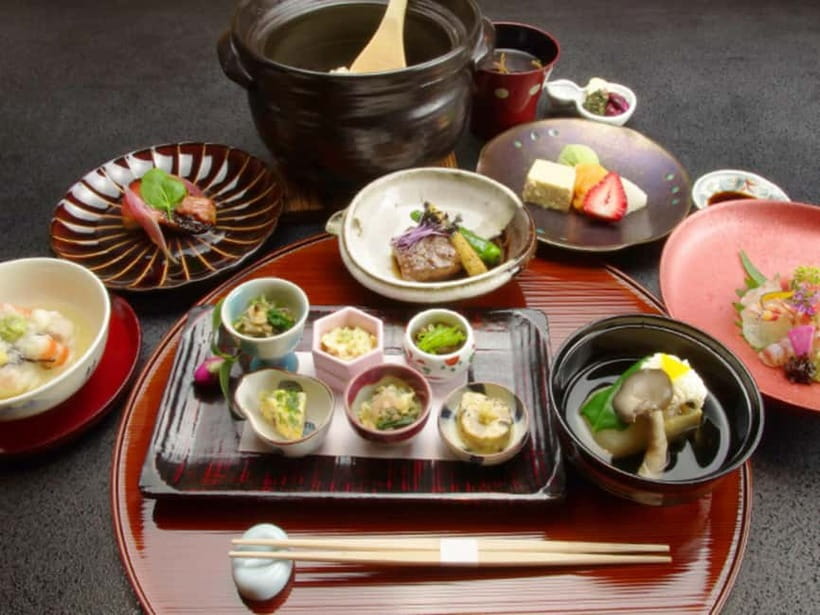
This is a full course kaiseki experience designed to last about 2 hours. The pacing is the point. You won’t be rushed through like a food court lunch, and you also won’t be stuck waiting for ages, either. The rhythm usually works best when you arrive ready to slow down—no sprinting between reservations, no “I’ll just scarf this down” mindset.
Because there’s no guide, the flow is straightforward: you sit, the meal proceeds course by course, and staff will answer questions as needed. If you’re the type who likes to know what you’re eating before the next plate lands, this is a good moment to ask. The restaurant’s staff can explain dishes in English, which makes it much easier to enjoy the subtle stuff without guessing.
One more practical note: since it’s a reservation-only setup, plan to go directly to the restaurant at your booked time. You’ll want to avoid showing up too early and wandering around the neighborhood like a confused tourist—this place is in a quiet lane, so it’s better to arrive when you’re supposed to.
Monthly Menus With Kyoto Vegetables, Tofu, and Fresh Seafood
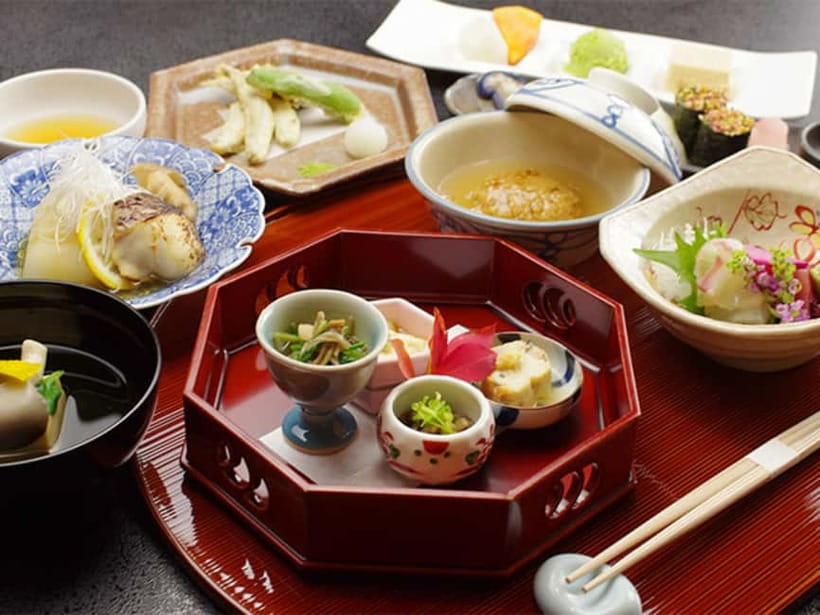
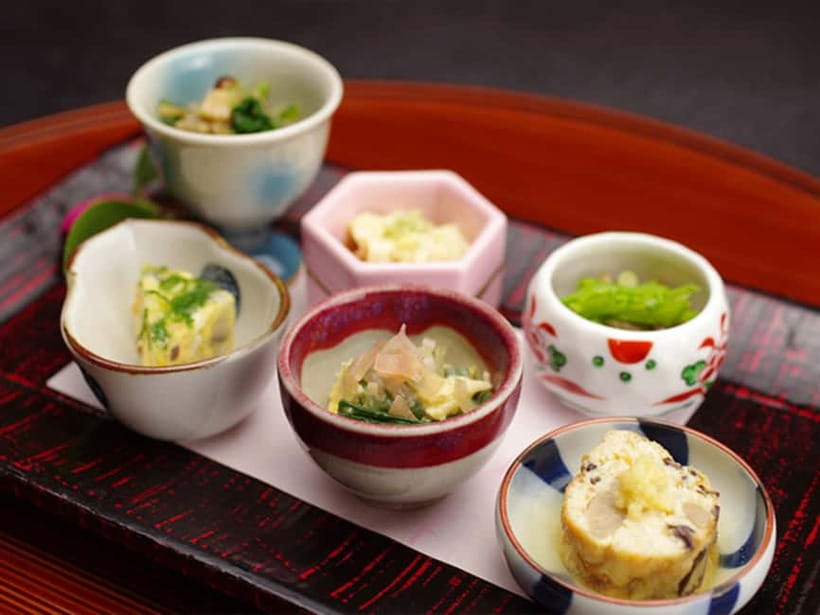
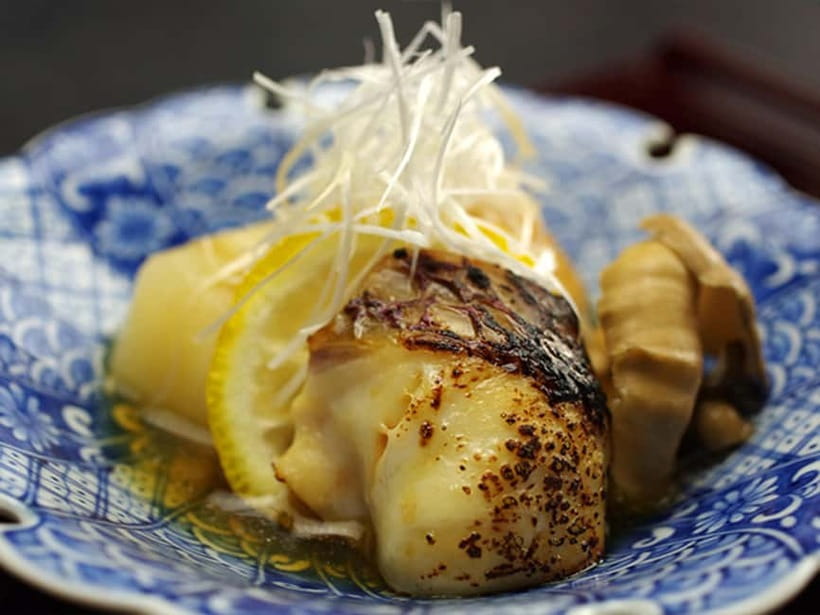
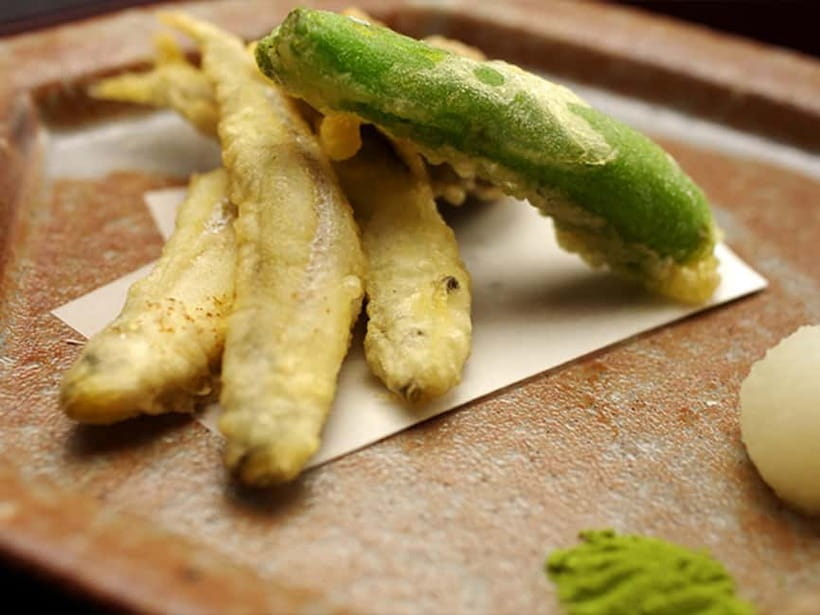
The menu focus is exactly what you’d hope for from seasonal kaiseki in Kyoto: the dish choices rotate monthly to match what’s available and at its best. That’s a huge part of the value, because it keeps the meal from feeling like a fixed script you could have had any week of the year.
You can expect ingredients rooted in Kyoto, including Kyoto vegetables, tofu, and seasonal seafood. There’s also mention of Kyoto beef in the kind of course experiences people describe from this restaurant, so if you’re hoping for that classic Kyoto flavor profile, you’re in the right place.
What matters for you is how this affects taste and satisfaction. Seasonal ingredients tend to taste fresher and more expressive, and the smaller-course format lets you notice differences—crispness, sweetness, umami, and how each element supports the next. It’s not just “a meal,” it’s a guided tour through the season, just done with food instead of museum labels.
Tatami Rooms, Horigotatsu, and a Garden View That Changes the Mood
The dining space is designed for quiet conversation and calm. You’ll choose between traditional tatami seating or horigotatsu (seated with a warming area underfoot), depending on the room setup. Either way, the style naturally slows your posture and your pace. You’re less likely to fidget, and that makes it easier to actually enjoy the courses.
Another standout is the inner garden atmosphere. Even though the restaurant sits near central Kyoto, the rooms look inward toward a peaceful courtyard. When you’re eating a multi-course meal, that garden calm matters more than you’d think. It gives you a soft visual rhythm while you wait for each course, and it makes the whole evening feel intentionally planned rather than just “we got a table.”
This is also a strong pick if you want a business lunch vibe that still feels Japanese and respectful. The rooms and service style lean formal-but-warm, so it’s not overly stiff.
Service That’s Attentive Without Hovering
Here’s the kind of service I like: attentive, responsive, and present—but not intrusive. That matches what this restaurant is known for. Staff can be careful about timing, and they also make an effort to explain dishes in English, which is a big deal if you’re not fluent in Japanese food terms.
Because there’s no guide, the restaurant staff are essentially your “course translator.” If you want to get the most out of kaiseki, this is your chance to ask simple questions like what ingredient is being emphasized this season, or what the dish’s flavor goal is (for example, sweetness, bitterness, or umami). You don’t need to be an expert—you just need to be curious.
One more comfort detail: you’ll typically be offered water, since drinks are not part of the included price beyond that. That keeps things simple and consistent during the meal.
Maiko and Geiko Performances by Request
If you want something extra cultural, you can arrange maiko and geiko performances upon request. The key word is request. Since this isn’t automatic for every reservation, you’ll want to ask ahead of time when you confirm your booking (or as soon as you can after booking, depending on how the reservation is handled).
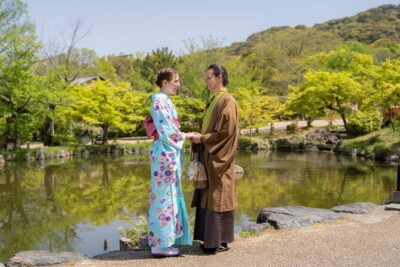
This option can change the feel of the experience. It turns your meal from a culinary experience into a broader cultural night. Just remember that performances are not listed as guaranteed as part of the standard meal—think of it as a possible add-on you’ll need to coordinate.
Price and What $39 Covers for Kyoto Value
At $39 per person, this reservation is priced in a way that can actually make sense for Kyoto. You’re paying for a full multi-course kaiseki menu, plus sales tax and the reservation itself. In many places, the base food might cost less, but once you add taxes, service structures, and “you must order drinks” realities, the total can climb fast.
What’s not included is just as important: drinks are not included, except water. If you plan to order tea, soda, beer, sake, or cocktails, your final cost will likely be higher than the headline price.
So, the real value question for you is this: do you want a carefully paced, seasonal Kyoto meal where the main event is the food? If yes, this price looks fair. If you want a long dinner with lots of drinks to take up most of the evening, you may feel the base cost is only the start.
Getting There From Karasuma and Shijo Stations
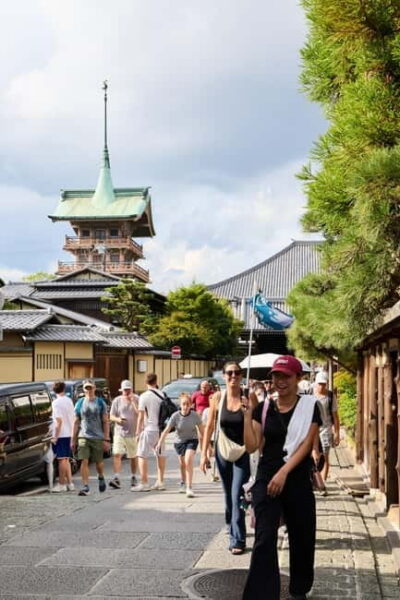
You’re close to transit, which is half the battle in Kyoto. The restaurant is about a 5-minute walk from Karasuma Station on the Hankyu Kyoto Line, and about a 5-minute walk from Shijo Station on the Kyoto Municipal Subway Karasuma Line. In other words, you can reach it without a complicated route, and then finish your day with a short, calm walk into that quieter alley.
Since the restaurant is reservation-only, I’d treat your arrival like a meeting: walk in at your scheduled time, find the entrance, and go straight to the restaurant. There’s a simple instruction to do exactly that, and it saves you time and stress in a central area.
Who Should Book This Seasonal Kaiseki Reservation
This is a good fit for you if you want a Kyoto meal that feels traditional but not overly intimidating. The tatami-style calm, the inner garden atmosphere, and the seasonal ingredient focus all work well for people who care about craft and want to experience Japanese dining in a respectful setting.
It’s also a strong option for:
- A special occasion where you want the food to feel thoughtful, not trendy
- A business lunch that needs professionalism and quiet
- Food lovers who like seasonal changes and local ingredients
- Travelers who would rather sit and enjoy a focused 2-hour experience than hop between places
One group I’d think twice about is anyone who needs a lot of structure from a guide. Because no guide is provided, you’ll be doing the talking and questions directly with staff. Luckily, English dish explanations are available, but you still need to be comfortable interacting.
Should You Book Hanasaki Nishiki Seasonal Kaiseki?
Yes—if what you want most is a calm, traditional Kyoto meal with real seasonal ingredient focus. The combination of monthly kaiseki menus, a serene machiya setting, and service that supports you (including English explanations) makes this a great use of limited Kyoto time.
Book it especially if you’re already in the Shijo-Karasuma area and want dinner that feels authentically Kyoto without turning the evening into a commute. Also consider it if you’re celebrating something, since the setting and pacing naturally support that kind of moment.
Skip or think hard if you’re mostly looking for a lively bar scene, or if you plan to spend heavily on drinks, since only water is included. And remember the big planning detail: it’s reservation-only, and there’s no guide—so arrive on time and let the restaurant team help you understand the meal as it unfolds.
FAQ
How long is the kaiseki reservation at Hanasaki Nishiki?
The experience runs for about 2 hours.
What’s included in the price?
You get the full course menu, sales tax, and the reservation.
Are drinks included?
Water is included, but other drinks are not included.
What seating style does the restaurant offer?
You can be seated in traditional tatami rooms, and some rooms use horigotatsu seating.
Is there a guide provided during the meal?
No guide is provided. The reservation is restaurant-only.
Can I request a maiko or geiko performance?
Yes, maiko and geiko performances can be arranged upon request.
What are the cancellation rules and the pay-later option?
You can cancel up to 24 hours in advance for a full refund, and you can reserve now & pay later.