REVIEW · KYOTO
Kyoto: Arashiyama Walking Tour – UNESCO World Heritage
Book on Viator →Operated by Local Guide Stars · Bookable on Viator
Two icons, one easy walk. I love the Tenryu-ji Temple calm and the Bamboo Grove photos, and the guide (often Uta) makes the whole route make sense fast. The main catch is also simple: you finish at Monkey Park Iwatayama, so you’ll plan your own way back down.
This is a short 1 hour 30 minutes walking tour that packs in UNESCO sights plus a nature stop with wild Japanese macaques. You also get a mobile ticket, and the guide helps with the key entrances so you’re not stuck figuring out tickets mid-walk.
One more thing to consider: you’ll have moderate walking with some uphill time for the monkey park views. If you prefer flat strolls only, this part may feel like a workout.
In This Review
- Key reasons this Arashiyama walking tour works
- Where Tenryu-ji Temple sets the tone
- The Bamboo Grove: photos are easy, understanding takes a little help
- Shops, sweets, and the real feel of Arashiyama
- Crossing toward the Monkey Park mindset
- Iwatayama Monkey Park: wild macaques and the big view
- How to enjoy Monkey Park with less stress
- Price and time: what $52.33 actually buys you
- Logistics that matter on a short walk day
- Who should book this Arashiyama walking tour
- Should you book it?
- FAQ
- How long is the Kyoto Arashiyama walking tour?
- What is included in the tour price?
- Are admission tickets included for both stops?
- Where does the tour start and where does it end?
- Is there a walking requirement or fitness level expectation?
- How many people are in the group?
Key reasons this Arashiyama walking tour works
- UNESCO stop that feels like a real Zen garden, not just a photo backdrop
- Bamboo Grove time with context, so you know what you’re looking at
- Monkey Park admission included, with your guide handling the ticket purchase
- Small group size (max 12) means you get attention and smoother pacing
- Cute local shops and sweets along the way, perfect for matcha breaks and bamboo-themed souvenirs
- Finish at the park, letting you linger on the views at your own pace
Where Tenryu-ji Temple sets the tone
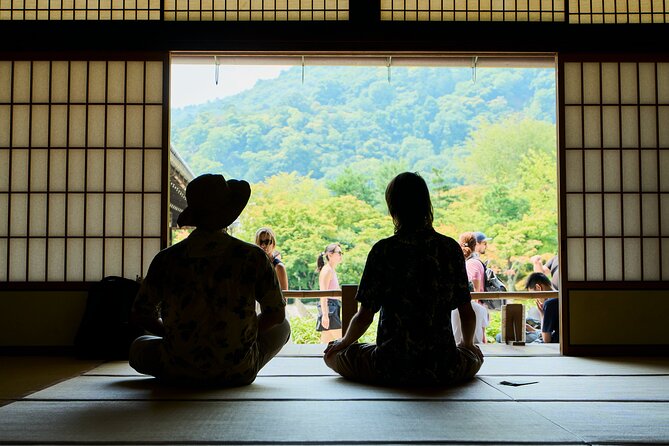
Arashiyama can feel like two different Kyoto moods in one day: peaceful temple grounds, then crowds of people hunting for the perfect bamboo photo. This tour starts by putting you in the quieter mindset first, at Tenryu-ji Temple. That order matters. You ease in with gardens and Zen atmosphere before you hit the most iconic photo lane.
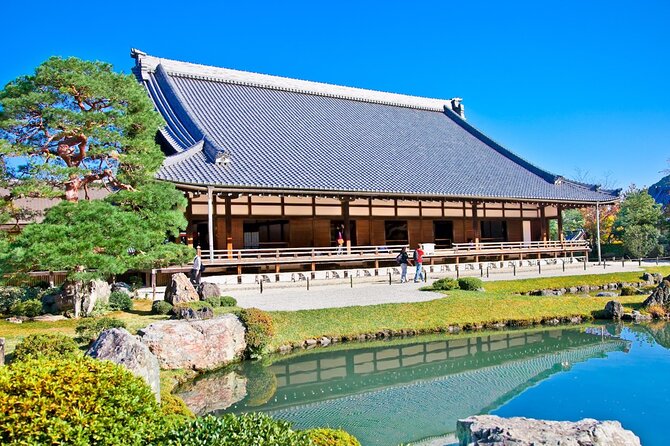
Tenryu-ji is a UNESCO World Heritage Zen temple, and the star element here is the historic Sogenchi Garden. Even if you’re not the type to study garden design, you’ll appreciate how the landscape is framed to match the season and the surrounding Arashiyama nature. The tour timing gives you about 50 minutes at the temple, which is just enough to slow down without feeling trapped in a long museum-style visit.
A bonus from the guide experience: Uta-style tours (based on real guest feedback) are heavy on small, useful details. People noted she takes time to explain the little things, not just rattle off facts. That changes how you experience places like Sogenchi Garden. Instead of standing in front of greenery and hoping it makes sense, you start seeing why it was arranged the way it was.
Practical tip: wear shoes you trust. Temple steps and garden edges can be slick in wet weather. Also, take a minute early on to get oriented—Tenryu-ji’s layout can be easier to enjoy if you know where you’ll circle back for the best views.
You can also read our reviews of more walking tours in Kyoto


The Bamboo Grove: photos are easy, understanding takes a little help
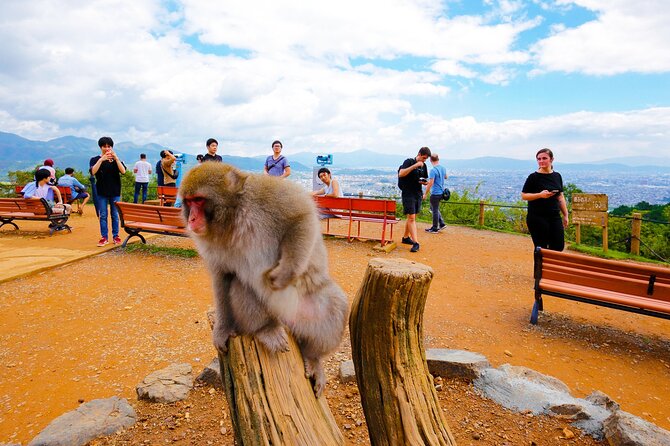
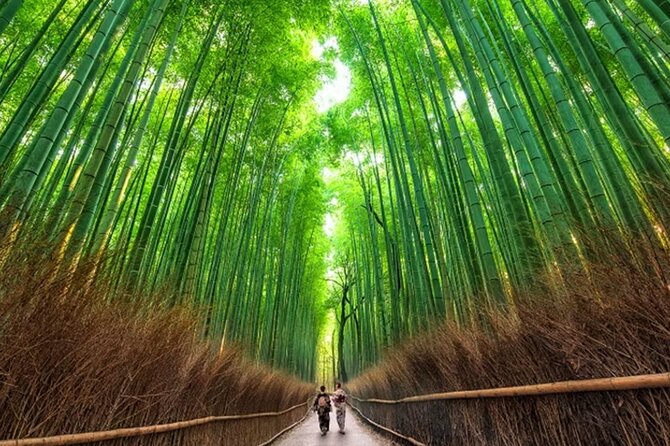
After Tenryu-ji, you walk into the famous Arashiyama Bamboo Grove, one of Kyoto’s most photogenic spaces. Yes, it’s full of picture-taking. Still, the grove works best when you’re not rushing. The tour keeps you moving at a pace that feels like walking with a friend, not herding.
What I like about this stop is that it’s not treated like a one-and-done photo wall. Your guide shares why the grove has global cultural significance, so you’re not just shooting green stalks—you’re noticing the rhythm of the path, how light hits the walkway, and how the bamboo forms a corridor.
If you’re picky about photos, you’ll appreciate having a guide who points out what to look for. In a place this popular, it’s easy to waste time chasing angles. Instead, focus on two or three photo priorities, then use the rest of your time to enjoy the sound and feel of the grove. It’s one of those spots where moving a step or two can change your shot a lot.
Also, expect the grove to be busy at peak hours. This tour is short, which helps you avoid spending your whole Arashiyama day just waiting in line for the best view.
Shops, sweets, and the real feel of Arashiyama
One of the smartest parts of this tour is that it doesn’t pretend Arashiyama is only temples and photo stops. Along the walking route, you pass local souvenir shops and sweets shops. You’re not forced into a meal or a formal tasting, but you’ll have chances to browse.
This is where you can pick up things like matcha sweets, wagashi, and handcrafted bamboo-themed gifts. If you like bringing home edible souvenirs, this is a good moment to do it because it’s right in the flow of your visit. If you’re more into gifts, bamboo crafts can be a fun category to shop for—small items that fit easily in luggage.
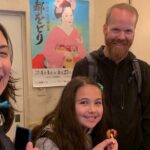
From the tour style people described, Uta often keeps energy up while still taking time for questions. One guest mentioned she even shared shaved ice cream with their group. That kind of small, human touch is part of why a guided walk can feel better than wandering solo: you get local pacing, plus someone who helps you spot the details you’d normally miss.
Quick practical note: the tour includes plenty of walking, but it doesn’t include dining-in. So if you get hungry, you’ll likely need to grab a snack yourself at the shops you pass. It’s a good plan to carry a small water bottle, especially if you’ll be at the monkey park in warm weather.
Crossing toward the Monkey Park mindset
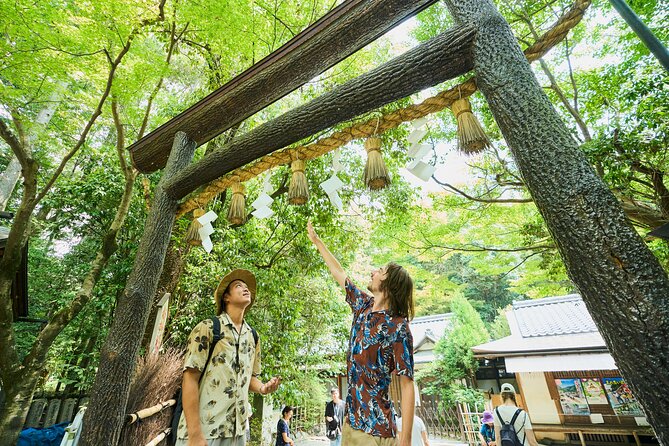
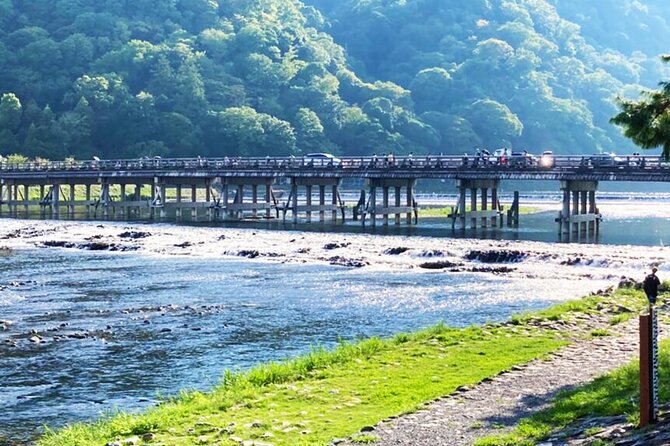
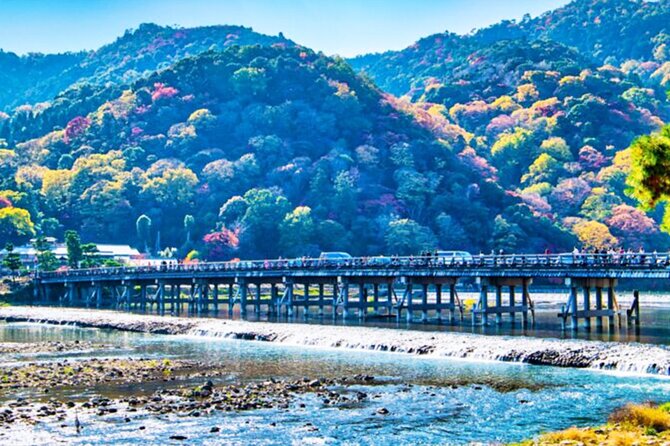
As you move from temple and grove into the Arashiyama bridge area, your tour shifts from a forest/temple mood to a street-and-view mood. You’ll cross Arashiyama’s famous bridge, which acts like a mental reset. The bridge area gives you wider views and a sense of scale—this is where you start thinking about the climb ahead.
This is also a good time to decide how you’ll handle the next stop. The monkey park experience isn’t just “walk up, take a picture, leave.” It’s a viewpoint with wild Japanese macaques, plus some stairs and incline to reach the best perspective.
Your guide purchases the admission for the monkey park, and the group continues on together. Then—here’s the practical part—you’re dismissed at the park entrance, meaning you can explore at your own pace after saying goodbye.
That structure is great for people who like freedom at the end of a tour. It’s also why it’s worth planning your return from the park area ahead of time. If you finish at the top, you need a plan for how you’ll get back down once you’ve had your macaque-and-view moment.
Iwatayama Monkey Park: wild macaques and the big view
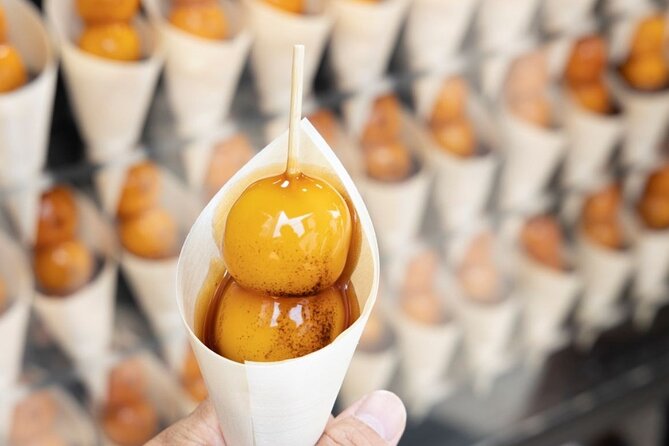
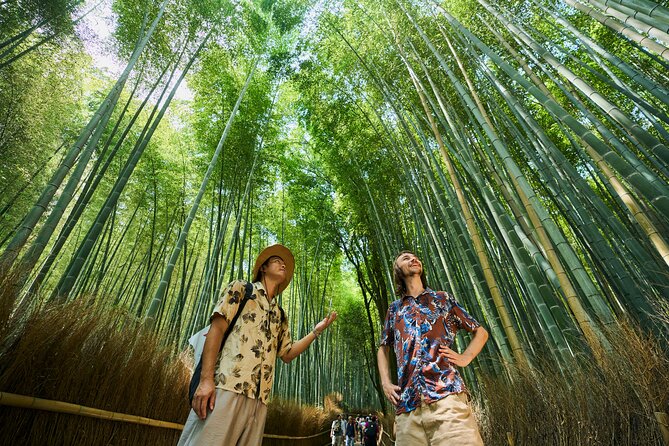
Monkey Park Iwatayama is the kind of stop that turns a normal walking day into a story you’ll remember. The park is on a mountaintop, and you get 30 minutes there with admission included.
The main draw is the macaques. The park is known for letting you see them up close, and the experience blends light hiking, nature, and wildlife spotting into one compact chunk. You’re not going on a long trek. Still, it’s active enough that you’ll feel like you earned the view.
The other half of the appeal is the panorama. Even if wildlife isn’t your top interest, the viewpoint from the park gives you that “Kyoto is a real place, not just postcards” perspective. You see the city spread and the surrounding scenery that makes Arashiyama special.
One practical thing: wild animals mean you should keep expectations flexible. Stay calm, watch where you step, and don’t get too close just for a better shot. If you’ve never been around macaques before, the park can feel surprisingly close and busy in moments.
You can also read our reviews of more historical tours in Kyoto
How to enjoy Monkey Park with less stress
- Give yourself time to look, not just photograph. The animals move and the view changes as you shift positions.
- Wear grippy footwear. The ground can be uneven.
- When your guide leaves you at the park, treat it as your chance to choose your own pace and routes within the area.
People’s feedback also highlights how well the guide communicates. One guest described Uta as picking them up from the station and sending clear evening-before messages so meeting up felt easy. That kind of clarity helps a lot on a day where the schedule ends with self-exploration.
Price and time: what $52.33 actually buys you
At $52.33 per person for roughly 1 hour 30 minutes, this tour is best viewed as a “guided access + two key entrances” deal. The tour includes:
- Tenryu-ji entrance
- Monkey Park Iwatayama entrance
- A local guide
You’re also not paying extra for long logistics like hotel pickup. You meet near public transportation and start walking. That helps keep costs reasonable for a short, focused experience.
Is it cheap? No. But it’s not overpriced either, because the price covers two admissions that you’d otherwise pay separately plus someone leading the walk. In Kyoto, guides can save time and confusion, especially when you’re combining temple pathways, a signature photo zone, and a hilltop park.
The best value angle is how the tour reduces friction:
- You’re not hunting for where to enter Tenryu-ji
- You’re not scrambling for monkey park tickets
- You’re not guessing what to look for in Sogenchi Garden and the bamboo grove
And because the group is capped at 12 travelers, the pacing should stay human. In popular areas, that small size can mean you move more smoothly and spend less time stuck waiting for others.
A quick heads-up: meals and food stops aren’t included. If you want lunch, plan it for after. This tour is designed as a focused walking window, not a half-day food crawl.
Logistics that matter on a short walk day
This tour starts at Concept Randenarashiyamaekikita Coin Parking Lot (Sagatenryūji Tsukurimichichō, Ukyo Ward area) and ends at Arashiyama Monkey Park Iwatayama. The end location is important because you’re dismissed and you explore on your own after that.
So think ahead about your return plan. The tour doesn’t include transport back to your next stop; the monkey park is on a hill, and you’ll be choosing how you get down once you finish your time there.
Also, this is a walking tour with moderate physical fitness recommended. That doesn’t mean you need to be athletic, but it does mean you should be comfortable with uneven terrain and some uphill time.
Good news: it’s described as near public transportation, so meeting the group should be workable even if you’re not taking a taxi. Plus, you’ll have a mobile ticket, which usually makes day-of entry simpler.
One small tour-life detail: confirmation happens at booking, and cancellation is described as free with enough notice. That flexibility is useful in Kyoto, where weather can change your plans fast.
Who should book this Arashiyama walking tour
This is a great fit if you want:
- UNESCO + iconic photos without turning Arashiyama into an all-day project
- a guide who helps you understand what you’re looking at (especially in the gardens and bamboo grove)
- a wildlife viewpoint moment that isn’t a full hike day
It’s also smart for solo travelers who don’t want to manage the route alone. The small group setup makes it easier to ask questions and get your bearings.
If you’re a family traveling with kids, it might work depending on their comfort with the monkey park incline. Since the route ends at the park, families may enjoy that self-paced time at the end, but everyone should be ready for stairs.
If you hate walking uphill at all, then this may feel like more effort than you want, even though the overall duration is short.
Should you book it?
I’d book this tour if you’re trying to see the classic Arashiyama hits in a manageable time window and you value having someone help you connect the dots. The combination of Tenryu-ji (UNESCO and Zen garden focus), Bamboo Grove (photos plus context), and Monkey Park Iwatayama (wild macaques and panoramic views) is a strong mix for first-timers.
Skip it (or at least consider your fitness and return plan) if you don’t want a finish-at-the-park format. Once you’re dismissed, you’re on your own, and you’ll likely need energy for the downhill part after enjoying the macaques.
If you like guided walking tours with a personal touch, this one has a clear advantage: Uta gets praised for communication, energy, kindness, and taking time to explain the details that make Kyoto feel real.
FAQ
How long is the Kyoto Arashiyama walking tour?
It’s about 1 hour 30 minutes.
What is included in the tour price?
The tour includes the entrance fees for Tenryu-ji Temple and Monkey Park Iwatayama, plus a local guide.
Are admission tickets included for both stops?
Yes. Entrance to Tenryu-ji and Monkey Park Iwatayama is included.
Where does the tour start and where does it end?
The tour starts at Concept Randenarashiyamaekikita Coin Parking Lot and ends at Arashiyama Monkey Park Iwatayama.
Is there a walking requirement or fitness level expectation?
A moderate physical fitness level is recommended.
How many people are in the group?
The tour has a maximum of 12 travelers.