REVIEW · KYOTO
Kyoto and Nara Day Tour from Kyoto
Book on Viator →Operated by Trevopedia Wonders · Bookable on Viator
One day, two ancient capitals. That is the appeal here: you hit Kyoto’s big icons and then slide into Nara for deer and temple-gate views, all in an 8 to 9 hour day. I like the big-name stops you get (not just one or two), and I also like that the tour includes admission and transportation, so you can spend your energy looking up instead of figuring out buses.
The guidance style is another plus. A properly organized guide, plus clear pacing, helps you enjoy each place even if you’re new to Japan’s temple crowds. One consideration: you may not get super-detailed, step-by-step directions at every stop, so plan to stay aware of where to meet the group and use a map on your phone just in case.
In This Review
- Key things to know before you go
- Kyoto + Nara in one day: why this route is practical
- Starting at Kyoto VIP Lounge at 9:00 AM (and why that helps)
- Kinkaku-ji (Golden Pavilion) in about 1.5 hours: what to expect
- Arashiyama bamboo grove + Togetsukyo: how 2.5 hours really plays out
- Fushimi Inari Taisha: making sense of 1.5 hours in the torii maze
- Nara Park and the Todai-ji Chumon area: deer + a major temple gate
- Driver and guide: the real difference-maker on a long day
- Price and value: what you really pay for
- Weather, walking, and staying comfortable
- Who this Kyoto and Nara tour suits best
- Should you book this Kyoto and Nara day tour?
- FAQ
- FAQ
- What’s the starting location for the tour?
- How long is the Kyoto and Nara day tour?
- How much does it cost?
- What are the main stops during the day?
- What admissions are included?
- Is lunch included?
- What’s the group size limit?
- Is the tour affected by weather?
- Is it refundable if I cancel?
Key things to know before you go
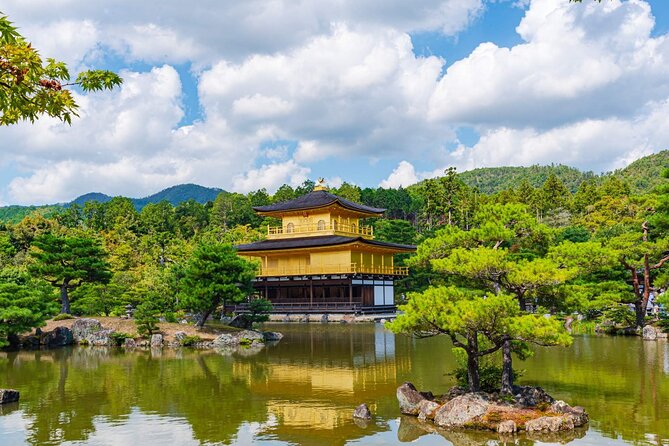
- Kinkaku-ji (Golden Pavilion) with admission included, giving you real time at the gold-leaf landmark
- Arashiyama bamboo and Togetsukyo in a long enough block to walk, pause for photos, and not feel rushed
- Fushimi Inari Taisha torii gates with a focused visit window so you can choose how far uphill to go
- Nara Park + deer time with about 3 hours on the ground, so it’s not a quick drive-by
- Group size capped at 40 and a full day that includes travel time (8 to 9 hours total)
Kyoto + Nara in one day: why this route is practical
If you’re only in the region for a short trip, this kind of day tour is a sanity saver. Kyoto and Nara are both famous, and doing them on your own can turn into a lot of transfer time, ticket lines, and route anxiety. With this tour, you’re mostly in “go-and-see” mode, plus you get transportation and key admissions handled.
You’ll spend roughly 8 to 9 hours total, and that includes moving between sites. That matters because most first-time visitors underestimate how long travel and crowd-wrangling takes, especially when you’re jumping from one hot spot to the next. This schedule is built around staying active, not sitting for hours.
The price is $105.90 per person, which is worth thinking about as a bundle. You’re paying for transportation and multiple admissions, plus guided timing. If you tried to DIY four major stops plus transit, you’d likely spend a similar total once tickets and time savings are factored in.
You can also read our reviews of more tours and experiences in Kyoto.

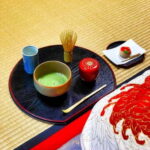
Starting at Kyoto VIP Lounge at 9:00 AM (and why that helps)
The day begins at the Kyoto VIP Lounge KyotoJapan near public transportation. Departure is listed for 9:00 AM, and the tour returns to the same meeting point at the end. Starting from one coordinated place makes it easier for you to stay relaxed; you don’t have to hunt for the exact bus stop or scramble for the right platform.
One tip that genuinely helps: arrive a few minutes early and make sure you can identify your group quickly. Japan days can be punctual to the point of scary, and you’ll feel calmer if you’re ready when the clock starts.
Also, because this is a maximum of 40 travelers, you should expect a real group dynamic. In practice, that means the guide will keep moving you along at a steady pace. If you’re the type who likes to wander a bit on your own, you’ll still be able to, but you’ll want to stay close enough to hear regroup instructions.
Kinkaku-ji (Golden Pavilion) in about 1.5 hours: what to expect
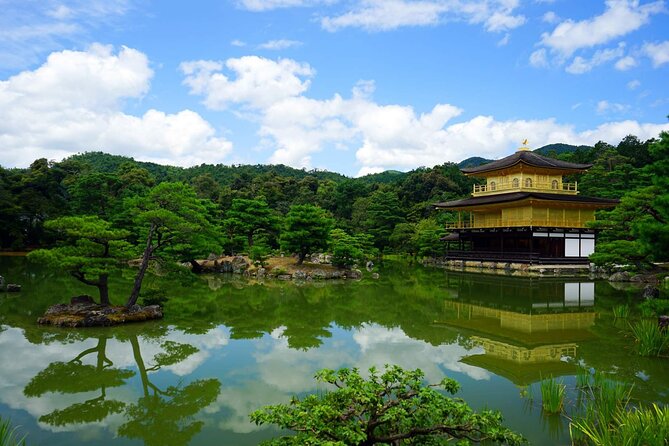
Kinkaku-ji, the Golden Pavilion, is the stop people talk about for a reason. The top floors are covered in shimmering gold leaf, and the whole place has that famous Zen calm you can feel even when it’s crowded. You get about 1 hour 30 minutes here, and admission is included, so you can focus on the views instead of paperwork.
In that time, you’ll want to do two things well. First, take in the pavilion from the main viewing area so you get the full “golden sheet” effect people remember. Second, don’t rush past the surrounding walks; small sightlines can be better for photos than the busiest exact center point.
Potential drawback: 1.5 hours sounds roomy until you factor in queue time, the crowd flow, and people stopping constantly for pictures. If you’re traveling with anyone who moves slowly, tell the guide early so the group can absorb that pacing.
Arashiyama bamboo grove + Togetsukyo: how 2.5 hours really plays out
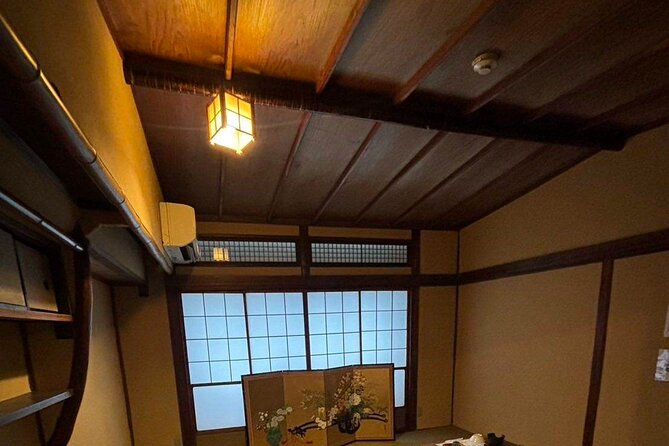
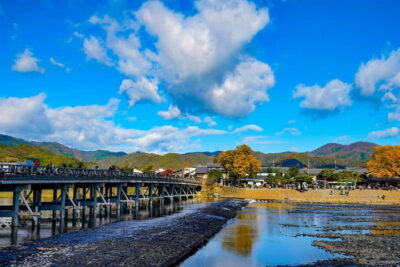
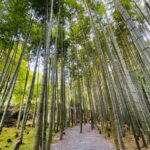
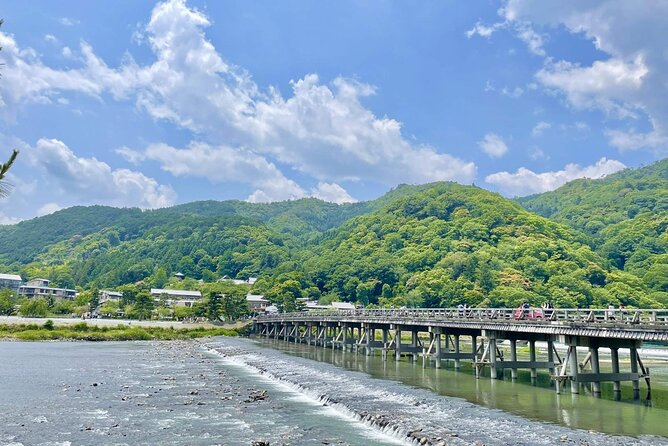
Arashiyama is one of those areas that feels like two different places in one. You have the bamboo grove that draws you in, and you also have the wider district energy once you walk out toward the river and viewpoints. Your time here is about 2 hours 30 minutes, which is long enough to do more than just peek.
The highlight is the bamboo atmosphere—cooler, quieter, and instantly different from central Kyoto streets. From there, you can also take in the Togetsukyo area (the well-known bridge viewpoint and the river views that come with it). The tour includes admission for this stop, so you’re not hunting down tickets while your legs are already tired.
How to make the most of it: aim for a steady rhythm. Walk in, pause for photos when the path opens up, then walk again before the crowd thickens. Bamboo scenes get photographed constantly, so the best photos usually come from small angle changes—step a little left, then a little right, and you’ll see how the grove lines up.
A note on comfort: Arashiyama walking is real walking. Wear shoes you trust, and if it’s humid, plan small breaks. This tour tends to run thoughtfully, and a good guide will keep the group moving without sprinting everyone to the next spot.
Fushimi Inari Taisha: making sense of 1.5 hours in the torii maze
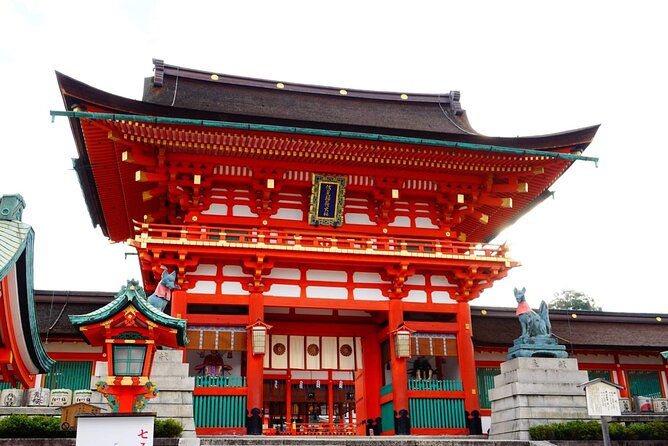
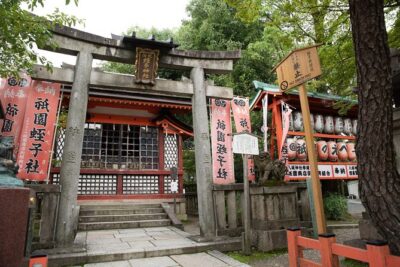
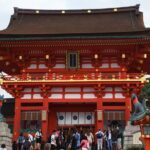
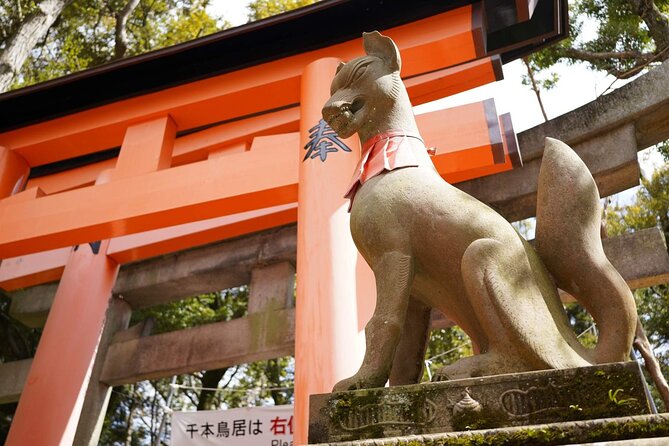
Fushimi Inari Taisha is famous for its thousands of vermilion torii gates that form long visual corridors. The tour allocates about 1 hour 30 minutes here, and admission is included.
Here’s the smart way to use your time: don’t feel like you must go all the way uphill to the farthest point every single time. Instead, pick your goal level early. If you enjoy stepping through the gates and reading the atmosphere, you’ll be happy turning back sooner. If you like a bigger uphill walk, go farther—just make sure you can comfortably retrace your steps.
What I like about this setup is the forced clarity. One hour 30 minutes is long enough to feel the place, but short enough that you’re not stuck planning your whole day around one site. You’ll also want to keep your eyes up and sideways: the torii lines are the obvious draw, but the small shrines and side views add variety once you’re mid-path.
If you’re a first-timer, watch your timing. This is a place where the crowd can thicken fast, and it can slow people down without warning. Use the first stretch of your walk to find your pace, then adjust as needed.

Nara Park and the Todai-ji Chumon area: deer + a major temple gate
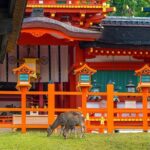
Then you shift into Nara, where the mood changes quickly. Nara Park is known for wide green spaces and the free-roaming deer, including the classic moment when they bow politely as you pass by. Your stop runs about 3 hours, and Nara Park admission is included.
That longer time block matters. You’ll want space to move, take photos, and avoid feeling like you’re stuck in one spot because everyone else is. Deer are unpredictable in the way friendly animals can be—close enough to be memorable, sometimes bold enough to grab your attention—but in practice you’ll adapt quickly as long as you stay calm.
Also, this is where the famous Todai-ji Chumon comes into your day. It’s the big temple gate area people look for in Nara. Even if you’re not a temple-architecture specialist, the sheer scale makes it easy to understand why it matters.
Practical tip: if it’s crowded, go a bit slower at the gate area. That’s when you’ll get the best sense of proportion. At the park, keep an eye on your footing too—paths can be uneven, and everyone is trying to step around deer and strollers at once.
Driver and guide: the real difference-maker on a long day
A good day tour is partly the itinerary and partly how it’s run. With this experience, the big advantage is the human factor: a guide who keeps things organized, stays patient, and helps you feel like you know what’s next. The most useful behavior is the kind that prevents you from wasting time—especially when you’re moving through crowds.
One helpful pattern you may see: before you arrive at a site, the guide shows photos or references for what you’re about to see. That makes the landmark feel less abstract when you finally step there. It also helps you know what to look for fast once the group arrives.
About pacing: the tour runs long enough to cover four major zones without feeling like you’re only skimming. Still, it’s one day, and you will walk. If you’re sensitive to heat, take advantage of small pauses when the guide stops the group—those moments help more than you’d think.
Possible drawback to plan around: on-site explanations can be brief. That doesn’t ruin the day, but it does mean you should pay attention to meeting instructions and reconfirm the regroup time before you wander off. I’d also save the meeting point in your phone and keep your battery topped up so you’re not stressed.
Price and value: what you really pay for
At $105.90 per person, you’re paying for more than “a bus ride.” You get transportation and included admissions for the major stops, plus optional lunch if you select that option. That’s a meaningful value piece because tickets at famous sites add up, and the time saved from having someone else handle the basics can be worth the cost.
If you’re comparing to DIY, think in terms of friction. DIY can be cheaper on paper, but then you deal with transit routes, multiple ticket lines, and the challenge of keeping your timing while also trying to enjoy yourself. This tour is built for people who want to enjoy the day without constantly checking phones for directions.
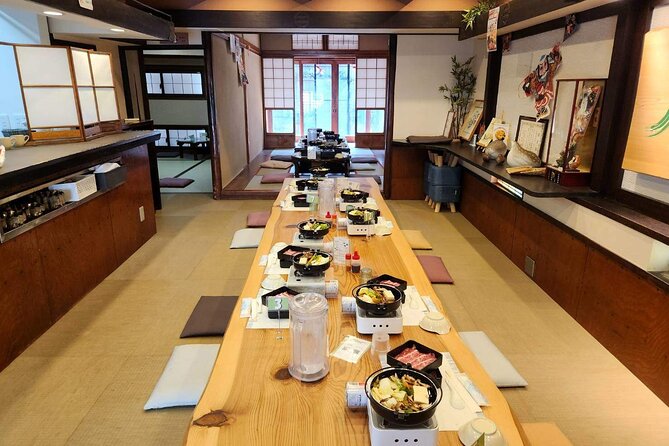
Included lunch is an optional upgrade. If you don’t select it, you’ll be responsible for meal costs, which is normal. Either way, plan for at least one meal situation, because you won’t want to cram dinner plans immediately after the tour. This is a full-day schedule.
Weather, walking, and staying comfortable
The tour notes that it requires good weather. If conditions are poor and the tour has to be canceled, you’ll be offered a different date or a full refund. That’s important because some Kyoto and Nara walking areas don’t feel great in heavy rain.
So what should you do as a practical traveler? Pack for walking and weather swings. Even on decent days, Kyoto humidity can surprise you, and temple areas often mean you’re in sun exposure for parts of the route. A small umbrella and a light layer can make the difference between “nice day” and “why did I forget this?”
Also, because this is a full circuit, you’ll want to pace yourself early. Don’t save all your energy for Nara. If you start strong but slow down later, you’ll feel rushed at the last stops. A patient guide and steady regroup rhythm help, so don’t hesitate to ask for clarity if you feel behind.
Who this Kyoto and Nara tour suits best
This is a strong fit if you want the highlights without doing homework. If you’re first-time in Kyoto, or you just don’t want to spend your day jumping between transit routes, the structure makes sense.
It’s also a good match if you travel with someone who appreciates planning. A well-organized day helps everyone feel calmer, especially when you’re switching between temple, bamboo, shrine corridors, and a park.
If you prefer total independence and long free exploration, you might find the guided format a bit limiting. You’ll still get time to walk and look, but you’re doing it inside a shared schedule with regroup points. If you’re the type who likes to linger in one spot, bring a flexible mindset and choose your “linger moments” strategically.
Should you book this Kyoto and Nara day tour?
I’d book it if your top priority is seeing Kinkaku-ji, Arashiyama, Fushimi Inari Taisha, and Nara Park in one smooth day with tickets and transportation handled. The price is reasonable for the number of major stops and the fact you’re not managing transit and admissions back-to-back.
I wouldn’t book it if you know you need very detailed, stop-by-stop directions every time, or if you dislike group pacing. In that case, you might prefer a DIY plan so you can control every turn.
My practical bottom line: if you’re okay paying for convenience and you’ll stay alert about regroup points, this tour is an efficient way to get a lot of Kyoto and Nara impact without turning your vacation into a logistics project.
FAQ
FAQ
What’s the starting location for the tour?
The tour starts at Kyoto VIP Lounge KyotoJapan, 601-8417 Kyoto, Minami Ward, Nishikujō Toriiguchichō, 6番地 1F, with departure at 9:00 AM.
How long is the Kyoto and Nara day tour?
The duration is listed as about 8 to 9 hours, and that includes travel time.
How much does it cost?
It costs $105.90 per person.
What are the main stops during the day?
The tour visits Kinkakuji (Golden Pavilion), Arashiyama, Fushimi Inari Taisha, and Nara Park (with time to see the Todai-ji Chumon area as part of the Nara visit).
What admissions are included?
Admission is included for Fushimi Inari-taisha Shrine, Kinkakujiyu (Golden Pavilion area), Nara Park, and the Kinkakuji Temple admission ticket.
Is lunch included?
Lunch is included only if you choose the option that includes lunch.
What’s the group size limit?
The tour has a maximum of 40 travelers.
Is the tour affected by weather?
Yes. The experience requires good weather. If it’s canceled due to poor weather, you’ll be offered a different date or a full refund.
Is it refundable if I cancel?
The experience is non-refundable and cannot be changed for any reason. Cancellation is not eligible for a refund.