REVIEW · KYOTO
Pedal through Kyoto’s Past: A Private Biking Odyssey
Book on GetYourGuide →Operated by Opatrip.comU.S. · Bookable on GetYourGuide
Kyoto by bike feels like cheating, in the best way. This private ride threads together Gion and the golden glow of Kinkaku-ji with a local guide who can explain what you’re seeing as you pass it. I especially like how the route is designed to help you move with your own rhythm instead of getting stuck in a pack, and the private setup means fewer crowd stops and more time with the details.
The main consideration is simple: you need to be comfortable riding a bike for a full 6 hours. Also, for a tour priced per group (up to 2 people), it’s best value when you’re two riders who want the same day, same guide, same pace.
In This Review
- Key Highlights Worth Getting Excited About
- Starting From Nishi Hongan-ji: A Calm Launch Point
- Pedaling Through Gion’s Historic Streets Without the Crowd Crush
- Kinkaku-ji’s Golden Pavilion: Why the Bike Angle Helps
- Senbon Torii Vermilion Gates: The Walk-Through Feeling on a Route
- Possible Detours: Imperial Palace Elegance and Tōfuku-ji Seasonal Sights
- Why a Local Private Guide Changes Everything
- What’s Included, What Isn’t, and What You Should Budget For
- How to Make the Most of a 6-Hour Ride
- Who This Tour Fits Best
- Should You Book Pedal Through Kyoto’s Past?
- FAQ
- How long is the Kyoto private biking odyssey?
- What does the price include for up to 2 people?
- Where do we meet for the tour?
- Is this a private tour or shared group?
- What are the main sights included?
- What languages are the tour guides available in?
- Is free cancellation available?
- Can I reserve now and pay later?
- Is the tour suitable for children?
- Do I need to be able to ride a bike?
Key Highlights Worth Getting Excited About
- Private group for up to 2: you’re not sharing the day with strangers.
- Gion on two wheels: historic streets and atmosphere without the slow shuffle.
- Kinkaku-ji’s golden pavilion: a signature Kyoto sight at bike-friendly viewing angles.
- Senbon Torii vermilion gates: a dramatic tunnel effect as you move through.
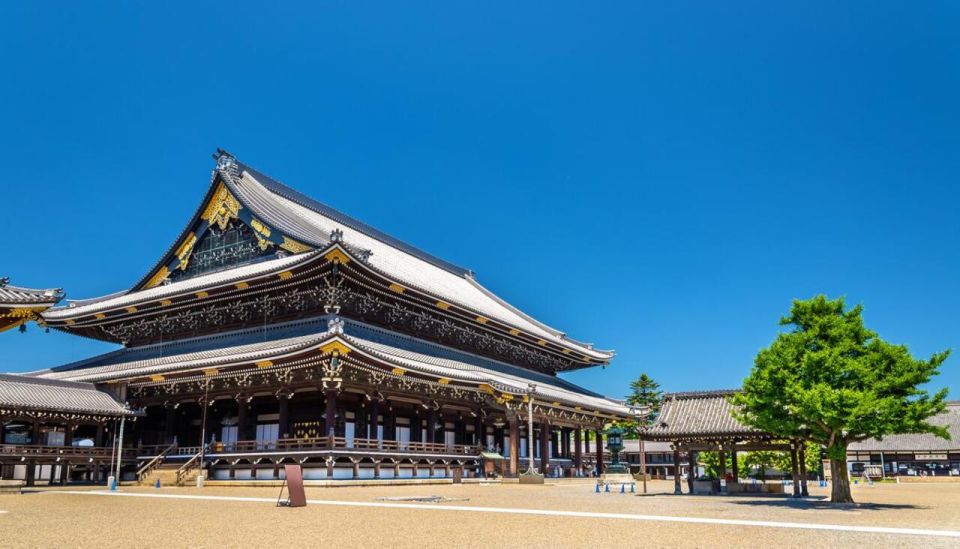
- Start at Nishi Hongan-ji: you begin with temple calm before the famous landmarks.
- A guide who names what matters: one review called Tomomi the best guide ever for Kyoto culture and history.
Starting From Nishi Hongan-ji: A Calm Launch Point
Your day starts near Nishi Hongan-ji Temple. That opening matters more than you might think. Big Kyoto sights can feel like a nonstop checklist, but beginning with a major temple area gives you a mental reset. You start in a place built for stillness and scale, then you ride outward when your eyes are ready.
Your guide meets you near the temple and will explain the exact meeting point, which is useful because “near” can mean a few different streets depending on where you come from. If you arrive early, use that time to get comfortable with the bike and the plan—private tours work best when you and the guide sync quickly.
You can also read our reviews of more cycling tours in Kyoto
Pedaling Through Gion’s Historic Streets Without the Crowd Crush

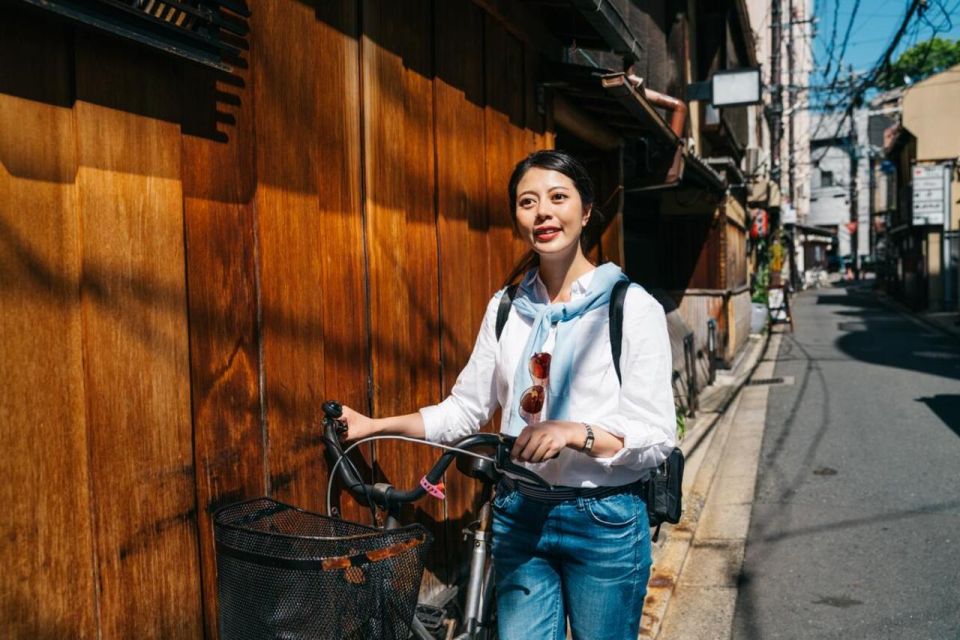
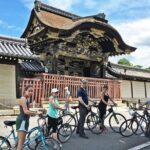
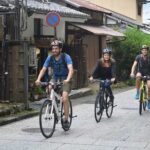
One of the tour highlights is cycling through Gion, Kyoto’s famous geisha district area. Even if you’ve seen photos, being there on a bike changes the feel. You glide through side streets rather than pacing the same long lines. You get closer to the everyday street texture—wood, stone, lantern-like lighting, and the way alleys open up in short bursts.
I like Gion in this format because it’s not just about one photo spot. You’re riding past many small scenes, and a good guide helps you connect the dots—how the district fits into Kyoto’s history and what the architecture is trying to show. In one of the highest-rated reviews, the guide Tomomi stood out for knowing culture and history down to the details. That’s exactly the kind of help that turns Gion from scenery into context.
Possible consideration: Gion can involve more turning and stop-and-go than a pure “highway ride,” so it’s worth being confident at low speeds and tight navigation.
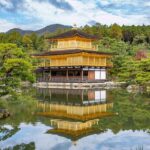
Kinkaku-ji’s Golden Pavilion: Why the Bike Angle Helps
Next up is Kinkaku-ji, the iconic golden pavilion. This is one of those Kyoto moments where everyone has the same image in their head—and still, it can surprise you in person. On a bike tour, you’re not just waiting for your turn. You’re moving, which lets you adjust where you stand and how you frame the view.
Here’s what I find valuable: a local guide can point out what you should notice beyond the “gold.” Even without inventing extra stops, the explanation can shift your focus from appearance to symbolism—why this place looks the way it does, and how it fits into Kyoto’s temple traditions. The review that praised Tomomi also mentioned her knowledge of Kyoto’s culture and history and how she handled the fine details. For a landmark as well-known as Kinkaku-ji, that kind of interpretation is what makes the time feel earned, not just spent.
Tip: Bring a phone camera plan, but don’t spend the whole time behind the lens. The best moments often come when you pause for a quick look, then move again before the light changes.
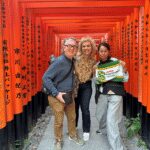
Senbon Torii Vermilion Gates: The Walk-Through Feeling on a Route
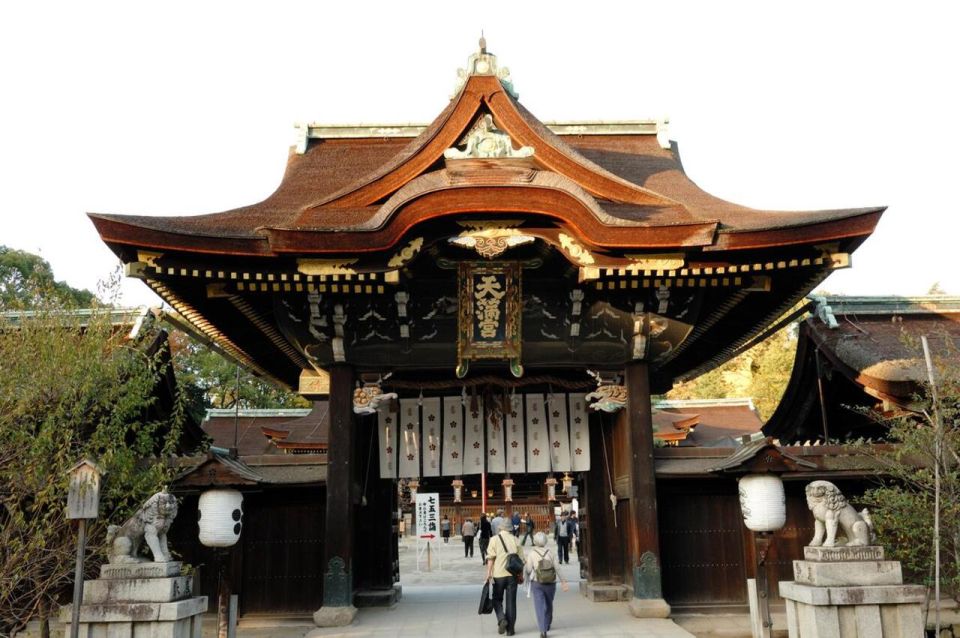
The tour’s highlight list includes navigating the Senbon Torii. These vermilion gates create a strong sense of depth, like you’re moving through a corridor of color. Even if you’ve seen images, the effect feels more physical when you’re in the flow—your route helps you experience the rhythm of entering and continuing.
On a bike tour, you get to treat this section like more than a single viewpoint. A guide can explain what’s behind the ritual and design choices, which helps you understand why the gates matter instead of only noticing the color. If you like spiritual architecture and want the meaning behind the look, this is one of the best segments for that.
Consideration: If you’re prone to getting motion-sick or prefer slower walking environments, be ready for transitions—bike movement into a gate area can feel quick if you’re not expecting it.
Possible Detours: Imperial Palace Elegance and Tōfuku-ji Seasonal Sights
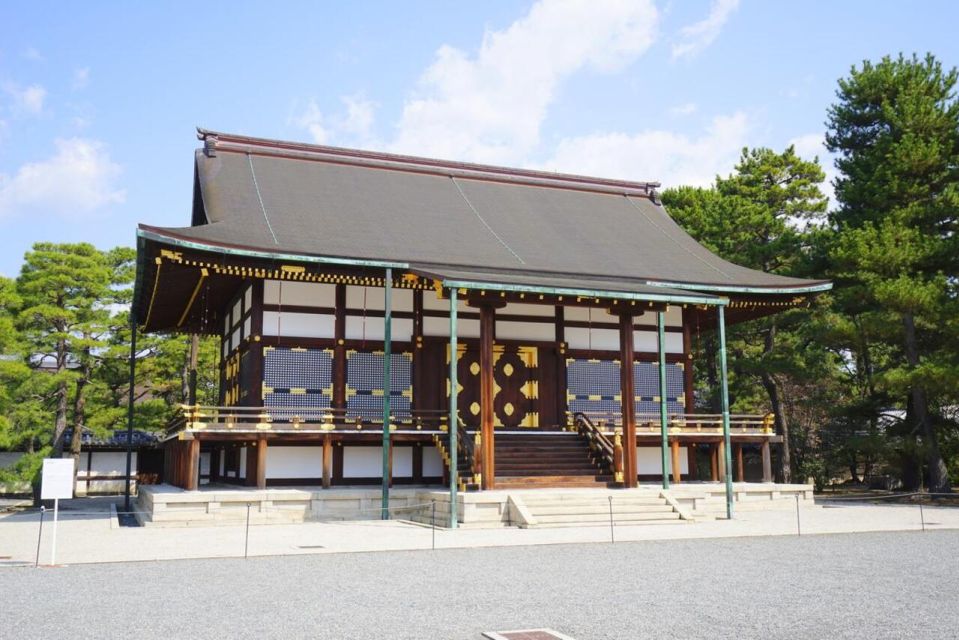
The experience description mentions that “every turn” can bring additional discoveries, including the Imperial Palace and seasonal sights around Tōfuku-ji. Those aren’t guaranteed in every moment, but the idea is consistent: you won’t be locked into a rigid “three stops only” plan.
Why I think that’s good for you: Kyoto changes with the season, and seasonal temples can turn a good tour into a memorable one. If your trip is timed for a peak viewing period, a guide who can route you toward what’s special now is worth the private format. If it’s a quieter season, the value shifts toward architecture and atmosphere—still very Kyoto.
Since the details of exact timing and whether you’ll stop at each spot aren’t listed here, keep your expectations flexible. Private tours are designed to adapt, and that adaptability is part of the appeal.
You can also read our reviews of more private tours in Kyoto
Why a Local Private Guide Changes Everything

This is not just a rental bike with a map. You get a professional local tour guide, and the tour is private for your group only. That changes how you experience each sight.
A few practical ways a great guide helps:
- They can explain what you’re seeing as you’re seeing it, so the landmark doesn’t become a memorization task.
- They can help you interpret the “why,” not just the “what.”
- They can adjust the pace to your comfort level, especially in tight streets and temple-area transitions.
The strongest review praise in the provided feedback highlighted Tomomi as exceptionally knowledgeable about Kyoto culture and history and friendly in a way that made the day feel perfect. Even if you don’t care about trivia, that kind of guidance often leads to a tour that feels smoother and less stressful, because you know where to look and why it matters.
What’s Included, What Isn’t, and What You Should Budget For
Included: a bike and a professional local tour guide. That’s a clean setup. You don’t have to think about lining up transport inside the day beyond arriving at the meeting area.
Not included: personal expenses. That’s a broad category, but it generally means any snacks, drinks, souvenirs, or any small paid stops you decide to add on your own.
Price: $1,369 per group up to 2 for 6 hours. Here’s how I’d judge value. You’re paying for privacy plus guided interpretation plus the bike. If you’re traveling as a pair, the cost is easier to swallow because you’re splitting the group price. If you’re a solo rider, you should weigh it against the kind of day you want—private pacing and fewer crowd interruptions can be worth it, but it’s not the cheapest way to see Kyoto.
How to Make the Most of a 6-Hour Ride
A 6-hour private bike tour is a good length: long enough for meaningful sightseeing, short enough to avoid a full-day exhaustion spiral. Still, you’ll want to plan your energy.
My practical advice:
- Dress for walking and biking. You’ll likely do short transfers and you may spend time standing still for views.
- Eat before you start if you can. Temple-area stops can be unpredictable, and you don’t want to slow the ride because you’re hungry.
- If you’re the type who likes photos, use them as checkpoints, not the whole mission.
Also note the tour is in English, Spanish, German, and Chinese depending on availability. If you want the explanation to land fully, matching your guide language to your comfort level is a smart move.
Who This Tour Fits Best
This private Kyoto biking experience is a strong fit if:
- You want to skip crowds by keeping the group to your party only.
- You care about temple and district context, not just hitting famous names.
- You’re comfortable riding a bike for around 6 hours.
- You prefer a guide who can explain history in a clear way.
It’s not suitable for children under 13 years, and it’s not for people who can’t ride a bike. If you’re traveling with younger kids or you’re not confident on two wheels, you’ll likely be happier with a walking or transit-based tour instead.
Should You Book Pedal Through Kyoto’s Past?
Book it if you want a private, bike-based day that connects Kyoto’s top scenes—Gion, Kinkaku-ji, and Senbon Torii—with real explanations from a guide. The pricing is high, but it’s built around a focused group size (up to 2) and the inclusion of a guide plus bike.
Think twice if you’re not comfortable biking for a full 6 hours, or if you’re traveling solo and the group price feels too steep. If that’s you, compare what kind of value you place on privacy, pacing, and guided interpretation. If those things matter, this tour can feel like Kyoto’s highlights, but with less stress and better context.
FAQ
How long is the Kyoto private biking odyssey?
The tour lasts 6 hours.
What does the price include for up to 2 people?
The price is $1,369 per group up to 2 people. It includes a professional local tour guide and a bike.
Where do we meet for the tour?
You will meet near Nishi Hongan-ji Temple. Your guide will share more details about the meeting point.
Is this a private tour or shared group?
This is a private group tour for your group only.
What are the main sights included?
The highlights include cycling through Gion, visiting Kinkaku-ji, and navigating Senbon Torii.
What languages are the tour guides available in?
Live tour guide languages listed are English, Spanish, German, and Chinese.
Is free cancellation available?
Yes. You can cancel up to 24 hours in advance for a full refund.
Can I reserve now and pay later?
Yes. The listing offers reserve now & pay later.
Is the tour suitable for children?
No. It’s not suitable for children under 13 years.
Do I need to be able to ride a bike?
Yes. It’s not suitable for people who can’t ride a bike.