REVIEW · KYOTO
Traditional Tea Ceremony in Kyoto
Book on Viator →Operated by byFood · Bookable on Viator
Tea politeness has a rhythm. In Kyoto, tea master Randy Channell Soei guides you through ryurei, a formal tea ceremony style tied to hospitality for visiting foreign dignitaries. I especially liked how much the session felt like a real, step-by-step ceremony instead of a quick demo.
Two things I really valued were the chance to make your own bowl of matcha and the way the tea experience came with Kyoto-style sweets you can actually taste as part of the flow. You also get guided etiquette instruction, so you leave with practical manners you can recognize the next time you see chanoyu.
One drawback to note: this is not set up for the classic low seating many people picture. You’re not seated on tatami mats or low tables, and the space can feel compact for some visitors.
In This Review
- Key things to know before you go
- Ryurei tea in Kyoto: official-feeling hospitality
- Where the experience happens and what the 90 minutes look like
- The real heart of chanoyu: learning the ceremony details
- Matcha and Kyoto sweets: what you’ll taste and why it matters
- Hands-on matcha prep: getting it right without stress
- Seating reality check: compact space and bench seating
- Price and value: what $56.34 buys you in Kyoto
- Who should book this Kyoto tea ceremony?
- Should you book this traditional tea ceremony?
- FAQ
- How long is the Traditional Tea Ceremony in Kyoto?
- Who leads the ceremony?
- What style of tea ceremony is this?
- What’s included in the price?
- Is kimono included?
- Is transportation included?
- Will I sit on tatami mats or low tables?
- What’s the group size limit?
- Is there a mobile ticket?
- Can I cancel for a full refund?
Key things to know before you go
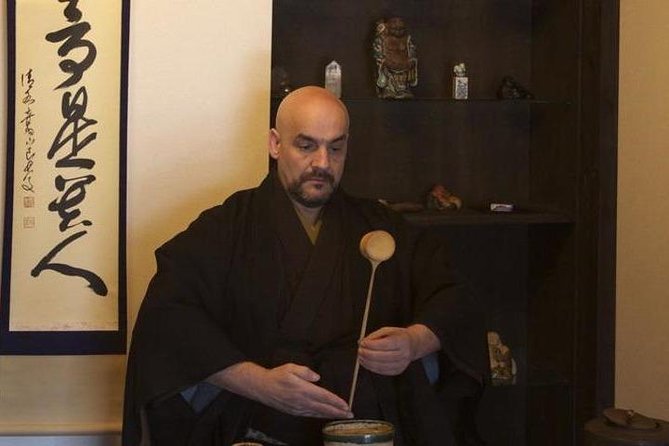
- Ryurei tea ceremony with Randy Channell Soei: a formal style going back to the 1870s, led by a top-ranked tea master from outside Japan.
- You learn full ceremony details: not just watching—expect instruction focused on the etiquette and flow of chanoyu.
- Kyoto-grown matcha plus Kyoto sweets: you’ll taste Randy’s original matcha and try traditional sweets from famous Kyoto makers.
- Hands-on matcha preparation: you’ll get the chance to prepare your own bowl.
- Group photo included: you won’t leave empty-handed or without a memory to take back.
- Tatami seating is not part of this setup: plan for benches and a more standard seating arrangement.
Ryurei tea in Kyoto: official-feeling hospitality
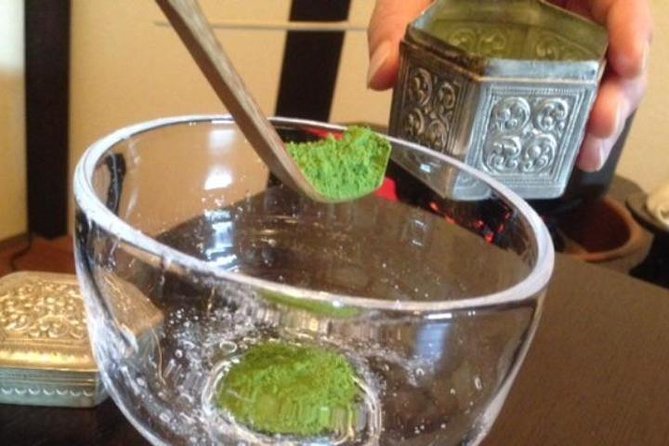
If you like experiences that make you slow down and pay attention, this one hits the mark. Kyoto is the home base for chanoyu, and this ceremony uses ryurei, a more formal presentation style. The tone is not casual and it’s not performative; it’s built around hospitality and careful procedure.
What makes this ceremony especially interesting is the way it’s framed: ryurei is described as the formal way to welcome visiting foreign dignitaries through tea. That meaning matters, because it explains why the pacing feels exact and why the etiquette instruction is a big part of the hour-and-a-half. It’s not just tea. It’s a social ritual with manners built into every move.
I also liked that the guide is not just a teacher—he’s Randy Channell Soei, identified as the highest-ranked master of tea ceremony from outside Japan. That credibility comes through in how the session is structured: you’re not left guessing what something is or why it happens. You’re guided into the logic of the ceremony.
You can also read our reviews of more tours and experiences in Kyoto.



Where the experience happens and what the 90 minutes look like
The session takes place at a Kyoto townhouse setting connected to Randy Channell Soei. Your meeting point is at ran Hotei, 64 Kamikawarachō, Nakagyo Ward, Kyoto. The activity ends back at the same point, so you’re not bouncing around town mid-ceremony.
The duration is about 1 hour 30 minutes, which is a good length for this kind of cultural practice. You have time to learn the structure, watch key moments, and still do hands-on matcha prep without feeling rushed. And because the group size is capped at 25 travelers, you’re more likely to get enough attention when it’s your turn.
You’ll also want to plan around the fact that this is a group activity with a structured flow. You’re welcome to participate, but you’ll follow the guide’s timing rather than wandering freely. If you want a calm, guided experience with a clear sequence, that’s a plus.
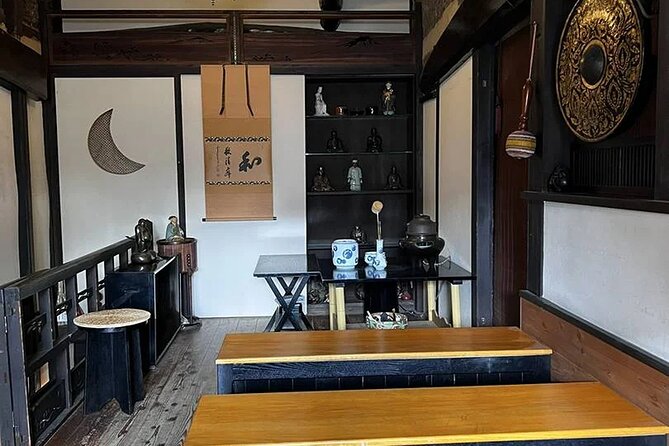
One practical note that can help you prepare: the organizers specifically mention that you are not seated on tatami mats or low tables. So if you’re chasing the full visual of floor-level ceremony seating, you may feel you imagined something more traditional.
The real heart of chanoyu: learning the ceremony details
This tour is centered on “ryurei,” which is presented as a traditional style of Japanese tea ceremony. The focus isn’t only on the drink—it’s on understanding the ceremony as a whole. That’s where you’ll get the most value.
You’ll be guided through the details of a formal tea ceremony, with an emphasis on etiquette. That instruction is the key difference between a tea tasting and a ceremony workshop. Instead of simply sampling matcha, you learn how formal hospitality works in this setting—how attention, timing, and manner all connect.
A major highlight is the idea that you’ll be greeted as if you’re a diplomat by an expert in the art of tea ceremony. Even if you don’t treat it like a real diplomatic roleplay, the greeting sets the tone. It signals that this is a serious practice with respect baked in.
Also, since Randy’s ryurei style is described as going back to the 1870s, the session feels rooted. You’re not just learning a modern performance trick; you’re being taught an approach tied to an older form of welcoming guests. That sense of lineage is part of what makes the etiquette feel meaningful rather than arbitrary.
Matcha and Kyoto sweets: what you’ll taste and why it matters
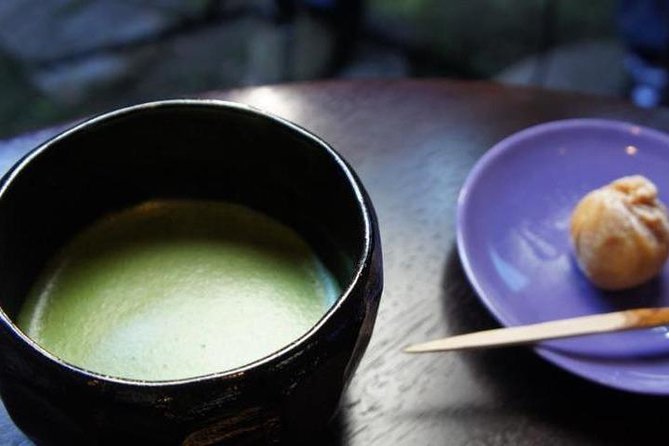
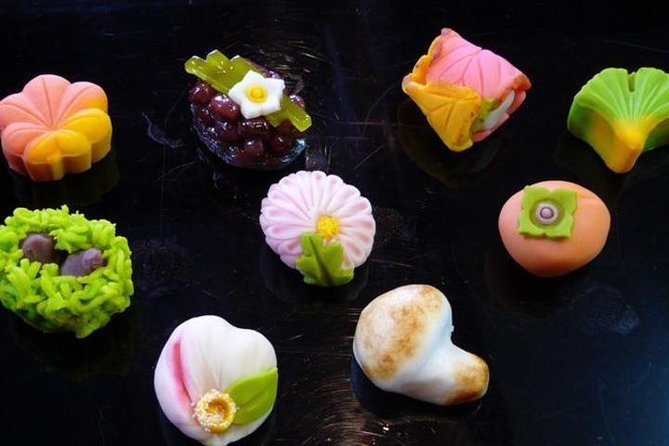
This experience includes Randy Sensei’s original Kyoto-grown matcha, plus traditional sweets from Kyoto’s famous sweet makers. In a good tea ceremony, food isn’t just a snack break. It supports the experience and sets the taste profile for the matcha.
You’ll learn alongside the tasting, which makes the flavors more memorable. When matcha shows up in a ceremonial sequence, it doesn’t land as a random drink. You experience it as part of the ritual: sweets first, then the tea, with the guide controlling pacing.
A standout included element is that you’ll make your own bowl of matcha. That hands-on step is where a lot of value lives, because it turns curiosity into skill. You’re not just being told what matcha is—you’re participating in the process.
Your matcha preparation also makes you understand why the ceremony is so detail-oriented. When you’re holding the bowl, mixing the matcha, and following the guide’s rhythm, you feel the logic of the etiquette. The ritual becomes physical, not just theoretical.
And yes—the tea is described in the on-the-ground feedback as delicious. That’s important because matcha can be hit or miss when it’s just served as a generic drink. Here, the matcha is provided specifically as Randy’s original Kyoto-grown matcha.
Hands-on matcha prep: getting it right without stress
There’s a big difference between “try a sip” and “make a bowl.” The tour does the second one. Expect to participate in preparing matcha under the guidance of tea master Randy Channell Soei.
This is where I’d encourage you to show up with a mindset of learning, not perfection. The experience is formal, so it’s likely you’ll follow steps and manners the guide teaches. But the hands-on portion is meant to be doable for most participants (the activity notes say most travelers can participate).
Since you’re making your own bowl, you’ll probably feel two things quickly:
- how matcha preparation requires attention to technique and timing
- how the ceremony keeps the mood calm and controlled
You’ll also get to sample sweets, and those flavors make the matcha moment easier to enjoy. Even if you’re not already a matcha fan, this style of tasting—paired with traditional sweets—often makes the drink feel less intense and more balanced.
If you’re traveling with someone who loves food but also wants culture, this is a strong pairing: etiquette plus a real, edible outcome.

Seating reality check: compact space and bench seating
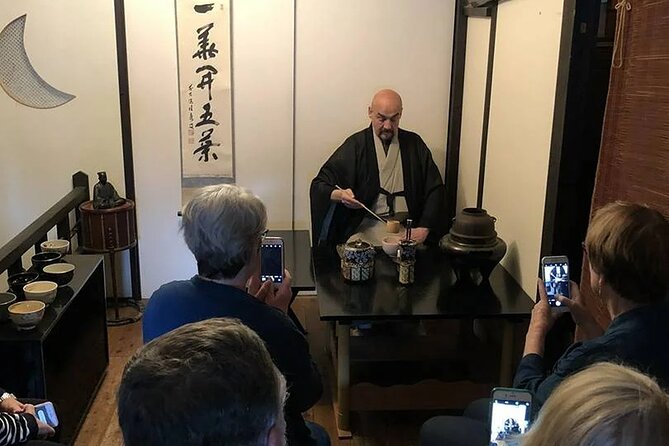
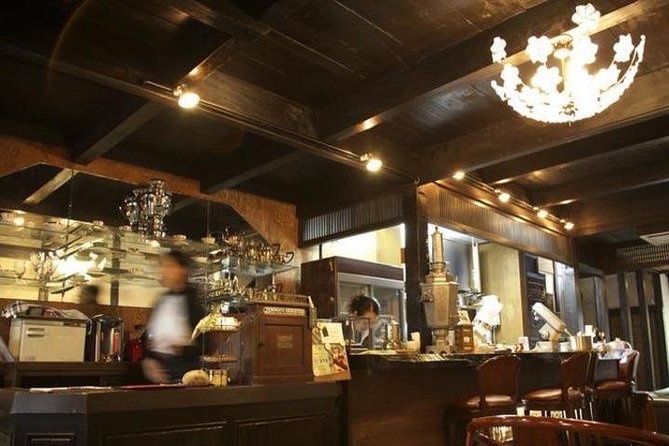
Let’s deal with the part you’ll notice the moment you arrive. The tour information states you are not seated on tatami mats or low tables. That means the visual of the ceremony may be slightly different from the most famous floor-level imagery you’ve seen online.
One piece of feedback you should take seriously is that the space can feel small, and some people expected more traditional seating. Another point that comes up is that seating may be on benches rather than the low setup many associate with classic tea ceremony scenes.
Here’s how to make this work for you: if your priority is the etiquette, the matcha instruction, and the feeling of a formal ryurei ceremony taught by an expert, this still makes sense. You’re showing up for guidance and participation, not for a set design that matches every Instagram version.
On the other hand, if you’re specifically hoping for tatami-level seating and a bigger room designed to mimic a full traditional tea space, you might feel like something is missing. Knowing that upfront helps you set expectations and enjoy the parts that are actually delivered.
Price and value: what $56.34 buys you in Kyoto
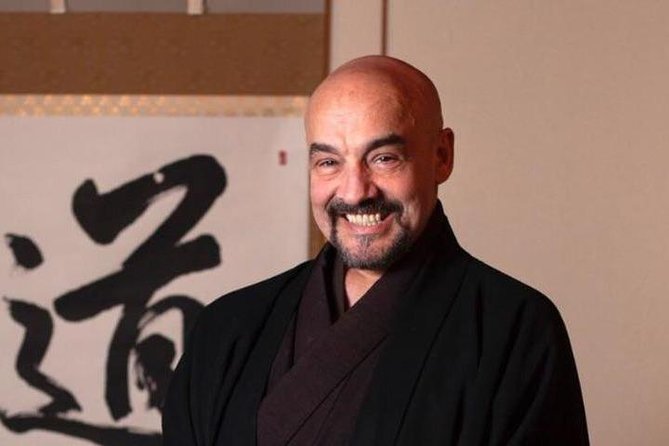
At $56.34 per person, you’re paying for a guided cultural performance with real instruction, not just a ticket for a tasting counter. The inclusions matter here.
Included items are:
- Tea ceremony with a tea master (Randy Sensei)
- Randy’s original Kyoto-grown matcha
- Traditional sweets from Kyoto’s famous sweet makers
- Make your own bowl of matcha
- Group photo
That combination is why this can feel like solid value. Many tea experiences only cover tasting. Here, you also learn etiquette and you actively prepare the tea. Your matcha and sweets are part of the session, so you’re not paying extra for ingredients or add-ons.
What’s not included: transportation and kimono. For most people, that just means you’ll arrive on your own. You might see kimono rentals elsewhere, but you should assume this is a normal-clothes experience.
If you’re comparing value in your head, use this rule: you’re paying for a structured, guided ceremony with hands-on participation plus food and a photo. If that lines up with what you want from Kyoto, the price is easier to justify.
Who should book this Kyoto tea ceremony?
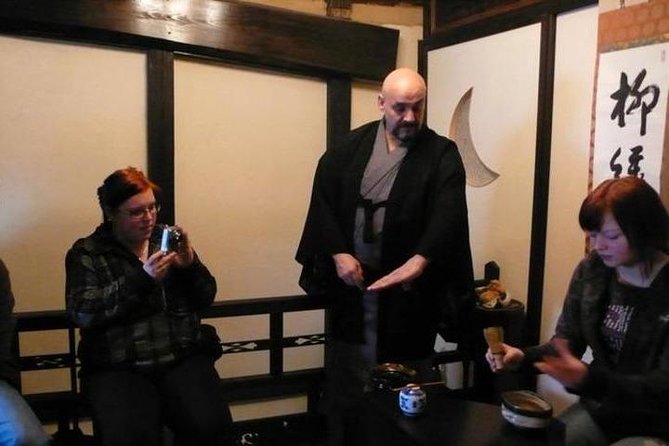
This tour fits best if you want:
- a formal etiquette-focused tea experience
- a hands-on matcha activity, not just a sip
- expert guidance from Randy Channell Soei
- a group size that stays small enough to feel guided (up to 25)
It’s also a good fit if you enjoy food experiences tied to culture. The matcha is Kyoto-grown, and the sweets come from well-known Kyoto makers, so you’re getting more than one sensory moment.
If you’re someone who has zero patience for instructions and wants only casual vibes, you might not love the formal structure. If you’re the type who likes doing things the right way, you’ll probably enjoy the rhythm and careful pacing.
And if you care a lot about the classic tatami visual, keep the seating note in mind. You can still learn and enjoy the ceremony, but your setting won’t match every traditional image you might expect.
Should you book this traditional tea ceremony?
Book it if you want a real guided ryurei experience in Kyoto, with instruction on etiquette, Kyoto matcha and sweets, and the chance to prepare your own bowl. The biggest reasons to go are simple: you learn a lot in a structured way, and the session is led by Randy Channell Soei, who brings authority to the details.
Skip it—or at least adjust expectations—if your top priority is floor-level tatami seating or a large, traditional-style room. The experience clearly isn’t set up that way, and the space can feel compact.
If you can accept a more practical seating setup, you’ll likely leave feeling like you understood how the ceremony works, not just how matcha tastes.
FAQ
How long is the Traditional Tea Ceremony in Kyoto?
It lasts about 1 hour 30 minutes.
Who leads the ceremony?
The ceremony is led by tea master Randy Channell Soei.
What style of tea ceremony is this?
It’s a traditional style called ryurei.
What’s included in the price?
Included are the tea ceremony with a tea master, Randy’s original Kyoto-grown matcha, traditional Kyoto sweets, making your own bowl of matcha, and a group photo.
Is kimono included?
No, kimono is not included.
Is transportation included?
No, transportation is not included.
Will I sit on tatami mats or low tables?
No. The experience notes that you are not seated on tatami mats or low tables.
What’s the group size limit?
The group has a maximum of 25 travelers.
Is there a mobile ticket?
Yes, the experience offers a mobile ticket.
Can I cancel for a full refund?
Yes. You can cancel up to 24 hours before the experience start time for a full refund.