REVIEW · KYOTO
The right way to know Kyoto
Book on Viator →Operated by Kyoto Daily Tours · Bookable on Viator
Kyoto can be overwhelming on your first day. This private, hotel-pickup walking tour keeps you on track while you hit major sights like Fushimi Inari and the Golden and Silver Temples.
I love how the day is built around easy navigation and smart pacing on foot, plus you get a real cultural filter instead of just a photo route. And I like that the itinerary is flexible, with guides such as Paco, Adrian, Tom, and Jose David adjusting the day to what you care about most.
One thing to consider: it’s a walking + getting-around day, and the time is tight if you want to linger at every stop.
In This Review
- Key Points to Know Before You Go
- Why This Kyoto Tour Works When Your Time Is Short
- Price and Value: What $371.41 Gets You
- Logistics That Matter: Meeting at Kyoto Station and Then Moving
- Stop 1: Fushimi Inari-taisha Shrine and the Torii Path
- Stop 2: The Bamboo Forest Trail and a Break from the City
- Stop 3: Kinkakuji (Golden Pavilion) Without the Entry Included
- Stop 4: Ginkakuji (Silver Pavilion) and the Wabi-sabi Mood
- Walking Pace, Transit, and Crowd Reality
- How Guides Tailor the Day (And Why It Changes Everything)
- Who This Tour Is Best For
- Quick Pros and Cons Before You Book
- Should You Book This Kyoto Walking Tour?
- FAQ
- FAQ
- What’s the duration of the tour?
- How much does the tour cost?
- Is this tour private?
- Where do we meet, and where does it end?
- Does the tour include hotel pickup?
- Are entrance tickets included?
- Can I cancel and get a full refund?
Key Points to Know Before You Go
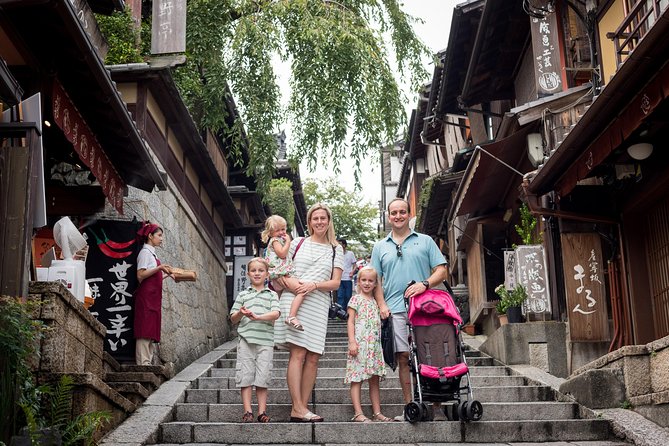
- Private group touring up to 6 people, so the day feels personal
- Hotel pickup offered and a start point at Kyoto Station for smoother logistics
- A classic sequence: Fushimi Inari → bamboo trail → Kinkaku-ji → Ginkaku-ji
- Free admission at Fushimi Inari and the bamboo trail (based on what’s listed), while temple entry fees aren’t included
- Reviews consistently praise guide tailoring and crowd-smart choices, when time allows
- You’ll use public transport at least some of the time, so comfy shoes matter
Why This Kyoto Tour Works When Your Time Is Short
Kyoto is famous for being gorgeous and crowded at the same time. Trying to “wing it” can turn into a game of guessing trains, tracing bus maps, and arriving at landmarks after the best moments. This tour fixes that stress by putting you with a guide who can keep the day flowing and help you see what matters, not just what’s easiest to reach.
The biggest win is the private format. Your group moves together, and you’re not stuck with someone else’s pace or preferences. One reviewer described a guide, Paco, emailing ahead to ask what they wanted to see, and then shaping the day to help avoid the worst crunch and point out calmer areas. Another guide, Tom, started by asking what his group most wanted out of the day, then adjusted pace so two teenage boys stayed engaged instead of dragging behind.
The one downside I’d flag is simple: this is only around six hours. The itinerary includes major highlights, so you’ll want to decide upfront whether your priority is “see it all” or “slow down and really absorb one place.”
You can also read our reviews of more tours and experiences in Kyoto.



Price and Value: What $371.41 Gets You

The price is $371.41 per group (up to 6) for about six hours, with hotel pickup offered. If you have the full six-person group, that’s roughly $62 per person. If you’re fewer than six, the per-person value drops, but you’re still paying for something you can’t easily buy on your own: a guide who knows how to connect the dots and keep you from wasting your limited time.
I look at value in two ways:
- Time value: You’re not spending your best hours figuring out which train to take, or waiting too long because you misread timing.
- Meaning value: A good guide doesn’t just name the buildings. They explain the why—how Shinto shrines and Zen temples fit into Japanese culture—so you leave with understanding, not just snapshots.
The reviews back up that this is where the money goes. Many mentions are about guides who tailor routes, explain what you’re seeing, and help with the mechanics of getting around. That matters in Kyoto, where one wrong turn can send you in the wrong direction for a long time.
Logistics That Matter: Meeting at Kyoto Station and Then Moving
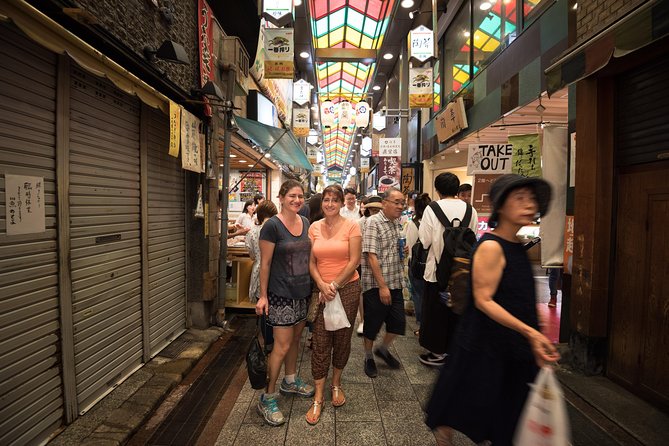
You start at Kyoto Station (Kyoto Station Higashishiokoji Kamadonocho, Shimogyo Ward). The tour ends back at the meeting point, so you’re not stuck hunting for your next transit plan.
A big practical advantage: Kyoto Station is one of the easiest places in the city to find, especially after you arrive from Tokyo or Osaka. Reviews also mention that guides handled trains and buses smoothly—Cristobal, for example, was praised for navigating transit efficiently, and Jose David was praised for making public transport feel manageable.
Since transportation isn’t included, the tour value is really about how the guide coordinates your movement while you handle any tickets you personally need. Also, because public transport can be packed, plan on standing time. Wear shoes that won’t betray you after a few hours.
Stop 1: Fushimi Inari-taisha Shrine and the Torii Path
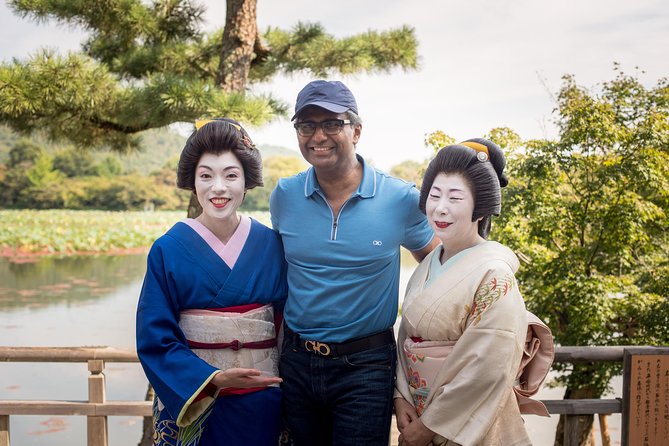
Fushimi Inari-taisha is the “you have to see it” Kyoto stop. The highlight here is the long path of orange torii gates, marching forward like a tunnel you walk through. This is a shrine that people treat like a walking attraction, but there’s also a lot of spiritual context worth knowing—especially how it fits into Shinto life.
What you should expect from a guided visit:
- A clearer sense of what you’re looking at (torii as a marker in shrine culture)
- A smoother plan for how to move through the area without getting totally stuck in one spot
A useful way to think about this stop: treat it as your orientation moment. Once you understand what you’re seeing here, the rest of the day makes more sense. Shinto shrines follow a different mood and symbolism than Zen temples, even when both are visually stunning.
One practical note: the listing shows admission as free here. Still, if you want a calmer experience, be ready for crowds. A good guide can help you time movement and choose where to pause.
Stop 2: The Bamboo Forest Trail and a Break from the City
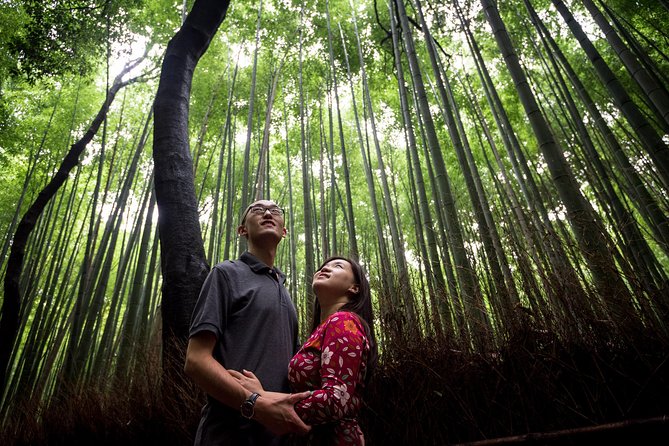
Next is the bamboo forest trail, listed as a suggested stop with about 45 minutes. This is where Kyoto starts to feel like a postcard again: a walk through a bamboo grove, with a different sound and light than the streets and shrines.
In reviews, this stop shows up as a favorite when the guide steers the route. Adrian, for example, took his group to a beautiful bamboo forest area after they asked to go somewhere away from the city. That’s the real value here: if you’re going to spend time in a famous photo landscape, you want guidance on how to make it feel special rather than just busy.
What to watch for:
- Bamboo trails don’t always mean long walks. In this itinerary, it’s timed, so wear footwear you can move in comfortably.
- Weather matters more here than at some other stops. If it’s rainy, you’ll want shoes with grip.
Admission is listed as free. So you can focus on the walk itself instead of budgeting for extra entries.



Stop 3: Kinkakuji (Golden Pavilion) Without the Entry Included
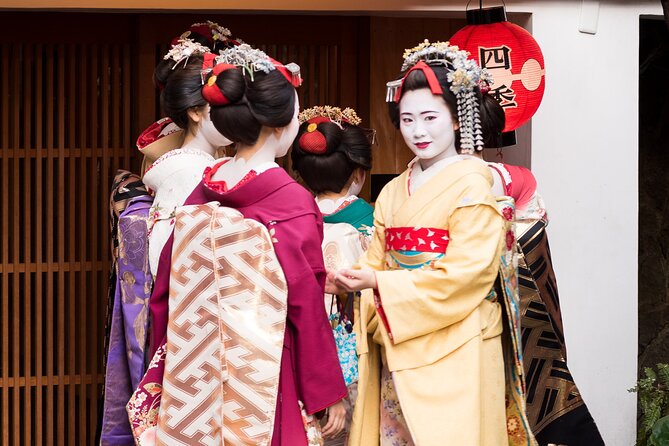
Then comes Kinkakuji, about one hour, and this is the big visual hammer: the Golden Pavilion is instantly recognizable even if you’ve never studied Kyoto. It’s a temple complex tied to Zen traditions, known for the reflective gold look that draws visitors from all over Japan and beyond.
The listing notes that admission tickets are not included for Kinkakuji. That means you should plan to pay on-site or before you enter, depending on how you manage tickets that day.
How a guide helps here isn’t just standing at the main view:
- You can learn what the setting is about and why the architecture looks the way it does.
- You can make decisions faster about where to go next, because you’re not trying to interpret the map yourself.
One practical consideration: one hour can fly by at Kinkakuji. If you want slow wandering and lots of angles, tell your guide early. Several reviews praise guides for setting the pace appropriately—especially Tom with an older parent and teenagers in tow. If you don’t say anything, the day may stay on the planned rhythm.
Stop 4: Ginkakuji (Silver Pavilion) and the Wabi-sabi Mood
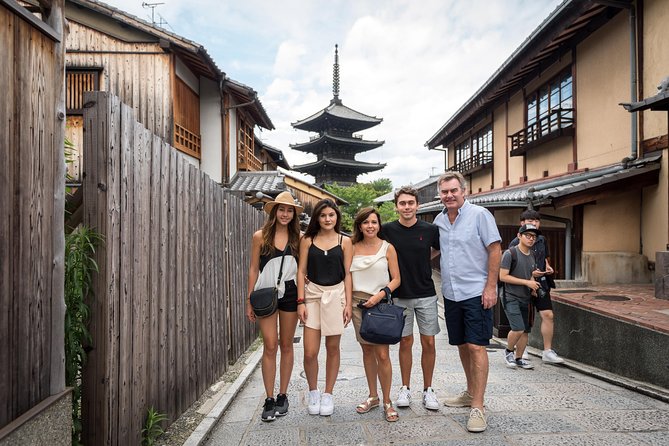
Ginkakuji, the “Silver Pavilion,” is listed for about one hour and is described as a serene Zen temple known for elegant gardens and wabi-sabi beauty. Even if you don’t know the term, you can feel it: this stop tends to reward quieter attention.
Like Kinkakuji, entrance admission isn’t included (based on what’s listed). So budget time and money for ticketing.
Why this stop matters after Kinkakuji:
- Kinkakuji is loud with sight and impact.
- Ginkakuji is more about atmosphere, gardens, and the feeling that time moves differently.
This is also where a guide’s explanation really pays off. People in the reviews highlighted how guides explained cultural details you might miss on your own, like how to behave respectfully at temples and shrines. If you like context, this is the payoff moment—when Kyoto feels like culture, not just scenery.
Walking Pace, Transit, and Crowd Reality
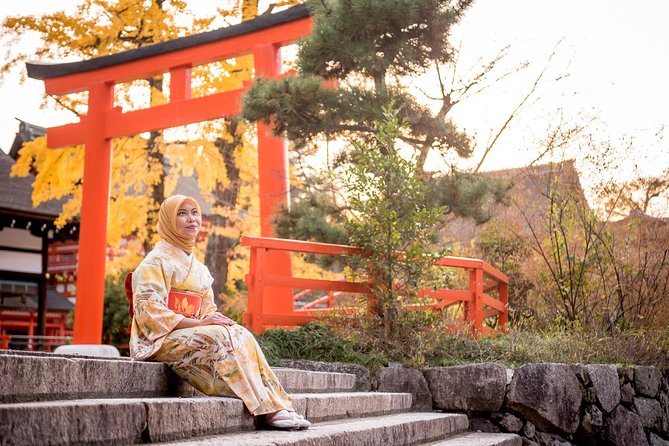
This is a “see Kyoto on foot” style tour, and that’s both a feature and a truth you should plan for. One detailed review specifically warned that public transportation can be packed and you should expect to be on your feet for much of the day. That matches the overall structure: shrine, bamboo trail, then major temple sites.
To make it enjoyable:
- Bring comfortable shoes you can walk in for hours.
- Carry a small rain layer if you’re going in the rainy season (even “light rain” can slow you down).
- If you get tired easily, tell your guide at the start so they can adjust pacing.
Also, your guide can influence how “crowded-feeling” the day is. Reviews frequently mention crowd-smart route tweaks and pointing out calmer spots. But there’s no magic force field—if you go at peak hours, you’ll still see crowds at the most famous places. The difference is whether your guide helps you work around that.
How Guides Tailor the Day (And Why It Changes Everything)
The most praised aspect across the reviews is customization. Not in a vague way. In specific, practical ways.
Here are examples that show what tailoring looks like in real life:
- Paco was praised for emailing ahead and adjusting the day based on requests, including steering toward quieter areas and offering useful tips for the rest of the trip.
- Adrian was praised for adapting when people asked for areas away from the city, leading to a bamboo forest experience that felt special.
- Tom was praised for adjusting pace for mixed-age groups and combining walking with local taxis when needed.
- Cristobal was praised for navigating trains smoothly and helping the group with photos and explanations at each site.
- Jose David and Laura were praised for building itineraries around interests and adapting the plan as needs came up during the day.
So if you’re the kind of traveler who cares about explanations, etiquette, and meaning—this tour can feel like a guided conversation while you walk. If you only want minimal talk and maximum photo stops, it can still work, but you may need to manage your expectations about how much time gets spent listening.
Who This Tour Is Best For
This is ideal if:
- You’re short on time and want Kyoto’s big highlights in one organized day
- You like cultural context, not just sightseeing
- You prefer the comfort of not planning transit and routes yourself
- You’re traveling with a group up to six people and want a private setup
It’s also a smart choice for first-timers who feel intimidated by Kyoto’s layout. One of the tour’s main selling points is eliminating the risk of getting lost in a big city. That’s not just convenience—it’s stress reduction. Kyoto is the kind of place where a wrong train can eat an hour, and you don’t get that hour back.
Quick Pros and Cons Before You Book
Pros
- Private walking experience with hotel pickup offered
- A strong classic lineup: Fushimi Inari, bamboo, Kinkakuji, Ginkakuji
- Admission is listed as free for Fushimi Inari and bamboo, helping you budget for the temples
- Guides in reviews are praised for tailoring routes and helping with public transport
Considerations
- It’s timed. If you want to linger at one site, you’ll need to tell your guide
- Entrance fees at Kinkakuji and Ginkakuji aren’t included (you’ll pay on-site)
- Expect walking and crowded transit at times
Should You Book This Kyoto Walking Tour?
If you want a first Kyoto day that feels organized and meaningful, I’d say yes—especially if you’re dealing with limited time and you don’t want to spend it studying routes. The private format plus guide-led context is a good deal when you compare it to the cost of hiring a guide for only one temple. Here, you get a linked day that connects Shinto mood to Zen atmosphere across multiple iconic stops.
But if your idea of travel is slow wandering with zero structure, or if you’re determined to spend half a day at one monument, this itinerary might feel rushed. In that case, consider a longer tour day or decide in advance which stop you want to treat as your main event.
FAQ
FAQ
What’s the duration of the tour?
It lasts about 6 hours.
How much does the tour cost?
The price is $371.41 per group, for up to 6 people.
Is this tour private?
Yes. It’s a private tour/activity, and only your group participates.
Where do we meet, and where does it end?
You meet at Kyoto Station (Higashishiokoji Kamadonocho, Shimogyo Ward) and the tour ends back at the same meeting point.
Does the tour include hotel pickup?
Pickup is offered.
Are entrance tickets included?
No. Entrance tickets aren’t included. The listing shows free admission for Fushimi Inari-taisha Shrine and the Bamboo Forest Trail, but Kinkakuji and Ginkakuji admissions are not included.
Can I cancel and get a full refund?
Yes. You can cancel up to 24 hours in advance for a full refund, based on the experience’s local time.