REVIEW · KYOTO
Kyoto: Zen and Yoga Experience at Myoshinji Temple
Book on GetYourGuide →Operated by SUNNY YOU Yoga Studio · Bookable on GetYourGuide
Two hours of quiet Zen in Kyoto. At Myoshinji Temple, a Rinzai Zen site in Kyoto, you learn Zen’s five key elements, then do temple yoga with the garden as your backdrop. I like the clear Zen lesson on the five key elements, and I like the way the yoga happens in a temple setting built for stillness. One catch: if you already meditate and practice yoga often, the session may feel a bit short or simple.
A big plus here is the human side. After the practices, you share a Japanese tea moment and get time to ask questions and trade cultural insights, led in English by the instructor (Agasa is listed as the teacher in past sessions). You also get a mini Zen guide book to help you carry the ideas past the gate.
Plan to be calm and respectful. This includes a visit to a normally non-public part of Myoshinji, and the group does discussion and meditation, so you’ll want to keep your voice low and your phone away. Also, meet at the South Entrance (not the North Entrance), where the guide waits at the big gate.
In This Review
- Key things I’d focus on before you go
- Zen Meets Yoga at Myoshinji Temple: what you’re really getting
- Getting there: South Entrance, big gate, and a quiet private group
- Step 1: Zen session and the five key elements in a temple setting
- Step 2: temple yoga with garden views and Zen pace
- Step 3: tea time, cultural insights, and how to take it with you
- Price and value: is $96 for 2 hours fair?
- Who this is for (and who should skip it)
- Quick packing list for temple yoga comfort
- Should you book this Kyoto Zen and yoga session?
- FAQ
- How long is the Kyoto Zen and yoga experience at Myoshinji Temple?
- Where is the meeting point?
- What language is the instruction?
- Is it a private group or shared group?
- What is included in the price?
- What should I bring for the session?
- Is this experience suitable for everyone?
- Can I cancel, and is there a pay-later option?
Key things I’d focus on before you go
- Myoshinji Temple setting: Rinzai Zen calm in a part of the grounds most people don’t see.
- Zen’s five key elements: a structured, beginner-friendly introduction you can actually remember.
- Garden-view yoga: movement done with the same mindset as the meditation.
- Tea + Q&A: time to ask questions and understand what you’re experiencing, not just do it.
- English-led private group: easier communication, especially if this is your first Zen or yoga class.
- Level 0 friendly: great for first-timers; you may want more depth if you’re advanced.
Zen Meets Yoga at Myoshinji Temple: what you’re really getting
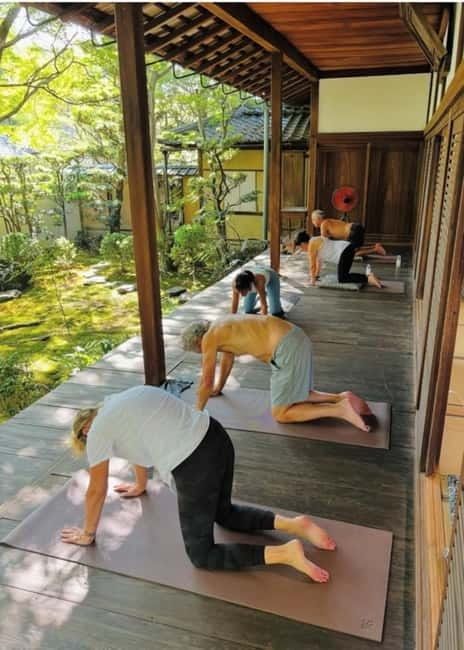
This is a 2-hour experience built like a gentle ladder: start with Zen, move into yoga, then finish with tea. The value isn’t just in the activities; it’s in the flow. You don’t jump from sightseeing into yoga-land. You’re guided into a temple mindset, and the practices support each other.
You’ll be at a historic Rinzai Zen temple in Kyoto, Myoshinji, and the setting matters. Zen is often taught as an attitude—simple, patient, and present—and the temple environment helps that land faster than reading about it. Then yoga comes in as a matching practice: breath, posture, and controlled movement, done in a respectful, quiet atmosphere.
If you’re hoping for something that feels like a typical yoga class in a studio, this will be different. It’s closer to a mindful session with Zen principles woven in, and the group includes discussion and meditation, not just stretching.
You can also read our reviews of more tours and experiences in Kyoto.



Getting there: South Entrance, big gate, and a quiet private group
Kyoto tours can be oddly specific about meeting points, and this one is. Meet at the South Entrance (not the North Entrance). There will be a big gate, and your guide will be waiting there.
Why this matters: when you’re late to a quiet meditation moment, the whole rhythm gets disrupted. Also, the experience includes a normally non-public part of the temple, so you’ll want to arrive early enough to settle without rushing.
The group is described as a private group, and the instructor teaches in English. That’s a practical advantage if you have questions about Zen ideas or you’re new to yoga alignment terms. You won’t be stuck guessing what to do or what to ask.
Step 1: Zen session and the five key elements in a temple setting
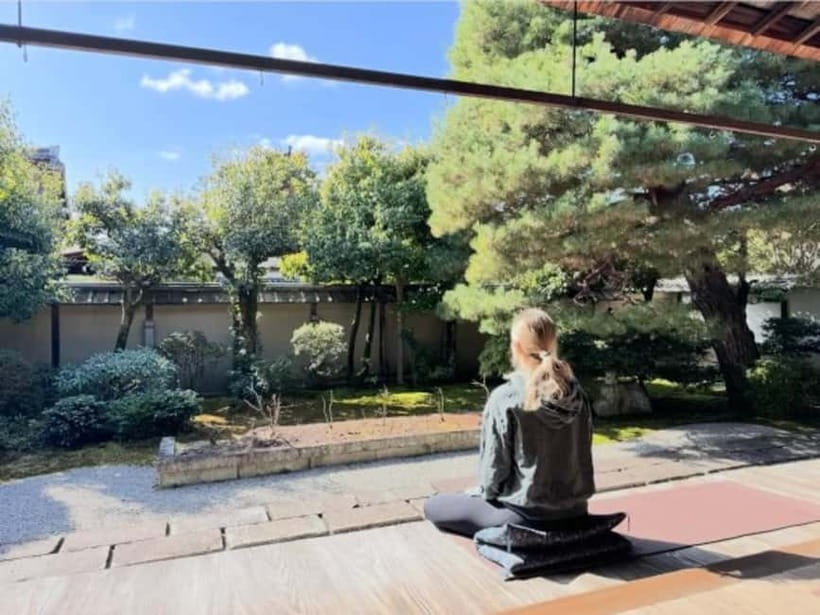
The experience begins with a guided Zen session. The focus is on Zen and its five key elements, taught in a calm, structured way. You’ll also learn about how those ideas connect to Japanese gardens, which is especially fitting at Myoshinji, where gardens and Zen practice often go together.
Here’s how I’d think about this part if you’re deciding whether it’s for you: the Zen lesson is designed to give you mental handles. Instead of random meditation advice, you get a framework (the five elements) so you can notice what you’re being asked to do with your attention.
You’ll also have discussion time to deepen your understanding. That’s a big deal for first-timers. If you’ve ever felt like Zen and yoga “work” but you can’t explain why, the Q-and-A style discussion helps you connect the feeling to the concept.
Tone matters here. The experience involves meditation and quiet reflection, so a respectful demeanor is expected. If you can keep your voice down and follow along without turning it into a chatty hangout, you’ll get more out of it.
Step 2: temple yoga with garden views and Zen pace
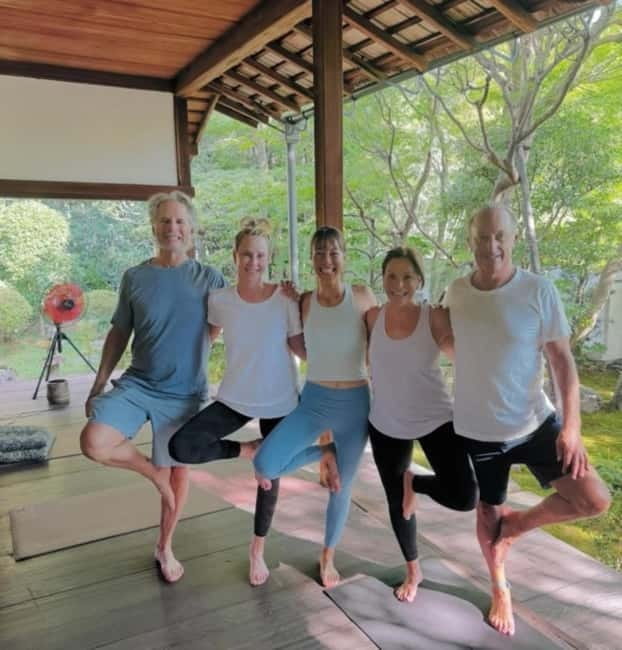
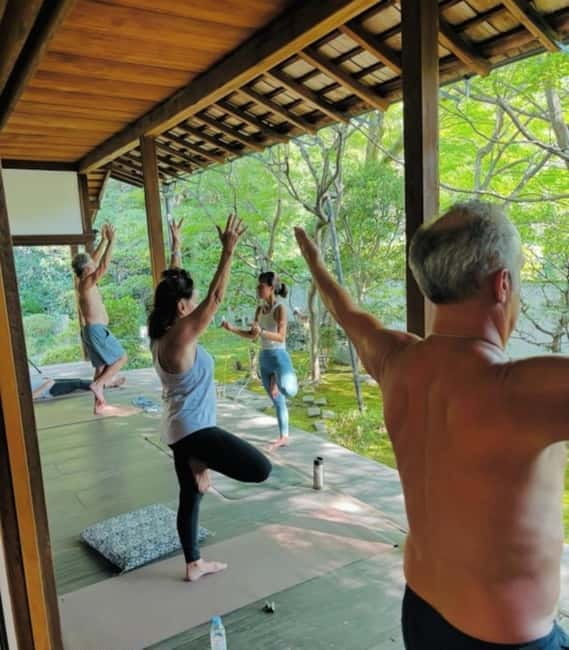
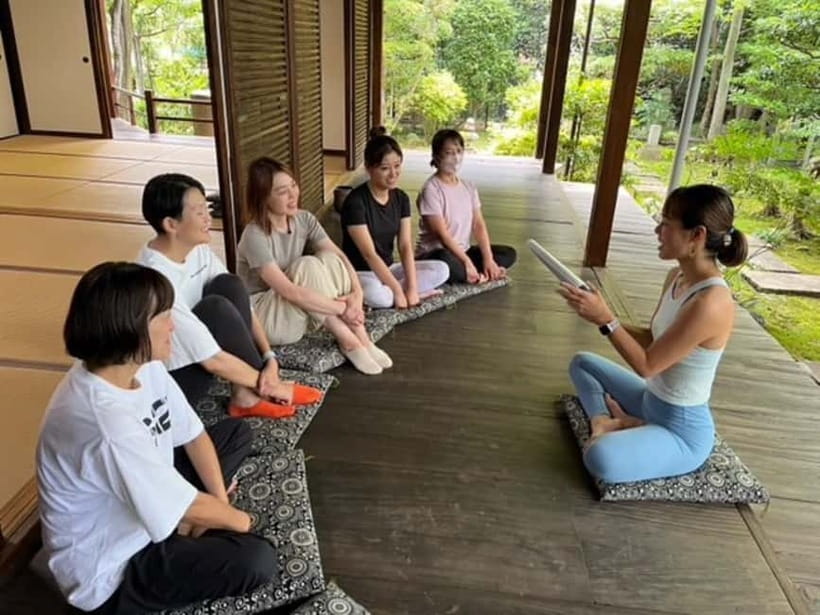
Next comes the yoga session. It’s described as a unique yoga experience in a temple setting with a beautiful garden, and it incorporates Zen principles. That usually means the pacing is slower than a gym-style class, and it’s more about awareness than performance.
What to expect physically: you’ll want comfortable clothes, and you’ll likely do standing and floor-based movements typical of gentle yoga. The session is short since the whole experience is only 2 hours, so you won’t be doing long sequences. That’s great if you want a calm introduction, but if you’re used to advanced flows, you might find the movement section doesn’t go far.
If you practice meditation and yoga already, treat this as a change of setting and mindset more than an advanced training session. The temple environment can make even familiar ideas feel new—but the duration won’t turn it into a deep technical workshop.
Also, the quiet surroundings help. You’re encouraged to take in sounds like birdsong and the rustle of leaves and feel the breeze. That’s not just poetry—it’s part of the experience’s goal: attention to sensory reality while you move gently.
Step 3: tea time, cultural insights, and how to take it with you
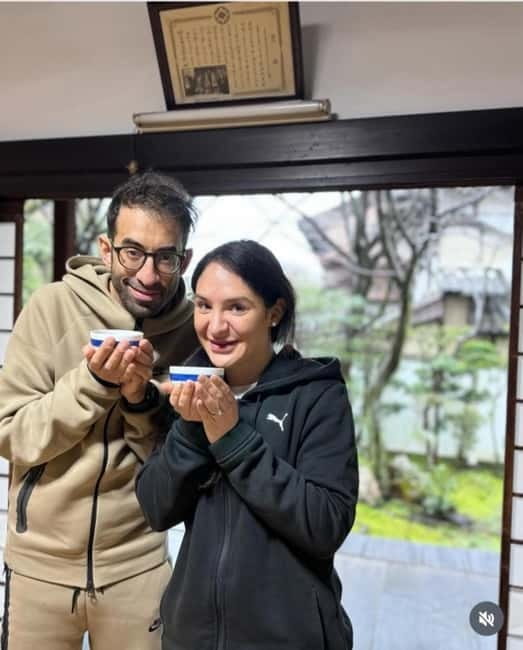
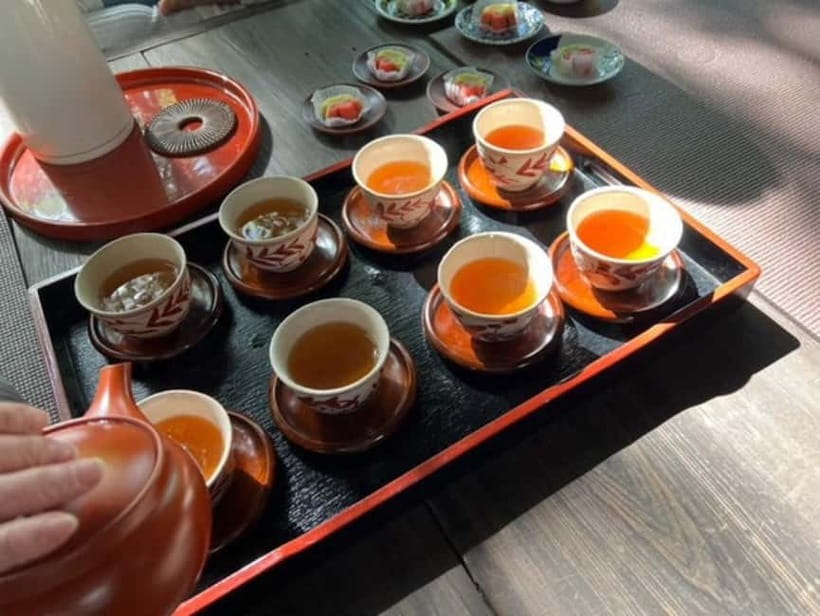
The final piece is Japanese tea. You’ll have a tea session to conclude the experience, and you can ask questions and share cultural insights.
I like this ending because it turns practice into understanding. Yoga and Zen can feel abstract if you only do the motions. Tea time gives you a bridge: What did you notice? What did the teacher mean by the five key elements? How does Zen connect to the garden design and the idea of attention?
You’ll also leave with a mini Zen guide book included in the cost. Even if you don’t read every page immediately, it’s useful later when the memory fades and you want to recall the key ideas.
If you’re on a tight Kyoto schedule, tea also helps you “come back” without rushing into loud sightseeing. You get a soft landing—quiet, warm, and reflective—before you head out to the rest of your day.

Price and value: is $96 for 2 hours fair?
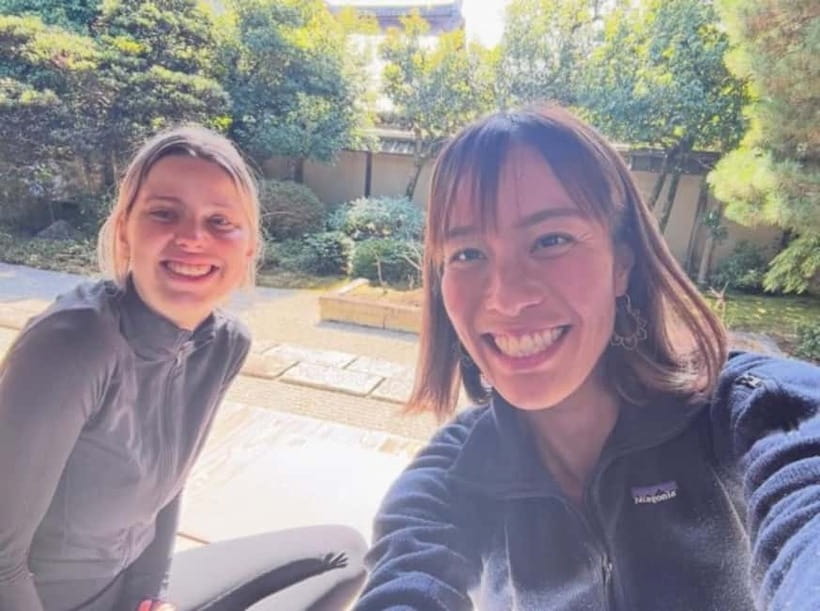
At $96 per person for about 2 hours, this isn’t a budget add-on. But it can still be good value, because you’re paying for more than a class.
You’re getting:
- temple admission
- a mini Zen guide book
- a guided Zen session (including discussion)
- a yoga session
- a Japanese tea session
- an English-speaking instructor in a private group format
The temple access and the normally non-public portion are the biggest value drivers. Many temple experiences are either pass-through visits or very short observation sessions. Here, you’re there to practice and talk, and the setting is part of the teaching.
If you’re someone who learns best when you can ask questions and get context, this format is worth it. If you just want to stretch for 30 minutes and take a few photos, you might feel the cost is high for a short physical session. Match the experience to your style of learning.
Who this is for (and who should skip it)
This experience fits best if you’re one of these:
- A beginner (even the teacher positioning is described as beginner-level “0” in past feedback)
- Curious about Zen ideas and Japanese gardens
- You want a calm, respectful environment more than a workout
- You’d like an English guide to help you understand what you’re doing
You might feel disappointed if you’re already deeply trained and expecting a long, technical yoga practice or extended meditation coaching. The session is only 2 hours, so advanced students may want more time or more intensity elsewhere.
Safety and comfort matters too. It’s not suitable for:
- pregnant women
- people with heart problems
- people with a cold
- people over 70
If any of those apply, skip this and look for a gentler alternative designed for your needs.
Quick packing list for temple yoga comfort
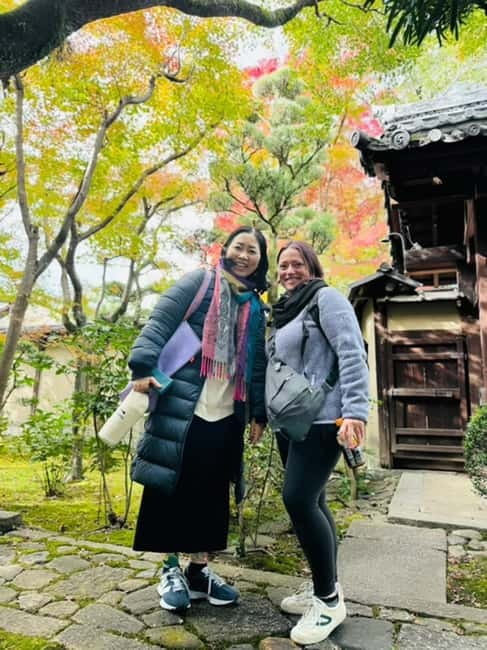
You’ll be asked to bring a small kit so you can stay comfortable and respectful inside the temple. Pack:
- change of clothes
- towel
- water
- comfortable clothes
Why this helps: a yoga session in a quiet setting is still physical. Having a change of clothes and a towel keeps you from feeling sticky or distracted, and water helps you recover after tea and reflection.
Also, dress in a way that lets you move. Even if the session is gentle, you’ll be practicing postures, and temple grounds usually mean you’ll want flexibility and comfort over fashion.
Should you book this Kyoto Zen and yoga session?
Book it if you want an authentic Kyoto experience that’s calm, structured, and easy to understand. The standout points are the Zen lesson on the five key elements, the garden-view yoga in a temple, and the ending with tea and questions led in English by the instructor (Agasa). It’s also a strong choice if you’re new to Zen or yoga and want the basics taught patiently.
Skip it if you’re already advanced and need a longer or more intense practice. Also skip if you fall into the listed not-suitable categories (pregnancy, heart problems, cold, or age over 70).
If you’re aiming for a break from Kyoto’s crowds and you like the idea of learning something practical you can carry home, this is a thoughtful use of your time.
FAQ
How long is the Kyoto Zen and yoga experience at Myoshinji Temple?
It lasts 2 hours.
Where is the meeting point?
Meet at the South Entrance (not the North Entrance) at the big gate, where the guide will be waiting.
What language is the instruction?
The instructor is English.
Is it a private group or shared group?
It’s described as a private group.
What is included in the price?
Admission to the temple, a mini Zen guide book, a Zen session, a yoga session, and a Japanese tea session.
What should I bring for the session?
Bring change of clothes, a towel, water, and comfortable clothes.
Is this experience suitable for everyone?
No. It is not suitable for pregnant women, people with heart problems, people with a cold, or people over 70.
Can I cancel, and is there a pay-later option?
You can cancel up to 24 hours in advance for a full refund. There is also a reserve now & pay later option.