REVIEW · KYOTO
Kyoto Walking Tour with Kimono Rental Lunch and Tea Ceremony
Book on Viator →Operated by Kyoto Bespoke Tours · Bookable on Viator
Kimono and matcha in one day—Kyoto style. This 8-hour walking day blends kimono dressing with classic sights and an actual tea ceremony, so you’re not just watching Kyoto from the sidewalk. You’ll hit landmark areas, pause for a Machiya lunch option, then finish with matcha and wagashi at Chisato.
What I like most is the combo of places you get to enter and understand, not just pose near. The Mitsui Shimogamo Villa stop includes admission, and the tea ceremony at Chisato comes with explanations in an intimate setting.
One heads-up: lunch isn’t included, and dietary restrictions have to be stated in advance (and may not be accommodated). If you’re picky or have allergies, plan early.
In This Review
- Key highlights I’d mark on your Kyoto map
- Starting in a Kyoto kimono at Ume Sakura (and how to prep)
- The former Imperial Family grounds: a garden walk with seasonal weight
- Mitsui Shimogamo Villa: preserved home, included ticket, quiet drama
- Shimogamo Jinja: 1,000+ years and a low-pressure shrine visit
- Lunch at Teramachi Yoshikura Machiya: you choose, but budget it
- Tea ceremony at Chisato: matcha and wagashi with real explanations
- What $117.06 buys you (and what it doesn’t)
- Timing, pacing, and who will enjoy this most
- Should you book Kyoto Walking Tour with Kimono Rental, Lunch Stop, and Tea?
- FAQ
- How long is the Kyoto walking tour?
- What time does the tour start, and where is the meeting point?
- Is the kimono rental included?
- What’s included in the price?
- Is lunch included?
- What if I need dietary accommodations?
- Is there free cancellation?
Key highlights I’d mark on your Kyoto map
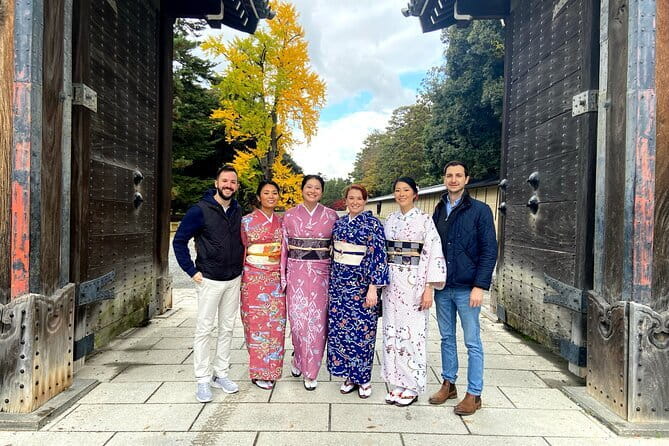
- Kimono dressing by licensed professionals with basic hairstyling included (makeup is on you beforehand)
- Former Imperial Family garden stroll where festivals and seasonal scenery matter most in spring and autumn
- Mitsui Shimogamo Villa admission included for a preserved Japanese villa tied to one of Japan’s prominent families
- Shimogamo Jinja on a major Kyoto shrine visit, backed by over 1,000 years of history
- Tea ceremony with wagashi at Chisato in a small, explained format
- Private tour for your group only, so the pace and questions can stay personal
Starting in a Kyoto kimono at Ume Sakura (and how to prep)
The day starts at Ume Sakura (38 Fujikicho, Nakagyo Ward) at 10:30 am, and yes, it’s a formal start: you’ll get dressed in an authentic kimono by licensed professionals. The time block is about 1 hour at the dressing location, and it’s the kind of setup that changes how you move through the city. Even if you’ve worn a kimono before, having trained staff handle the fit and finish makes a big difference in comfort and photos.
Two practical details matter here. First, basic hairstyling is included. Second, makeup must be done in advance by you. That’s not just a “nice to know.” In real life, it means you should come ready—especially if you’ll be photographed or you want the look to last from morning through your tea ceremony.
If you’re going kimono-style, look for the option at booking. The tour info makes it clear the kimono experience depends on selecting the kimono option when you reserve. If you choose not to do it, you can still join the day, but you’ll miss the full “Kyoto in costume” feel that this tour is known for.
You can also read our reviews of more walking tours in Kyoto


The former Imperial Family grounds: a garden walk with seasonal weight
Right after the dressing portion, you’ll stroll through the grounds of the former home of the Imperial Family. This is one of those Kyoto stops that works because it slows you down. The property includes vast gardens, and the pace here isn’t about hitting the next photo spot. It’s about walking a space that has long been used for festivals and seasonal activities.
What I’d emphasize to you is the timing. The grounds are particularly beautiful in spring and autumn. If your trip lines up with those seasons, this stop becomes more than a quick garden break—you’ll feel the rhythm of Kyoto’s year in a way that’s hard to manufacture with just museums.
Also, you get something valuable here: context. With a guide, you’re not just moving from one entrance fee to the next. You’re learning what the gardens are used for throughout the year, which makes later shrine and villa stops click into place.
Potential drawback? Gardens involve walking. Even though the tour keeps moving, plan for time on your feet. Bring your best footwear you can comfortably wear for hours, and treat this as a “slow walk, not a sprint” part of your day.
Mitsui Shimogamo Villa: preserved home, included ticket, quiet drama
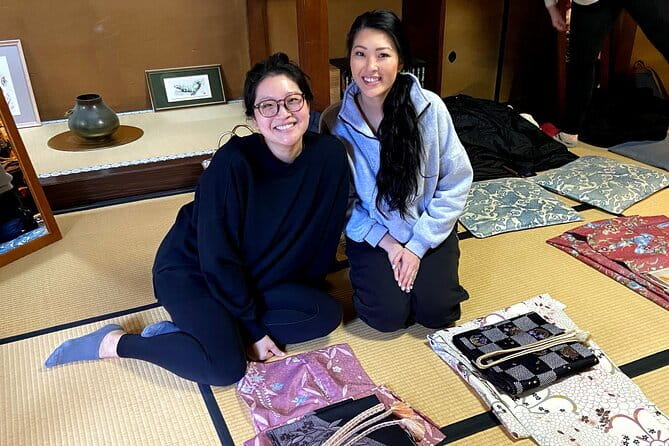
Next up is the Old Mitsui Family Shimogamo Villa, and this is where the tour adds a different flavor. Instead of focusing on crowds or storefronts, you tour a Japanese villa that’s wonderfully preserved—once owned by a major family in Japan’s history. Your visit here is about 30 minutes, and admission is included.
A preserved villa stop is a smart choice in Kyoto because it gives you a sense of how daily space and aesthetics were arranged for people with means. You’ll be able to look at rooms and grounds as a unified whole, not as separate “random buildings.” That’s the kind of contrast that makes a walking tour more than a checklist.
The value of including admission is simple: you don’t have to manage one more ticket. In an 8-hour day, that matters. You’ll spend more time actually looking and listening, less time figuring out logistics.
If you’re the kind of traveler who likes architecture, interior layouts, or old domestic spaces, this stop is a highlight. If you want only outdoor scenery, you may still enjoy it—because Kyoto’s indoor-outdoor rhythm is part of what makes the city feel like Kyoto.
Shimogamo Jinja: 1,000+ years and a low-pressure shrine visit
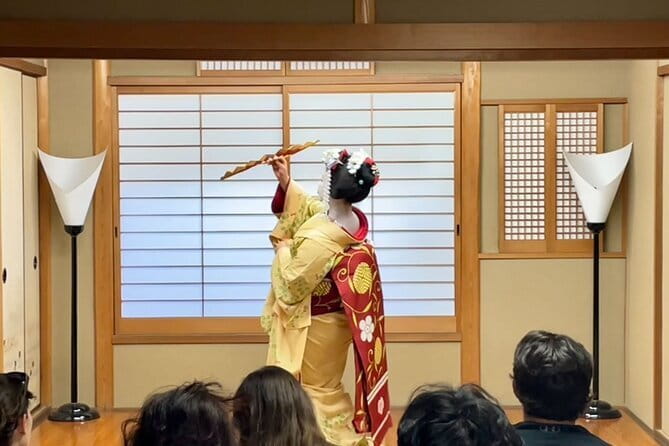
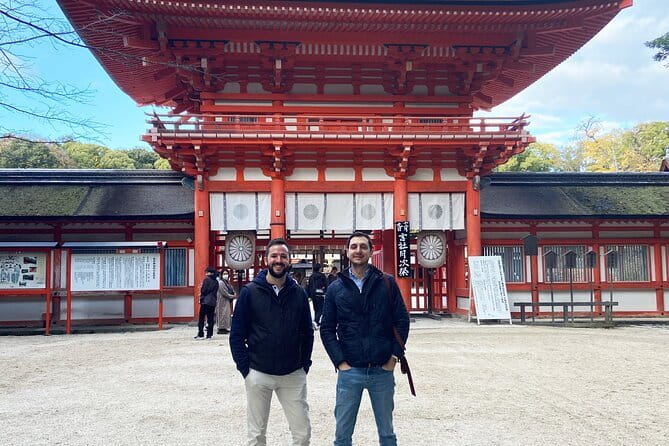
Then you go to Shimogamo Jinja, one of Kyoto’s important shrines, with over 1,000 years of history. The time is about 30 minutes, and the admission ticket is free.
A free shrine stop is a great gift on a day that already includes paid elements. You can enjoy it without thinking about your wallet every time the group pauses. And since the tour is private (your group only), you can take your time with details rather than feeling rushed by other groups.
Why I think this shrine visit matters: it anchors the day in Kyoto’s spiritual “everyday seriousness.” This isn’t a theme-park shrine stop. It’s a major site, and the long history helps you understand why Kyoto’s culture keeps looping back to tradition, not just aesthetics.
The only consideration is that shrine areas can involve walking paths and standing for brief stretches. It’s usually manageable, but if you get tired easily, pace yourself during the 30 minutes. Take breaks when you can, and don’t try to see everything at once—pick a few areas to focus on.
Lunch at Teramachi Yoshikura Machiya: you choose, but budget it
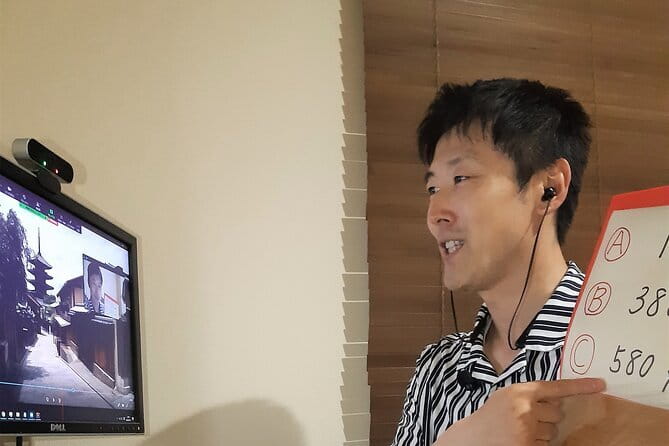
The lunch stop is Kyoto cuisine Teramachi Yoshikura in a renovated Machiya (a traditional Kyoto townhouse style). The lunch segment runs about 1 hour, and the key detail is that lunch is not included in the tour price.
You’ll be invited to choose meal options, which is helpful if your group has different tastes. And because dietary restrictions have to be stated in advance, it’s worth messaging any needs early, especially if you’re vegetarian, avoid certain ingredients, or have allergies. The tour info is honest: depending on the request, they may not be able to accommodate you.
Here’s how to think about this lunch stop for value. You’re paying for the day’s guided flow and included experiences (villa admission and tea ceremony). Lunch is the variable cost. If you budget for it up front, you’ll avoid that last-minute scramble that can ruin the mood.
If you’re hoping for a guaranteed exact meal price, you might want to confirm how the menu pricing works when you book. The tour gives you the experience and timing; the specific meal cost depends on the option you choose.
You can also read our reviews of more tours and experiences in Kyoto


Tea ceremony at Chisato: matcha and wagashi with real explanations
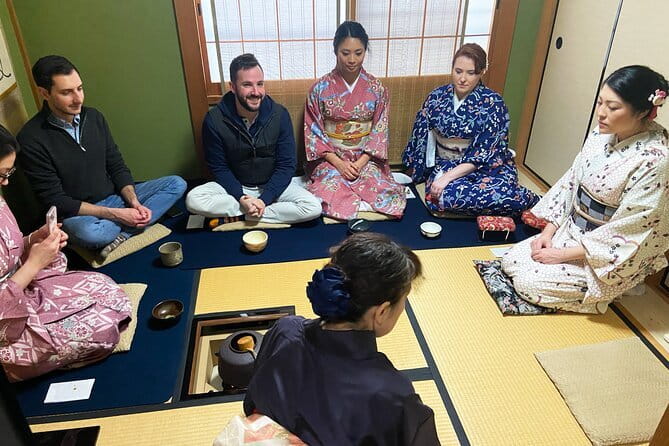
The day finishes with the Tea Ceremony Experience at Chisato. This is about 1 hour, and admission is included. You’ll do the Japanese tea ceremony with wagashi, and you’ll get explanations from both your host and guide in an intimate setting.
This is one of the best reasons to book: tea ceremonies aren’t just about drinking matcha. They’re about the choreography—how the session is guided, how guests are welcomed, and what the sweets mean alongside the tea. Having someone explain it turns a 15-minute drink into a cultural moment you actually understand.
The tour’s best-reviewed ingredient is the tone of the ceremony. One of the strong points from a past experience was that it was not only beautiful, but also paired with personal insight about Japanese culture and life as a foreigner in Japan. Even if you’re not from Japan, that kind of framing helps you notice what locals tend to treat as normal.
Practical angle for you: tea ceremonies can be calming, but they also have a set flow. Be ready for the session to be more structured than a casual café stop. If you like quiet, attentive moments during travel, this part will feel like a payoff instead of a checkbox.
What $117.06 buys you (and what it doesn’t)
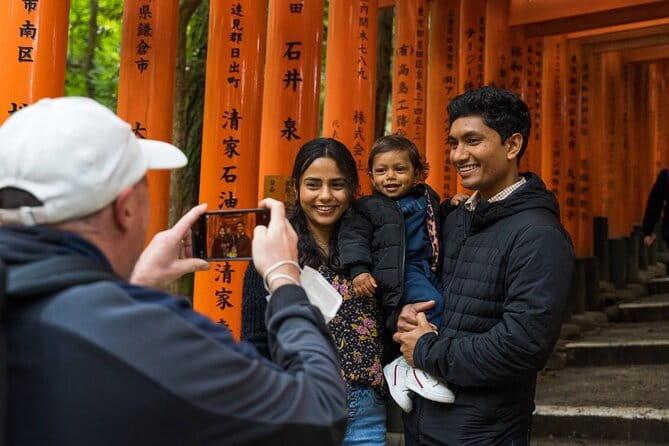
At $117.06 per person, this is priced like a premium half-day experience, not a budget walk-in. The big reason is what’s bundled: tea ceremony and admission to Mitsui Shimogamo. Add the kimono experience if you pick that option, and suddenly you’re paying for more than guiding—you’re paying for access and setup.
What’s not included is lunch. That’s not a deal-breaker, but it does mean your true day cost depends on what you select at Teramachi Yoshikura. If you already know you want a heavier lunch or you have dietary restrictions that require special handling, build that into your budget.
The private tour nature also affects value. Since it’s private (only your group participates), you’re not splitting quality with strangers. You can ask questions without worrying that you’re slowing everyone down. For couples, friends, or anyone who doesn’t love joining a big shared shuffle, that’s a major upside.
One more small detail that matters for sanity: it’s a mobile ticket and starts near public transportation. Kyoto days can be chaotic—so reducing “where do I go next” stress is real value.
Timing, pacing, and who will enjoy this most
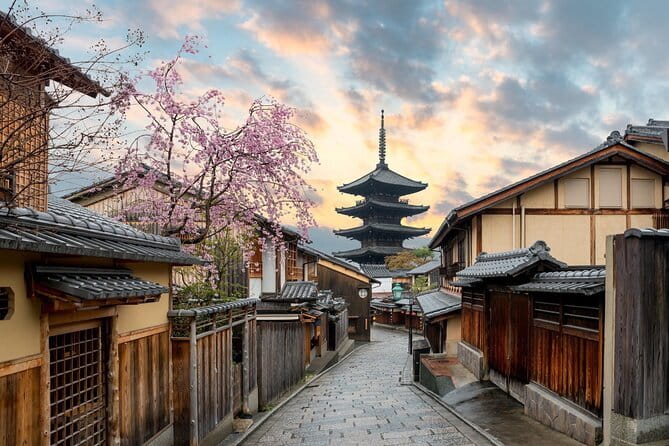
This is an 8-hour walking day (approx.) starting at 10:30 am and ending back at the meeting point. That’s a full day, but the stops are spaced with breathing room: dressing and stroll time, a villa visit, a shrine visit, a lunch hour, then a final tea ceremony.
If you like structure—knowing you’ll cover a set route without guessing—you’ll enjoy this. If you prefer wandering with total freedom, this may feel a bit directed, because it’s built around specific experiences and scheduled time blocks.
Who it’s best for:
- People who want Kyoto culture in a “guided but not rushed” format
- Travelers who plan their day around matcha and traditional experiences
- Anyone who likes mixing outdoor sights with one indoor-feeling stop (the villa)
- Couples or small groups who benefit from private pacing
It also notes that most travelers can participate, but kimono days can be more comfortable when you’re prepared for a bit of walking and standing. If you’re traveling with mobility limits, it’s worth thinking carefully before choosing a kimono option.
Should you book Kyoto Walking Tour with Kimono Rental, Lunch Stop, and Tea?
I’d book this if your Kyoto trip has room for a full, structured day and you specifically want kimono dressing plus a matcha tea ceremony that comes with explanation. The combination of Shimogamo-area tradition (including a major shrine) with a preserved villa and a garden stroll is a strong way to see Kyoto beyond the usual photo loop.
Skip it or adjust expectations if:
- You don’t want to spend most of the day on your feet
- Lunch cost matters to you because it’s not included
- You have dietary restrictions and need firm accommodation guarantees (the tour says requests may not be accommodated depending on what you ask)
If your goal is to learn as you go, not just collect landmarks, this is a very sensible choice—especially if you want that extra cultural context added by your guide during the day.
FAQ
How long is the Kyoto walking tour?
The tour runs about 8 hours (approx.).
What time does the tour start, and where is the meeting point?
It starts at 10:30 am at Ume Sakura, 38 Fujikicho, Nakagyo Ward, Kyoto.
Is the kimono rental included?
The kimono dressing is available, and you need to select the appropriate kimono option when booking. Kimono dressing is handled by licensed professionals, and basic hairstyling is included (makeup is done in advance by guests).
What’s included in the price?
Tea ceremony is included, and admission to the Mitsui Shimogamo Villa is included.
Is lunch included?
No. Lunch at Kyoto cuisine Teramachi Yoshikura is not included, though meal options are chosen during the lunch stop.
What if I need dietary accommodations?
Dietary restrictions must be stated in advance, and depending on the request, they may not be able to accommodate you.
Is there free cancellation?
Yes. You can cancel for a full refund up to 24 hours in advance of the experience’s start time.