REVIEW · KYOTO
Kyoto: Fushimi, Arashiyama – Bamboo, Monkey, Torii & Secrets
Book on GetYourGuide →Operated by JAPANIFY TOURS · Bookable on GetYourGuide
Torii gates and monkeys in one day. This Kyoto walking tour strings together Fushimi Inari and Arashiyama’s most famous sights, plus a few quieter lanes your average self-guided walk might miss. I love that it’s built for people who want big Kyoto icons, but still want calmer side moments.
Two things I really like: the bamboo forest stretch in Arashiyama feels like a full-on sensory reset, and Tenryu-ji’s Zen garden gives you a rare pause button in the middle of all the walking. You also get real guide storytelling as you go—local legends and history tied to what you’re actually seeing.
One consideration: the Monkey Park hike is steep. If your legs are touchy, plan for a tough uphill push and consider weather, since Kyoto can swing from hot to rainy fast. Also, this tour isn’t set up for wheelchair users or strollers.
In This Review
- Key highlights you’ll remember
- Price and what $88 buys you in Kyoto time
- Finding the meeting point: Inari Station and an easy start/end
- Fushimi Inari Taisha: the torii gates that keep climbing
- Arashiyama bamboo forest: where your brain goes quiet
- Tenryu-ji’s Zen garden: calm when your feet need it
- Togetsukyo aka Moon Crossing Bridge: the river view moment
- Monkey Park: wild monkeys, panoramic views, and a real uphill push
- Your guide’s role: stories, shortcuts, and photo help
- Timing, lunch, and how to keep energy up
- What to pack (so the day stays fun, not painful)
- Who should book this Kyoto walk (and who should reconsider)
- Should you book this tour?
- FAQ
- Where does the tour start and where does it end?
- What’s included in the price?
- Are train fees included?
- Is food and drink included?
- How long is the tour?
- Is the tour suitable for wheelchair users or people with mobility impairments?
- What should I bring?
- Is video recording allowed?
Key highlights you’ll remember
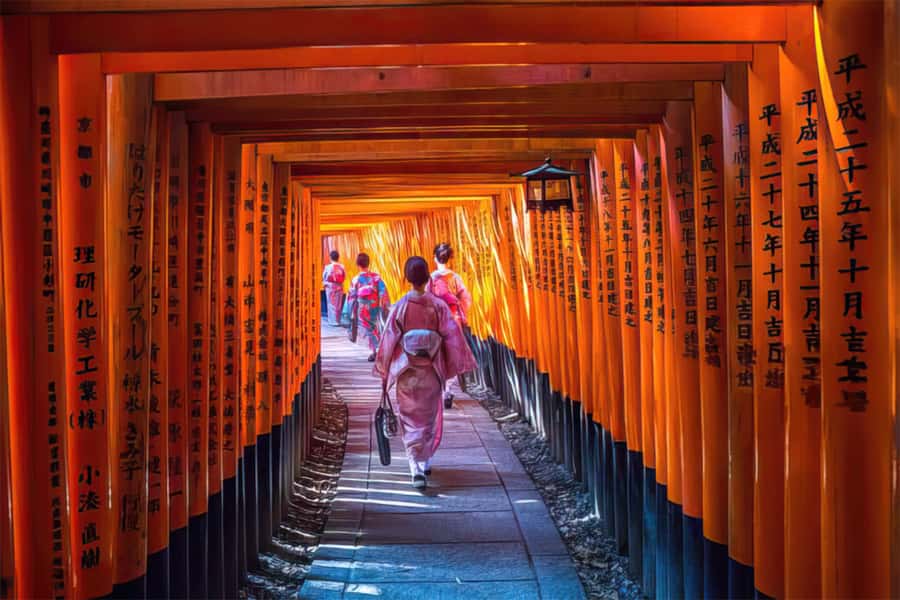
- Fushimi Inari’s torii gates on Mount Inari: red gates that keep winding upward, plus time to see the climb at a human pace
- Arashiyama bamboo forest walk: that unmistakable towering bamboo feel, with photo-friendly angles
- Tenryu-ji Zen garden (UNESCO): a peaceful break when your feet start to complain
- Togetsukyo aka Moon Crossing Bridge: the iconic river crossing with classic views
- Monkey Park wild monkeys + entry included: a memorable feeding moment with panoramic Kyoto views
- Local bilingual guide: praised for pacing, handling tickets, and helping with photos
Price and what $88 buys you in Kyoto time
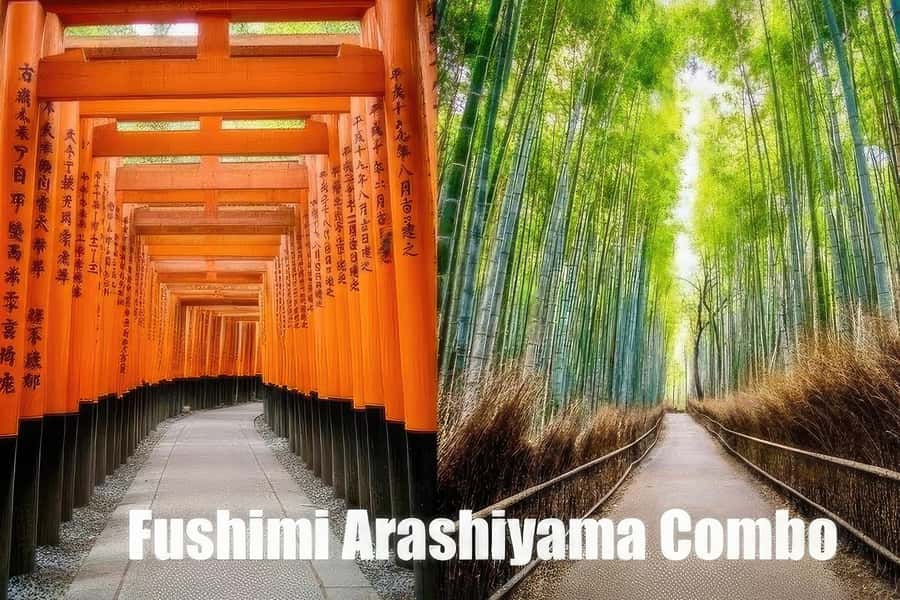
At $88 per person, this tour isn’t trying to undercut the market. You’re paying for a guide who connects the dots between a lot of Kyoto must-sees without wasting your day on confusion.
Here’s the value math that matters: key entries are included (Monkey Park and Tenryu-ji), and the big walking zones are the real work of the trip. You also get an intimate small-group setup, which usually means less waiting and more chances for questions. Several guides are mentioned across the review pool, including Aron, Tim, and Mari, and they’re repeatedly described as doing the practical “move the group, explain what matters, help with photos” job well.
What you’re not paying for is also clear. Train fees and food/drinks aren’t included, so you’ll spend extra depending on how you eat. And the tour starts at Inari Station with no pickup, so you’ll want to arrive there comfortably before your departure.
If you’re short on time in Kyoto and you want the classic hits—torii gates, bamboo, a Zen garden, a bridge, and monkey views—this is a smart way to compress it into one focused walking day.
You can also read our reviews of more tours and experiences in Kyoto.
Finding the meeting point: Inari Station and an easy start/end
You start in front of the gates of Inari Station, and the tour ends back at the meeting point. That’s a small detail, but it matters: you won’t have to solve a “how do I get home?” puzzle at the end with tired legs.
Because train fees aren’t included, check your route before you go. Kyoto transit is straightforward, but you’ll want your station plan ready. Comfortable shoes matter here more than anything, since you’re on foot for the whole day.
Also note what isn’t allowed: strollers and wheelchairs (and video recording) are off the table. It’s built for moving freely on foot and stairs.
Fushimi Inari Taisha: the torii gates that keep climbing
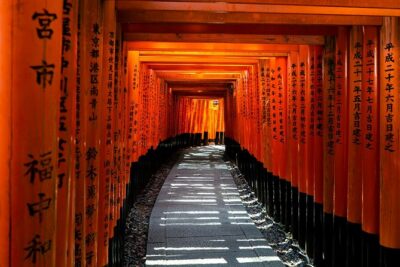
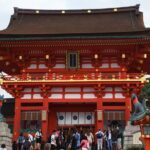
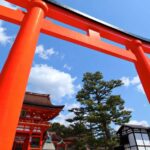
Fushimi Inari is the big star for a reason. You begin by walking through the thousands of striking red torii gates that wind up the sacred mountain. Even if you’ve seen photos, being there in person is different—you feel how the gates choreograph your steps. The path doesn’t just take you somewhere. It gradually changes your perspective.
This tour includes the climb up Mount Inari to see the red gates, with the guide leading the way. A good guide does two things here: they help you read the place (what the gates mean, how the shrine fits into local belief), and they keep you moving without rushing past the moments that deserve attention.
A practical tip: start slower than you think you should. The torii climb feels gradual, then suddenly you’re higher than you planned. Bring cash for any small stops you decide to add along the way—snacks come up during the route, and your guide may steer you toward traditional options.
If you’re the type who likes photos, you’ll likely appreciate the guidance on where to stand and when to frame the gates. Several guides (including Aron in the review notes) are praised specifically for photo help and picture timing.
Arashiyama bamboo forest: where your brain goes quiet
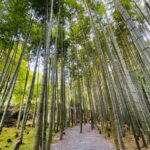
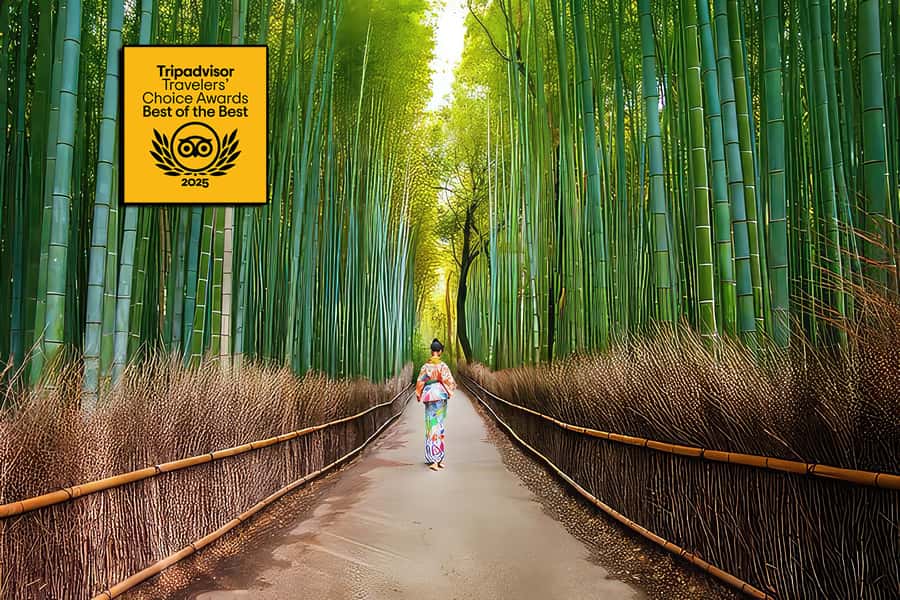
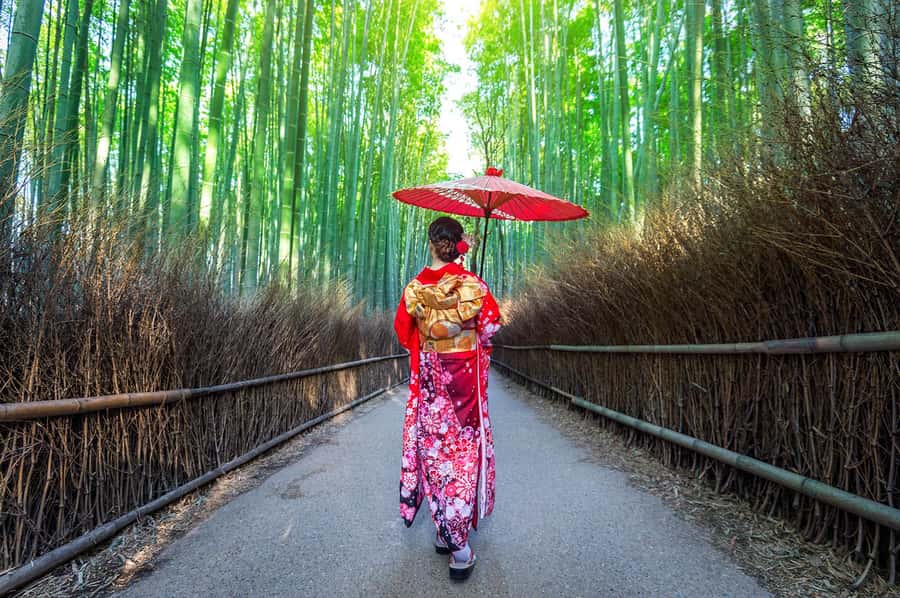
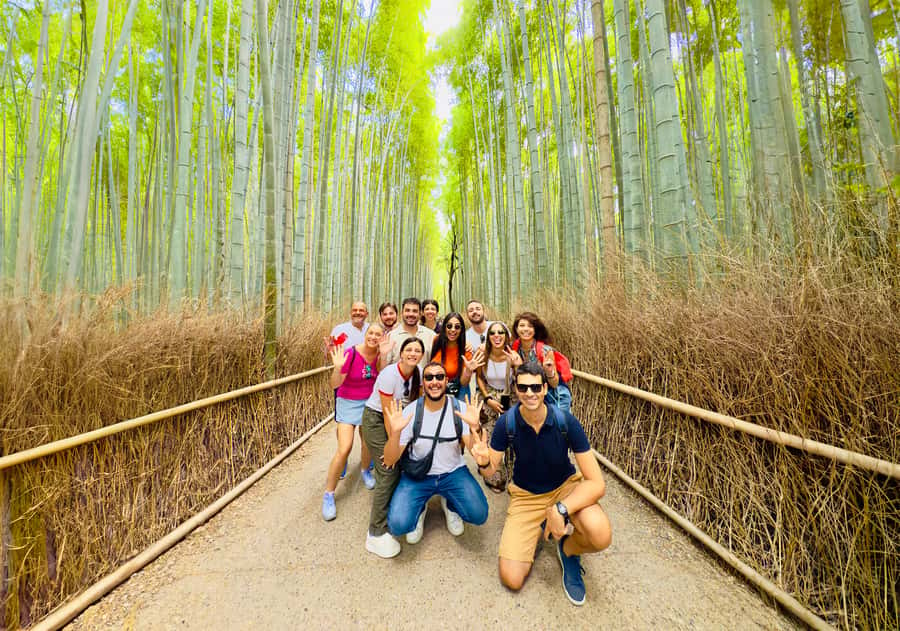
Once you head into Arashiyama, the tone shifts. The bamboo forest walk is the kind of sight that makes your pace naturally slow down. Tall stalks, constant rustling, and that cool sense that you’ve left the city noise behind—at least for a while.
This tour doesn’t only bring you to the famous spot. It also aims to take you along quieter streets and less crowded lanes on the way between sights. That matters because Arashiyama can feel crowded at peak times. The guide’s job is to route you so you’re not stuck in the thick of it the whole time.
Expect photo stops. Expect short pauses. And expect a little surprise: bamboo is visually repetitive until you start noticing small differences in light, angles, and the way the walkway cuts through the grove.
If you’re thinking about timing: since the day starts with Fushimi Inari and then flows into Arashiyama, you may not hit the bamboo at the absolute busiest moment compared with people who do only bamboo first. That’s not a guarantee, but it’s a common advantage of tour sequencing.
Tenryu-ji’s Zen garden: calm when your feet need it
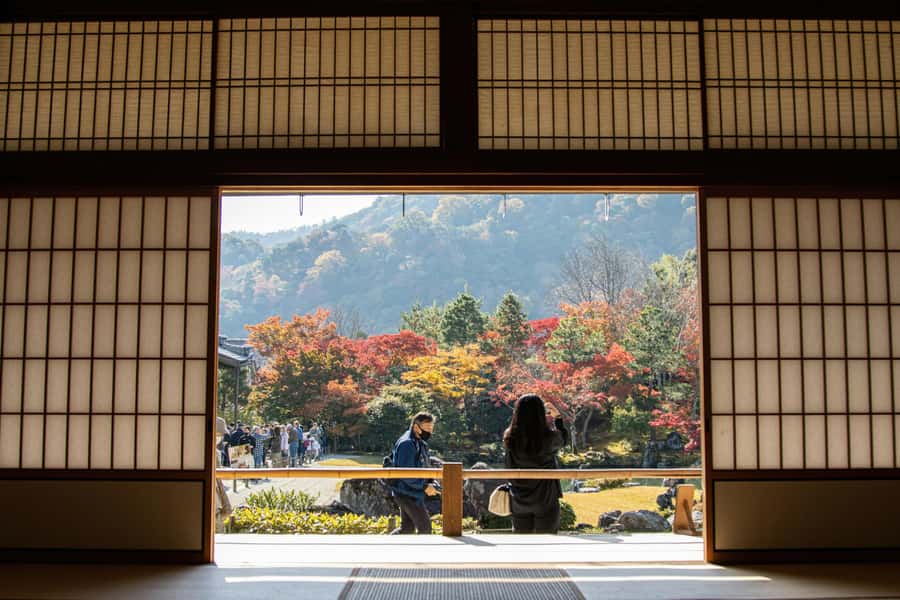
Tenryu-ji is where the day becomes more contemplative. The Zen garden at Tenryu-ji (entry included) is a UNESCO World Heritage Site, known for its designed, peaceful look—water, stone, and planting patterns that create a sense of order and quiet.
Even if you’re not a temple-expert, this stop works. It’s built for travelers who want to sit for a few minutes and actually absorb Kyoto instead of rushing onward. Tenryu-ji gives you a break after stairs and climbs, and it also turns your “sightseeing mode” into “pay attention” mode.
What to watch for: how the garden’s lines pull your eyes, and how the mood shifts as you move along the viewing areas. Your guide can help explain what you’re looking at without turning it into a lecture.
If you’re a photographer, you’ll likely find easy angles here. Several guides are mentioned as taking photos for people and helping with framing, including phone tips. Even if you bring no gear besides your phone, you’ll still leave with better shots than you’d get by winging it.
Togetsukyo aka Moon Crossing Bridge: the river view moment
Next comes the river crossing at Togetsukyo, also called the Moon Crossing Bridge. This is one of Kyoto’s iconic photo points, and the reason it’s so famous is simple: you get classic views over the river, with the surrounding scene opening up around you.
This tour includes the bridge crossing as part of the route, and the guide uses it as a natural transition between Arashiyama’s garden-and-bamboo zone and the monkey area.
Practical advice: plan to stop here even if you think you’re “too busy.” The bridge moment is one of those short scenic resets that make the whole walk feel worth it later.
Monkey Park: wild monkeys, panoramic views, and a real uphill push
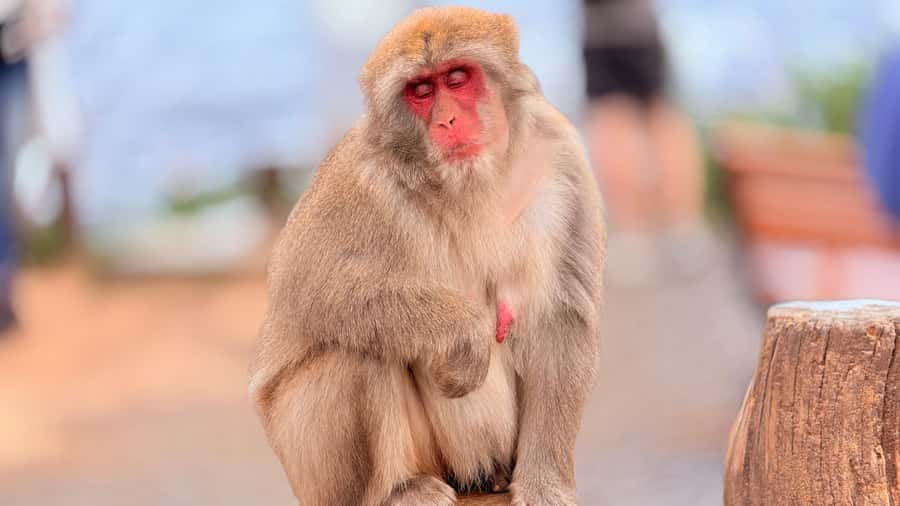
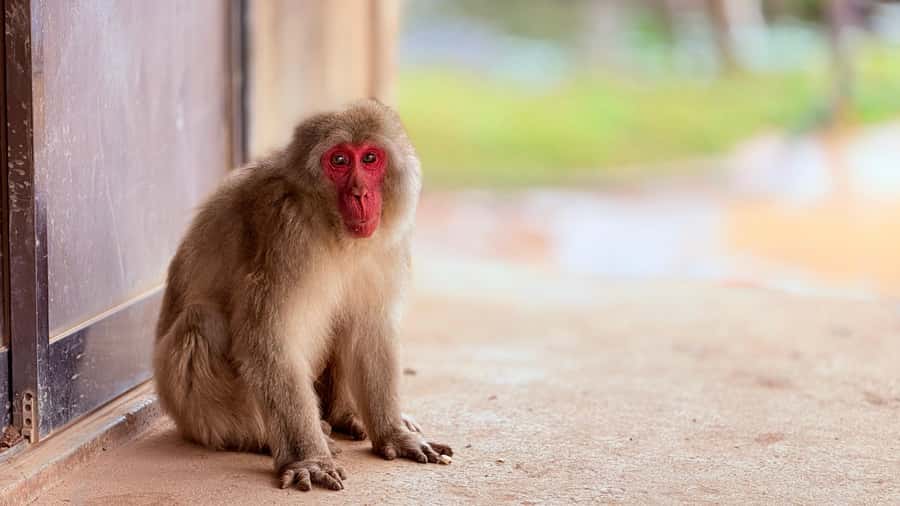
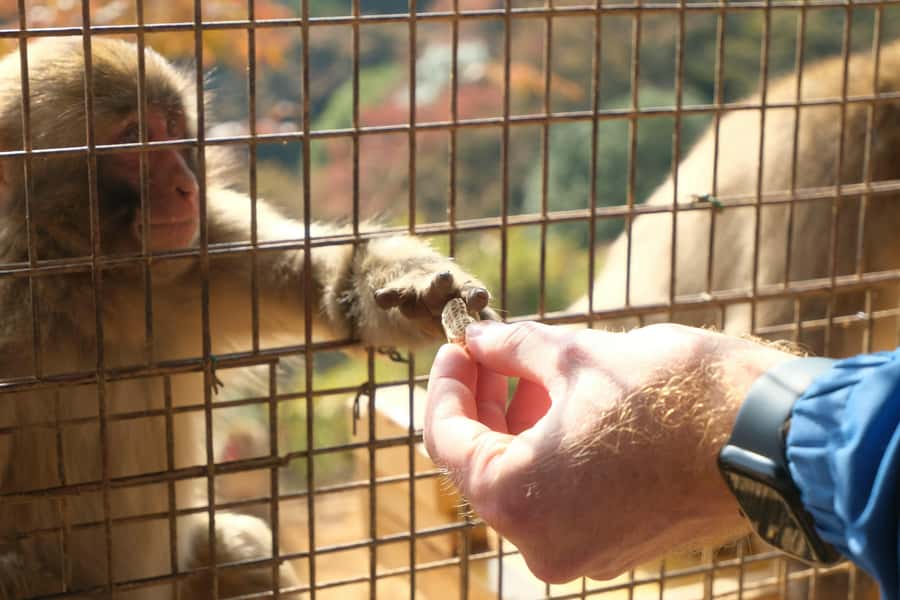
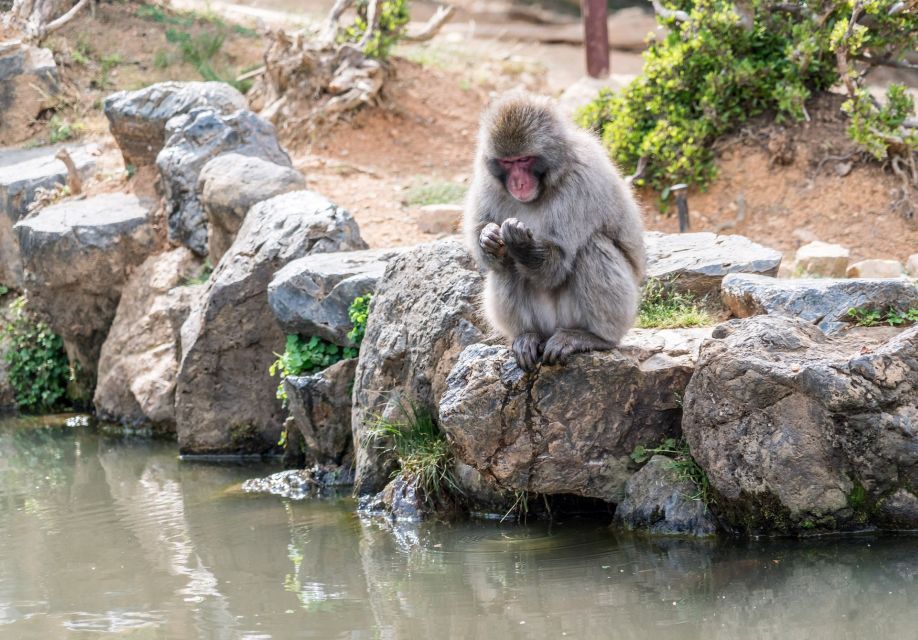
Here’s the part to take seriously: the route up to Monkey Park. You’ll climb from the river area toward where the monkeys roam. Entry to the park is included, and there’s a feeding moment where you can watch the monkeys up close.
That said, don’t pretend this is easy. One review calls out the climb as steep and notes about 525 feet up to the monkey forest area. If you’re not used to hills, you’ll feel it in your calves. If you are used to walking, it still counts as a workout.
The good news is that guides are praised for pacing. People mention guides stopping often for cool-down breaks during hot weather, and keeping the group moving without constant long waits. If you get someone like Aron, the review notes say he’s great at handling the practical stuff—tickets, route, and photo positioning—so you can focus on the experience.
Monkey etiquette is simple in spirit: you’ll want to follow your guide’s instructions closely and keep your attention on what’s happening around you. Wild animals aren’t a museum exhibit, so stay alert and don’t try to improvise.
When you reach the view area, the payoff is real: you get a different angle on Kyoto, and the monkeys add energy that turns a steep climb into a memorable one.
Your guide’s role: stories, shortcuts, and photo help
The guide is the difference between seeing sights and actually enjoying the day.
This tour is led by a bilingual local expert, and the review feedback repeatedly points to:
- pacing that avoids long standing around
- help with photographs (including phone/iPhone tips)
- practical navigation through Kyoto so you’re not stuck searching
- cultural stories and legends tied to what you see
Different guides are named in the review pool, including Terri, Max, Mari, Marie, Aron, and Tim, and the common thread is that they keep people comfortable. One review notes stops during intense heat. Another mentions rain handled smoothly. There’s also mention that guides help manage tickets and steer you toward good lunch spots.
If you’re the kind of traveler who likes learning why a place looks the way it does, this tour fits. If you just want a checklist, it can still work—but you’ll get more out of it if you engage with the guide’s explanations.
Timing, lunch, and how to keep energy up
Food and drinks aren’t included, but don’t worry: the day includes a lunch stop. One review specifically says there’s a lunch stop at a small food area with a selection of about 4 or 5 places to eat, which helps if you’re hesitant about booking a longer walking tour.
So how should you approach lunch?
- Use it as your reset, not a rush
- Keep an eye on your walking energy after lunch since the monkey area involves climbing
- Bring enough cash for snacks and drinks as needed
Weather matters too. Reviews mention intense heat and super rainy days. That’s Kyoto for you. Wear shoes that can handle wet streets. If it’s hot, bring a water plan and take the cooling breaks your guide offers.
Also remember: video recording is not allowed, so plan on still photos and phone shots.
What to pack (so the day stays fun, not painful)
This tour is built around walking, so packing is mostly about comfort and readiness.
Bring:
- Comfortable shoes (you’ll thank yourself halfway up the monkey climb)
- Cash (useful for snacks and small purchases along the way)
Plan for:
- possible rain gear, since people report wet days
- a light layer for changing temperatures (Kyoto shifts during the day)
Skip:
- strollers and non-folding wheelchairs (not allowed)
- video recording (not allowed)
Who should book this Kyoto walk (and who should reconsider)
This tour is a strong match if you:
- want Kyoto’s headline sights in one day: Fushimi Inari, bamboo, Tenryu-ji, Togetsukyo, and Monkey Park
- like photography and want help finding good spots
- enjoy learning small cultural details from a local guide
- don’t mind walking as the main activity
It may not be the best fit if you:
- have mobility limitations or use a wheelchair (the tour states it’s not suitable)
- hate steep climbs (the Monkey Park hike is described as steep)
- need tons of stroller-friendly flat time
If you’re traveling solo, you can book, but there’s a minimum number of guests required for the tour to run. If only one is booked, the tour may be canceled with rescheduling or a full refund offered. If you’re flexible, you can still make it work, but it’s good to know the reality ahead of time.
Should you book this tour?
I’d book it if you want a guide-led day that hits Kyoto’s most recognizable landmarks and still leaves time for quieter moments and good photos. The included entries, the small-group feel, and the fact that guides are praised for pacing and photo help make the $88 price feel more justified than a “go here, go there” self-walk.
I wouldn’t book it if you want minimal walking or if the uphill portion sounds like a deal-breaker. Monkey Park is the workout piece of the day, and it’s not pretending otherwise.
If you do book: wear shoes you trust, bring cash, and use your guide. That last part sounds obvious, but in Kyoto it changes everything. With the right guide (people mention Aron and Tim often), the day turns into a route you’ll remember, not just a list of places you visited.
FAQ
Where does the tour start and where does it end?
The tour starts in front of the gates of Inari station and ends back at the meeting point.
What’s included in the price?
Entry is included for Monkey Park and the Tenryuji Temple Garden, plus the Mount Inari climb at Fushimi Inari. You also get a bilingual local guide, and it’s a small-group walking experience.
Are train fees included?
No. Train fees are not included.
Is food and drink included?
No. Food and drinks are not included.
How long is the tour?
The tour is described as around a five-hour walking experience in the review notes.
Is the tour suitable for wheelchair users or people with mobility impairments?
No. The tour states it is not suitable for wheelchair users and not suitable for people with mobility impairments.
What should I bring?
Bring comfortable shoes and cash.
Is video recording allowed?
No. Video recording is not allowed.