REVIEW · KYOTO
Kyoto: Kimono Tea Ceremony at Orizuruya Gion
Book on GetYourGuide →Operated by LINKTIVITY Inc. · Bookable on GetYourGuide
A kimono and matcha in Gion is a fast reset. This Kyoto activity pairs kimono dressing with a hands-on tea ceremony taught in English, with a small group cap (max 10), so you don’t feel rushed or lost. The process is structured enough to keep you comfortable, but still feels personal, down to time to ask questions.
I especially like two things: you get expert help picking and putting on your kimono (plus simple hair styling for women), and you leave knowing how to whisk matcha yourself using the traditional chasen. One thing to keep in mind: you’re spending real time getting dressed first, so if you’re short on schedule, choose the right start time and consider whether you also want the calligraphy option.
In This Review
- Key Points You’ll Care About
- A Kimono Tea Ceremony in Gion That Feels Like Kyoto, Not a Costume
- Picking Your Kimono from 200+ Choices (And Getting Dressed Like a Pro)
- How the Tea Ceremony Works: From Chasen Whisk to Your Own Bowl
- Wagashi and Matcha: The Taste That Connects Everything
- Optional Japanese Calligraphy: Add Another Skill Without Making It Hard
- Wearing the Kimono After: Gion Stroll Time (Not Just a Photo Stop)
- Where You Meet: Gion Oritsuruya and Easy Station Walks
- Price and Value: Why $49 Can Make Sense Here
- Who Should Book This, and Who Might Skip It
- Quick Practical Tips Before You Go
- Should You Book Kyoto: Kimono Tea Ceremony at Orizuruya Gion?
- FAQ
- How long is the Kyoto kimono tea ceremony?
- Is the experience in English?
- How big is the group?
- What does the price include?
- Do I get to make matcha myself?
- Is Japanese calligraphy included automatically?
- Where is the meeting point?
- How do I get there from major stations?
- Can I wear the kimono after the ceremony?
- Is there a cancellation policy?
- Is there an option to pay later?
Key Points You’ll Care About
- 200+ kimono designs to choose from, with staff doing the heavy lifting so you can focus on enjoying the look.
- Small-group format (10 max), which makes the tea lesson feel calm and easy to follow in English.
- You make your own matcha, not just watch it, using the whisk and the tools provided.
- Wagashi and matcha are included, so your lesson ends with a proper taste of what the ceremony is really about.
- Optional Japanese calligraphy adds another cultural skill if you want more than just tea and dressing.
- You may wear the kimono after, with time flexibility depending on your slot, including a short walk nearby.
A Kimono Tea Ceremony in Gion That Feels Like Kyoto, Not a Costume
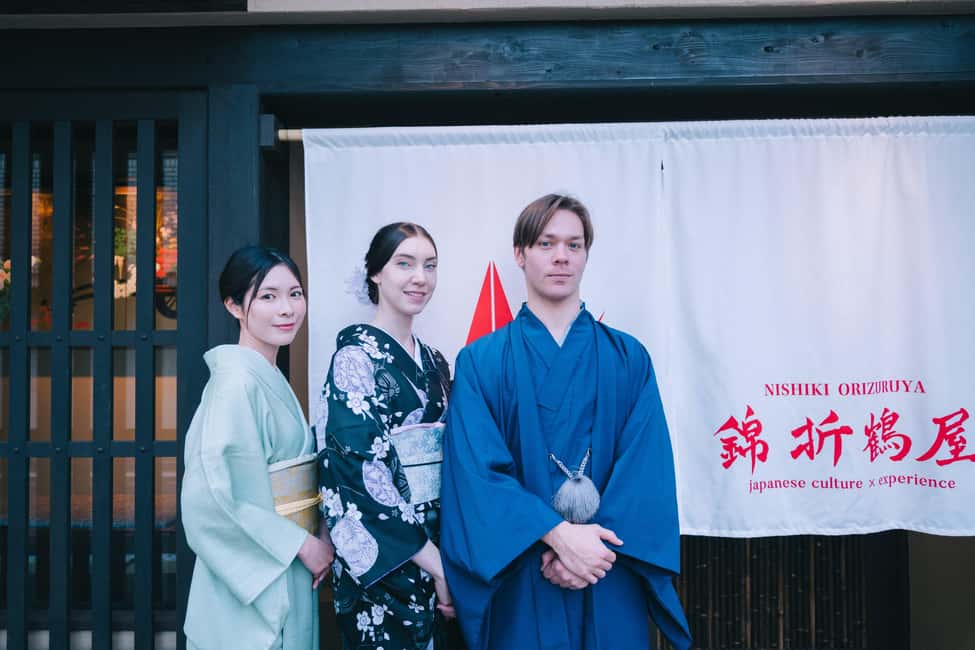
If you’ve ever worried about doing traditional things “wrong,” this is the kind of Kyoto activity that eases that fear fast. You’ll start with a practical, guided kimono dressing session, then move into a tea room where the instructor explains the ritual step by step in English. The small group size matters here: you get attention, not just throughput.
What makes this work is the pacing. The experience doesn’t throw you into silence and expect instant perfection. Instead, you’ll learn what each moment means, what to do with your hands, and why matcha is treated with such care. It’s relaxing, but it’s also instructive.
You can also read our reviews of more tours and experiences in Kyoto.



Picking Your Kimono from 200+ Choices (And Getting Dressed Like a Pro)
The highlight for many people is the dressing process, and it’s not a quick robe-and-go situation. You’ll select your favorite kimono from over 200 designs, and staff help you get dressed properly. If you’re a woman, there’s complimentary hair styling (simple style) to finish the look.
A few details make this feel high quality in real life:
- You choose your kimono yourself, so it doesn’t feel like you’re stuck with one “tourist pattern.”
- Dressing is handled efficiently, which helps when it’s cold outside or you’re worried about wasting time.
- The staff takes photos, points you to what looks good, and treats your outfit with care.
One practical note: a kimono is gorgeous, but it does require attention when you move. Plan to walk slowly and be mindful with your sleeves and belt. The good news is the staff’s workflow is built to get you moving comfortably.
How the Tea Ceremony Works: From Chasen Whisk to Your Own Bowl
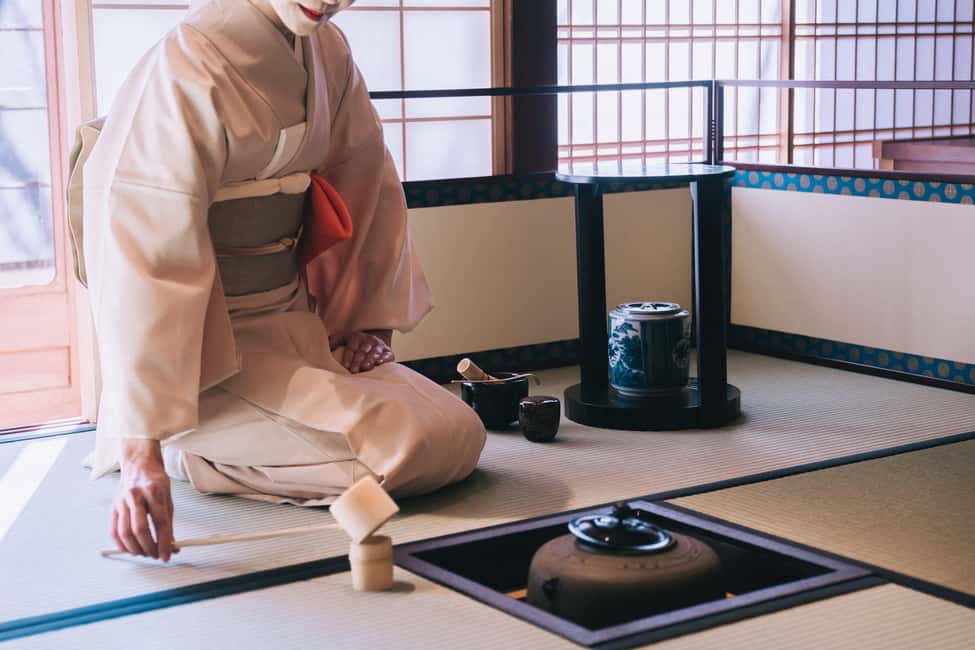
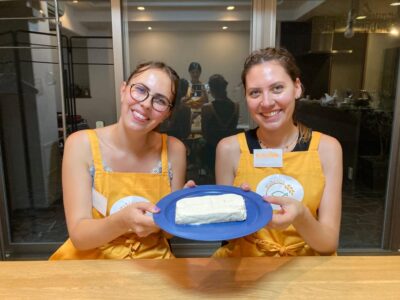
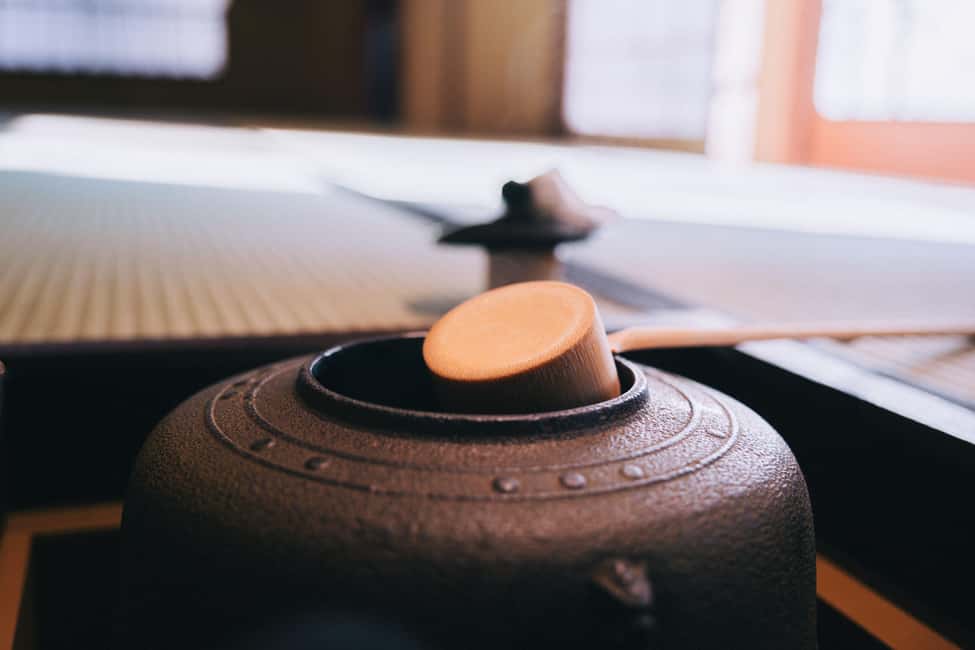
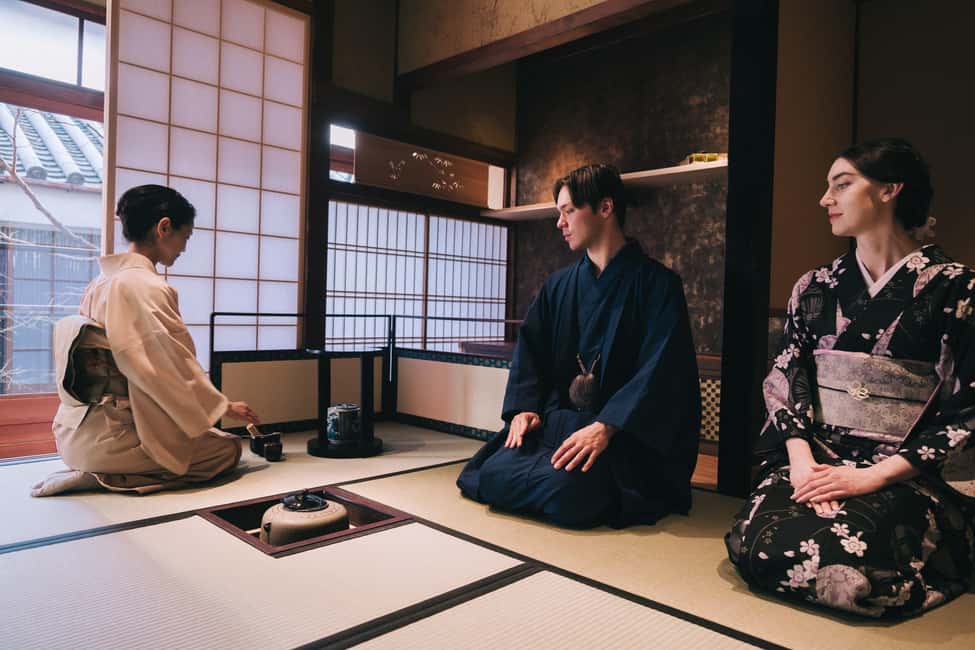
Once you’re dressed, you’ll step into a serene tea room and follow the tea ritual with an experienced instructor. The lesson focuses on matcha preparation, specifically using a traditional bamboo whisk called a chasen. That’s where the hands-on part really shines.
Here’s what you should expect in the tea ceremony portion:
- The instructor demonstrates techniques and explains the reasoning behind them.
- You learn how matcha is whisked properly—aiming for a smooth texture, not just a quick stir.
- Then you make your own bowl of matcha.
This is valuable for two reasons. First, you stop treating matcha like a drink you order and start understanding it as a process. Second, once you’ve whisked it yourself, you’ll notice quality and method when you try matcha later in Kyoto (or back home).
If you’re thinking you might be “bad at it,” don’t worry. The goal isn’t performance; it’s getting the method explained in a way you can repeat. The format feels calm, and the instruction stays clear.
Wagashi and Matcha: The Taste That Connects Everything

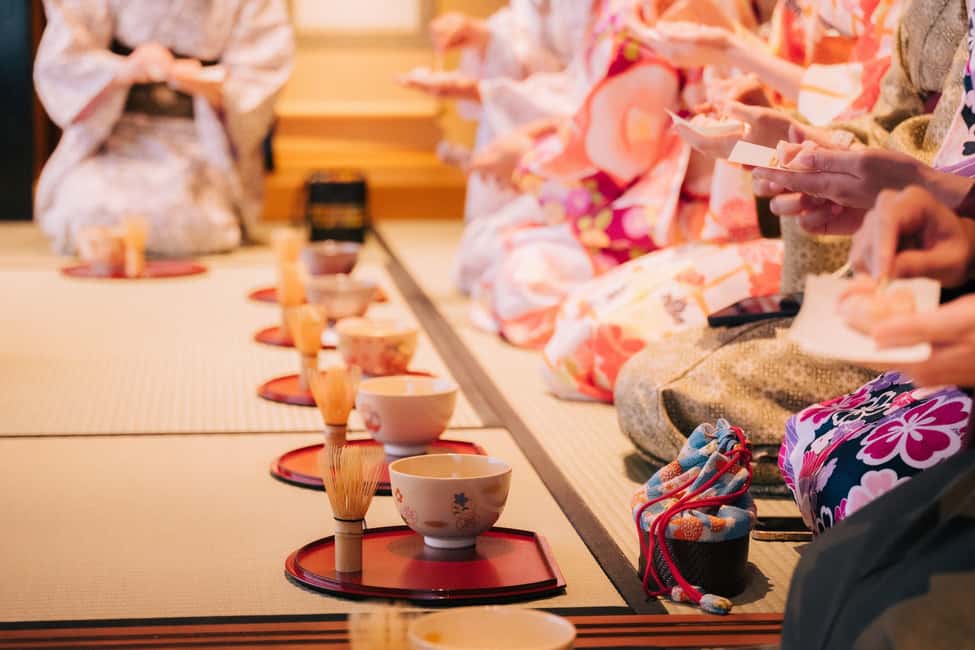
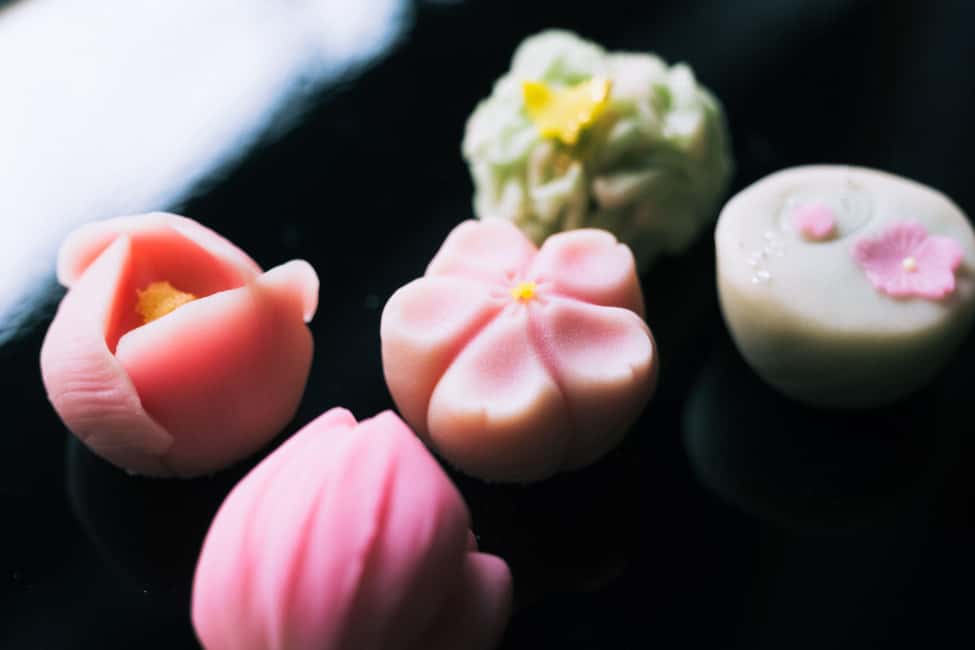
A lot of cultural activities teach concepts but forget the practical payoff. Here, you get the connection: wagashi and matcha are included, and you’ll enjoy your creation alongside the sweets.
Why this matters: wagashi isn’t just dessert. In a tea setting, the sweetness and texture are part of the balance. The ceremony is about attention—what you taste, when you taste it, and how the flavors line up with the tea.
You also get to compare your own bowl with the moment before it, which makes the learning stick. Even if you’re not a matcha expert, you’ll leave with a better sense of what makes the experience feel complete.
Optional Japanese Calligraphy: Add Another Skill Without Making It Hard
If you choose the Japanese calligraphy experience option, the total time moves closer to about 2 hours. You’ll get a calligraphy set rental, and the lesson is taught in a way that fits regular visitors, not just art students.
What people tend to love about calligraphy in this setting is patience and encouragement. The instruction is usually where guests feel the most out of their comfort zone, yet it still comes out fun. It’s also a nice contrast to the tea ritual: tea is slow and precise, while calligraphy asks you to focus on strokes and form.
If you want one “extra” cultural souvenir skill you can actually practice again later, calligraphy is a strong pick.

Wearing the Kimono After: Gion Stroll Time (Not Just a Photo Stop)
This is one of those details that turns the activity from short and tidy into more of a day memory. Many experiences like this give you a ceremonial moment and then rush you out. Here, you can wear the kimono afterward for a walk in the Gion area, including time reported up to about 5pm depending on your slot.
Some people also mention a short nearby temple visit as part of the flow, with a brief walk time (roughly 10 minutes) after the ceremony. Even if your plan is just to stroll, the point is the same: you get to see Gion in kimono, not just pose in front of a door.
Practical advice: dress in layers underneath if it’s cold. Kimono look is the headline, but warmth is the comfort. Also, bring a light bag for essentials so you’re not carrying anything awkward under your belt.
Where You Meet: Gion Oritsuruya and Easy Station Walks
You meet at Gion Oritsuruya:
- Address: 572-7 Minamigawa, Gion-machi, Higashiyama-ku, Kyoto-shi, Kyoto
Getting there is simple on foot:
- About a 10-minute walk from Hankyu Kyoto-Kawaramachi Station
- About a 7-minute walk from Keihan Gion-Shijo Station
You handle your own trip to the meeting point, so I suggest you plan to arrive a little early, especially if you’re juggling Kyoto station logistics. A few extra minutes helps you settle before the dressing starts.
Price and Value: Why $49 Can Make Sense Here
$49 per person isn’t cheap, but it also isn’t just you paying for a photo moment. What you’re really buying is a set of included services that cost money and take staff time:
- Kimono rental (you select from a large collection)
- Tea ceremony utensils rental
- Tea ceremony instruction in English, led by a licensed guide
- Wagashi and matcha included
- Hair styling (simple style) for women
- All fees and taxes
If you also choose the calligraphy option, you’re adding another rented set and instruction—so the value can rise if you want more than one cultural activity in the same time window.
The real “value” point for me is the mix of structure and comfort. You get help without losing the sense of doing something real. In a city full of look-but-don’t-touch tourist experiences, that matters.
Who Should Book This, and Who Might Skip It
This is a strong fit if you want a Kyoto cultural activity that feels guided and mistake-proof:
- You like hands-on learning (you whisk matcha yourself)
- You want a kimono experience with real dressing support
- You’re traveling with a partner or a friend and want shared photos without feeling staged
- You prefer English instruction and a small group setting
It might be less ideal if you’re trying to pack every hour with independent sightseeing. Since you’ll spend time getting dressed first, you’ll want to treat this as a real block in your day, not something you tack on after you’ve finished everything else.
Also, if you’re very sensitive to how long you’ll be in one place before getting free time, pick your timing carefully. Many people love the overall pacing, but kimono plus tea still takes up the afternoon chunk.
Quick Practical Tips Before You Go
A few things I recommend doing mentally before your slot:
- Plan slow movement in kimono. Walk like you’ve got important letters to deliver.
- If calligraphy is part of your plan, expect a bit of focus. The fun is learning with guidance, not getting perfect letters.
- If you care about photos, decide whether you’ll want “before tea,” “during tea,” and “after tea” shots. The staff does take photos, but you’ll get better results if you’re ready when they are.
- If you’re cold, wear warm layers underneath when allowed. Kimono is stylish, and your comfort should come first.
Should You Book Kyoto: Kimono Tea Ceremony at Orizuruya Gion?
Yes, if you want a Kyoto activity that feels structured, respectful, and actually educational. This is one of those rare experiences where you get multiple payoffs: dressing in a kimono, a guided matcha ceremony where you make your own bowl, and included sweets that tie the lesson together. Add the calligraphy option if you want a second cultural skill, and consider booking a time slot that gives you enough daylight for kimono stroll photos in Gion.
My only caution is scheduling. Give yourself time for dressing and don’t treat it like a quick add-on. If you do that, you’ll leave with a calm memory, a new skill, and plenty of photos that don’t feel like a factory stop.
FAQ
How long is the Kyoto kimono tea ceremony?
It’s about 90 minutes to 2 hours, depending on whether you choose just the tea ceremony or the tea ceremony plus Japanese calligraphy.
Is the experience in English?
Yes. The instructor is English.
How big is the group?
It’s a small group, limited to 10 participants.
What does the price include?
It includes snacks (wagashi and matcha), a kimono set rental, tea ceremony utensil rental, hairstyle (simple style), and all fees and taxes, plus a licensed guide.
Do I get to make matcha myself?
Yes. You’ll learn matcha preparation using a traditional bamboo whisk (chasen) and then try making your own bowl.
Is Japanese calligraphy included automatically?
No. Japanese calligraphy is included only if you select the Japanese calligraphy experience option.
Where is the meeting point?
The meeting point is Gion Oritsuruya, at 572-7 Minamigawa, Gion-machi, Higashiyama-ku, Kyoto-shi, Kyoto.
How do I get there from major stations?
You can walk about 10 minutes from Hankyu Kyoto-Kawaramachi Station or about 7 minutes from Keihan Gion-Shijo Station.
Can I wear the kimono after the ceremony?
The experience allows time to keep wearing the kimono for a walk in the area, and some participants report kimono time up to around 5pm depending on the slot.
Is there a cancellation policy?
Yes. You can cancel up to 24 hours in advance for a full refund.
Is there an option to pay later?
Yes. You can reserve now & pay later and keep your plans flexible.
If you tell me your travel dates and whether you want calligraphy too, I can help you choose a timing that best fits your Kyoto sightseeing day.