REVIEW · KYOTO
One-Day Tour of Kyoto’s Highlights from Osaka/Kyoto
Book on Viator →Operated by LIMON Tours · Bookable on Viator
Kyoto in one day is a fun challenge. This tour hits the big names fast, with an air-conditioned bus and an English-speaking guide helping you make sense of UNESCO-listed temples and shrines.
I like the clear highlight sequence (the torii gates, the famous stage temple, the Golden Pavilion, then the bamboo walk), and I really like the practical structure: guided stops plus time to wander. The main drawback to plan around is the long day and walking on hills, especially if you’re traveling with a stroller or you don’t love stairs.
In This Review
- Key things to know before you go
- The value of a Kyoto highlight day (especially when time is tight)
- Getting to the morning meeting: Osaka vs Kyoto station
- The bus ride: comfort, timing, and why it matters
- Stop 1: Fushimi Inari Taisha and the torii-gate rhythm
- Stop 2: Kiyomizu-dera with its nail-less stage
- Stop 3: Kinkaku-ji, the Golden Pavilion (and how to time photos)
- Stop 4: Arashiyama’s bamboo forest and Togetsukyo bridge
- Lunch upgrade: a small choice that can save your whole day
- Pace check: what 10 hours of Kyoto feels like
- Guides and English: what to expect realistically
- Who should book this tour (and who should skip it)
- Should you book? My decision guide
- FAQ
- How long is the tour?
- Where do I meet the tour in Osaka and in Kyoto?
- What stops are included?
- Is lunch included?
- What is included in the price?
- Can I cancel for a full refund?
Key things to know before you go
- Air-conditioned bus with free Wi-Fi keeps the day comfortable between sites.
- Four major UNESCO-listed stops in one route: Fushimi Inari Taisha, Kiyomizu-dera, Kinkaku-ji, and Arashiyama.
- Kiyomizu-dera and Kinkaku-ji admissions included, plus free time to actually look around.
- Lunch is optional (but the tour upgrade matters if you want less stress).
- Group size caps at 42, so the logistics feel controlled for a full-day itinerary.
The value of a Kyoto highlight day (especially when time is tight)
Kyoto is the kind of city where you can spend a week and still feel like you missed something. So when you only have one day, a “highlights” route is not a compromise. It’s a smart way to get your bearings fast.
For the price (about $66.32), what you’re really buying is time-saving logistics. You’re not just paying for transportation. You’re paying for a planned order of places that are spread out, timed so you can see a lot without losing hours to transit and ticket lines. Add in a bus with Wi-Fi and a guide who gives context in English, and the day stops feeling random.
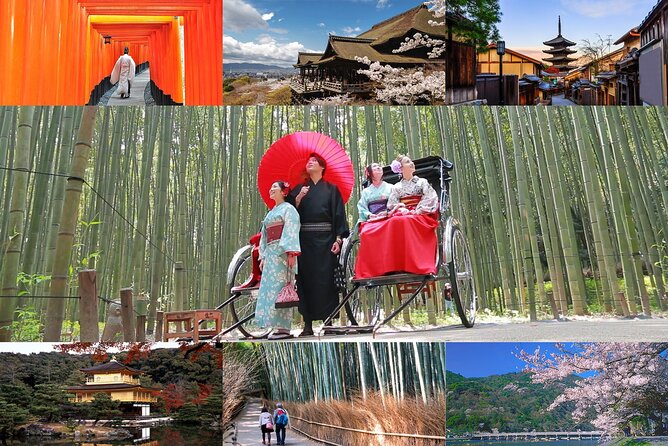
The other hidden value is that this itinerary follows Kyoto’s different moods. You start at the red torii maze at Fushimi Inari, switch to the scenic faith-and-stone spectacle of Kiyomizu-dera, then land at the Golden Pavilion before cooling down in Arashiyama’s bamboo shade. That contrast is what makes a single day feel like a full Kyoto sampler.
You can also read our reviews of more tours and experiences in Kyoto.



Getting to the morning meeting: Osaka vs Kyoto station
This tour runs from either Osaka or Kyoto, and the meeting point matters if you want a smooth start.
From Osaka, check in at Namba, OCAT 1F (near Daiso) at 8:50 AM. If you start in Kyoto, go to Kyoto Station, Hachijo Exit Tourist Bus Parking at 9:05 AM. The tour notes are blunt here: check in 10 minutes early, because the bus will not wait for late arrivals.
One practical tip: if you’re coming from a hotel, give yourself extra buffer for one simple reason. Kyoto stations can be easy to navigate—until you’re rushing, carrying bags, and trying to find the exact bus area. Arrive early, find the guide line, then you can breathe.
The bus ride: comfort, timing, and why it matters
The bus is air-conditioned and includes free Wi-Fi, which sounds basic until you spend hours in Kyoto summer heat or humidity. This tour is about moving between neighborhoods, and the bus is your reset button—water, shade, and a chance to organize your photos and questions for the guide.
The day runs about 10 hours, and that total time includes travel between stops and the walking time you’ll spend once you arrive. If you’re sensitive to fatigue, the A/C bus is a real plus, not a luxury.
Also pay attention to group size: the cap is 42 travelers. That’s large enough to be efficient, but not so huge that you can’t find the guide at each stop.
Stop 1: Fushimi Inari Taisha and the torii-gate rhythm
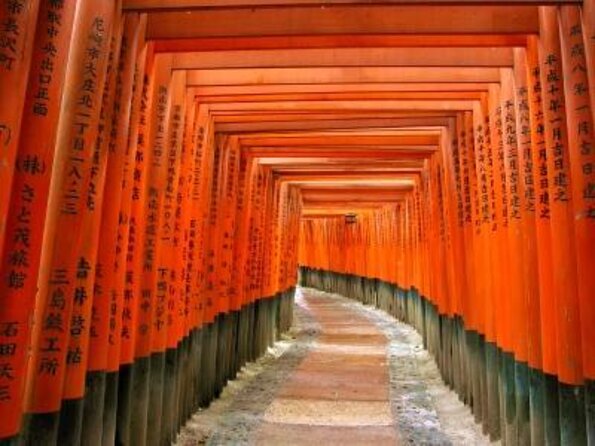
Your first stop is Fushimi Inari Taisha, the head shrine of more than 30,000 Inari shrines across Japan. The famous part is the path of vermilion torii gates, lined up like a tunnel you keep walking deeper into.
Here’s how to get the most out of your time:
- Go slow for your first 10 minutes. The scale hits better when you notice the patterns.
- When you feel the crowd compress, step aside where the path widens. You’ll get cleaner photos and a calmer view.
- Use the guide’s context. Inari is tied to agriculture and business luck, including themes like traffic safety and a bountiful harvest. That gives the gates meaning beyond scenery.
This stop includes about 1 hour 20 minutes, and admission is free. That timing is just right for experiencing the torii tunnel without feeling like you’re sprinting.
Possible drawback: Fushimi Inari can get very busy, and you’ll be walking through crowds for part of the experience. If you’re a sensitive planner, go in with the mindset of: you’re not going for quiet. You’re going for impact and atmosphere.
Stop 2: Kiyomizu-dera with its nail-less stage
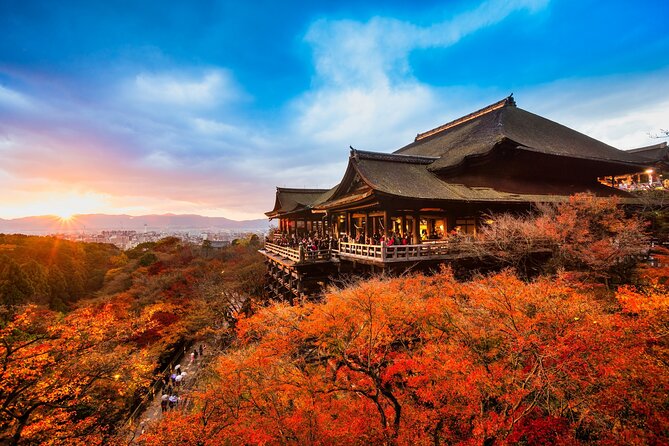
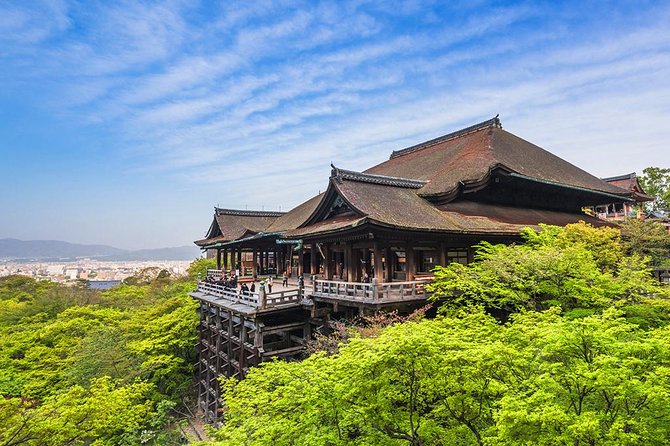
Next comes Kiyomizu-dera, one of Kyoto’s most iconic temples. You’ll walk toward the famous wooden stage that projects over the hillside, famously built without a single nail. It’s one of those architectural details you appreciate even if you’re not a construction nerd.
You’ll also get city views from the viewing platform. Even when the weather isn’t perfect, the height and angle give you a sense of where Kyoto stretches out.
This stop runs about 1 hour 40 minutes, and admission is included. That matters because you can spend more time actually looking rather than thinking about costs or re-checking where the ticket office is.
One more practical note: the temple area involves uneven surfaces and steps. Wear shoes you trust. This tour is built around walking.



Stop 3: Kinkaku-ji, the Golden Pavilion (and how to time photos)
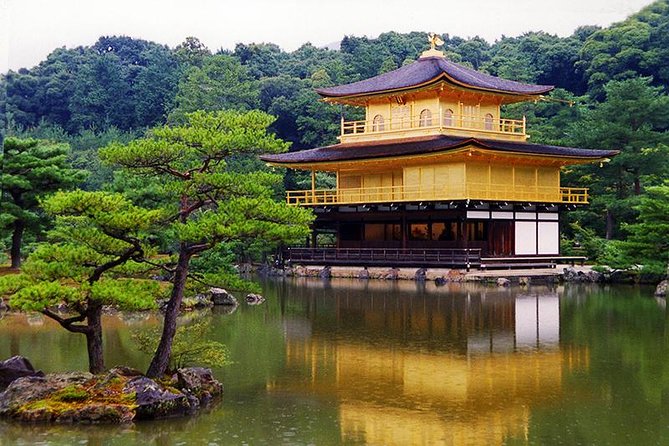
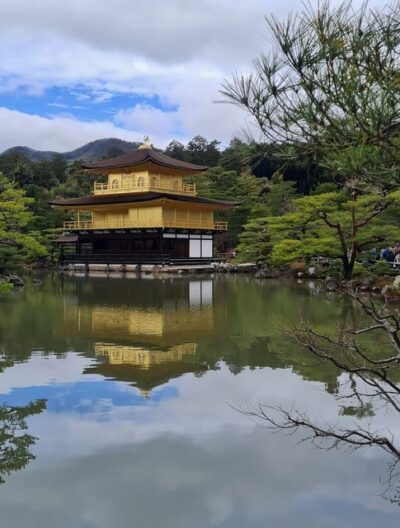
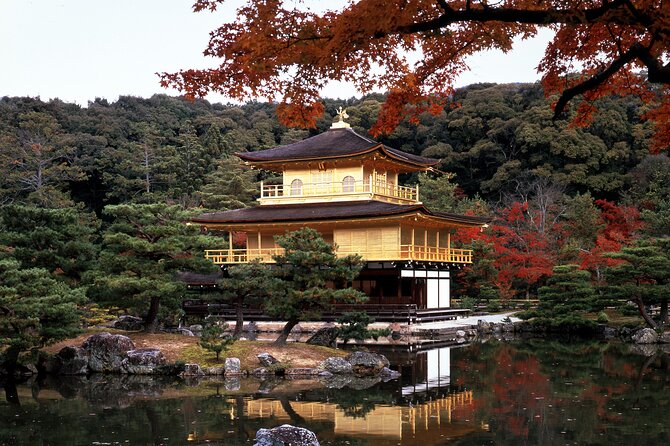
The third highlight is Kinkaku-ji, the Golden Pavilion. It’s covered in gold leaf, and it was once tied to the Ashikaga shogun’s villa before becoming a Zen temple. The setting is a calm counterpoint to the red gates of Fushimi Inari.
You’ll have about 45 minutes here, with admission included. That shorter time can feel intense if you love lingering. But Kinkaku-ji rewards efficient pacing: there are key angles and garden views that look best when you’re not rushing through the grounds.
Photo tip that I’d follow on any Kyoto day: don’t only shoot the pavilion head-on. Try for side angles where reflections and garden framing help. The guide’s photo pointers can make a big difference here, and several guides have been praised in past departures for pointing people to better shooting spots.
Stop 4: Arashiyama’s bamboo forest and Togetsukyo bridge
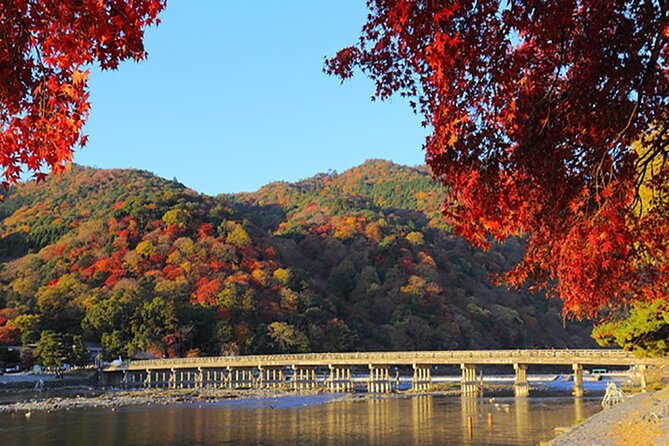
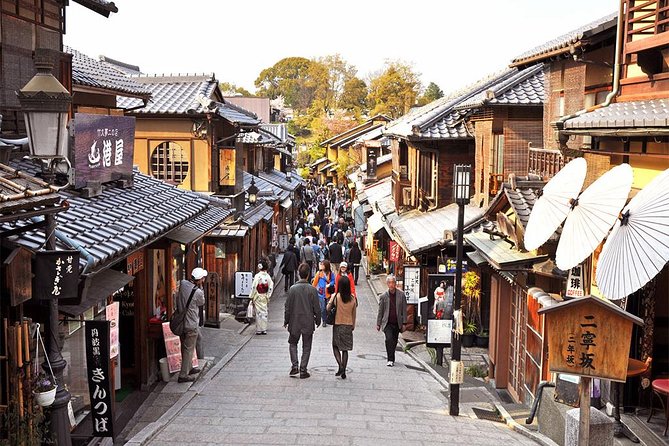
Finish at Arashiyama, where you stroll the Sagano Bamboo Forest. It’s cooler than the surrounding streets, and the rhythm of walking under tall stalks feels like a real scene change. You’ll also see Togetsukyo (Moon-Crossing Bridge), which gives you a classic Kyoto postcard moment.
This stop is about 1 hour 20 minutes, and admission is free. That’s good time for two things:
1) the bamboo path itself
2) a bit of roaming nearby so the day doesn’t end exactly on your feet being fried
Arashiyama is often busy too, but the bamboo walk changes the energy. It’s more sensory—shade, sound, and that green corridor effect—than a straight line of major monuments.
Lunch upgrade: a small choice that can save your whole day
Lunch is the one part where you’ll feel the tour’s structure most. You can choose a lunch-included option or bring your own.
If you choose lunch included, you’re reducing stress. You’re also less likely to lose time searching for something open, something safe, and something that fits dietary needs.
Important dietary limitation: halal and vegan meals are unavailable on the lunch option. Vegetarian requests may be possible, but you need to contact the operator at least 3 days before. If your diet is complicated, the safest move is often to skip lunch and bring your own food, especially if your group is small and your needs are specific.
My practical advice: if you’re sensitive to hunger while walking, don’t “wing it.” Kyoto days can add up fast, and you’ll want energy for steps and inclines.
Pace check: what 10 hours of Kyoto feels like
This is a full-day route. You’re moving from shrine to temple to gardens, with walking at every stop. The tour notes specifically say it requires walking, and the sites are set on hills and stair-like terrain.
That’s where the day can surprise you. Even if each stop time looks reasonable on paper, Kyoto’s ground is not flat. Plan for:
- more stair climbing than you expect
- uphill or sloped paths in and around major attractions
- getting your bearings quickly so you don’t lose time inside the crowds
If you’re traveling with kids, elderly visitors, or anyone who struggles with stairs, you’ll want to consider how you handle fatigue. Some departures also mention limited narration or less time than people hoped at certain stops. So keep expectations realistic: this is about hitting the big targets, not getting a slow museum-style tour.
Also note: weather can change the schedule. The tour is subject to change due to traffic or weather for safety, and it requires good weather overall.
Guides and English: what to expect realistically
The tour is described as having an English-speaking guide, and many guides have been praised by name in past experiences—people mention Maria, Naomi, Hama, Milo, Alice, Tet/Ted, and Ma-chan for English and for being helpful with photos and recommendations.
That said, a few reviews point out issues like minimal narration, limited English, or a guide who didn’t speak enough English for meaningful history. That doesn’t mean every departure is like that, but it does mean you should plan smart if English quality is your top priority.
My best practical workaround: bring a little context with you. Save a short notes list on your phone for each site (what you want to see, one or two questions). Then even if the narration varies, you’ll still enjoy the sights and you’ll know what to focus on.
Who should book this tour (and who should skip it)
This one-day Kyoto highlight tour is a strong fit if you:
- have limited time and want the biggest names in one day
- enjoy guided context that explains what you’re seeing (especially Inari themes and temple symbolism)
- like the comfort of an A/C bus between stops
- want a plan with built-in stops, not a self-guided scramble
It’s a weaker fit if you:
- hate walking on hills, steps, and crowded paths
- want long quiet time at just one place (this is a multi-stop sampler)
- need strict dietary options beyond vegetarian (the lunch option can be limiting)
If you’re traveling with a stroller, note that folding strollers are allowed and stored with luggage on the bus, but the site walking may still be tough.
Should you book? My decision guide
Book it if you want a high-efficiency Kyoto day with the core icons: Fushimi Inari, Kiyomizu-dera, Kinkaku-ji, and Arashiyama bamboo—all stitched together with comfortable bus transport and included admissions where it counts.
Skip it (or choose a different style of tour) if your ideal Kyoto day is slow, restful, and flat-footed. This itinerary moves. The upside is you see a lot; the downside is you’ll work for it.
If you do book, I’d do two things:
1) wear supportive shoes and plan for stairs
2) choose the lunch option if you don’t want to spend energy finding food mid-day
Do that, and you’ll end the day feeling like Kyoto actually clicked.
FAQ
How long is the tour?
The tour runs for about 10 hours.
Where do I meet the tour in Osaka and in Kyoto?
In Osaka, meet at Namba, OCAT 1F (near Daiso) at 8:50 AM. In Kyoto, meet at Kyoto Station Hachijo Exit Tourist Bus Parking at 9:05 AM.
What stops are included?
You visit Fushimi Inari-taisha Shrine, Kiyomizu-dera Temple, Kinkakuji Temple, and Arashiyama.
Is lunch included?
Lunch is included only if you select the lunch-included option. Halal and vegan meals are unavailable on the lunch option.
What is included in the price?
Included: an English-speaking guide, air-conditioned bus with free Wi-Fi, and entrance tickets to Kinkaku-ji and Kiyomizudera. Lunch is included only if you choose that option.
Can I cancel for a full refund?
Yes. You can cancel up to 24 hours in advance for a full refund. If canceled less than 24 hours before, you won’t receive a refund. The experience may also be canceled due to poor weather, with a different date offered or a full refund.