REVIEW · KYOTO
Kyoto Home Cooking Class &Supermarket tour near Fushimiinari
Book on GetYourGuide →Operated by iroHa cooking studio · Bookable on GetYourGuide
Kyoto food lessons are common. This one feels personal. You cook in a real Japanese home with garden views, then head to a local supermarket to shop like you live here. I like that the class is small (max 6) and fully in English, so you can actually follow what’s happening instead of guessing.
My favorite part is the mix of skills and comfort: the instructor (Miho) gives clear, detailed directions, then you cook your own meal. I also love the supermarket stop because it turns the recipes into real shopping know-how for home.
One possible drawback: the experience isn’t for everyone, since it’s not suitable for wheelchair users and kids under 6 need to sit out.
In This Review
- Key things I’d mark on your map
- A Kyoto Cooking Class That Feels Like a Home Lunch
- Dashi: The One Ingredient That Changes Everything
- Your Hands-On Menu: Several Dishes, One Real Skill Set
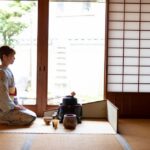
- Lunch in a Traditional Japanese Room With Garden Views
- Supermarket Tour Near Fushimiinari: Shop Like You Mean It
- Price and Timing: Is $127 Worth 4 Hours?
- Who This Class Is Best For (And When to Skip)
- Before You Go: Socks, Seasonal Menus, and Dietary Notes
- Final Verdict: Should You Book It?
- FAQ
- What happens during the 4-hour class?
- Is the class taught in English?
- How big is the group?
- Can vegetarians or vegans join?
- What should I bring?
- Is it refundable if I cancel?
Key things I’d mark on your map
- A true home setting near Fushimiinari, not a restaurant kitchen and not a tourist demo
- Dashi first, so the whole menu makes sense and you learn the backbone of Japanese flavor
- Hands-on cooking with English support in a max-of-6 group
- Lunch in a traditional Japanese room with fantastic garden views
- Supermarket tour after lunch, with explanations of what to buy and what to look for
- Vegetarian/vegan-friendly with vegetarian dashi used in the class
A Kyoto Cooking Class That Feels Like a Home Lunch
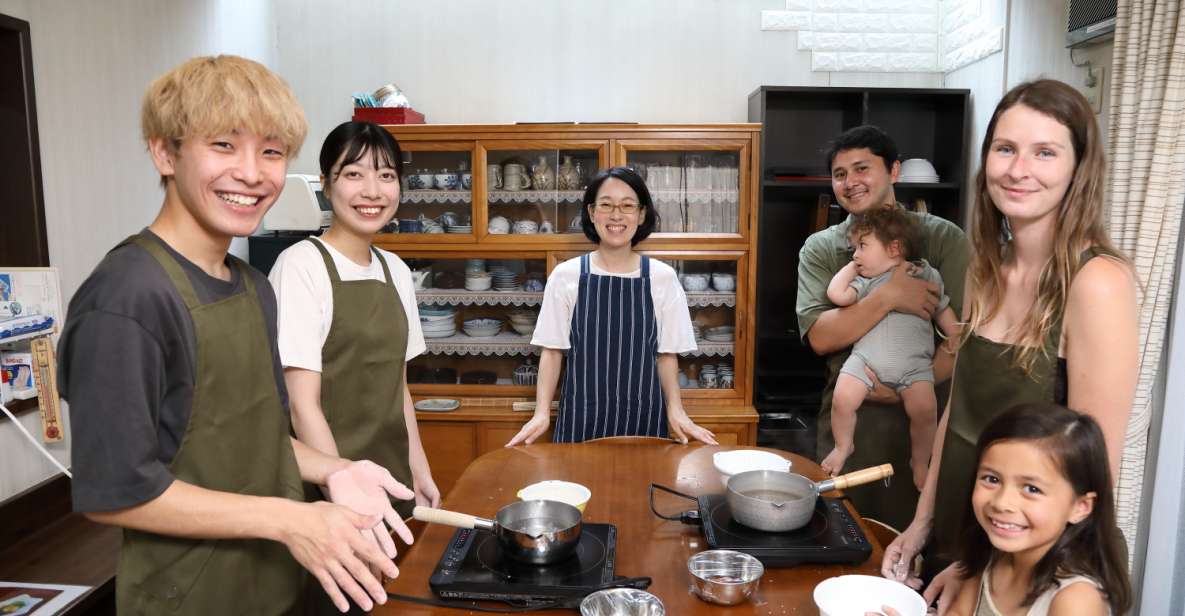
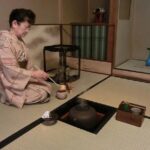
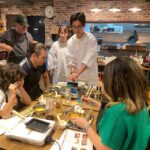
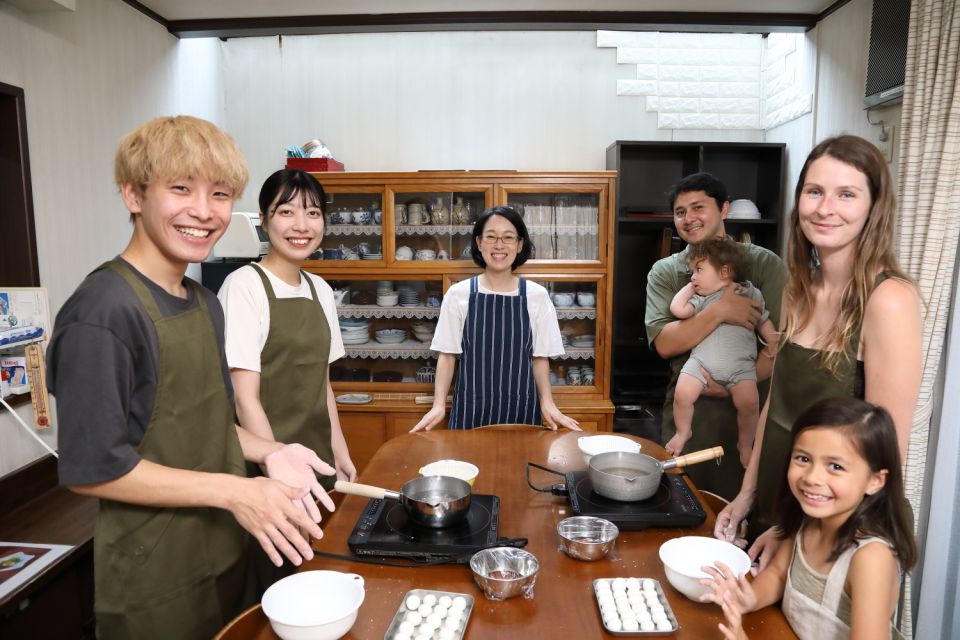
This is the kind of Kyoto experience that turns “learning Japanese food” into “being invited for lunch.” The class takes place inside a traditional Japanese house, and the setting matters. You’re not standing around watching from the side. You’re in the room, working at the pace of a small group, with instructions that are direct and easy to follow.
That home vibe comes through in how the lessons are run. Miho’s style is friendly, patient, and very practical. Several people in the feedback highlight how she’s accommodating—especially when it comes to helping you understand technique, timing, and what the finished food should look and taste like. If you come alone, you’re not stuck. You’ll be paired with your partner for hands-on cooking, and the group stays small enough that questions don’t get lost.
Another reason I’d put this on your “do it” list: you learn more than recipes. You learn how Japanese cooking is built. The class starts with the foundations (dashi), then moves into multiple dishes, and finally you connect it back to ingredients by walking the supermarket aisles together.
If you’re hoping for a high-speed, “see everything in Kyoto” tour, this isn’t that. It’s slower, hands-on, and focused on food and how to reproduce it later.
You can also read our reviews of more cooking classes in Kyoto
Dashi: The One Ingredient That Changes Everything
Most Japanese dishes ride on one core flavor: dashi. In this class, you get to meet it early. You’ll discover what dashi is (Japanese soup stock), and why it shows up in nearly all kinds of Japanese cuisine.
This matters because dashi is one of those things that feels mysterious when you’re eating it in restaurants. You taste depth, but you don’t always know what’s doing the work. By learning the basics of dashi here, you get a mental shortcut for every dish you cook after. You stop treating the flavors like a collection of separate tricks and start understanding them as a system.
The class also explicitly supports vegetarian and even vegan approaches. Dashi for vegetarian is used, which means you’re not forced into an all-meat lesson to get the idea of umami. If you have a dietary preference, mention it in advance so the class can match the menu to you. (The menu can also change with the season, so flexibility is part of the plan.)
In practical terms, learning dashi gives you two tools you can take home:
- a way to think about flavor (not just steps)
- an ingredient you can build around when you’re cooking Japanese food for friends or family
And once you’ve tasted what your own kitchen version produces, other dishes start to feel less intimidating.
Your Hands-On Menu: Several Dishes, One Real Skill Set
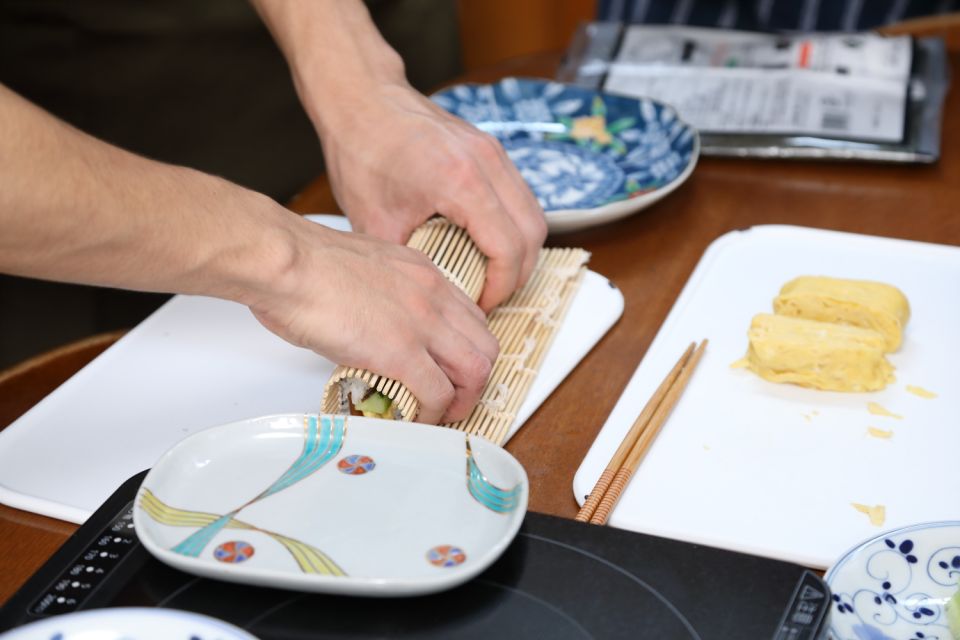
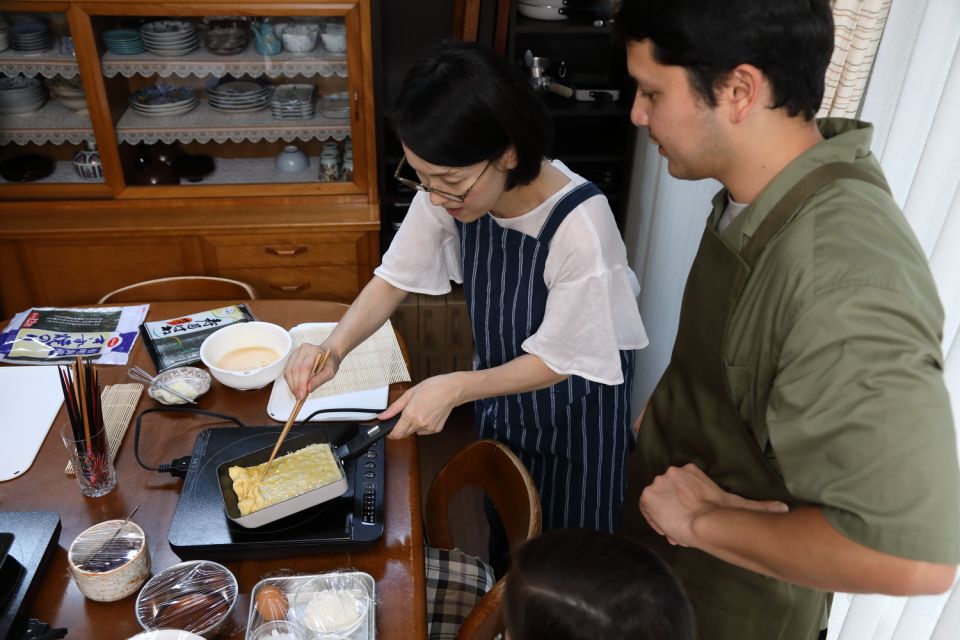
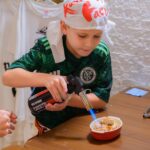
You’ll prepare about five dishes yourself during the class, with instructors demonstrating some items in front of you first. In the feedback, people describe menus that can be more than five—one person even counted seven dishes—so expect the exact mix to vary. Either way, the lesson goal stays the same: you practice Japanese cooking techniques, not just “make one dish.”
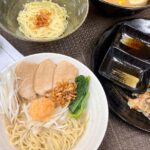
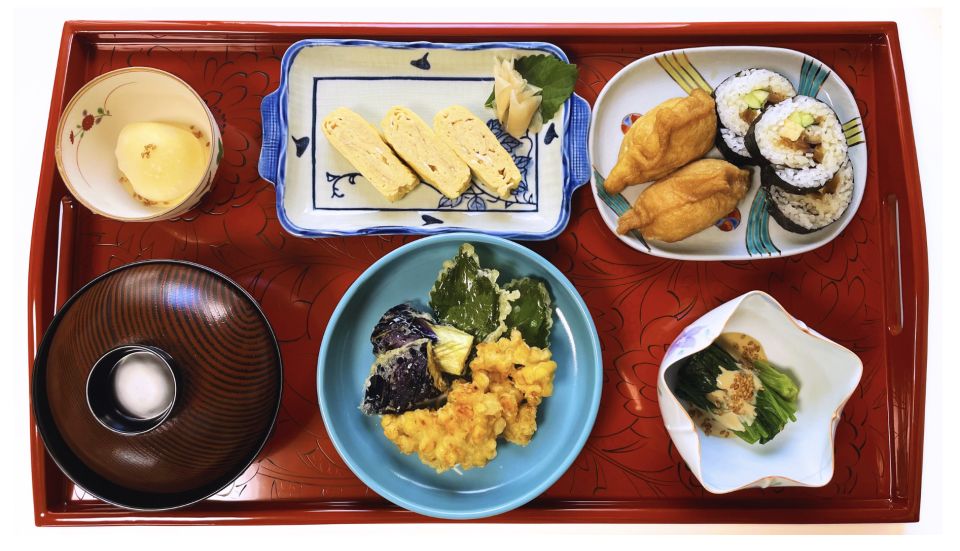
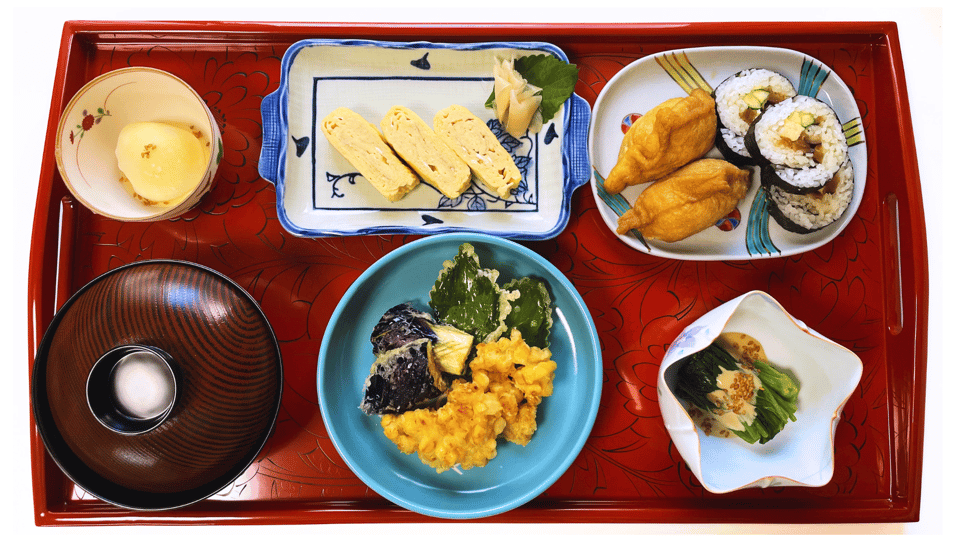
What kinds of dishes? The information you were given points to dashi-driven Japanese home cooking, and the reviews add useful examples. People mention learning things like a Japanese omelet, miso soup, sushi, tempura, rolled egg, salad, and even mochi. That’s a wide range, and it’s exactly why this class can feel more valuable than a single-recipe workshop. You’re getting multiple entry points into Japanese cuisine.
Here’s what I think you should watch for while cooking:
- Timing and sequence: Japanese cooking often depends on doing things in the right order so flavors land cleanly.
- Texture clues: when you learn what the dish should look like as it comes together, you can repeat it at home without guessing.
- How seasonings behave: you’re given seasonings and ingredients, and you learn how they work together.
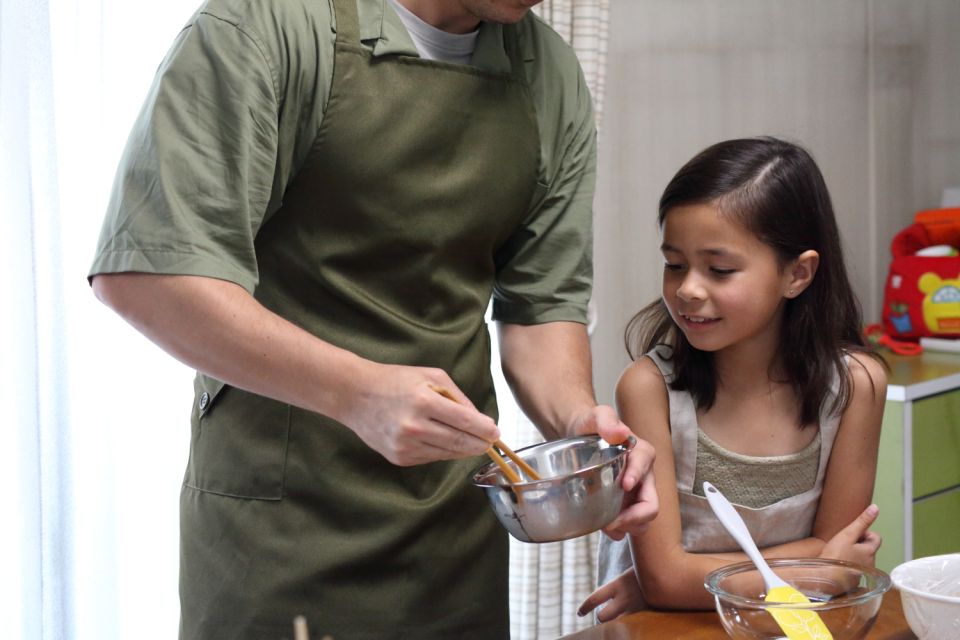
Your group stays small, so you’re not just waiting your turn. You’re cooking alongside the instructor’s guidance, and you’ll sit together afterward to enjoy the food you made.
By the end, you’ll have recipes for the dishes you prepared, so you’re not leaving with “I think it was something like this.” You’ll have the plan to reproduce the meal later.
Lunch in a Traditional Japanese Room With Garden Views
After cooking, you eat what you made in a very traditional Japanese room. The biggest detail here is the setting: the room has a fantastic garden view, and the whole experience feels like a quiet, calm break rather than a rushed “class then out the door” format.
This is one of those underrated parts of a cooking class. Restaurants can be loud, and demo-style lessons can feel transactional. Here, the meal is part of the lesson. You taste, you compare, and you understand what “good” looks like when it’s sitting in front of you—made by you, not ordered and plated by someone else.
The room setup also makes the class feel culturally grounded. You’re eating in the way you’d expect from a home setting. Just plan for the fact that you’ll likely be in socks (that’s what you’re asked to bring) and you’ll follow the house rules for how you move and settle in.
One more practical benefit: when you finish your meal, you’re already relaxed and in “learning mode.” That sets you up for the next step—going to the supermarket—because you can connect each ingredient to what you ate.
Supermarket Tour Near Fushimiinari: Shop Like You Mean It
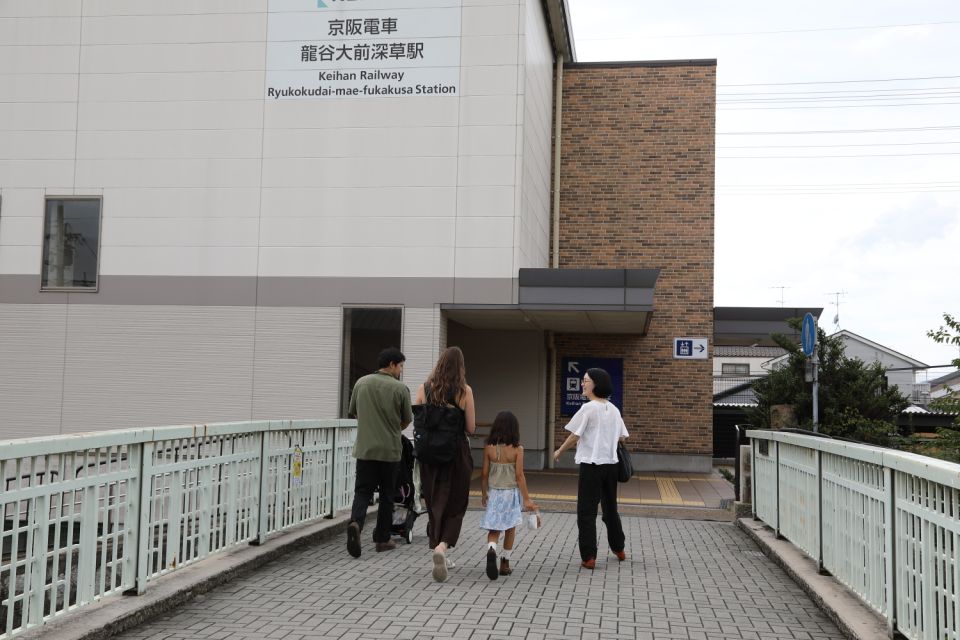
The cooking class doesn’t end at lunch. You head out to explore a local supermarket together, specifically to find the ingredients you used in class. If you want to reproduce the dishes at home, this is where the lesson turns into real life.
This supermarket part is fun for two reasons. First, it’s hands-on shopping. You can actually see what the ingredients look like in Japanese packaging and what options you have on the shelves. Second, the instructor helps you interpret products. In the feedback, multiple people highlight that Miho translates and explains products beyond just the ones in the recipes, so you learn what to look for next time even if you don’t plan to cook the same menu.
You might find yourself thinking differently about Japanese ingredients once you see them together. Instead of treating Japanese food as a “mystery cuisine,” you start recognizing patterns—how items are labeled, how seasonings show up, and what’s commonly used.
If you like, you can buy the ingredients so you can cook again for family and friends. That’s a huge value-add. Many cooking classes teach steps. This one also gives you the shopping map.
You can also read our reviews of more tours and experiences in Kyoto



Price and Timing: Is $127 Worth 4 Hours?
At $127 per person for about four hours, this class is priced like a full experience, not a quick snack workshop. The value comes from three things you don’t always get in cheaper classes.
First, you’re not just watching. You’re cooking multiple dishes in a small group, and the instructor supports you throughout. Second, you eat a full lunch in a traditional setting. That’s time built into the experience, not an add-on. Third, the supermarket tour extends the lesson into the real world with shopping guidance.
Group size matters here. With a maximum of six participants, you’re more likely to get individual help when something feels confusing—like technique, substitutions, or how to judge doneness. The English instruction also helps. The class is conducted entirely in English, and instructors are licensed guide interpreters, so you’re not stuck with a basic translation. You can understand what’s happening, why it matters, and how to replicate it later.
Also, you’ll receive the recipes for the dishes you prepare. That’s the part many people forget to factor in. When you have recipes, you can cook again without paying for another class.
Is $127 a bargain? It depends on your travel style. If you want a “food day” with skills you can repeat, it’s fair. If you want a quick taste of Kyoto culture, you might prefer something shorter.
Who This Class Is Best For (And When to Skip)
This works best for people who want practical Japanese cooking skills and a more personal Kyoto experience.
You’ll enjoy it if:
- you like hands-on cooking instead of watching demos
- you care about understanding ingredients, not just collecting photos
- you want small-group instruction in English
- you’re planning to cook at home afterward (recipes plus supermarket shopping help a lot)
It’s also a strong option for people who eat vegetarian or vegan, since vegetarian dashi is used. Just tell the instructor ahead of time so the menu can match your needs.
Consider skipping it if:
- you’re a wheelchair user (the class isn’t suitable for wheelchair users)
- you’re traveling with a very young child. The class isn’t suitable for children under 6, and children aged 12 and below must participate with a guardian.
- you’re expecting a sightseeing-heavy tour. This is food-focused. You’ll be near the Fushimiinari area, but the day centers on cooking, eating, and shopping.
One more note: the feedback also suggests families can be accommodated. If you’re traveling with kids, you’ll likely be welcomed, but the exact comfort level depends on the menu and your child’s ability to follow along for the full session.
Before You Go: Socks, Seasonal Menus, and Dietary Notes
A couple of small prep items can make your experience smoother.
Bring socks. Since this is a traditional Japanese home setting, you’ll follow the house approach for footwear and comfort.
Plan for the menu to change. The class menu may differ depending on the season, and dish counts can vary slightly. That’s normal for cooking lessons based on fresh ingredients.
If you have dietary needs, this class is designed with flexibility. Vegetarian and vegan guests are welcomed because vegetarian dashi is used. Still, don’t assume. Mention your preference so the instructor can set you up correctly.
Lastly, know what the class includes: lunch and all seasonings and ingredients are covered, so you’re not paying extra during the lesson for the core food.
Final Verdict: Should You Book It?
If you want a Kyoto experience that feels real, this is an easy yes. You cook in a small group, learn dashi as the foundation, enjoy a garden-view lunch in a traditional room, and then get the supermarket guidance to shop for the same ingredients at home. That combination is the reason the class earns such strong marks.
I’d especially recommend it if you’re the type of traveler who hates wasting money on “watching cooking” experiences. Here, you do the work. And when you leave, you’re holding recipes plus a shopping know-how you can use again.
If you can handle the traditional home setting (socks, no wheelchair access) and you’re comfortable booking a four-hour, food-centered day, this class is one of the most practical ways to take Kyoto flavor back with you.
FAQ
What happens during the 4-hour class?
You learn about dashi, cook about five dishes with instructor demonstrations and hands-on help, eat the dishes in a traditional Japanese room, and then go to a local supermarket together to find the ingredients used in the class.
Is the class taught in English?
Yes. The class is conducted entirely in English, and instructors are licensed guide interpreters.
How big is the group?
It’s a small group with a maximum of 6 participants.
Can vegetarians or vegans join?
Yes. Vegetarian dashi is used, and the class welcomes vegetarian and vegan guests (just let the instructor know in advance).
What should I bring?
Bring socks.
Is it refundable if I cancel?
Yes. You can cancel up to 24 hours in advance for a full refund.