REVIEW · KYOTO
Kyoto Private Kimono Photoshoot for Couple and Solo
Book on Viator →Operated by Mina Zaki · Bookable on Viator
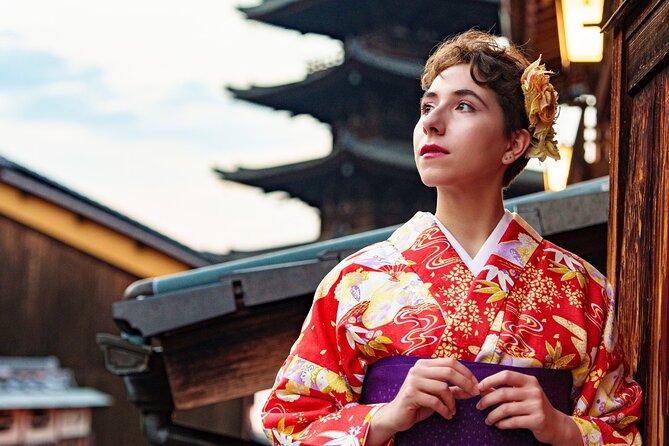
Kyoto looks better in a kimono. This private couple or solo photoshoot in Kyoto’s old districts gives you traditional style plus professional guidance, so you get portraits that fit the streets instead of fighting them. You’ll work with an English-speaking photographer who steers you toward strong angles and scenic backdrops.
I especially like two things. First, the kimono experience feels handled from the start, with a fitting and basic hair set that helps you look polished without stressing the details. Second, the photographer’s coaching makes a difference in the final images, including confidence when you’re dealing with day-to-day crowd chaos around popular spots like Yasaka.
One thing to plan for: the kimono choosing and fitting process can take 45–60 minutes before your intended start time, so you’ll want to protect some extra time in your schedule.
In This Review
- Key highlights I’d circle
- Gion in a Kimono: what makes this shoot work
- The kimono fitting and hair set: where your session really starts
- Stop 1: Maruyama Park portraits with seasonal charm
- Stop 2: Yasaka Koshin-Do for colorful, spiritual contrast
- Stop 3: Yasaka Shrine and the classic Kyoto feel
- Stop 4: Sannenzaka and Ninenzaka streets with Kyoto’s old lanes
- Stop 5: Keage Incline for a different kind of Kyoto angle
- What you actually get: photos, edits, and what’s downloadable
- Price and value: when this $195 session makes sense
- Logistics that matter: meeting point, timing, and pacing
- Who should book this kimono photo session
- Should you book this Kyoto private kimono photoshoot?
- FAQ
- How long is the Kyoto private kimono photoshoot?
- What’s included in the price?
- How many photos will I receive?
- When will I get my edited photos?
- Do I get raw files?
- Where do I meet for the photoshoot?
Key highlights I’d circle
- Kimono + basic hair set included so you don’t have to figure out your look on your own
- Professional, English-speaking direction for poses, angles, and where to stand
- Iconic Kyoto stops from Maruyama Park to Yasaka Shrine and the Keage Incline area
- Fast delivery of edited photos targeted within 24 hours (may slip in peak season)
- About 200 unedited JPGs per hour, plus 30 professionally edited images
Gion in a Kimono: what makes this shoot work
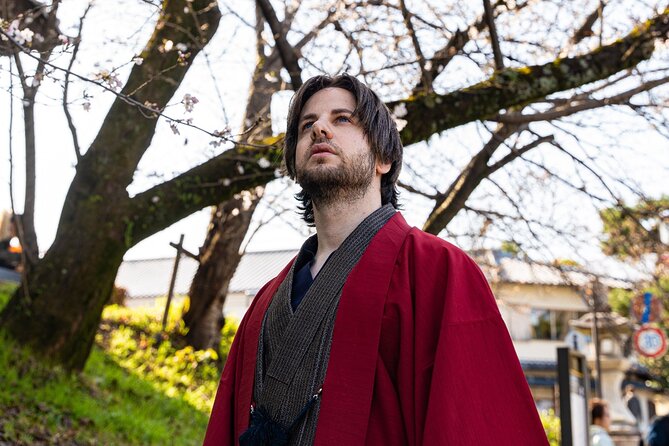
If you want Kyoto photos that actually look Kyoto—this is one of the simpler ways to get them. Instead of spending a day hunting for the right spots and begging friends to take decent pictures, you get a time-boxed session built around famous areas and the right kind of portrait lighting.
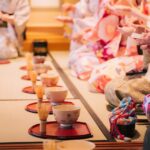
The format is also practical. You’re not wandering for hours trying to match outfits to backgrounds. You get a normal kimono rental and basic hair set first, then you move through several photo-friendly areas with a photographer guiding the best compositions. That reduces decision fatigue, and it usually shows up in the results.
Another underrated win is that this is a private experience, meaning you’re not competing with a rotating line of strangers for the same exact corner. Kyoto’s tourist areas can still be busy, but your photographer can pick angles and pacing that keep you looking composed.
You can also read our reviews of more private tours in Kyoto
The kimono fitting and hair set: where your session really starts
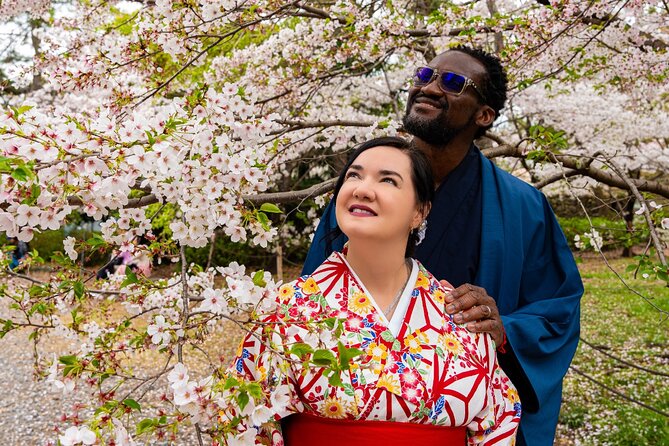
A lot of people think the photos start when the photographer meets you. In reality, your look starts earlier. You’ll go through kimono fitting and selection, along with a basic hair set, and the goal is to get you camera-ready in traditional style.
The helpful part is that the kimono shop staff will work with you on the details. One review noted the shop run by a group of foreign staff, which matters if your Japanese is basic (or if you just want things to be clear fast). Another key point: matching your kimono color to a partner can take time if you’re doing this as a couple.
Here’s the scheduling reality to respect: kimono choosing and fitting can take 45–60 minutes before your desired appointment time. If you’re pairing this with dinner reservations, another activity, or a timed entry somewhere, you’ll want that buffer built in.
Stop 1: Maruyama Park portraits with seasonal charm
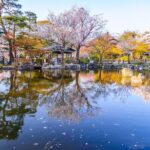
Your session starts at Maruyama Park. This is a smart opener because parks give you space to spread out a bit, and they tend to photograph well for both solo portraits and couple shots. It’s also the kind of location where you can get clean backgrounds before you move into denser, more iconic shrine-and-street areas.
Season matters here. The experience description calls out Maruyama Park as especially magical during cherry blossom season, which can be a big reason to book this at the right time. Even when it’s not spring, parks tend to offer softer, more forgiving lighting than narrow alley streets.
A practical note: because you’re in a popular city center, you may still see other people in the background. The good news is your photographer’s job is to position you so the shot still reads “old Kyoto,” not “random crowd.”
Stop 2: Yasaka Koshin-Do for colorful, spiritual contrast
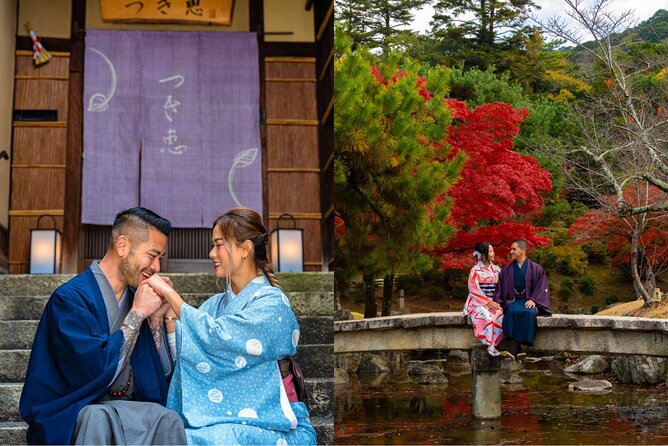
Next up is Yasaka Koshin-Do, described as a colorful temple stop with photo opportunities that work well for both couples and solo travelers. This location adds visual contrast to your set of photos. If your goal is a cohesive gallery that doesn’t look like five variations of the same street, a temple facade and bright details can break things up nicely.
This stop also helps you lean into the mood of Kyoto rather than just posing in front of it. Think of it like changing the tone of your photo story: park calm to shrine energy.
Because this is a portrait session (not a sightseeing tour), you’ll want to let the photographer lead the timing. The best shots usually happen when you’re ready a few steps before the pose you thought of—when the light hits and the crowd shifts.
Stop 3: Yasaka Shrine and the classic Kyoto feel
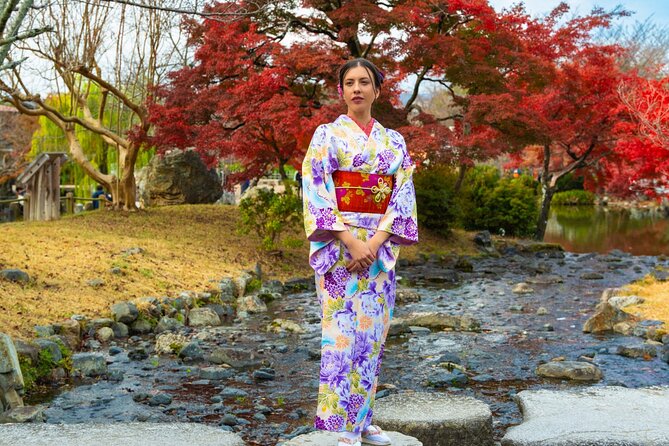
After the temple, you’ll move on to Yasaka Shrine. This is where the “Kyoto postcard” feeling starts to show up more strongly. Shrines naturally provide strong vertical lines, meaningful textures, and a sense of place that reads well in photos—especially when you’re wearing kimono.
Solo travelers tend to get great results here because your kimono stands out against shrine architecture. Couples also do well because the space lets you choose compositions where you’re close but still clearly two separate subjects with their own posture and expression.
One review specifically mentioned the photographer being patient with tourists while still guiding shots and angles. That kind of hands-on direction becomes extra important at shrine areas where people often pause in the middle of walkways.
You can also read our reviews of more photography tours in Kyoto
Stop 4: Sannenzaka and Ninenzaka streets with Kyoto’s old lanes
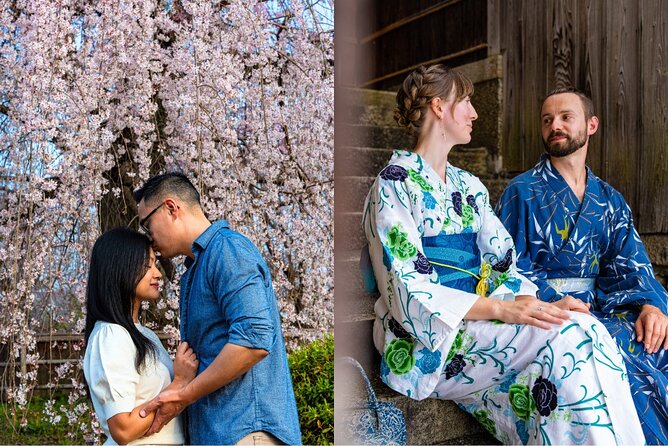
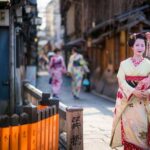
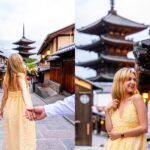
Then comes Sannenzaka Ninenzaka, famous for the classic preserved-street vibe. This is the stop that turns your portraits into something that feels like a scene, not just a photo. Wooden storefronts, traditional street shapes, and the general “walking Kyoto” feeling help your images read like memory.
The catch: these streets can get busy. That’s exactly why having a photographer who knows where to stand matters. If you’re just trying to wing it, it’s easy to end up with background distractions. With guidance, you can aim for the angles that keep your kimono and faces front-and-center.
If you’re doing this as a couple, the street moments usually look best when you’re not over-posed. Walk-turn-pose cycles often come out more natural than a stiff “hold still” strategy. Your photographer will guide what to do to keep it looking effortless.
Stop 5: Keage Incline for a different kind of Kyoto angle
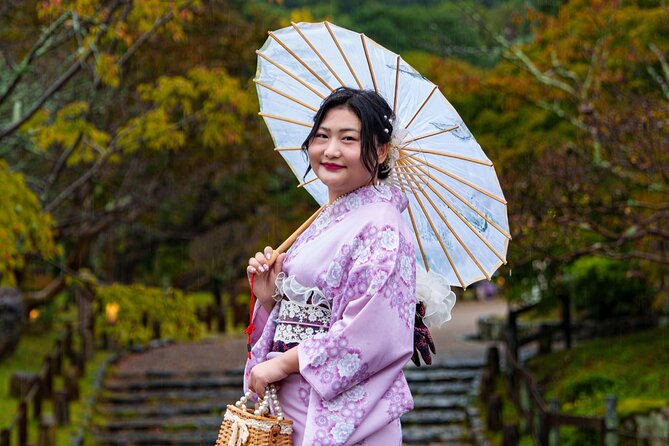
Your final stop is Keage Incline. Compared with shrine streets, it offers a different visual rhythm, which helps your gallery feel varied. Incline areas also tend to give flattering angles for portrait work because they create depth and direction in the frame.
If your goal is a set of photos that covers more than one style of Kyoto backdrops, this last stop is a strong way to close. You end with a location that can look modern-leaning but still unmistakably part of the Kyoto photo route.
Because the session is about 1 hour 30 minutes total (approx.), the pacing is important. You’re not stopping for long explanations. You’re moving through stops that each have a clear photo purpose.
What you actually get: photos, edits, and what’s downloadable
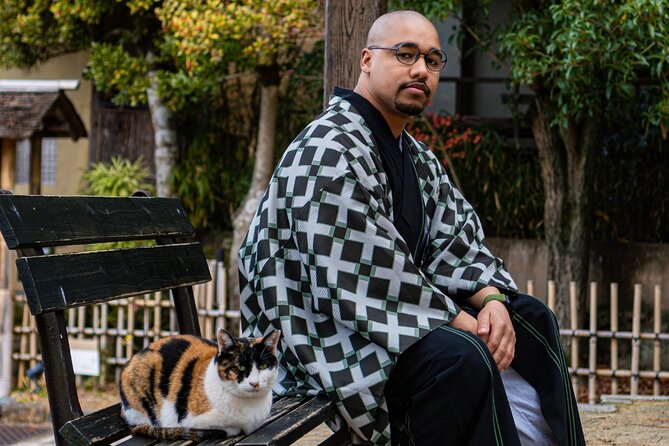
Here’s the photo deliverable breakdown in plain terms.
- You’ll receive around 200 photos per hour in standard-quality JPG format (unedited).
- You’ll also receive 30 professionally edited, high-quality JPG photos.
- Edited photos are targeted for delivery within 24 hours, though delays can happen in busy seasons.
- You also get the unedited photos the same day.
- The download link stays available for 2 weeks, after which the photos are deleted.
This setup is great if you want variety. You can skim the unedited JPGs right away, then refine your favorites once the edits arrive. The 30 edited images are likely to be the ones you’ll print or post, while the unedited set lets you choose alternate expressions and compositions.
What you should know about raw files: raw files are not included, and the price is listed as ¥10,000 per booking if you want them.
Price and value: when this $195 session makes sense
The price is $195.09 per group and the booking info indicates up to 1 participant. That means for couples, you should check what your specific booking includes before you assume both people are covered. If your couple booking is structured correctly, private kimono portraits can be excellent value because you’re paying for three things in one: wardrobe + hair + guided professional photography.
This isn’t “just someone takes pictures with your phone.” Your photographer is doing the composition work, and that’s the hard part. Kyoto streets can look great, but translating them into strong portraits requires direction: where to stand, how to turn your body, and how to keep the background clean even when tourists crowd in.
Also, government fees and tax are included in the price. That’s one less line item to worry about when you’re planning your trip budget.
One more cost note to budget for: admission fees for paid-entry sites, and the photographer’s admission fee in those cases, are your responsibility. If your route includes places with charges, you’ll want to be ready for that.
Logistics that matter: meeting point, timing, and pacing
You’ll meet at 3-chōme-347 Kiyomizu, Higashiyama Ward, Kyoto, 605-0862, Japan, and the experience ends back at the meeting point.
The session length is about 1 hour 30 minutes, but remember the kimono portion can stretch earlier in the day due to fitting and choosing. Reviews specifically call out that kimono choosing can take 45–60 minutes before your desired appointment time. That’s the biggest scheduling variable.
Transportation isn’t included, so plan to handle getting to the meeting point yourself using nearby public transit.
The photographer and your experience are described as comfortable for most participants, and service animals are allowed. Since it’s a private group, only your group participates.
Who should book this kimono photo session
This is a great fit if you want:
- Solo portraits with clear direction in Kyoto’s iconic areas
- Couple photos where someone guides you so you don’t end up with awkward, half-posed results
- A mix of traditional kimono style plus location-specific portrait planning in a short time window
- A set of photos you can use quickly, since edited images aim to arrive within 24 hours and unedited images arrive the same day
It may be less ideal if you hate waiting on a fitting process, or if your schedule is so tight that you can’t absorb a 45–60 minute kimono selection buffer.
If you’re visiting in peak season, I’d also consider that edited photo delivery might take longer than 24 hours, based on the experience terms.
Should you book this Kyoto private kimono photoshoot?
Yes—if you want a high-impact photo set without spending your day doing photoshore math. The combination of kimono + hair set, a photographer who guides poses and angles, and a route through multiple Kyoto photo zones makes this a smart buy for both solo travelers and couples.
Book it if:
- you want guided portraits, not a DIY scramble
- you care about having edited JPGs ready fast
- you’re okay planning around kimono fitting time
Skip it (or at least think twice) if:
- you have extremely tight timing and can’t handle kimono selection taking 45–60 minutes
- you’re only interested in getting a few quick photos and don’t want a full, time-boxed experience
FAQ
How long is the Kyoto private kimono photoshoot?
It runs for about 1 hour 30 minutes (approx.), with the overall flow starting with kimono fitting and basic hair styling.
What’s included in the price?
The experience includes a normal kimono rental and basic hair set, plus photos from the shoot. It also includes government fees and tax.
How many photos will I receive?
You’ll get about 200 unedited JPG photos per hour and 30 professionally edited high-quality JPG photos.
When will I get my edited photos?
Edited photos are targeted for delivery within 24 hours, though delays can happen in peak season. Unedited photos are delivered on the same day.
Do I get raw files?
No, raw files are not included. Raw files are available for an extra ¥10,000 per booking.
Where do I meet for the photoshoot?
The meeting point is 3-chōme-347 Kiyomizu, Higashiyama Ward, Kyoto, 605-0862, Japan, and the tour ends back at the same location.