REVIEW · KYOTO
Kyoto Making Wagyu Sushi experience
Book on Viator →Operated by 演出 鉄板ステーキ&BAR ココットアルファ 河原町本店 · Bookable on Viator
A sushi class is fun. This one is hands-on, with wagyu in the spotlight and a full Kyoto lunch built into the hour. You’ll like that it’s structured for real results, not just a quick demo, and that it’s small enough to feel personal. The main thing to watch is that the meeting spot can be a little tricky to navigate on the ground.
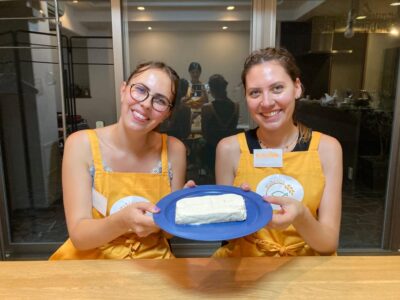
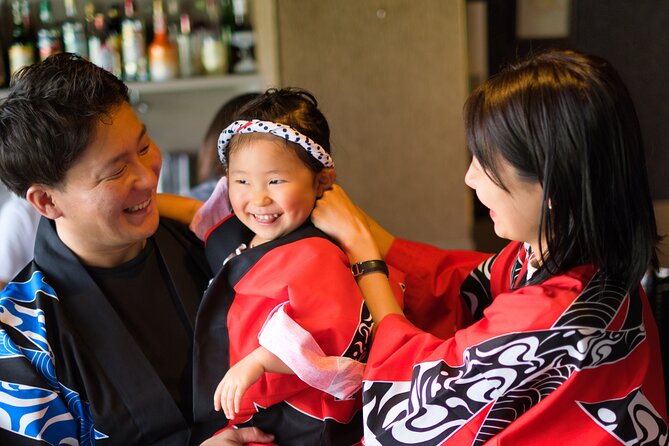
I also like the focus on technique you can actually repeat later: making shari, choosing where to place toppings, and learning the rhythm of rolling and building gunkan. You’ll get a special happi for the experience, which makes it feel like more than a class. The one likely drawback is this isn’t a sit-and-watch activity, so if you want zero mess and zero hands-on time, it may not be your style.
You start at Cocotte Alpha Premium Wagyu Teppanyaki Kyoto Pontocho, and you end right back where you meet. It runs about 1 hour 15 minutes and keeps groups small (up to 10), so it works well for both short lunch breaks and a more relaxed date plan.
In This Review
- Key highlights you’ll care about
- Wagyu sushi in Kyoto: what makes this class different
- Where you meet at Cocotte Alpha (and how not to waste time)
- The 1 hour 15 minutes schedule: from handwashing to gunkan
- Step 1: Wash your hands, then get your bearings
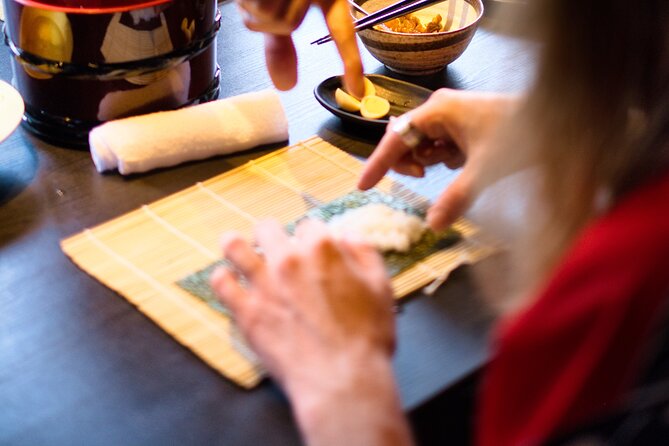
- Step 2: Make the shari (sushi rice)
- Step 3: Create nigiri—shari first, topping next
- Step 4: Move to makizushi (rolled sushi)
- Step 5: Finish with gunkan and note the nori sizing
- Step 6: Eat together at lunch time
- The lunch set: sushi plus tempura, red miso soup, and more
- Chef Yoshi’s ingredient touch—and why it matters
- Technique details that actually change your sushi
- Wasabi choices are part of your control
- Nori sizing is not cosmetic
- Rolling feels different from nigiri
- Who this experience suits best (and who should skip it)
- Price and value: is $70 worth 1 hour 15 minutes?
- Weather, planning timing, and how to avoid headaches
- Should you book Kyoto Making Wagyu Sushi?
- FAQ
- What time does the experience start?
- How long is the Kyoto wagyu sushi making experience?
- How much does it cost?
- Is it a large group activity?
- What do I make during the class?
- What is included in the lunch?
- What if I have an allergy like eggs or shrimp?
- Is it refundable if the weather is bad?
- Where is the meeting point?
Key highlights you’ll care about
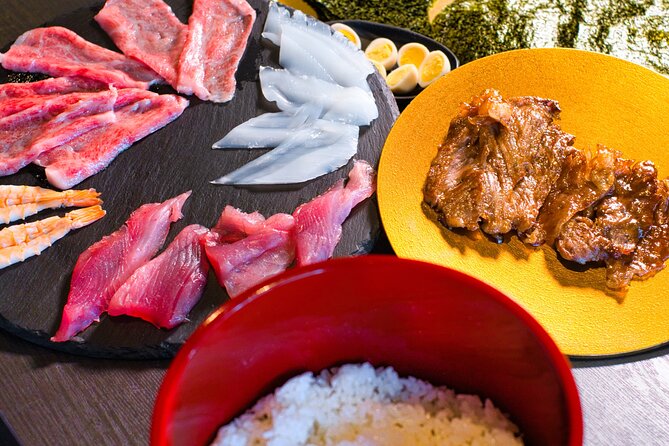
- Wagyu sushi, not just regular toppings: you build the nigiri and roll sushi yourself.
- Real shari-building steps: wash hands, make rice, add toppings, finish each piece.
- Makizushi plus gunkan: you learn two different formats and how nori size changes the look.
- Lunch included with the making: sushi, tempura, red miso soup (aka da shi), pickles, and a soft drink.
- Chef Yoshi-style guidance: you get tips on technique, and ingredients are selected for the day.
- Small group setting: maximum 10 people, so the experience usually feels calmer than bigger classes.
Wagyu sushi in Kyoto: what makes this class different
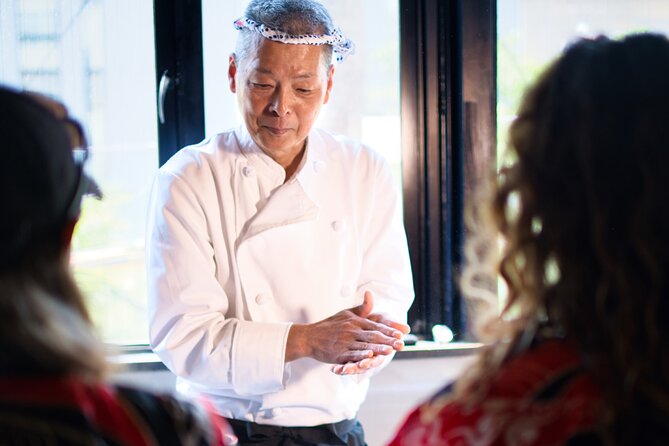
This Kyoto experience is built around one clear idea: turning sushi from a restaurant mystery into something you can do with your own hands. You’re not just tasting. You’re making nigiri (hand-formed sushi), then moving to maki (rolled sushi) and gunkan (battleship-style sushi).
What makes it feel special is the mix of craft and ceremony. You start with practical basics like washing your hands, then you move into rice (shari) and topping placement. Even the small choices matter—like whether you add wasabi to the right place—so the class trains your instincts, not just your timing.
And yes, wagyu shows up in the sushi theme. You’ll also see what makes Kyoto methods feel different: the process is neat, guided, and meant to end with a proper lunch moment.
You can also read our reviews of more tours and experiences in Kyoto.



Where you meet at Cocotte Alpha (and how not to waste time)
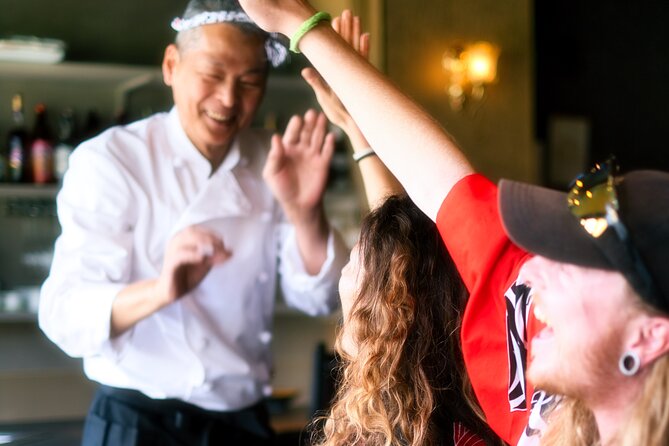
Meeting point matters in Kyoto. This one is inside Cocotte Alpha Premium Wagyu Teppanyaki Kyoto Pontocho, and the address is:
175 京都ゴールデンビル 3F (3F, Golden Building)
Zaimokuchō, Nakagyo Ward, Kyoto (near public transportation)
The experience starts at 12:00 pm, so you don’t want a late scramble. One helpful tip from past participants: Google Maps may get you to the correct area, but it can be unclear which elevator to take to reach the right floor. If you arrive and you’re staring at multiple elevator options, don’t guess blindly—use building signage or ask what’s the best route to the 3rd floor for Cocotte Alpha.
If you’re prone to arriving early (a good habit in Kyoto), give yourself an extra 10–15 minutes. This class is short enough that every minute counts.
The 1 hour 15 minutes schedule: from handwashing to gunkan
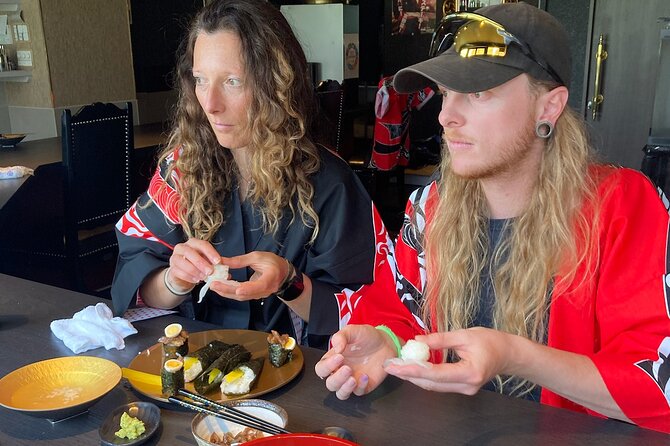
The flow is simple and well paced. It’s designed so you never feel lost, but you still get meaningful hands-on time.
Step 1: Wash your hands, then get your bearings
You begin with a handwashing step. It sounds basic, but it sets the tone. Sushi is about cleanliness and precision, and this first moment pushes you into the right mindset.
Step 2: Make the shari (sushi rice)
Next comes the core skill. You’ll make the shari—the sushi rice base. You’ll learn the process and the handling needed so the rice holds together when you form pieces.
If you’ve struggled with rice that sticks too much or falls apart at home, this is the step that will save you. The class is focused on what to do with your hands and how to treat the rice while it’s still at the right stage.

Step 3: Create nigiri—shari first, topping next
Then it’s time to build. You place toppings on the rice to complete your first sushi pieces. The order matters here: rice foundation first, then the topping. There’s also an option to add wasabi based on your preference, so you’re not stuck with one flavor style.
This is one of my favorite parts of the format because it’s teachable. You see how one small change—like topping placement or how much you add—changes the bite.
Step 4: Move to makizushi (rolled sushi)
After nigiri comes the roll. You’ll make 巻き寿司 (makizushi) yourself. The mechanics are different from nigiri, and that’s the point. This class covers sushi as a set of techniques, not one “trick.”
One practical detail: the roll cutting happens by the chef. You handle the forming, and you get the satisfaction of watching your work become bite-size pieces.
Step 5: Finish with gunkan and note the nori sizing
You’ll also make 軍艦巻き (gunkan). This part includes a small but important detail: the nori size changes depending on the sushi style. In other words, you’re not just using seaweed the same way every time—you’re learning how format shapes materials.
It’s a fun lesson because it’s visible. When your nori wraps correctly, your sushi looks right, holds well, and eats cleanly.
Step 6: Eat together at lunch time
When your set is ready, you line up what you made and share the meal with a proper start moment: いただきます. The class wraps into lunch rather than ending with only tasting.
The lunch set: sushi plus tempura, red miso soup, and more
This is where the experience earns its keep. Many classes teach technique and then let you snack. Here, you get a full lunch set that matches what you made.
Included lunch typically consists of:
- sushi you made (your pieces)
- tempura
- red miso soup (aka da shi)
- pickles
- a soft drink
The tempura and soup take the class from “fun workshop” into “real meal.” That matters if you’re on a tight Kyoto schedule and don’t want to hunt for lunch after a hands-on session.
Also, because it’s served as lunch time, you don’t have to worry about what to order later. You leave fed, not just informed.
Chef Yoshi’s ingredient touch—and why it matters
You might notice a difference between a class that follows a script and one that prepares for the day. In this experience, Chef Yoshi selects ingredients, and the goal is freshness.
That matters for two reasons. First, sushi tastes better when the ingredients are at their best. Second, it teaches you what “good” feels like, which helps you judge toppings and rice handling later if you try again at home.
You also get technique tips while you work. Those quick pointers are the value of a live class. Even if you’re a sushi beginner, you’re not left guessing.
Technique details that actually change your sushi
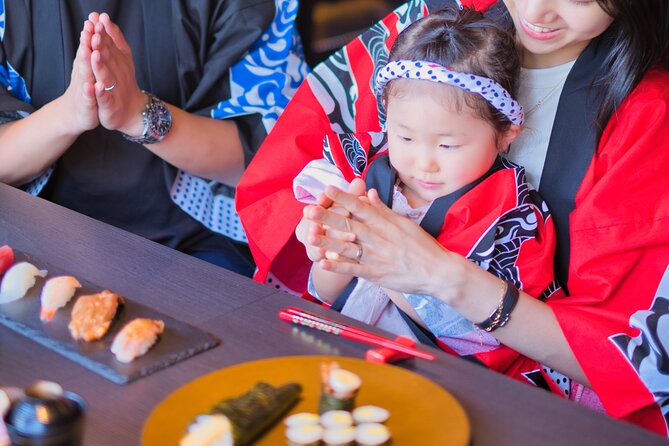
This class doesn’t just say do X and Y. It highlights a few technique points that affect how the sushi turns out.
Wasabi choices are part of your control
You have the option to add wasabi. That’s practical because people have very different preferences. Some like a light touch; others want a stronger kick. This gives you control over your final flavor balance.
Nori sizing is not cosmetic
The nori size difference you experience with gunkan and the other sushi types is more than appearance. Correct wrapping and proportions influence how the sushi holds together and how easy it is to eat in one bite.
Rolling feels different from nigiri
Makizushi teaches you a different skill set. Rolling forces you to think about shape, pressure, and alignment. Then the chef cuts the roll, so you get the finished result without worrying about knife precision.
This is a smart division of labor: you do the hands-on work that matters, and you still see the final effect.
Who this experience suits best (and who should skip it)
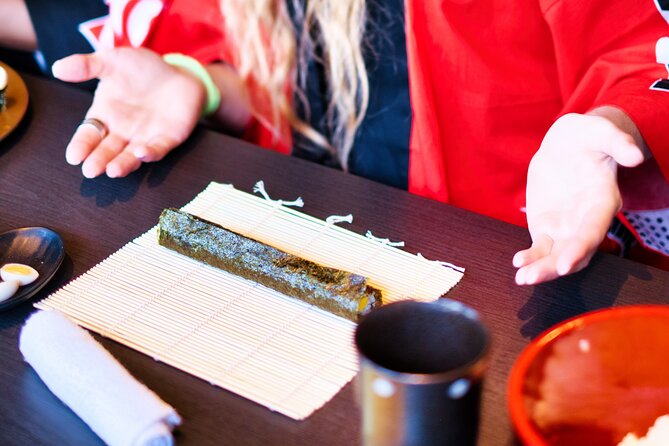
I think this works especially well for people who like learning by doing.
It’s a strong pick for:
- families with kids (the experience is described as something children can join)
- couples looking for a lunch date with a shared activity
- sushi beginners who want clear steps rather than guesswork
- food lovers who enjoy craft and process, not just the end result
You might want to skip or adjust expectations if:
- you’re uncomfortable handling food with your hands for an extended short workshop (about 1 hour 15 minutes)
- you need strict allergy accommodations and haven’t planned ahead (you must inform organizers about eggs and shrimp allergies)
If you’re traveling with kids around that age range, this also has a good “we’re all making it together” structure. It’s not an adult-only lecture.
Price and value: is $70 worth 1 hour 15 minutes?
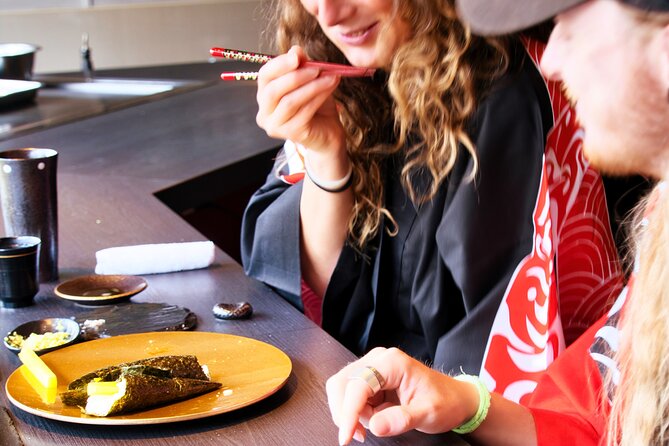
At $70 per person, you’re paying for two things at once: instruction and a real lunch. The time is short, but the cost isn’t just “watch someone cook.” You participate in multiple sushi styles (nigiri, makizushi, gunkan) and then eat a full set that includes tempura, soup, pickles, and a soft drink.
For many visitors, that’s the key value equation. You’re compressing what could be separate items in your plan: a workshop plus a lunch you’d otherwise pay for.
Also consider that the group size is limited (up to 10). A small class can feel calmer, and it increases the odds you get meaningful guidance during the steps.
If you’re comparing classes, don’t just compare the price. Compare what you leave with: a meal you built plus techniques you can repeat.
Weather, planning timing, and how to avoid headaches
This experience requires good weather. If it’s canceled due to poor weather, you’ll be offered a different date or a full refund. If your plans change for reasons other than poor weather, the booking isn’t refundable and can’t be changed.
Because it’s a lunch-time start at 12:00 pm and runs about 1 hour 15 minutes, you’ll want to keep the rest of your day flexible.
One more practical planning note: on average, it’s booked about 40 days in advance, so it’s smart to secure your slot earlier rather than waiting until the last minute—especially if you’re visiting in a busy season.
And since the group is capped at 10 and you’ll get a mobile ticket, you’ll likely find check-in easy, but do arrive early enough to solve the meeting-point puzzle.
Should you book Kyoto Making Wagyu Sushi?
I’d book it if you want a Kyoto lunch that doubles as a real cooking lesson. The step-by-step format, the mix of nigiri, maki, and gunkan, and the fact that you eat what you make (plus tempura and miso soup) makes it one of those experiences that doesn’t leave you hungry or bored.
I would hesitate only if:
- you’re sensitive to the idea of hands-on food work
- you have egg or shrimp allergies and you can’t or won’t inform the organizers ahead of time
- you strongly prefer to keep your itinerary free from any weather risk
If you like practical skills, good structure, and a meal that feels like part of the event, this is a solid pick.
FAQ
What time does the experience start?
The start time is 12:00 pm.
How long is the Kyoto wagyu sushi making experience?
It runs about 1 hour 15 minutes.
How much does it cost?
The price is $70.00 per person.
Is it a large group activity?
No. The maximum group size is 10 travelers.
What do I make during the class?
You make hand-formed sushi (including nigiri shari and topping placement), then roll makizushi, and also make gunkan. You’ll also work with nori sizing differences for different pieces.
What is included in the lunch?
Lunch includes sushi, tempura, red miso soup, pickles, and a soft drink.
What if I have an allergy like eggs or shrimp?
You should notify the organizers in advance if you have egg or shrimp allergies.
Is it refundable if the weather is bad?
The experience requires good weather. If it’s canceled due to poor weather, you’ll be offered a different date or a full refund.
Where is the meeting point?
You meet at Cocotte Alpha Premium Wagyu Teppanyaki Kyoto Pontocho, 3F (Golden Building), 175 京都ゴールデンビル 3F, Zaimokuchō, Nakagyo Ward, Kyoto.