REVIEW · KYOTO
Inside of Fushimi Inari – exploring and lunch with locals
Book on Viator →Operated by Japan Exploration Tours JIN-仁 · Bookable on Viator
Red torii, quiet trails, good noodles. This half-day Fushimi Inari hiking experience focuses on seeing the famous gates while also getting you onto calmer paths in the bamboo and cedar hills. You’ll follow a guided route to viewpoints and small local stops, then fuel up with a proper lunch and a tea break.
What I like most is how the small group setting helps you move at a human pace instead of getting shoved along. Another big win is the food plan: soba noodles plus a Japanese tea and boiled egg break keeps your energy steady for stairs and uphill walking.
One thing to consider: this walk is not a flat stroll. Expect steps, some steep forest sections, and a moderate fitness level requirement—if you’re unsure, this is where you should be honest with yourself.
In This Review
- Quick highlights
- Getting Inside Fushimi Inari Without Getting Stuck in Crowds
- Meeting at Great Torii and Moving Like a Small Group
- Torii Gates and Shrine Sightseeing With Real Explanations
- Bamboo and Cedar Detours: Waterfall, Worship Stones, and a Gate Factory Stop
- The Summit Climb: Forest Stairs Up to 233m
- Soba Lunch Plus Tea and Boiled Egg: Food That Fits the Hike
- What You Learn About Torii Culture and Shrine Etiquette
- How Challenging Is It, Really?
- Price and Value: What $72.26 Buys You in Kyoto
- Weather and Timing: Why Timing Matters at Fushimi Inari
- Who Should Book This Tour?
- Should You Book Inside Fushimi Inari?
- FAQ
- FAQ
- How long is the Fushimi Inari hiking tour?
- What’s included in the price?
- How many people are in the group?
- Is the hike suitable for a beginner?
- Is there food for special diets?
- Where does the tour start?
- Do you visit the summit shrine?
- Is the tour affected by weather?
- Can I cancel for a full refund?
Quick highlights
- A very small group experience (maximum 6 people), so your guide can actually manage the pace
- Red torii gate sightseeing with context, not just photos and speed-walking
- Bamboo and cedar paths plus real detours like a waterfall and a gate factory area
- Summit shrine visit after a forest climb (summit height: 233m)
- Lunch + tea break included, including soba and a Japanese tea with a boiled egg
Getting Inside Fushimi Inari Without Getting Stuck in Crowds
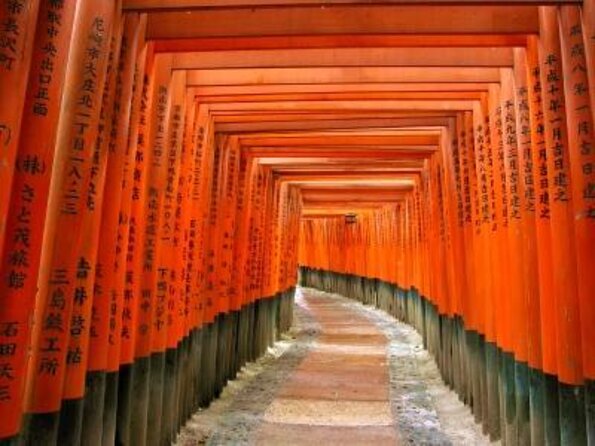
Fushimi Inari-taisha is one of those places that looks simple from far away: red torii everywhere, hill behind it, classic Kyoto postcard. Up close, the place is busy. The main gate lines pull most people into the busiest route, and you can end up spending your energy dodging strollers and camera arms.
This experience helps you avoid that pattern. Instead of treating Fushimi Inari like one long corridor of gates, you’re guided onto quieter trail segments through bamboo and cedar. That matters because the shrine doesn’t feel like a theme park when you’re walking among trees and smaller worship spots. You still get the famous red torii view moments, but you also get time for pauses—places to look closely, listen, and let the site sink in.
I also like the fact that you’re not just walking. You’re learning as you go—especially about the shrine area and the torii gate culture—so your photos have context. For example, when you see thousands of red torii gates, it helps to understand what those gates represent in the shrine system and why the mountain path has this stepped, layered feel.
You can also read our reviews of more tours and experiences in Kyoto


Meeting at Great Torii and Moving Like a Small Group
The tour starts at Great Torii in Fushimi Ward (deep location details included at the meeting point: 深草薮之内町68番地). It also ends back at that same meeting point, so you’re not left doing extra transit just to return to where you began.
Being near public transportation is useful because you can connect in easily from central Kyoto. Still, the best practical move is to arrive a bit early and make yourself easy to spot. One cancellation-style issue did appear in the feedback history (a guide missing the meeting timing), and the follow-up response mentioned searching after being there early and using a remarkable cap that was referenced beforehand. Translation: treat the meeting point like a check-in, not a vague suggestion. Get there early, confirm you’re in the right place, and you reduce the chance of a stressful mix-up.
With group size capped at 6, your guide can adjust pace. That came up strongly in praised experiences. One guide (Ko) was specifically noted for adjusting pace and keeping things friendly and informative. Another highlight mentioned Satsuki leading a quieter route away from crowds, including small shrines and tree-lined walking. You don’t need to know either name in advance, but it’s a good signal: these guides seem to understand the main goal—make the hike work for the group instead of forcing everyone to match the busiest tourist flow.
Torii Gates and Shrine Sightseeing With Real Explanations
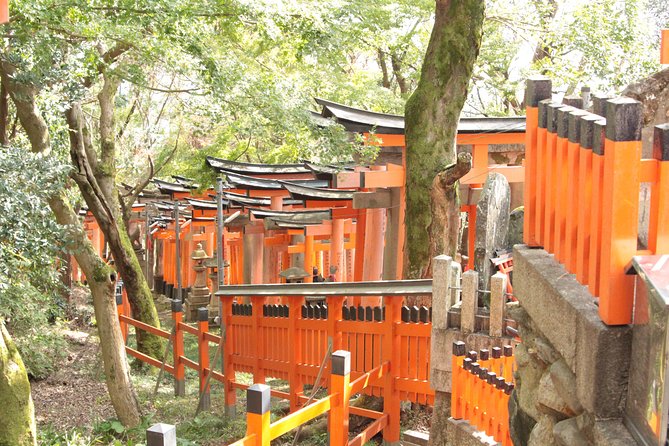
The day begins with the main Fushimi Inari shrine area and the classic view of thousands of red torii gates. You’re not just there to point and shoot. You’ll get an explanation of the gates’ history and cultural background, and you’ll see the main shrine and gate fields with your guide framing what you’re looking at.
This is where the guided part pays off. If you come on your own, you’ll get the sight—but you might not know what makes the shrine system tick, or why the paths feel like they’re organized for more than one type of worship. With a guide, you can move through the main sections with better context, so you’re paying attention instead of just following the crowd’s direction.
You’ll also get a sense of why the mountain layout matters. Fushimi Inari is set up like a layered hike: you move along paths that feel both sacred and practical. The gates create rhythm as you walk, but the real power comes when you understand that the mountain is part of the shrine experience—not just a backdrop.
Bamboo and Cedar Detours: Waterfall, Worship Stones, and a Gate Factory Stop
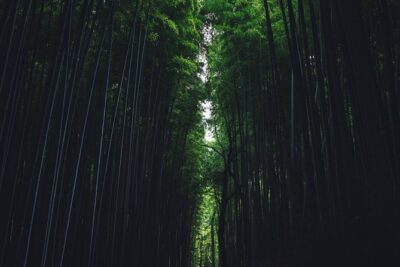
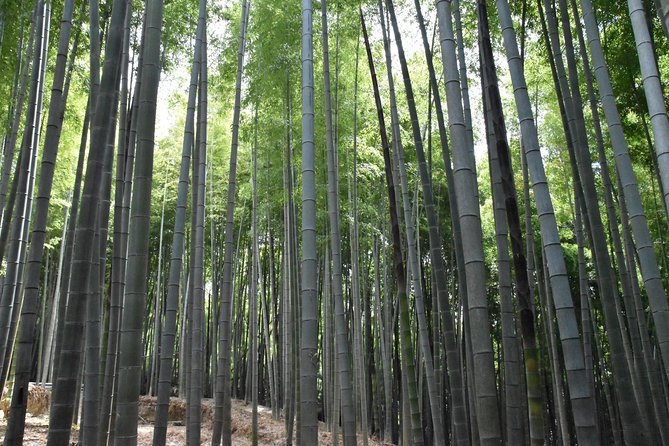
The best part for many people is not the obvious gate lines. It’s the shift from crowds to quiet trails. After the initial shrine time, your route leads into peaceful bamboo and cedar forest paths. This is where the site starts feeling like a lived landscape instead of a photo stop.
Along the way, you’ll visit smaller worship spots. The route includes worship stones and a waterfall area—both listed as part of the authentic stops you’ll see as you move off the main flow.
You’ll also pass by a gate factory area. That’s a great detail because it turns the famous red torii from something decorative into something with a supply chain and craft behind it. You can connect the visual impact of the gates with the reality that they’re made, maintained, and part of ongoing community practice. Even if you don’t go deep into the manufacturing process (that’s not what the hike is built for), you still get a useful “wait, how are these gates made?” perspective.
This detour style is practical value. It gives you variety—forest shade, softer walking segments, and sudden little reveals—while still staying in the Fushimi Inari world. If you love photos, you’ll get them. If you don’t care about photos, you’ll still appreciate the change of scenery and the slower pace that makes the shrine feel bigger than its busiest entrance.
The Summit Climb: Forest Stairs Up to 233m
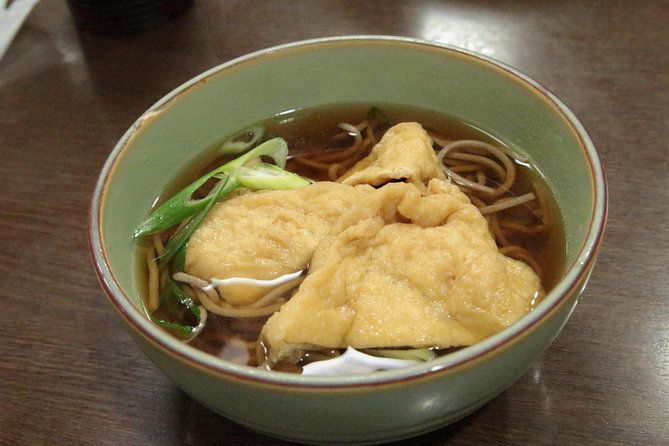
After the quieter sections, you’ll work your way toward the summit shrine. The climb is about 20 minutes, and it includes forest routes with a clear uphill feel. Your summit height is 233 meters, and you’ll get time to look around once you reach the top.
This is the point where your fitness check matters. Reviews praised the route for being away from masses and for quiet walking, but they also called out that the hike can be more challenging than expected. Stairs are steep. Some people describe it as challenging even if they were still able to enjoy the hike.
If you’re planning for this part, use a simple strategy:
- Wear supportive shoes and expect stairs.
- Take the climb slow—your guide adjusts pace, but the terrain still drives your rhythm.
- Bring a little patience. The summit section is short, but it’s meant to feel like a mini achievement.
Once at the summit shrine, you’ll have time to explore the summit area and (if you want) pray at the shrine. That prayer option is important. Fushimi Inari isn’t just scenery; it’s an active sacred site. The fact that this segment includes time to look around and participate if you want is one of the reasons this tour feels more respectful than a checklist walk.






Soba Lunch Plus Tea and Boiled Egg: Food That Fits the Hike
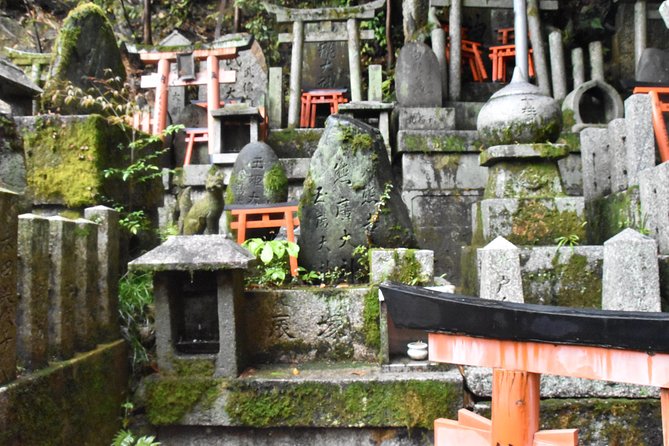
The tour includes lunch: soba noodles, plus a Japanese tea and boiled egg break. This sounds simple, but it’s actually well-matched to the physical plan.
Soba is filling without being heavy, and it works well when you’re walking uphill for part of the morning or afternoon. The tea break is a smart timing tool. Even if you’re not a tea person, sipping something warm helps you reset your body during the stairs-and-walking rhythm.
Diet notes are practical here. Vegetarian options are available, and it’s described as halal friendly. Gluten-free food is also available. That’s not always the case in shrine tours where food is an afterthought, so I give this tour credit for handling it up front.
If you’re sensitive to timing, this is another reason the tour structure helps. You’re not scrambling to find lunch at the exact moment your energy crashes. Food is built into the pacing, so you can keep moving without turning Fushimi Inari into a stressful meal hunt.
What You Learn About Torii Culture and Shrine Etiquette
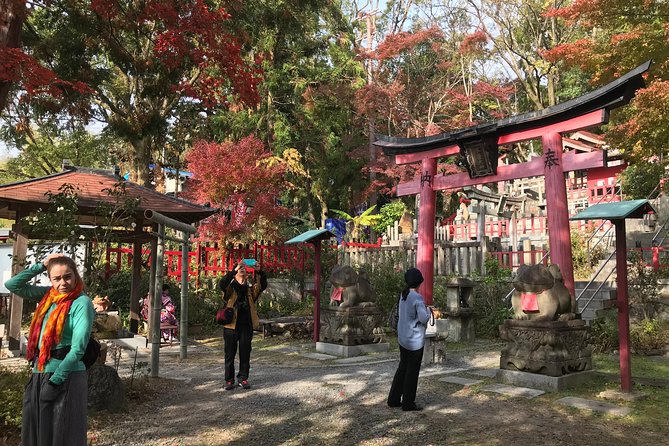
The tour’s educational focus is geared toward making what you see make sense. You’ll get background on the history and cultural meaning of the torii gates and why there are so many. As you move, your guide ties the visual cues—gates, shrines, forest paths—into the shrine’s overall spirit and layout.
I like this approach because it avoids turning the day into a lecture. The learning is meant to support your walking and your attention. When you hear explanations right at the moment you’re looking at a gate field or a smaller worship spot, the information sticks.
Also, the tour structure leaves room for quiet moments. Reviews specifically praised the experience of walking away from crowds and getting a quieter look at small shrines. That matters because Fushimi Inari can feel loud when you only see it through the lens of major tourist traffic. Here, the quiet segments give you space to actually experience the place as a place of worship.
How Challenging Is It, Really?
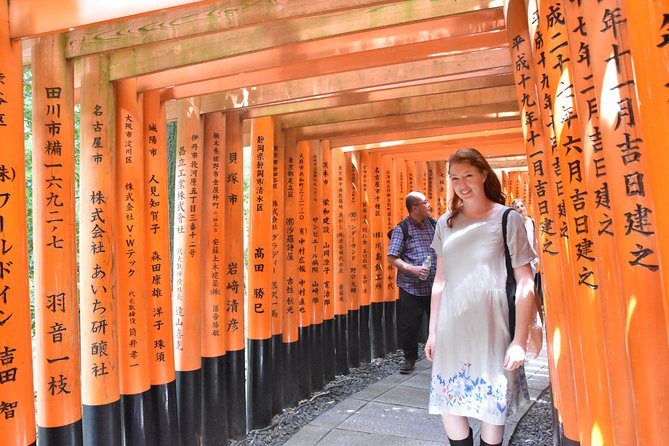
This is a hill walk with stairs. Even though it’s half-day, you shouldn’t treat it like an easy museum stroll.
The physical requirement is labeled as moderate fitness, and the summit route includes steep stair segments. One review described the hike as more challenging than expected but still enjoyable. Another highlighted that steep stairs make it not ideal if you struggle physically.
Here’s how I’d decide if it fits you:
- If you can comfortably do stair sections and uphill walking for short bursts, you’ll likely enjoy it.
- If stairs cause significant pain or you tire quickly on hills, I’d rethink it or at least plan for slower pacing and more breaks.
- If you’re the type who hates hurrying and likes walking with purpose, this is a good match because the guide adjusts speed for the group.
Good news: the small group size supports pacing. And the guided route is designed to keep you moving through the right segments rather than wandering in the wrong directions.
Price and Value: What $72.26 Buys You in Kyoto
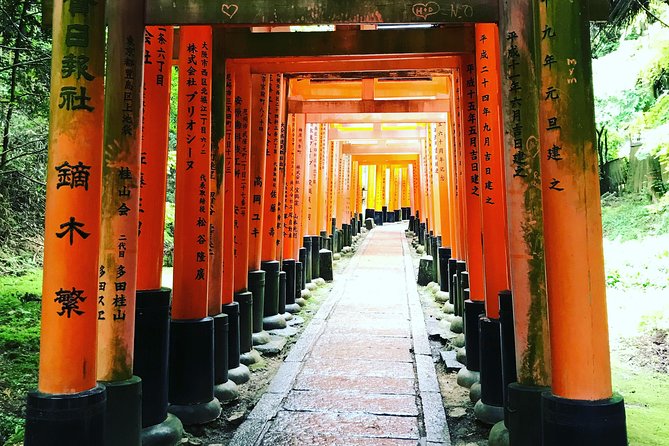
At $72.26 per person, the value comes from four things working together:
1) Guiding and route selection: You get the off-main segments, not just the most crowded corridor.
2) Small group time: Maximum 6 people means your guide can manage pacing and attention.
3) Food included: soba lunch, plus tea and boiled egg, which prevents you from finding meals during the most inconvenient time.
4) Entry/admission included: your ticket piece is part of the package.
If you were to try this on your own, you’d still pay for your own entry/tourism access and you’d still need to solve the food question. You might be able to hike it solo, but you’d likely lose time and energy figuring out the right detours—especially the waterfall and gate factory-style stops.
So the price makes sense if your priority is a guided path that turns Fushimi Inari into a richer half-day, not just a photo loop.
Weather and Timing: Why Timing Matters at Fushimi Inari
This experience is described as requiring good weather. That’s not surprising: forest paths, stairs, and a summit climb are not ideal in rain.
If you’re visiting in a season where showers pop up, plan to stay flexible. When weather cancels the hike, the provider offers a different date or a full refund. The key practical point for you: don’t schedule this as the only hiking plan on days when conditions can change fast.
In terms of timing on the clock, it runs about 4 hours overall. That makes it a great fit for structuring a Kyoto day: do the shrine hike earlier, then spend the rest of your time exploring neighborhoods or hopping between other sites without feeling like you have to cram everything into one exhausting block.
Who Should Book This Tour?
This is a strong fit if you want:
- Fushimi Inari with breathing room, not just the busiest gate traffic
- a guided route that includes forest paths, waterfall, and a gate factory stop
- included soba lunch and a tea/boiled egg break
- a small group experience where your pace can be managed
It’s not the best match if:
- you can’t handle steep stairs or steep uphill segments
- you’re looking for a slow, minimal-walking shrine visit with zero climb
One more sweet spot: if you enjoy learning while you walk—why the gates matter, how the worship spaces work—this format will feel more satisfying than a self-guided wandering plan.
Should You Book Inside Fushimi Inari?
Yes, if your goal is to see the famous red torii view and also experience the quieter, more personal side of Fushimi Inari through bamboo/cedar trails, smaller shrine stops, and a summit visit up to 233m. The small group size, the food plan, and the detours like the waterfall and gate factory are the reasons this feels worth your time.
If you hate stairs or you’re worried about moderate uphill walking, be cautious. This isn’t a gentle stroll, and the best part of the tour depends on being able to move through the forest routes at your own pace.
FAQ
FAQ
How long is the Fushimi Inari hiking tour?
It runs about 4 hours (approx.). The main shrine and hiking time is listed as 3 hours 30 minutes, with lunch built into that schedule.
What’s included in the price?
The tour includes a soba noodle lunch, a Japanese tea and boiled egg break, and an admission ticket.
How many people are in the group?
The maximum group size is listed as 6 travelers.
Is the hike suitable for a beginner?
It’s recommended for travelers with moderate physical fitness. The route includes stairs and a forest climb to the summit.
Is there food for special diets?
Vegetarian options are available. It’s also listed as halal friendly, and gluten-free food is available.
Where does the tour start?
The meeting point is Great Torii, Kyoto, Fushimi Ward, 深草薮之内町68番地 (612-0881).
Do you visit the summit shrine?
Yes. You climb a forest route for about 20 minutes to the summit shrine, which is listed at 233 meters.
Is the tour affected by weather?
Yes. It requires good weather. If it’s canceled due to poor weather, you’ll be offered a different date or a full refund.
Can I cancel for a full refund?
Free cancellation is available up to 24 hours in advance for a full refund. If you cancel less than 24 hours before the start time, the amount paid is not refunded.