REVIEW · KYOTO
Kyoto: Make Zen Garden and Taste Matcha in Pottery Shop
Book on GetYourGuide →Operated by Ninshu · Bookable on GetYourGuide
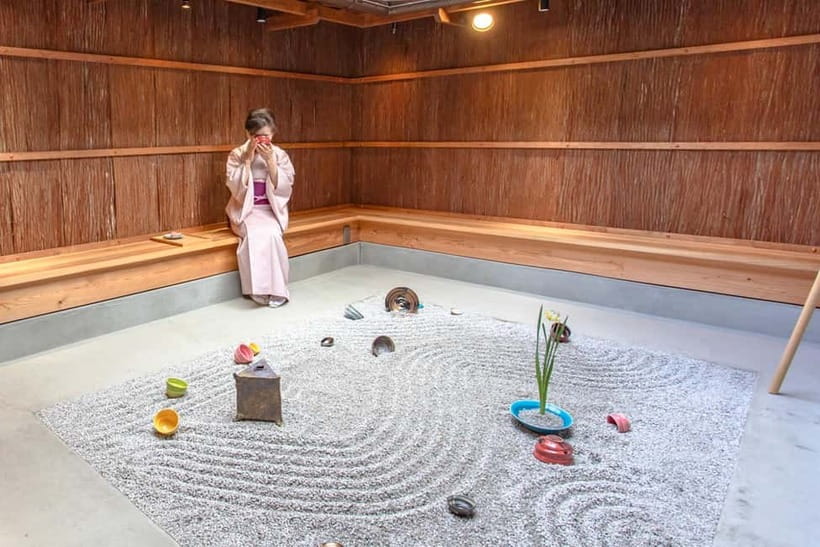
Kyoto is famous for Zen gardens, but this one is hands-on. In a 100-year-old machiya townhouse at Ninshu, you create your own kare-sansui sand garden, then sip Ippodo matcha in front of it. I love that it turns a usually passive experience into something you shape yourself, and I also like how the stop packages Kyoto culture in one compact visit. The one possible drawback: the whole workshop is just 30 minutes, so instructions are light and the garden time moves fast.
Here’s the deal. You’ll rake and decorate your garden in the back area, then enjoy matcha plus seasonal wagashi from Senbon Tamajushuken while you enjoy the view of what you just made. If you like structured steps, you might find it a little freer and less guided than a full class. If you’re okay going with your creativity, you’ll probably have more fun with it.
In This Review
- Key things I’d plan around
- Why a hands-on Zen garden feels different in Kyoto
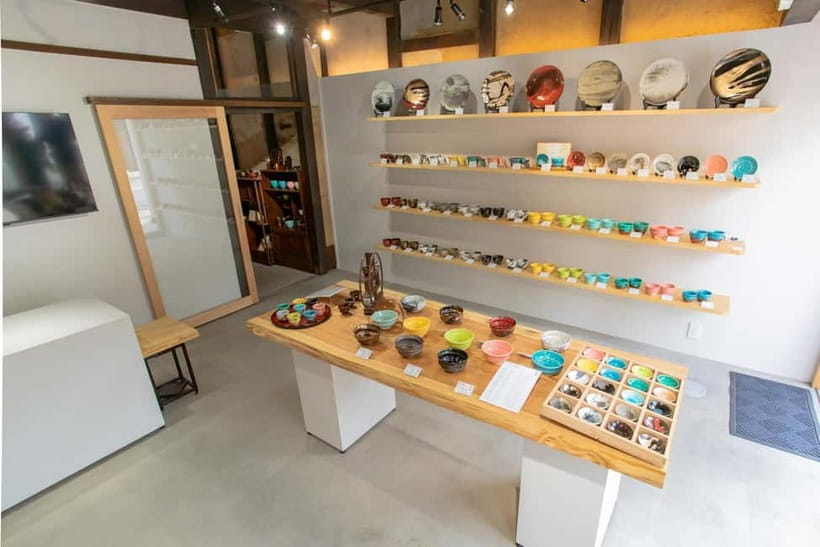
- Ninshu pottery shop and the machiya townhouse setting
- What you do during the 30-minute Zen garden session
- Ippodo matcha and Senbon Tamajushuken wagashi in front of your garden
- The pottery shop part: souvenirs that fit real life
- Value and who this workshop suits best
- Getting there near Ippodo and Kyoto Imperial Palace Park
- Should you book this Kyoto Zen garden and matcha workshop?
- FAQ
- FAQ
- How long is the Kyoto Zen garden and matcha experience?
- How much does it cost?
- What do I do during the experience?
- Is the activity just viewing a Zen garden?
- What are the drinks and sweets included?
- Can I take photos during the session?
- Where is the meeting point?
- How big is the group?
- Can I buy pottery at the shop?
- Is the pottery usable at home?
- What are the cancellation terms?
- Is there a reserve now, pay later option?
Key things I’d plan around
- Hands-on Zen garden: you make one you can photograph, not just watch one being made
- Quick, small-group pace: limited to 8 participants in a 30-minute window
- Kyoto tea + sweets pair: Ippodo matcha with Senbon Tamajushuken seasonal wagashi
- Machiya setting: the workshop takes place in a renovated Kyoto townhouse at Ninshu
- Pottery you can actually use later: traditional pieces are dishwasher and microwave safe
Why a hands-on Zen garden feels different in Kyoto
Kyoto’s Zen gardens are usually for looking. Even when you’re close, the rules tend to keep you on the outside. This experience flips that, because you design an original sand garden in a space meant for the experience, not just display.
What makes it especially satisfying is the format. You don’t just learn about the idea of Zen aesthetics—you physically rake the sand and arrange the composition. Then you sit in front of it and enjoy matcha and seasonal sweets, so the finished work becomes part of your own Kyoto moment, not an art stop you rush through.
That said, think of it as a spark, not a full workshop. It’s short, and the creative process is the main event.
You can also read our reviews of more tours and experiences in Kyoto.

Ninshu pottery shop and the machiya townhouse setting
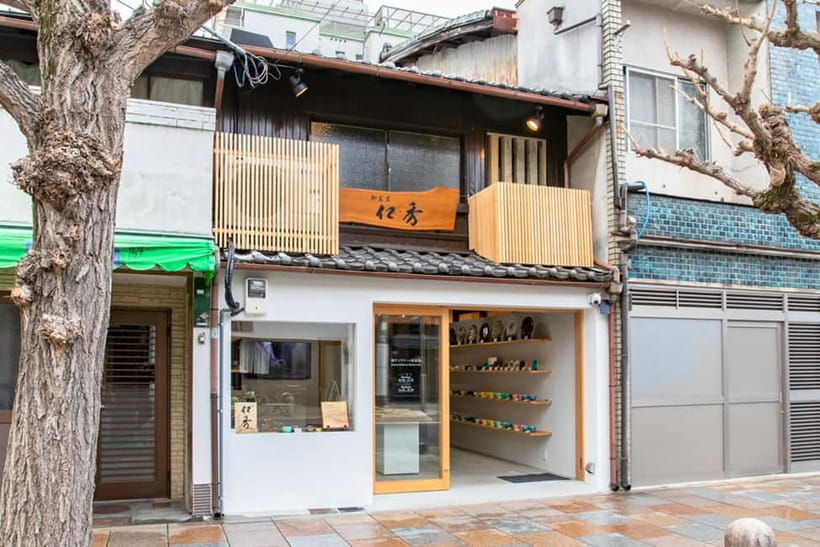
The workshop happens at Ninshu, a pottery shop set in a renovated, 100-year-old Kyoto townhouse. That matters more than you might think, because the building itself sets the tone. Machiya spaces tend to feel calm, wood-forward, and intimate, and you’re not competing with crowds in a huge showroom.
You’ll be in an area that’s easy to pair with other Kyoto wandering. The meeting point is near Ippodo (2 minutes walk north from there), along Teramachi Dori, and close to Kyoto Imperial Palace Park (100 meters south). One of the nicest practical perks of this neighborhood is that it already feels like old Kyoto—antiques, traditional home-goods shops, and tea culture all around.
In other words, even if your Zen garden turns out simple, you’ll still get the feeling of being in the real Kyoto rhythm: small spaces, careful crafts, and quiet streets.
What you do during the 30-minute Zen garden session
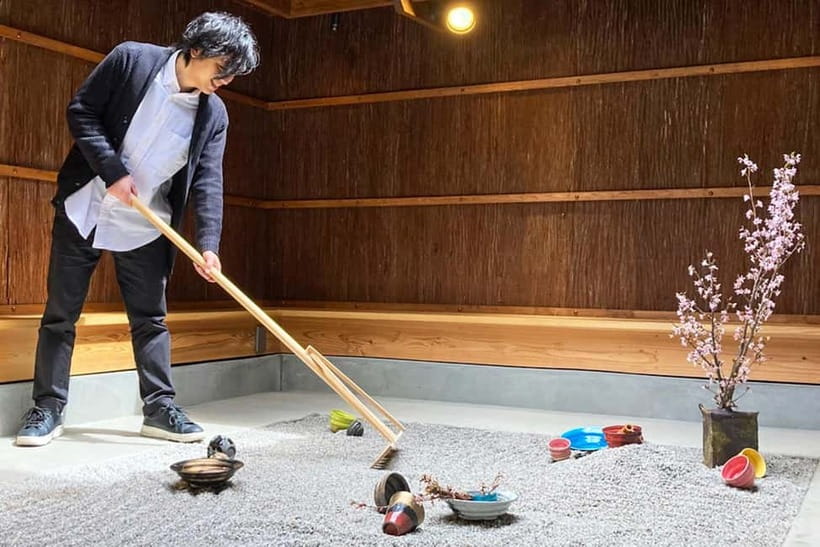
Your main activity is making a Zen garden in the kare-sansui style using sand. In a typical temple garden, the design is something you view and reflect on. Here, you create one original arrangement—raking, decorating, and shaping the sand into something that looks right to you.
The pace is intentionally quick. The experience is 30 minutes, and it’s designed as a small-group session (limited to 8 participants). If your group is decisive, you’ll move fast and still have time to enjoy the end result. If you tend to second-guess every detail, you may feel a little time pressure—but honestly, that’s part of the Zen logic.
One practical tip: treat it like a photo-friendly moment. Plan to look at your sand garden from the same direction you’ll photograph it, since the viewpoint you use for pictures will shape what looks best.
You’ll also be able to take photos yourself in front of the garden. That’s a big value point because it turns the experience into something memorable you can actually bring home visually.
Ippodo matcha and Senbon Tamajushuken wagashi in front of your garden
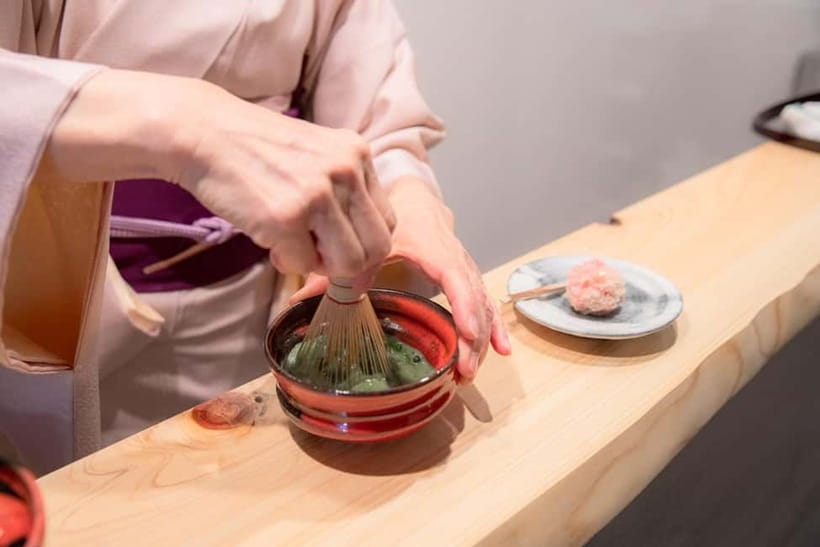
After you make the sand garden, you get to enjoy it. The matcha setup is right in front of your work, which makes the garden feel finished and personal instead of like a craft you left behind.
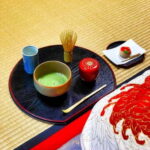
Your tea is from Ippodo, Kyoto’s famous tea company. I love this choice because it anchors the experience in a real brand tied to Kyoto tea culture, not just a generic tea service. You’re also served seasonal wagashi from Senbon Tamajushuken, which adds that Kyoto sweetness rhythm—small, seasonal, and designed for pairing with tea.
From firsthand-style descriptions of the experience, you’ll get matcha with a sweet such as a mochi cookie, and it may be served either iced or hot depending on the day. Even if you prefer one temperature style, you’re still tasting the core elements: matcha plus a wagashi-style treat.
If you’re the type who likes to read the room, this portion is where the whole experience clicks. You’ll be eating and sipping while your garden sits there, quiet and tangible. That’s when Kyoto’s Zen vibe actually makes sense.
The pottery shop part: souvenirs that fit real life
One of the best reasons to pick this workshop is that you’re not only making a Zen garden. You’re in a pottery shop, so you can connect your hands-on moment to something you can buy.
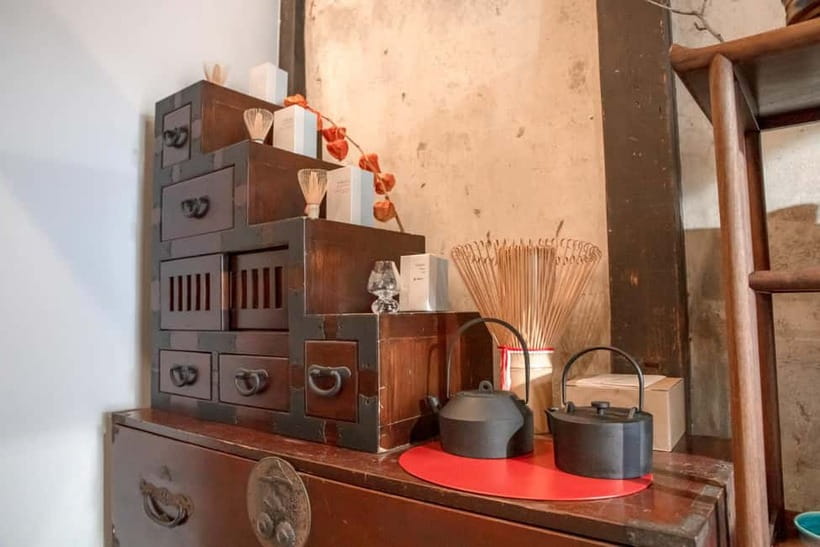
The pottery items are described as traditional pieces that are dishwasher-safe and microwave-safe. That’s a huge deal for international travelers, because it removes the stress of buying something beautiful that you later have to treat like museum glass. Instead, these are made to live a normal life, even if that life starts halfway across the world.
You can browse and purchase pottery during or around the session, so it works as a souvenir stop without feeling like a hard sell. You’re also in an area where traditional shopping makes sense—you’re near other home-goods and antiques shops, so pottery blends into the rest of your Kyoto day naturally.
My practical advice: if you buy a piece, do it with your travel method in mind. Keep packaging in your plans, and consider what you’ll carry on the plane. The items being microwavable and dishwasher-safe is great, but your biggest challenge is still space and weight.
Value and who this workshop suits best
At about $12 per person for 30 minutes, this is good value if you want a compact cultural activity with real hands-on payoff. You’re paying for three things: guided time in a special setting, a meaningful food-and-drink pairing (Ippodo matcha and Senbon Tamajushuken wagashi), and the chance to create something you can photograph.
It’s also a smart pick for people who don’t have hours to spend. If your Kyoto days are already packed—temples, markets, neighborhoods—this gives you a concentrated craft moment without stealing half your itinerary.
This workshop fits best if you:
- like making things with your hands, even if it’s simple
- want a photo-rich cultural souvenir that feels authentic
- enjoy matcha and Kyoto sweets and want the pairing to be part of the experience
- prefer small groups (limited to 8) so the space feels calm
It may not be the best fit if you:
- want very detailed instruction and a slow, step-by-step class
- dislike free-form creative activities
- need long sit-down time (everything here is intentionally fast)
Getting there near Ippodo and Kyoto Imperial Palace Park
The meeting point is easy to anchor. It’s about 2 minutes walk north from Ippodo and about 100 meters south from Kyoto Imperial Palace Park along Teramachi Dori. From transit, it’s also roughly 11 minutes walk from Kyoto Shiyakusho-mae Station on the Subway Tozai Line, and 9 minutes walk from Jingu-marutamachi Station on the Keihan Railway Main Line.
You’ll also find the location using coordinates: 35.0157879, 135.7673992. When you’re in Kyoto, having both street landmarks and transit options makes a big difference, especially if the weather changes.
In practice, I’d plan to arrive early enough to settle in and get oriented before the session starts. Short workshops feel tighter when you’re rushing.
Should you book this Kyoto Zen garden and matcha workshop?
I’d book it if you want a genuine Kyoto moment that’s small in time and big in feeling. The big wins are the chance to create your own kare-sansui garden, enjoy real Kyoto staples (Ippodo matcha and Senbon Tamajushuken seasonal sweets), and do it in a charming machiya townhouse at Ninshu.
You should think twice only if you need a heavily structured class or more instructional depth. The session is short, and you’re creating something more free-form than lecture-based.
If you’re planning a “greatest hits” Kyoto day but still want one quiet, hands-on craft that you can photograph and remember, this one is a solid choice. It’s the kind of experience that fits neatly between temple stops—without feeling like another line item you forgot to enjoy.
FAQ
FAQ
How long is the Kyoto Zen garden and matcha experience?
It runs for 30 minutes.
How much does it cost?
The price is $12 per person.
What do I do during the experience?
You create your own Zen garden using sand in a kare-sansui style, and you can decorate it in the store’s garden area.
Is the activity just viewing a Zen garden?
No. You make your own Zen garden, which you can also photograph.
What are the drinks and sweets included?
You’ll have matcha from Ippodo and seasonal wagashi (Japanese sweets) from Senbon Tamajushuken.
Can I take photos during the session?
Yes. You can take pictures of yourself eating matcha and sweets in front of the Zen garden you made.
Where is the meeting point?
It’s about 2 minutes walk north from Ippodo, and about 100 meters south from Kyoto Imperial Palace Park along Teramachi Dori.
How big is the group?
The group is small, limited to 8 participants.
Can I buy pottery at the shop?
Yes. You can purchase traditional pottery as souvenirs.
Is the pottery usable at home?
The pottery is described as dishwasher-safe and microwave-safe.
What are the cancellation terms?
You can cancel up to 24 hours in advance for a full refund.
Is there a reserve now, pay later option?
Yes. The experience offers a reserve now & pay later option.