REVIEW · KYOTO
Kyoto Sushi Making Experience with a Professional Sushi Chef
Book on GetYourGuide →Operated by MagicalTrip · Bookable on GetYourGuide
Knife skills meet Kyoto tea. In this Kyoto sushi making experience, you learn nigiri from a master Taisho chef and then taste what you made with smart sake pairing tips; it’s also hands-on, not just watching. One thing to weigh: you’ll be eating seafood and you can’t request vegetarian, vegan, or gluten-free swaps.
I like that the class is built for real participation: you roll, shape, garnish, and plate your own sushi. In a small group capped at 7, English translation helps you keep up from the first explanation to the last matcha whisk.
In This Review
- Key things I’d do again
- Kyoto Nigiri Basics, From Knife Work to Your Own Hands
- Where your session takes place and why it matters
- The Wagashi Stop: Pick Your Sweets Before You Whisk Matcha
- Meet the Taisho Chef: Nigiri Technique You Can Actually Use
- The knife reality check
- Roll Sushi: The Part That Turns Watching Into Skill
- Tempura Set and Drinks: A Full Meal, Not Just Sushi Training
- Sake Tasting With Pairing Tips That Actually Make Sense
- Matcha Experience on Tatami: Calm Finish, Real Tea Steps
- What’s Included (and What You’ll Definitely Eat)
- Group Size and Timing: Small Class, Tight Start
- Price in Kyoto: Is $161 Worth It?
- Who This Sushi Class Fits Best
- Should You Book This Kyoto Sushi Making Experience?
- FAQ
- Where is the meeting point?
- How long is the experience?
- Is the class English-friendly?
- How many people are in the group?
- What will I make and eat?
- Are drinks included?
- Can I request vegetarian, vegan, or gluten-free options?
- Is the food allergy-free?
- Are kids allowed?
- Is it easy to cancel?
Key things I’d do again
- Start with wagashi shopping so your sweets taste personal, not generic
- Shape nigiri with a Taisho chef who focuses on precise technique
- Make roll sushi yourself (the part most cooking classes only show)
- Pair sake with your bites instead of drinking it off to the side
- Whisk matcha in a Kyoto-style closing moment, not a rushed demo
Kyoto Nigiri Basics, From Knife Work to Your Own Hands
This experience is for people who want to cook, not just snack. The moment you meet the chef, you’re in the rhythm of sushi: clean work surfaces, careful handling, and that calm, no-wasted-motion attitude sushi training demands. The guide keeps things clear in English while the chef handles most of the explanations in Japanese, so you’re not stuck guessing.
What I like is the balance between tradition and practicality. You’re not just learning what to do. You’re learning why it matters—how rice texture changes with handling, how topping placement affects balance, and how to keep the whole piece looking crisp instead of smudged.
You’ll also get a sense of sushi as a craft, not a grab-and-go food. Even if you’ve eaten sushi all over Japan, it’s different when you’re responsible for the shape, the firmness, and the final bite.
You can also read our reviews of more tours and experiences in Kyoto.
Where your session takes place and why it matters
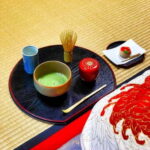
The class starts near Karasuma Oike Station Exit 5, then you’re guided through the local area for a sweets stop before heading to the sushi portion. That first segment isn’t just filler. It sets the tone—Kyoto flavor, Kyoto pace, and a reminder that Japanese sweets are part of the full tea-and-taste culture around matcha.
Then you move into the sushi restaurant experience. Expect a proper counter-and-prep setup where you can work at your station and learn by doing.
The Wagashi Stop: Pick Your Sweets Before You Whisk Matcha
Before sushi, you’ll visit a local shop area to pick Japanese sweets (wagashi). This is a detail that pays off later. Matcha can be grassy and intense if it’s taken on its own, but wagashi is designed to balance it—sweet, delicate, sometimes with seasonal flavors.
I like that the guide doesn’t just say pick anything. You’re guided through what to choose, with enough context that your sweets feel connected to the tea moment instead of random.
Also, wagashi shopping is a good way to slow down in Kyoto. You’re not teleporting straight from train station to restaurant. You get a quick, guided look at how locals think about taste and timing.
Meet the Taisho Chef: Nigiri Technique You Can Actually Use
Now the main event: nigiri. You’ll work under a professional sushi chef, described as a Taisho chef, which signals this is serious training-level craft. The focus is on technique you can feel, not just technique you can hear.
You’ll watch the chef do the critical steps first:
- How the rice is handled and seasoned
- How the topping is positioned
- How the final piece is shaped to look clean and eat well
Then you shift into doing your own work. The class includes 9 nigiri sushi, and that number matters. It’s enough repetition to build muscle memory, but not so many pieces that you feel like you’re just producing product.
The knife reality check
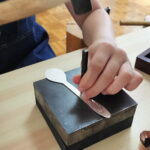
If you’ve ever wondered why sushi chefs are so intense about cleanliness and control, this is where you see it. You might even get a closer look at the knives before you start. It’s a small moment, but it helps you understand the mindset behind precision.
And because it’s a group class, you’re not fighting for space or missing the explanation while the chef works off to the side. Your guide keeps everything paced, and the chef’s demonstrations are built for observers and students.
Roll Sushi: The Part That Turns Watching Into Skill
After nigiri comes roll sushi. Rolling looks simple until you’re doing it with wet hands, careful rice distribution, and the timing of tightening the roll without crushing it. This is where many classes fall apart—students can’t keep up.
Here, you get guidance as you roll. You learn how to spread the rice evenly, control the filling, and finish the roll so it holds together for slicing and eating.
I love this step because it’s the most “take-home” skill. You can’t easily replicate the chef’s counter environment at home, but you can practice rolling technique in your own kitchen.
Tempura Set and Drinks: A Full Meal, Not Just Sushi Training
Sushi classes sometimes treat the meal like an afterthought. This one doesn’t. You also get a tempura set, plus two drinks included as part of the course.
Tempura is a classic pairing companion to sushi because it balances the mouthfeel of the meal. Sushi is tender and precise; tempura brings crunch, warmth, and that light batter bite. It also gives your palate a reset between different flavors and textures.
As you eat, you’ll notice something practical: your own sushi tends to taste different from what you buy. That’s not a letdown—it’s feedback. You can compare what you made, how it sits in your mouth, and what you’d adjust next time.
Sake Tasting With Pairing Tips That Actually Make Sense
One of the highlights is the sake tasting and the pairing guidance that goes with it. Sake isn’t one flavor. Even within a small tasting setup, you’re dealing with different profiles—how it feels on the tongue, whether it feels dry or soft, and how it changes the taste of rice and fish.
The best part is the pairing tips. Instead of telling you to drink first and analyze later, you get direction on how to match the sake to your bites. That’s what turns tasting into a lesson.
I also like that the guide helps you connect the dots. If you’ve ever tasted sake in a shop and felt like you weren’t sure what you were supposed to notice, this structure gives you something to look for.
Matcha Experience on Tatami: Calm Finish, Real Tea Steps
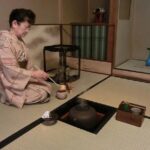
The session ends with a matcha experience and your chosen wagashi. This is not a rushed dessert stop. You’ll whisk matcha and then enjoy it with the sweets you picked earlier.
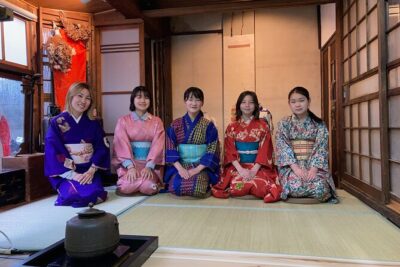
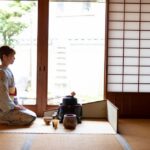
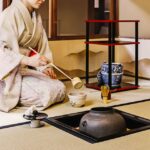
You’ll likely sit on tatami mats for the matcha portion. That detail changes the tempo. You slow down. You watch your hands. You focus on texture—frothy vs. thin, and how the bitterness of matcha shifts once you take a bite with a sweet.
I like matcha sessions that teach technique and mindset, not just taste. Whisking is physical. You can feel what proper mixing does to the drink, and you can see why chefs obsess over consistency.
And it’s a fitting Kyoto-style ending. The tour wraps with a peaceful Kyoto-style garden moment, which gives your brain a breather after the concentrated sushi work.
What’s Included (and What You’ll Definitely Eat)
Your course includes:
- 9 nigiri sushi
- Roll sushi
- Tempura set
- Two drinks
- Sake tastings
- Matcha experience
- Wagashi (Japanese sweets)
- Tour photos
A practical note: there’s no vegetarian, vegan, or gluten-free accommodation listed, and you can’t count on allergy-free preparation. Food is prepared in non-class kitchens, so if you have a serious allergy, you’ll want to be cautious and ask direct questions before booking.
If you’re flexible and comfortable eating seafood, this is a strong “everything included” meal. You’re not paying for a lesson only—you’re paying for the full tasting sequence that makes the lesson meaningful.
Group Size and Timing: Small Class, Tight Start
The group is small—limited to 7 participants. That matters more than people think. In a hands-on cooking class, smaller groups mean:
- Less waiting for instructions
- More time with the chef’s guidance
- Better chance your questions get answered
Time matters too. The tour starts on time out of respect for everyone, and late arrivals can miss the session and won’t be able to join or reschedule that class. So plan your transit like you’re catching a train: give yourself buffer time around Karasuma Oike.
Duration is 210 minutes (about 3.5 hours). That’s long enough to learn technique, eat, and do matcha, without turning the day into a full half-day slog.
Price in Kyoto: Is $161 Worth It?
At $161 per person, you’re paying for three things at once:
- A professional chef-led class (not a casual demo)
- Multiple included tastings (sushi, tempura, drinks, sake)
- The experience packaging that makes Kyoto feel like Kyoto (wagashi + matcha + garden)
For me, the value hinges on your goal. If you want to learn real skills—nigiri shaping, rolling, and tasting with pairing context—this price makes sense. If you’re mostly looking for a quick meal and a photo moment, you could find cheaper sushi dinners.
But if you like the idea of leaving with a story and a technique you can repeat, $161 starts to look fair. The small group limit also supports the “quality control” feel: you’re not in a huge class where attention gets diluted.
And tour photos being included is a nice bonus. It means you can focus on the work instead of juggling a camera while your chef is teaching hand positions.
Who This Sushi Class Fits Best
This Kyoto experience is a great match if you:
- Want hands-on sushi skills, not just a tasting
- Like learning culture through food (sake + matcha fit that)
- Enjoy structured guidance in a small group
- Are comfortable eating seafood and following the menu as provided
It may be a poor fit if you:
- Need wheelchair access (wheelchair users aren’t suitable)
- Require vegetarian, vegan, or gluten-free meals
- Have serious dietary allergies and need allergy-free preparation guarantees
Kids are allowed from age 4, but they must be supervised when handling knives or joining potentially dangerous steps. If you’re bringing children, it’s worth thinking about what tasks they’ll actually do safely during the hands-on portions.
Should You Book This Kyoto Sushi Making Experience?
Book it if you want a sushi class that feels structured, skill-based, and meal-complete. The best version of this experience is when you treat it like a cooking lesson and a tasting seminar at the same time: listen, watch, then do. The pairing tips help you understand why the bites work, and the matcha + wagashi finish turns the whole session into a Kyoto-flavored ending, not just lunch.
Skip it if you’re traveling with dietary restrictions that can’t be accommodated, or if you need full accessibility support. Also, be punctual—this one does not wait around.
If you’re in Kyoto and you care about food you can recreate (and flavors you understand), this is the kind of class that earns a spot near the top of your trip.
FAQ
Where is the meeting point?
You meet near Karasuma Oike Station Exit 5.
How long is the experience?
It lasts 210 minutes (about 3.5 hours).
Is the class English-friendly?
Yes. The instructor/guiding is listed as English.
How many people are in the group?
It’s a small group limited to 7 participants.
What will I make and eat?
You’ll make 9 nigiri and roll sushi, and you’ll also have a tempura set, sake tastings, matcha, and Japanese sweets (wagashi).
Are drinks included?
Yes. The experience includes two drinks.
Can I request vegetarian, vegan, or gluten-free options?
No. Vegetarian, vegan, and gluten-free requests aren’t accommodated.
Is the food allergy-free?
Allergy-free meals can’t be guaranteed since food is prepared in non-class kitchens. You may be able to request adjustments, but substitutions aren’t always possible.
Are kids allowed?
Yes. Participants must be at least 4 years old, and children must be supervised by an accompanying adult for knife handling and potentially dangerous steps.
Is it easy to cancel?
You can cancel up to 24 hours in advance for a full refund.