REVIEW · KYOTO
Half Day Kyoto Sagano Bamboo Grove & Arashiyama Walking Tour
Book on Viator →Operated by JTB Global Marketing & Travel Inc. · Bookable on Viator
Bamboo breathes here. This half-day walk links Kyoto’s famous Sagano bamboo grove with the Zen calm of Tenryu-ji, plus quieter temple stops in the hills. It’s one of those routes where the scenery does the talking, while your guide keeps the details and timing from feeling chaotic.
I love that you get temple context without sitting in a classroom. Tenryu-ji’s garden is treated like a living thing—designed to be seen the way you walk it—so you actually notice the choices. I also like the rhythm of the day: a longer bamboo stroll, then a temple-hopping loop, and finally the view payoff from Togetsukyo Bridge.
One consideration: this is still a walking tour. In busy seasons (think cherry blossoms or rain), the group can feel crowded, and you’ll spend real energy on uneven paths and some stairs.
In This Review
- Key Things to Know Before You Go
- Sagano and Arashiyama in Four Hours: How the Route Feels
- Getting There From Kyoto Station (and Why It’s Part of the Day)
- Sagano Bamboo Grove: The 3-Kilometer Walk That Sets the Tone
- Tenryu-ji Temple Gardens: Why This Zen Temple Gets the Attention
- Jojakko-ji Temple: The Quiet Hillside Stop (and Seasonal Swap)
- Togetsukyo Bridge and the Yakatabune River Break
- The Group Size and Pace Reality Check
- Price and Value: What $79.26 Buys You Here
- Guides, Interpretation, and Small-Group Energy
- Who This Tour Fits Best (and Who Should DIY)
- Should You Book the Half Day Kyoto Sagano Bamboo Grove & Arashiyama Walking Tour?
- FAQ
- How long is the Half Day Kyoto Sagano Bamboo Grove & Arashiyama Walking Tour?
- What is the total walking distance for the tour?
- What’s included in the tour price?
- Where do I meet the guide?
- Where does the tour end?
- Are train seats reserved?
- Is Jojakko-ji Temple always visited?
- What happens to the itinerary in July and September?
- What fitness level do I need?
Key Things to Know Before You Go
- Small-group format (up to 25) with a route built around public transit, not private cars
- Tenryu-ji Temple garden focus, including its long Rinzai Zen connection and famous layout
- Jojakko-ji Temple in the hills for big views, plus a seasonal swap in July–September
- Togetsukyo Bridge plus yakatabune river views so you get a break from walking
- About 3 km of walking total, so plan for footwear that can handle temple steps
Sagano and Arashiyama in Four Hours: How the Route Feels
If you only have half a day in Kyoto’s west, this tour makes a tight plan that still feels scenic rather than rushed. You start by getting yourself out of central Kyoto and into the Sagano–Arashiyama area, then you move in a gentle loop: bamboo → temples → bridge and river views.
The big win is pacing. You get enough time at each stop to take photos, look slowly, and read the space around you. And because the day includes transportation and admissions, you’re not spending your time hunting tickets or trying to figure out which entrance goes where.
You can also read our reviews of more walking tours in Kyoto


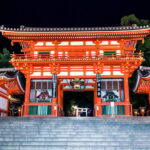
Getting There From Kyoto Station (and Why It’s Part of the Day)
The meeting point is at the JTB SUNRISE TOURS DESK KYOTO inside AVANTI near Kyoto Station. From there, you take public transport to Saga-Arashiyama Station using non-reserved seats, which means standing is possible during rush hours.
This matters because it sets expectations. You’ll want to travel light and keep your phone charged, since you’ll be moving between train platforms and walking sections on short notice. The upside is you’ll see how locals connect to this part of Kyoto, and you won’t be stuck waiting for a van.
The tour uses a mobile ticket, and the exact order and timing can shift with road conditions and congestion. That’s normal for Arashiyama—crowds can change fast, especially around peak seasons.
Sagano Bamboo Grove: The 3-Kilometer Walk That Sets the Tone
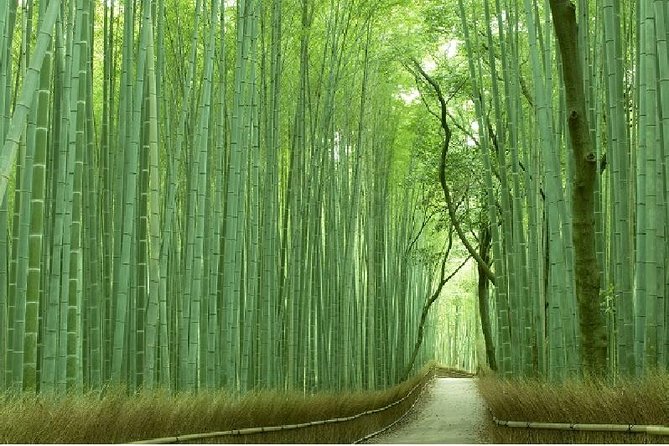
Your day begins with a roughly 2-mile (about 3 km) stroll through the Sagano bamboo grove. The magic here isn’t just the bamboo. It’s the way the walkway pulls your attention forward—tight rhythm, changing light, and that calm, forest-air feeling people come for.
This stop can be short on other tours. Here, you get enough walking time to actually experience it at a human pace. You’ll also be in the right mood for what comes next: Tenryu-ji feels like the quiet “reply” to the bamboo, not a separate attraction.
Tip that saves time: wear shoes you can trust on uneven temple paths. You’ll be walking more than you think, even though the total distance is listed as modest.
Tenryu-ji Temple Gardens: Why This Zen Temple Gets the Attention
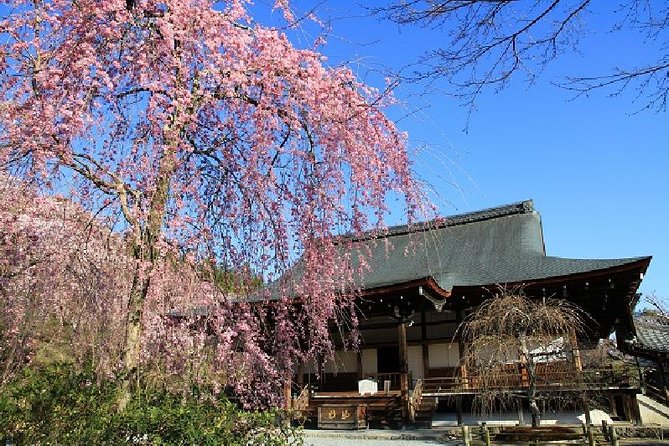
Next comes Tenryu-ji Temple, a World Heritage site and one of Kyoto’s best-known Zen stops. It was established in 1339 by Takauji of the Ashikaga Shogunate, and it’s strongly tied to Rinzai Zen.
What I like about this part of the tour is the garden emphasis. The garden survives in a design close to its original layout, so you’re not just looking at pretty scenery—you’re learning how the space is meant to be viewed. The gardens blend with Arashiyama’s hills outside the walls, so the temple feels connected to the area rather than pasted on top of it.
A practical note: your time at Tenryu-ji is about 30 minutes. That’s enough for the highlights, but not enough to wander forever. If you love gardens, you’ll probably want to come back for longer on another day.
Jojakko-ji Temple: The Quiet Hillside Stop (and Seasonal Swap)
After Tenryu-ji, you head toward Jojakko-ji Temple, tucked into the wooded hills. This is the “hidden among trees” kind of stop: fewer main-path crowds, more hillside atmosphere.
Jojakko-ji is famous in part because of the Tale of the Heike, which connects to Empress Dowager Kenrei-mon-in. It began as a nunnery and traces back to the 6th century, so it has a long backstory for such a secluded-feeling place.
Look for the small surprises your guide will point out, like the Jizo statue and the pagoda hidden among the maple trees. In autumn, this area can be spectacular, and the hillside layout gives you that “Kyoto spread out below” feeling.
One important catch: during July and September, Jojakko-ji is not included. In that period, the itinerary swaps in a visit to Okochi Sanso Villa Garden instead. If you’re traveling in summer, this changes what you’ll see, so double-check your date against the seasonal note.




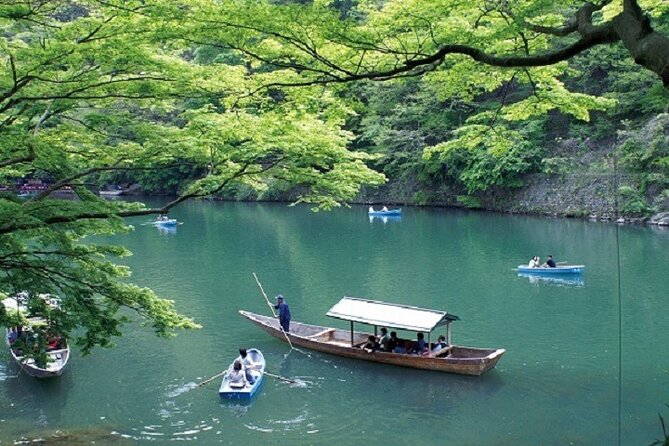
Togetsukyo Bridge and the Yakatabune River Break
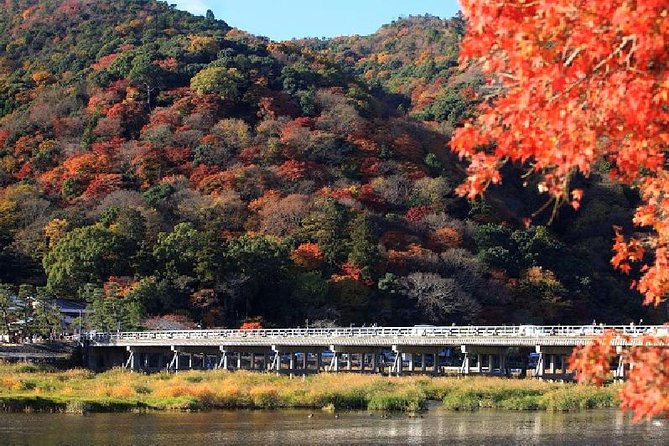
The finale is Togetsukyo Bridge, also known as Crossing Moon Bridge. It’s about 250 meters long, and it’s famous for seasonal views—cherry blossoms in spring and autumn leaves later in the year.
This bridge isn’t the only star. You also get yakatabune boat time for river views of the Hozu River and the forest-covered hills beyond. That’s a smart addition because you’re done with most of the walking by then, and the boat gives your legs a chance to recover while you still get scenery.
One more detail that helps you appreciate what you’re seeing: the current bridge is a reproduction of the original, reconstructed in 1934. So you’re not just looking at a photo-perfect bridge—you’re seeing a re-created landmark that has become part of Arashiyama’s modern identity.
The Group Size and Pace Reality Check
The tour caps at 25 travelers, which is manageable. Still, this is a famous area, and at peak moments you can feel the crowd energy—even with a guide trying to keep the group moving smoothly.
Some days also feel more “organized” than others. One practical example from the experience patterns: in rain or busy seasons, timing can get disrupted, and the tour can shift from smooth walking to more waiting. I can’t promise how your day will go, but you should pack patience if you’re visiting in cherry blossom week or similar high-demand periods.
Pace-wise, plan on moderate fitness. The day is short, but it includes temple steps and uneven ground. If you hate stairs, don’t schedule this on the day after a long hike.
Price and Value: What $79.26 Buys You Here
At $79.26 per person, the price is really about what’s bundled into one slot. You get a licensed English guide, plus entrance fees for the included sites and transportation costs as part of the tour plan.
If you planned this on your own, you’d still pay for admissions and you’d spend time figuring out transit and entrances. The tour gives you a guided route plus a simple structure for a zone that can be overwhelming when you’re just trying to get from bamboo to temples to the bridge.
The best value usually comes down to two things:
- You care about the context (why Tenryu-ji matters, why Jojakko-ji is famous beyond looks).
- You want to avoid logistics and spend your energy looking, not navigating.
Guides, Interpretation, and Small-Group Energy
Where this tour shines most often is the guide. In the groups behind this itinerary, names like Sachiko, Donna, and Michiharu have come up for strong interpretation and clear direction—enough facts to make the sights click, but not so much talking that you stop looking.
I also appreciate guides who balance structure with freedom. Some groups get enough time at slower moments to ask questions, and then you’re sent on with clear cues. If you want a “plan plus flexibility” day, this format tends to work.
If you’re the type who loves wandering a little after the main stops, you’ll probably enjoy how the tour ends back at Kyoto Station and leaves you free to tack on dinner or one more nearby activity.
Who This Tour Fits Best (and Who Should DIY)
This tour fits best if you want:
- a half-day hit of Sagano and Arashiyama without building a route from scratch
- guided garden and temple interpretation
- the classic bamboo-and-bridge combo, plus river views from yakatabune
It’s less ideal if:
- you want long, slow temple time with zero crowd influence
- you’re traveling at the busiest seasonal peaks and you’re very sensitive to crowds
- you’d rather control your own stops and stay longer where you feel like it
If you’re an experienced Kyoto traveler comfortable with transit, doing the area on your own can be tempting. But if you want the day to work smoothly in a tight window, the guided loop is a real convenience.
Should You Book the Half Day Kyoto Sagano Bamboo Grove & Arashiyama Walking Tour?
Yes, if you’re aiming for a classic Arashiyama sampler—bamboo grove, Tenryu-ji, a hillside temple, and Togetsukyo Bridge—and you want a guide to connect the dots. This is also a solid choice if you appreciate gardens and temple storytelling, not just photo stops.
Think twice if you’re visiting in peak crowds, hate waiting, or don’t like walking on uneven ground. In those cases, you might still enjoy Arashiyama, but you may prefer a private or fully flexible plan.
If you do book it, go in with the mindset that this is about flow. You’ll get the big moments, learn a few key details that make the places feel more real, and finish with a view that’s hard to beat.
FAQ
How long is the Half Day Kyoto Sagano Bamboo Grove & Arashiyama Walking Tour?
It runs for about 4 hours.
What is the total walking distance for the tour?
The total walking distance is approximately 3 km, and you should plan for some stairs.
What’s included in the tour price?
The tour includes a licensed English guide, entrance fees for the included sites, and transportation costs.
Where do I meet the guide?
You start at the JTB SUNRISE TOURS DESK KYOTO inside AVANTI near Kyoto Station.
Where does the tour end?
The tour ends back at Kyoto Station, and you continue on independently from there.
Are train seats reserved?
No. You use public transportation with non-reserved seats, so standing may be required at busy times.
Is Jojakko-ji Temple always visited?
No. During July and September, Jojakko-ji Temple is not included.
What happens to the itinerary in July and September?
In that period, the visit to Okochi Sanso Villa Garden replaces the Jojakko-ji visit, and the start time is earlier to avoid peak heat.
What fitness level do I need?
The tour calls for a moderate physical fitness level because it’s a walking route with temple steps.