REVIEW · KYOTO
The Art of Mindful Living: Tea Ceremony in Kyoto
Book on Viator →Operated by maiyuur culture retreat · Bookable on Viator
Quiet tea beats Kyoto crowds every time. This Kyoto tea ceremony happens in a Japanese old residence, with a garden to slow your pace before the session starts, and a calm tea room where matcha becomes the main event.
I especially love the focus on organic Uji matcha made in Kyoto, plus the fact you get real participation, not just watching. You’ll also make your own matcha, guided step by step, so you leave with a tiny skill you can repeat later.
One thing to plan for: the meeting area is a bit outside downtown, so you’ll want to budget extra transit time. If you add a kimono, note that in rain you’ll still be able to take photos, but not while wearing the kimono without getting wet.
In This Review
- Key Highlights at a Glance
- Kyoto’s Tea Ceremony in an Old House: Where Calm Becomes a Plan
- Your Matcha Lesson: History, Effects, Types, and How to Drink It
- Sweets and Snacks: One Included, Plus Real Options for Diets
- Make-Your-Own Matcha: The Part That Feels Like Magic
- Garden Time and Photo-Friendly Traditions (Umbrella and Sword Included)
- Kimono Options: Fun Upgrade, Real Tradeoffs
- Location and Timing: Where You’ll Meet and How to Get There
- Group Size, Privacy, and the Feel of the Session
- Price and Value: What $44.42 Buys You in Kyoto
- Who Should Book This Tea Ceremony (and Who Might Skip It)
- Should You Book The Art of Mindful Living Tea Ceremony in Kyoto?
- FAQ
- How long is the tea ceremony?
- What is included in the price?
- What matcha is used?
- Are vegan or food allergy needs accommodated?
- Can children join?
- Can I take photos during the experience?
- Is there a kimono rental option?
- What about hair styling and makeup?
- How big are the groups?
- Can I do a private tea ceremony?
- What if I need to cancel?
Key Highlights at a Glance
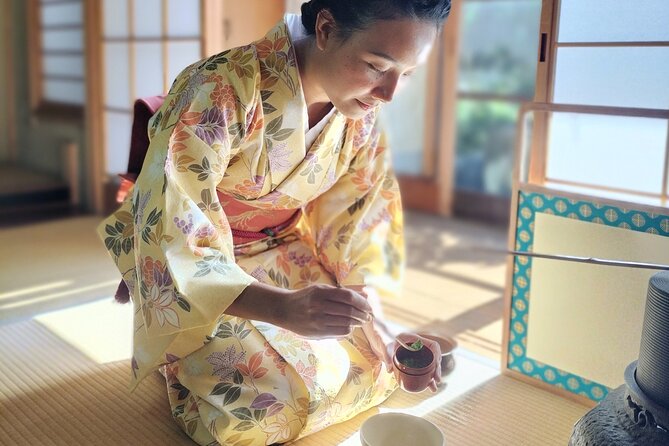
- Organic Uji matcha from Kyoto: The matcha used is Uji-style and described as organic, made locally in Kyoto.
- Hands-on matcha making: You don’t just taste—you learn the steps and try it yourself.
- Sweets + dietary options: One included sweet, plus you can request vegan and accommodate food allergies.
- Garden photos with fun props: You can take pictures before the ceremony; you can also use a traditional umbrella and imitation sword for photos.
- Kimono adds big fun (and a price tag): Rental options are available, with accessories provided, while hair styling and makeup are not included.
Kyoto’s Tea Ceremony in an Old House: Where Calm Becomes a Plan
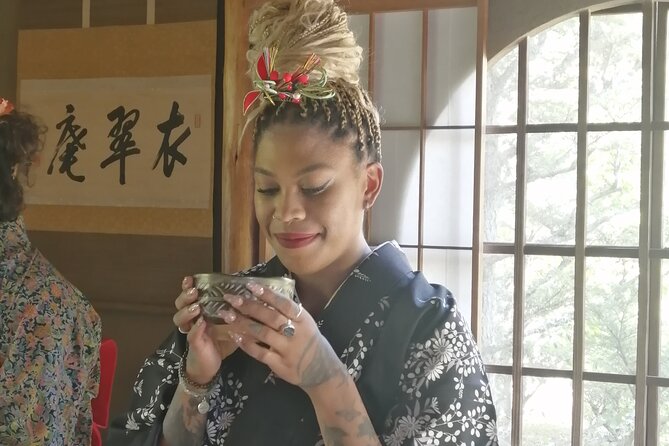
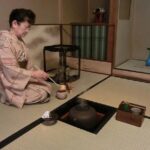
Kyoto can feel like a race—temples, photos, buses, repeat. This experience trades speed for ritual. You’ll sit in a Japanese old residence with a dedicated tea ceremony room, and you’ll get access to a beautiful garden before things begin.
What makes it work is pacing. You’re not stuck “performing culture” for an hour. Instead, the guide talks through what’s going on, then you taste, then you try it yourself. It turns matcha into something you understand with your hands, not just something you sip while scanning Instagram.
The tea room experience is also designed for comfort. Chairs are provided, which matters when your legs have already done too much city walking. And even if you’re not a tea person, you’re guided through what to do and why—so you can relax instead of guessing.
You can also read our reviews of more tours and experiences in Kyoto.
Your Matcha Lesson: History, Effects, Types, and How to Drink It
A good tea ceremony isn’t only about drinking. It’s about knowing what you’re holding. In this one, you’ll get an explanation that covers the tea ceremony itself and how to drink matcha—plus the reasoning behind the ritual.
The guide’s talk includes:
1) History and how the ceremony developed
2) The effects of matcha (as part of why people value it)
3) Types of matcha and Japanese tea—so you don’t treat it as one-size-fits-all
4) How to drink matcha correctly (how you approach the bowl and the sip)
For you, this is the difference between a “taste test” and a real cultural experience. If you’ve ever wondered why the bowl matters, why the timing matters, or why people seem so serious about whisking—this is where those answers show up.
And because it’s a one-hour experience, the teaching doesn’t feel like a lecture that steals your day. You get the essentials, plus enough context to enjoy what’s happening in front of you.
Sweets and Snacks: One Included, Plus Real Options for Diets
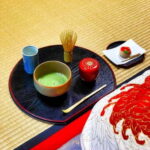
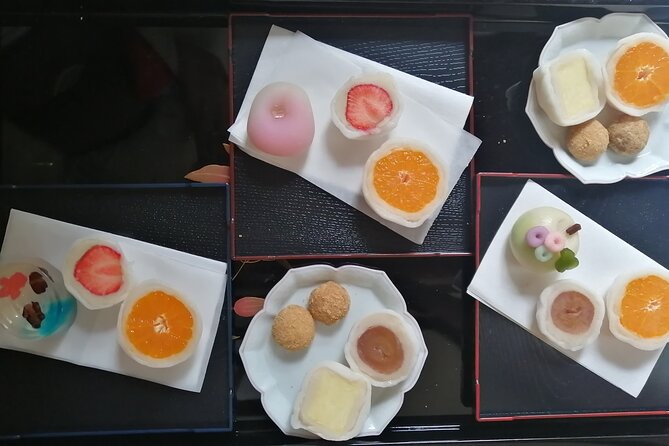
Tea ceremonies are often paired with sweets, and this one keeps that tradition practical. You’ll enjoy matcha along with Japanese sweets during the session. One sweet is already included in the price, and you can choose between different styles.
Your sweet choices include:
- Traditional bean paste sweets
- Fresh fruit daifuku
There’s also a meaningful inclusion here: food allergy and vegan options are available. That’s huge in Japan, where sweets and desserts can hide ingredients you wouldn’t expect. If you have a specific allergy, make sure you share it ahead of time so the host can plan safely.
Children also get a tailored option. Instead of matcha, they can have cocoa. That keeps the experience family-friendly without forcing kids to push through a strong flavor they didn’t sign up for.
One other small detail that helps: the tour includes snacks. That means you’re not arriving thinking, Great, I’ll be hungry in an hour. You’re tasting and learning while still getting properly fueled for more Kyoto walking afterward.
Make-Your-Own Matcha: The Part That Feels Like Magic
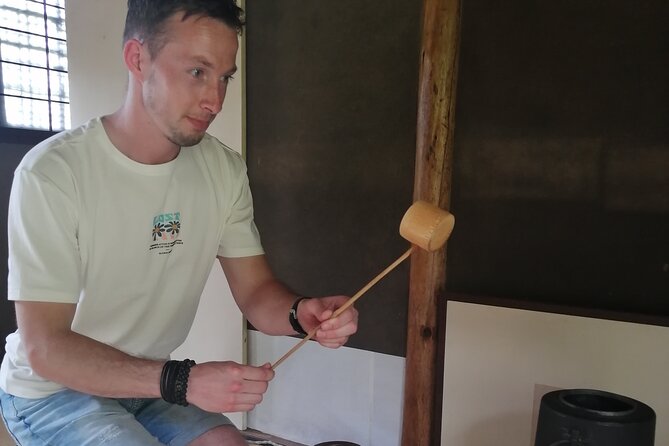
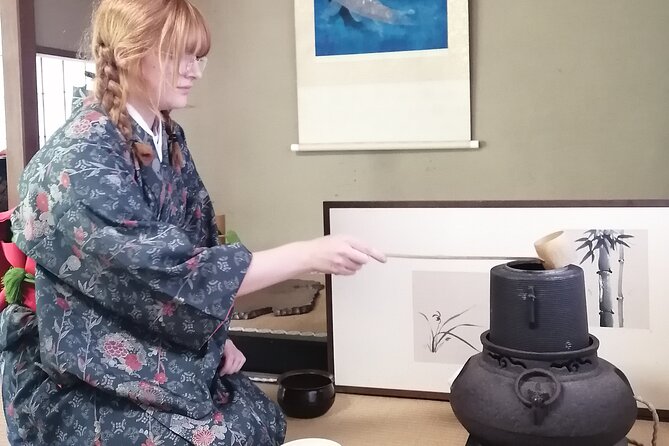
The most memorable moment in this kind of experience is usually the hands-on part. Here, you’ll try making matcha yourself. That’s not just for show. It helps you understand the ceremony’s rhythm: whisking, observing, and learning what “good matcha” looks and tastes like when prepared well.
The guide walks you through it while you’re in the tea room. You’ll go from watching to doing—so even if you’ve never whisked matcha before, you won’t feel lost.
Why this matters: matcha can taste earthy or bitter if it’s prepared badly or if you expect it to behave like sweet drinks. When you make it yourself under guidance, you get a baseline for how it should taste and how it should feel. That makes your later purchases in Kyoto feel less random.
If you like learning with your hands, this is the section you’ll be thinking about on the train ride back. It’s also a great “memory item” because it’s tied to a skill, not only a photo.
Garden Time and Photo-Friendly Traditions (Umbrella and Sword Included)
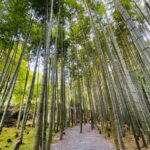
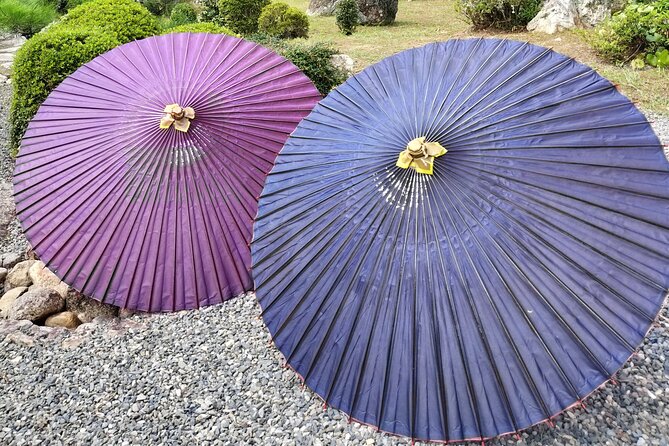
You don’t start inside immediately. Before the ceremony, you can enjoy the garden and take photos in that calmer setting. This is where the experience earns its “mindful” reputation in a very practical way: you’re building a slower frame of mind before you sit down.
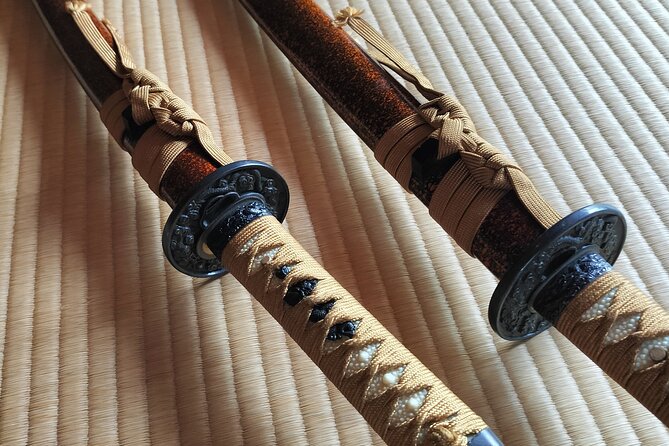
During the ceremony, you can also take photos. The experience even includes special photo options: you may use a traditional umbrella and an imitation sword—but only for taking pictures.
That matters because it keeps things respectful. You’re not dragging props into the tea ritual itself; you’re using them for playful travel photos that fit Kyoto’s visual culture without turning the ceremony into a stunt.
Weather note: rain changes the photo situation for anyone in kimono. You can still take photos while holding an umbrella in the garden area. But it’s not possible to take photos while wearing a kimono without an umbrella and getting wet in the rain. Plan ahead with layers, because Kyoto weather can switch quickly.
Kimono Options: Fun Upgrade, Real Tradeoffs
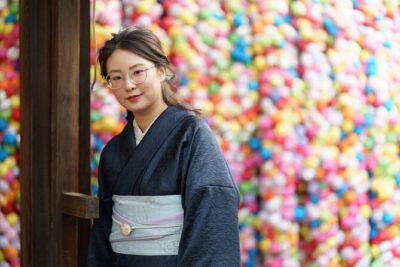
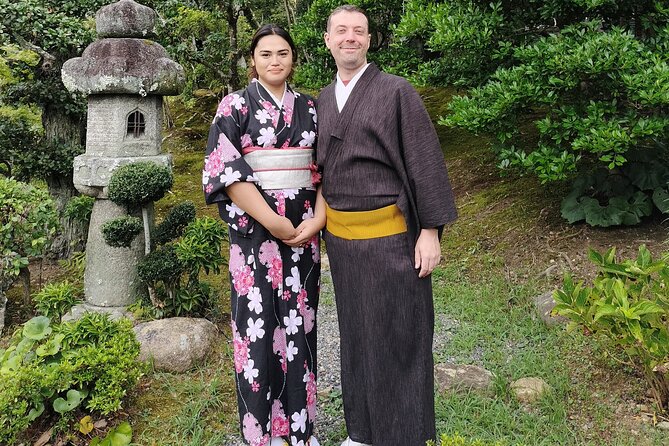
If you want the classic Kyoto look, you can add kimono rental. It’s available during the tea ceremony, and the choices are clearly laid out:
- Kimono rental: ¥4000
- Hakama option: ¥8000
- Baby romper-type kimono: ¥600
- Undershirt rental: ¥200
One helpful detail: they don’t do hair set or make-up. Instead, they prepare hair accessories for guests to use freely. So if you care about a fully styled look, bring what you need—or keep your expectations realistic.
Also, comfort is your friend. Chairs are provided for the tea portion, which helps when you’re wearing traditional clothing. Still, give yourself extra time for getting dressed compared with just showing up in normal clothes.
One more reality check: the location is a little outside the downtown buzz. With kimono, the whole day becomes more intentional. If you love slow travel and photos, it can be worth it. If you’re short on time and hopping between famous stops, you may want to keep your outfit decision simple.
Location and Timing: Where You’ll Meet and How to Get There
You’ll meet at Kaze no Waon, 14 Utanokitanoinchō, Ukyo Ward, Kyoto, 616-8201, Japan. The activity ends back at the meeting point, so you don’t need to plan a separate transfer afterward.
It’s near public transportation, which helps. Still, it’s not in the thick of central tourist routes. You’ll likely feel like you’re heading out in the direction of quieter Kyoto, toward areas linked with Kinkakuji and Arashiyama.
That’s not automatically bad—it can actually improve the vibe. Fewer crowds often means a calmer start. Just don’t assume you can drop in between two downtown sights without thinking about transit time.
If you’re traveling with a stroller: you can enter the premises with it, but you cannot bring it inside the building. Plan for a little carrying or transferring, depending on your group.
Group Size, Privacy, and the Feel of the Session
This experience is built for a small group. The maximum number of participants for group sessions is 6, though the host notes they can accommodate sessions with more than 6.
Small groups matter for two reasons:
- You get time for questions and guidance while you learn matcha steps.
- The mood stays calm. Tea ceremonies don’t work when you’re competing with noise.
You can also book it as a private session. If you want that, the message is clear: you should contact the host before booking a private experience. Private tea can be ideal for couples, families, or anyone who wants more control over timing and pacing.
There’s also a practical cap on the total experience feel: it’s about 1 hour (approx.). That makes it easy to fit into your Kyoto day without sacrificing your entire schedule.
Price and Value: What $44.42 Buys You in Kyoto
The listed price is $44.42 per person. For Kyoto, that’s not “cheap,” but it’s not outrageous either when you break down what you’re actually getting.
You’re paying for several things at once:
- A guided tea ceremony in a Japanese old residence
- Organic Uji matcha from Kyoto used during the experience
- Japanese sweets (one included, with choices)
- Snacks included
- Instruction that covers history, types of tea, and how to drink matcha
- The hands-on matcha-making practice
- A setting with garden time plus photo opportunities
- Small-group attention (and chair seating)
If you compare it to just doing a matcha tasting at a café, you’re missing the teaching and the ritual pacing. If you compare it to “big formal ceremony” experiences that can feel heavy or expensive, this one is shorter and structured to fit normal sightseeing flow.
In other words: the value here is the mix of calm + instruction + participation, not just a drink in a cup.
Who Should Book This Tea Ceremony (and Who Might Skip It)
This is a strong match for you if:
- You want a peaceful Kyoto experience that doesn’t depend on walking long distances right after
- You like learning small skills while you travel
- You care about matcha quality and want to know what you’re tasting
- You want a cultural activity that still feels hands-on and personal
It can be less ideal if:
- You have very limited time and want everything to happen near central Kyoto
- You hate the idea of planning around clothing changes (if you add kimono)
- You expect an all-day event. This one is about an hour, and it keeps its focus.
If you’re traveling with kids, it’s worth considering for the cocoa option. And if you’re managing dietary needs, the availability of vegan and allergy accommodations is a real advantage—just communicate your needs clearly.
Should You Book The Art of Mindful Living Tea Ceremony in Kyoto?
If your Kyoto plan includes at least one experience that slows you down, I’d book this. The organic Uji matcha, the chance to make your own bowl, and the garden setting give you more than a single photo moment. It’s also small-group, chair-based, and structured so you don’t have to figure out the ritual on your own.
My only caution is logistics. Budget time to get there, especially if you’re coming from downtown. And if you’re planning kimono, think about weather and comfort. When you plan for those two points, the experience becomes exactly what Kyoto should feel like: quiet, focused, and surprisingly rewarding.
FAQ
How long is the tea ceremony?
It runs for about 1 hour.
What is included in the price?
You get matcha, Japanese sweets (one sweet is included), and snacks. Alcoholic beverages are not included.
What matcha is used?
The ceremony uses organic Uji matcha made in Kyoto.
Are vegan or food allergy needs accommodated?
Yes. Food allergies and vegan options are available.
Can children join?
Yes. Children can have cocoa instead of matcha.
Can I take photos during the experience?
Yes. You can take photos during the tea ceremony. You can also take photos in the garden before the ceremony.
Is there a kimono rental option?
Yes. Kimono rental is available for ¥4000, with other traditional clothing options like hakama (¥8000) and baby romper-type kimono (¥600). An undershirt rental is ¥200.
What about hair styling and makeup?
Hair set and make-up are not included. Hair accessories are prepared for guests with rental kimono to use.
How big are the groups?
Group sessions have a maximum of 6 participants, and the host notes they can accommodate sessions with more than 6.
Can I do a private tea ceremony?
Yes, you can book it as a private session, but you should contact the host before booking.
What if I need to cancel?
Free cancellation is available up to 24 hours before the experience’s start time for a full refund. If it’s canceled due to poor weather, you’ll be offered a different date or a full refund.