Morning crowds? Not today.
This Arashiyama plan is built to steer you away from the thick lanes and toward the quieter corners, while still ticking off the iconic Togetsu Bridge and the bamboo forest photo stop. I also like that it doesn’t rush: you get real time at two very memorable temples—Otagi Nenbutsu-ji with its 1,200 stone figures, and Adashino Nenbutsu-ji with 8,000 stone images and pagodas. The main drawback is simple: there’s a moderate amount of walking, so it’s not a fit for wheelchairs or people with mobility impairments.
What really makes this tour feel worth your time is the guide work. You’ll get context for what you’re seeing—especially the history of Okusaga and Arashiyama—plus plenty of chances to ask questions. You should bring comfortable walking shoes and a camera, because the best moments are spread out over the day, not all at one stop.
In This Review
- Key points at a glance
- Why Arashiyama Feels Different When You Skip the Main Bottleneck
- Starting at Saga Arashiyama Station: A Simple Way to Get Oriented
- Togetsu Bridge and the Arashiyama Park Observatory Views
- Bamboo Forest Photo Stop: Iconic, But Planned for Real Life
- Otagi Nenbutsu-ji Temple: 1,200 Whimsical Stone Statues
- Adashino Nenbutsu-ji: 8,000 Stone Images and Pagodas
- Saga Toriimoto Preserved Street: Traditional Houses and Small Shops
- Seiryoji Temple and the Okusaga Story Connecting It All
- Price and Value: Why $83 Can Make Sense for This Route
- Group Size, Guide Style, and What You Get Out of It
- Who This Tour Fits Best (and Who Should Skip It)
- Should You Book This Arashiyama Tour?
- FAQ
- Where does the tour meet?
- How long is the tour?
- What are the main stops on this route?
- What’s included in the price?
- Is food or drinks included?
- What languages do the guides speak?
- Is the tour wheelchair accessible?
- What should I bring, and what’s not allowed?
Key points at a glance
- Crowd-smart routing: you’ll spend more time where it feels calm, not just where it’s famous
- Bamboo forest photos: quick, well-timed stops so you can get the shot without losing the afternoon
- Otagi Nenbutsu-ji: 1,200 quirky stone statues that look like they’re telling jokes
- Adashino Nenbutsu-ji: 8,000 stone images and pagodas with a spooky-but-fascinating mood
- Saga Toriimoto preserved street: traditional houses plus small local shops, including a cocoon dolls shop and Washi paper shop
Why Arashiyama Feels Different When You Skip the Main Bottleneck
Arashiyama can be fun, but it can also turn into a slow shuffle of people. This tour’s whole idea is to reduce that problem. Instead of spending your afternoon trapped in the center of the area, you focus on key sights plus the side streets that keep the district from feeling like a theme park.
You still get the headline sights—Togetsu Bridge and bamboo—so you won’t miss the famous postcard moments. But the pacing matters: short photo stops where you need them, then longer stretches where you can actually look, read, and notice details. In practice, that means your visit feels more like sightseeing and less like traffic.
Another thing I like is that the tour doesn’t just point at temples. The guide connects the dots. You’ll learn about Okusaga and Arashiyama’s background while you walk through the neighborhoods and temple grounds, so the places feel less random.
You can also read our reviews of more tours and experiences in Kyoto.



Starting at Saga Arashiyama Station: A Simple Way to Get Oriented
The tour meets in front of the ticket gate at Saga Arashiyama Station, and your guide holds a yellow sign with the DeepExperience logo. If you’re already planning your Kyoto day around trains, this start point is convenient and easy to find.
From there, the schedule stays straightforward: you begin near the river views and bridge area, then move through temples and preserved streets, and wrap back around at Saga Arashiyama Station. That loop is handy. You’re not left hunting for the next bus or guessing how to reconnect to your hotel.
The tour is about 4 hours, which is a sweet spot for Arashiyama. Long enough to see more than the basics, short enough to avoid turning your whole day into “just Arashiyama.”
Togetsu Bridge and the Arashiyama Park Observatory Views
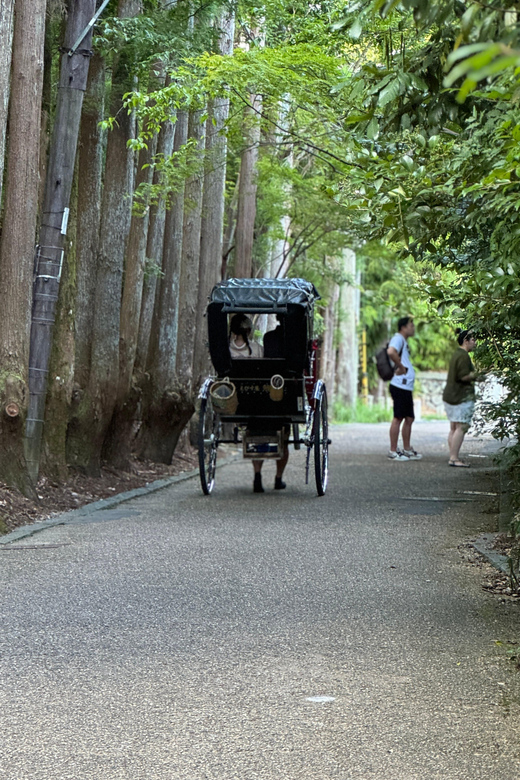
The first “wow” moment is Togetsukyo Bridge, with a quick stop for photos (about five minutes). This is the place people remember: the bridge over the river and the whole Arashiyama rhythm around it.
Then the plan shifts slightly away from pure sightseeing crowds. You’ll take scenic views on the way (around ten minutes), and you also visit the observatory at Arashiyama Park. That observatory matters because it changes your angle. Instead of only seeing Arashiyama from street level, you get a sense of where everything sits—river, bridge, and the temple area spread out in the distance.
If you’re the type who enjoys getting your bearings fast, this sequence helps. Even if you’ve visited Kyoto before, it gives you a quick mental map so the rest of the walk makes sense.
Bamboo Forest Photo Stop: Iconic, But Planned for Real Life
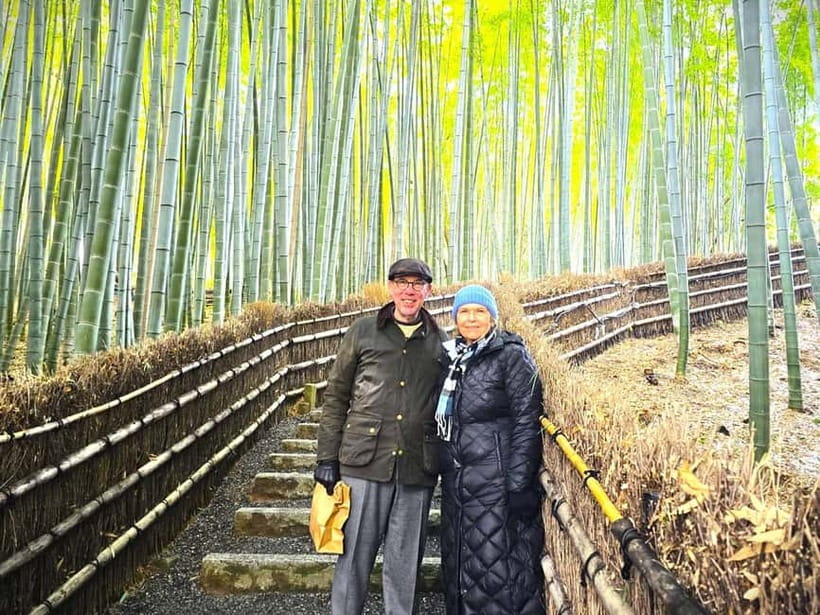
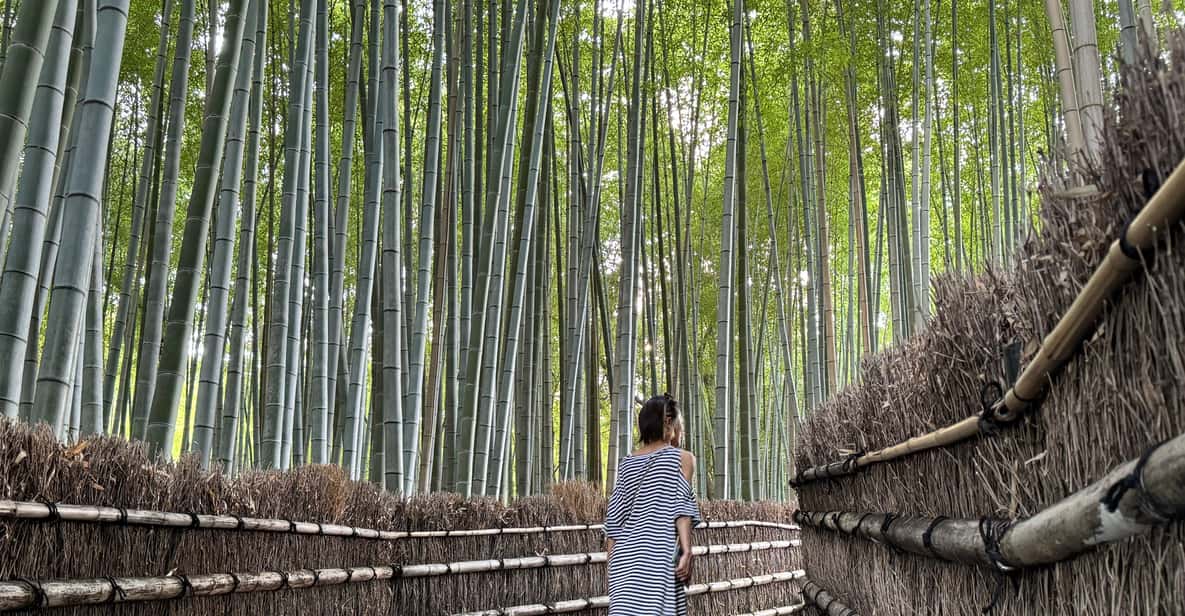
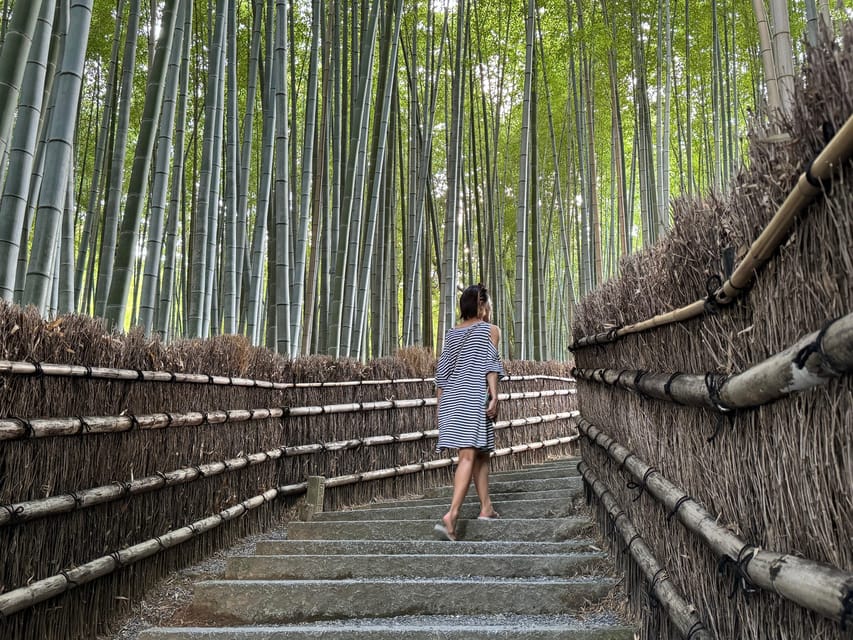
Yes, you’ll see the bamboo forest, and yes, it’s photo-worthy. The difference here is the timing and the way you approach it. You get a dedicated photo stop (about five minutes) and then move on instead of lingering while the area fills up.
You’ll also have the chance to take a picture in front of the bamboo. This is exactly what most people come for, but you’re also not stuck there for half an hour. That keeps the rest of the tour from feeling like an afterthought.
A practical tip: wear shoes you can walk in and bring a camera that handles quick bursts. You’ll want your shot, but you’ll also want to keep moving so the day stays balanced.
Otagi Nenbutsu-ji Temple: 1,200 Whimsical Stone Statues
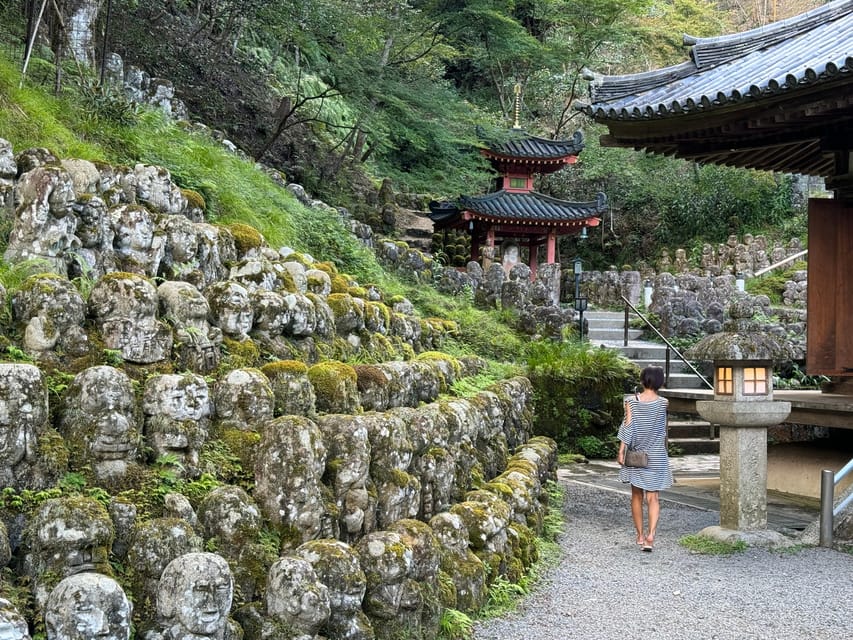
Otagi Nenbutsu-ji is the kind of place where you stop seeing a temple and start seeing characters. You’ll spend about 30 minutes here, and the hook is the collection of roughly 1,200 unique whimsical statues.
These aren’t your typical “serious and symmetrical” stone guardians. The statues have expressive faces and quirky expressions that make the grounds feel almost playful. That contrast is part of why Otagi is so memorable. It’s not just historic—it’s odd, human, and strangely fun.
The value of having a guide becomes obvious in a temple like this. Without context, it’s easy to look at the statues as “cool rocks.” With the guide, you’re more likely to understand how people historically approached these spaces and what the symbolism means in Buddhist practice.
There’s also a built-in benefit for your photos. The statues are spread through the grounds, so you’ll naturally wander a bit rather than standing in one crowded spot. That makes it easier to get angles without feeling like you’re in a line.

Adashino Nenbutsu-ji: 8,000 Stone Images and Pagodas
If Otagi feels whimsical, Adashino Nenbutsu-ji feels like a different chapter. Here you’ll visit Adashino Nenbutsuji Temple with 8,000 stone images and pagodas, and you’ll have about 30 minutes.
The scale is the thing. Eight thousand isn’t a small number, and the effect is cumulative. Instead of one statue you notice and remember, you notice the pattern—how the images repeat across the space and how that repetition changes the mood of the whole area.
This stop is one of the best examples of why a guided walk works. A guide can help you understand what you’re looking at and why these kinds of stone images mattered. With that context, the place stops being a “photo stop” and becomes an experience you carry with you.
If you like temples that are atmospheric and unusual, Adashino is a major reason this tour is worth the price. Admissions to both Otagi and Adashino are included, which also helps you avoid separate ticket hassles later.
Saga Toriimoto Preserved Street: Traditional Houses and Small Shops
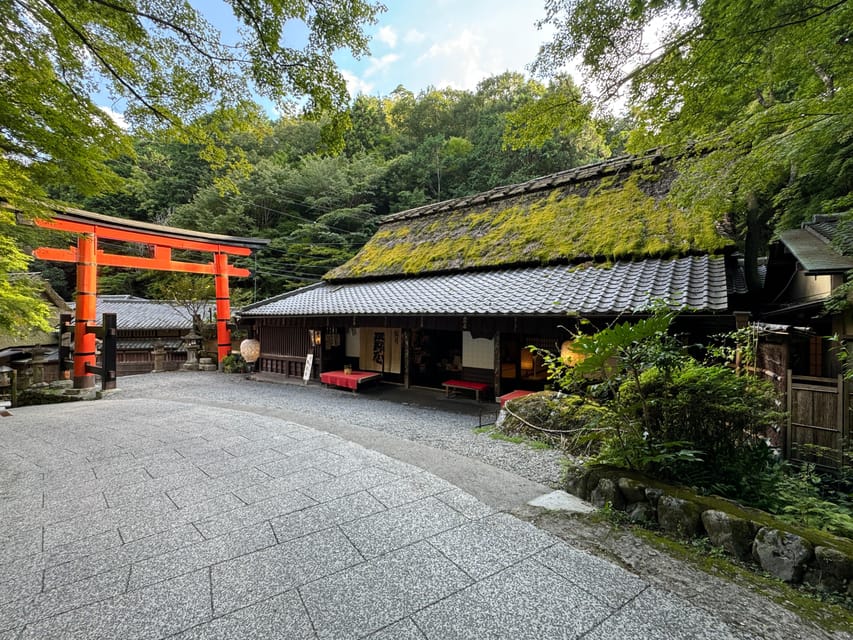
After the temple stops, the tour turns into something gentler: Saga Toriimoto Preserved Street. You’ll get a guided walk (about 30 minutes) through traditional Japanese houses and a street scene that feels lived-in, not staged.
This part is useful even if you’re not planning to shop. A preserved street gives you texture—tiny details about architecture and how neighborhoods historically supported daily life. You also get a reset from temple walking.
The guide can also point you toward small local shops. The ones mentioned here include a cocoon dolls shop and a Washi paper shop. Even if you don’t buy anything, these stops help you understand the craft culture that still exists in Kyoto beyond the big tourist lanes.
A friendly reminder: the shops and street are part of the experience, but the tour doesn’t promise a long shopping spree. If you’re trying to buy gifts, consider doing it with a budget in mind, since food and souvenirs are not included.
Seiryoji Temple and the Okusaga Story Connecting It All
As you move toward Seiryoji Temple, you’ll pass through the streets of Saga Toriimoto first, then finish with Seiryoji (about 15 minutes). This isn’t the longest stop of the day, but it helps round out the visit so you’re not bouncing between only the biggest names.
The key benefit is the narration connecting it all. You’ll learn the history of Okusaga and Arashiyama from your guide while you’re walking. That matters because Arashiyama isn’t just a collection of attractions. It has a story—how people used the area, how religious sites developed there, and how the district became what you see today.
In one of the guide experiences from earlier tours with this operator, you could hear talk that went beyond “what this temple is” and into how Buddhist philosophy and sects shape how people experience these spaces. That kind of explanation tends to land well in places like Seiryoji, where the atmosphere carries part of the meaning even if you’re not fluent in the details.
Price and Value: Why $83 Can Make Sense for This Route
At $83 per person for a 4-hour tour, it’s not a “budget-only” option. But the value comes from what you’re actually getting:
- A local guide for the full route
- Admission included to Otagi Nenbutsu-ji and Adashino Nenbutsuji
- A planned order that balances icons (Togetsu Bridge, bamboo) with deeper temple visits (Otagi and Adashino)
- Time built in for walking and for looking, not just moving through
You don’t get food or drinks included, and souvenirs are also not part of the package. So you’ll need to plan where you’ll eat next. Still, that’s typical for a short sightseeing tour in Japan, and it can be a plus: you keep control over where you stop and what you try.
Given how temple admissions add up, and how much time guides save you when you want to understand what you’re seeing, this price feels reasonable—especially if you’d otherwise have to piece together transit, tickets, and explanations by yourself.
Group Size, Guide Style, and What You Get Out of It
This is offered as private or small groups, and that difference is noticeable. Small groups generally mean you can slow down when you want to look longer, and you’re more likely to get your questions answered.
The reviews attached to this experience highlight that the guides can be warm and easy to talk to. In particular, names like Megumi, Yoshi, Kana, Juraj, Juliette, Shino, and Akino show up in the guide stories, and the common thread is that guests appreciated the cultural context and the chance to ask questions.
One review even mentioned a guide going beyond the route to help with practical logistics like getting a taxi to a curry restaurant called Cocoichi. That’s not guaranteed, but it does signal the kind of support strong guides tend to offer: not just information, but help turning your afternoon into something satisfying.
If you like history, religion, and culture—but you also prefer not to get lost with a guidebook—this kind of small-group commentary is the sweet spot.
Who This Tour Fits Best (and Who Should Skip It)
This tour works especially well if you:
- Want the Arashiyama icons without spending all afternoon in the busiest lanes
- Enjoy temples that are more interesting than “just another gate”
- Like a guide who explains history and cultural context while you walk
- Prefer a short, structured afternoon rather than planning multiple separate stops
It’s not suitable for people with mobility impairments or wheelchair users, since there’s a moderate amount of walking.
Also, if you’re the type who needs a lot of downtime or wants long shopping stops, keep your expectations aligned with a 4-hour schedule. This isn’t a slow meander with stops you can stretch indefinitely. It’s a focused route.
Should You Book This Arashiyama Tour?
I’d book it if you want Arashiyama with less stress and more meaning. The combination is hard to beat: Togetsu Bridge + bamboo photos plus Otagi and Adashino, where the temples actually do the heavy lifting.
If you’ve been feeling tempted by “see the bamboo, take the picture, then leave,” this tour gives you a better payoff. You leave with more variety, and the guide time helps you understand why those places feel the way they do.
If your day in Kyoto is already packed and you’re relying on transit and tickets to keep things moving, this plan can also reduce decision fatigue. Just remember the trade-off: you’ll walk, and you should wear shoes that can handle it.
FAQ
Where does the tour meet?
Meet your guide in front of the ticket gate at Saga Arashiyama Station. The guide will hold a yellow sign with the DeepExperience logo.
How long is the tour?
The tour lasts about 4 hours.
What are the main stops on this route?
You’ll visit Togetsukyo Bridge, Arashiyama Park (observatory area), the bamboo forest photo stop, Otagi Nenbutsu-ji, Adashino Nenbutsu-ji, Saga Toriimoto Preserved Street, and Seiryoji Temple.
What’s included in the price?
A local guide is included, along with admission to Otagi Nenbutsuji Temple and Adashino Nenbutsuji Temple.
Is food or drinks included?
No. Food and drinks are not included, and you’ll want to plan meals on your own.
What languages do the guides speak?
The tour is offered with a live guide in English and Japanese.
Is the tour wheelchair accessible?
No. It is not suitable for wheelchair users or people with mobility impairments.
What should I bring, and what’s not allowed?
Bring comfortable shoes, a camera, and water. Smoking is not allowed.