REVIEW · KYOTO
Kyoto: Japanese Calligraphy Class
Book on GetYourGuide →Operated by MK TRAVEL · Bookable on GetYourGuide
Brush strokes in the heart of Kyoto. This Japanese calligraphy class runs for about 1 hour and starts right in front of Kyoto Station, so it fits neatly into a day of temples and neighborhoods. The best part is that you get guided instruction in English while you learn the basics of ink and brush control.
I especially like that you are not just watching. You’ll write basic characters, then make a scroll you can take home. You also get help shaping your own name and a favorite word into Kanji, with guidance on possible characters and meanings.
One thing to consider: this is a hands-on intro session, not a long, deep practice. If you want hours of repetition, you may wish you’d added another class or studio time.
In This Review
- Key highlights to know before you go
- Entering Kyoto Calligraphy: a calm hour with real craft
- Why the Kyoto Station location matters for your day
- The 1-hour rhythm: lecture, practice, and take-home results
- 1) Getting started: brush and ink basics
- 2) Writing basic characters (and turning it into a scroll)
- 3) Your name and a favorite word in Kanji (with meaning help)
- 4) Making more souvenirs to take home
- What you’ll actually make: scrolls, personal Kanji, and keepsakes
- How the English instruction keeps beginners from feeling lost
- Choosing your name and word: turning letters into meaning
- Supplies you don’t need to shop for
- Price and value: $51 for an art hour with a finished result
- Who this calligraphy class fits best
- Small groups, private options, and a better learning pace
- Should you book this Kyoto Japanese calligraphy class?
- FAQ
- How long is the Japanese calligraphy class in Kyoto?
- Where do I meet for the class?
- Is the instruction available in English?
- What can I take home from the class?
- Do I need prior experience with Japanese calligraphy?
- Will I write my own name during the class?
- Is this class private or in a group?
- How much does the class cost?
- Is the class suitable for young children?
- Can I cancel and get a refund?
- Is there a reserve now and pay later option?
Key highlights to know before you go
- Convenient meeting point by Kyoto Station so you can slot it into a tight itinerary
- English instruction included, helpful if your Japanese is limited
- A take-home Kanji scroll based on the basic characters you learn
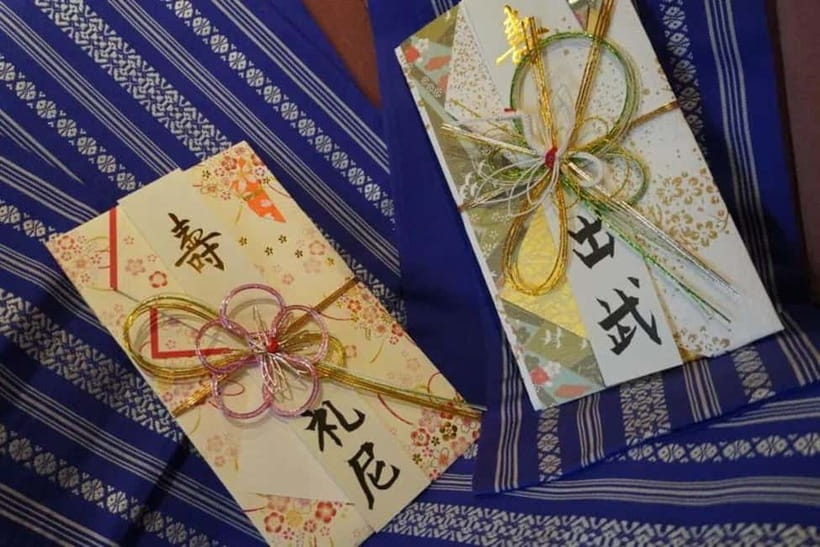
- Your name and favorite word in Kanji with staff support on character choices and meanings
- Supplies provided (brushes, ink, washi-paper) plus souvenirs you make
Entering Kyoto Calligraphy: a calm hour with real craft
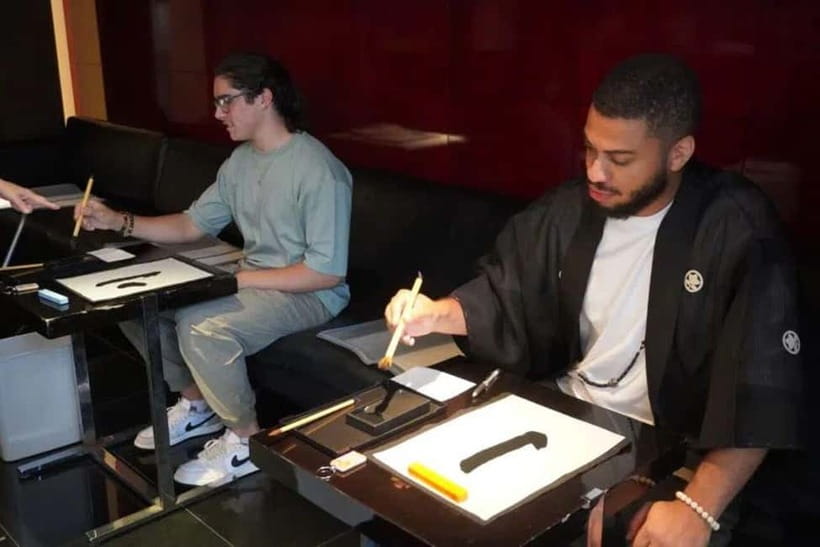
Kyoto is busy in a very specific way: lots to see, lots to rush, lots of people moving in every direction. A calligraphy class is different. You slow down on purpose. You focus on a brush, a line, and the moment the ink settles on washi-paper.
This is the kind of activity that works even if you are a total beginner. The session is structured so you start with simple characters, then build confidence. By the time you’re writing your own Kanji, you’re not guessing blindly—you’re following the strokes and corrections from your instructor.
And yes, this is also a practical souvenir plan. You won’t just buy a postcard and call it culture. You’ll leave with something you made—rolled scroll style, framed pieces, and smaller items depending on what the session includes that day.
You can also read our reviews of more tours and experiences in Kyoto

Why the Kyoto Station location matters for your day
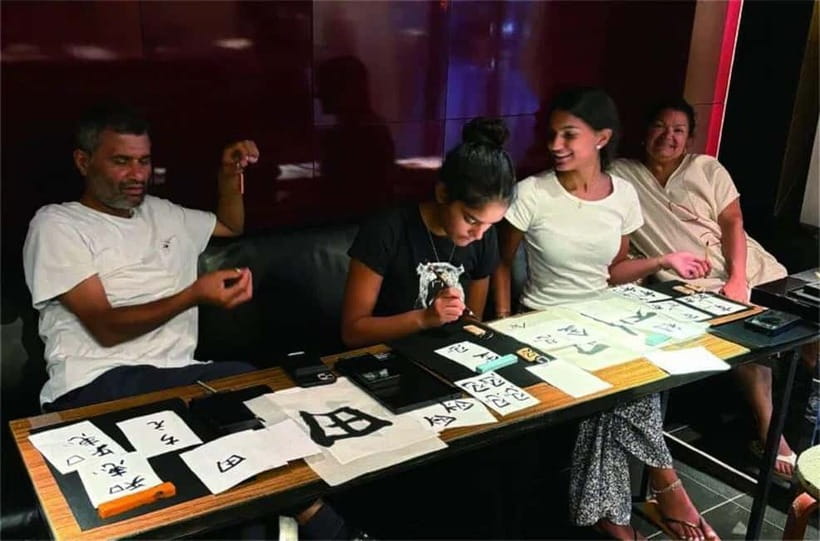
Starting in front of Kyoto Station is a big deal more than it sounds. Kyoto’s transit hubs can eat time, and they can make a tour feel harder than it should. When the class begins near Kyoto Station, you can connect it to sightseeing before or after without a complicated route.
It’s especially helpful if your day is already built around trains or bus lines. Kyoto Station is a natural anchor point. So instead of carving out a whole separate block to reach a distant studio, you keep your schedule flexible.
Also, having the class near a major station often means you’ll feel less disoriented. You can arrive, check in, and get seated without that anxious, what-side-of-the-street-am-I-on feeling.
The 1-hour rhythm: lecture, practice, and take-home results
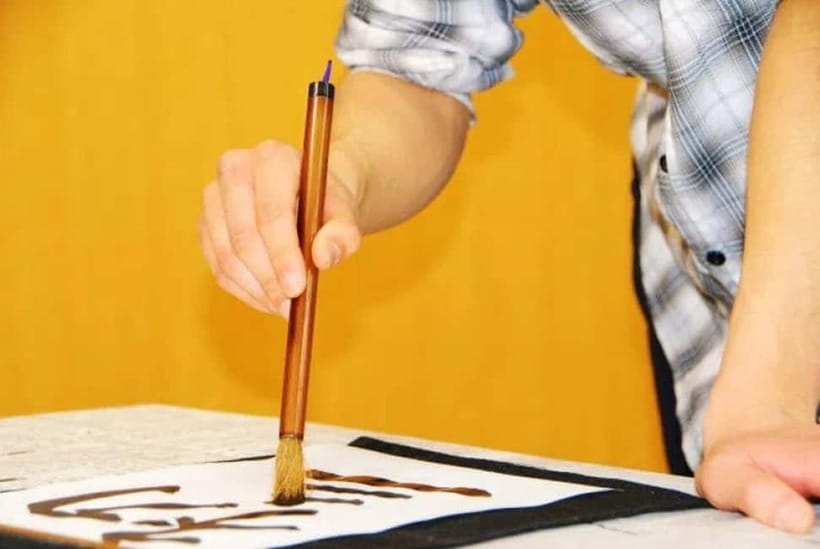
Plan for about an hour of active work. The pace is steady: instruction first, then writing, then customizing your own message, then making extra take-home items.
1) Getting started: brush and ink basics
At the beginning, the staff give you a lecture on how to use a brush and how to apply ink. This is more than a quick demo. It sets you up for the most important part of calligraphy: controlling line weight and stroke direction.
Even if you have never held a brush like this before, the goal is clear. You learn how ink flows, how pressure affects the mark, and how each stroke has a purpose. Then you practice immediately rather than watching from the sidelines.
2) Writing basic characters (and turning it into a scroll)
Next comes the step that makes the class feel like a real craft session: you write basic characters. Your work is then used to create a scroll of the Kanji characters you wrote, which you can take home.
A scroll matters because it changes the way you view what you made. It’s not just paper with letters. It’s a finished object you can display. That alone raises the value of the hour, because you are leaving with something that looks intentional and complete.

3) Your name and a favorite word in Kanji (with meaning help)
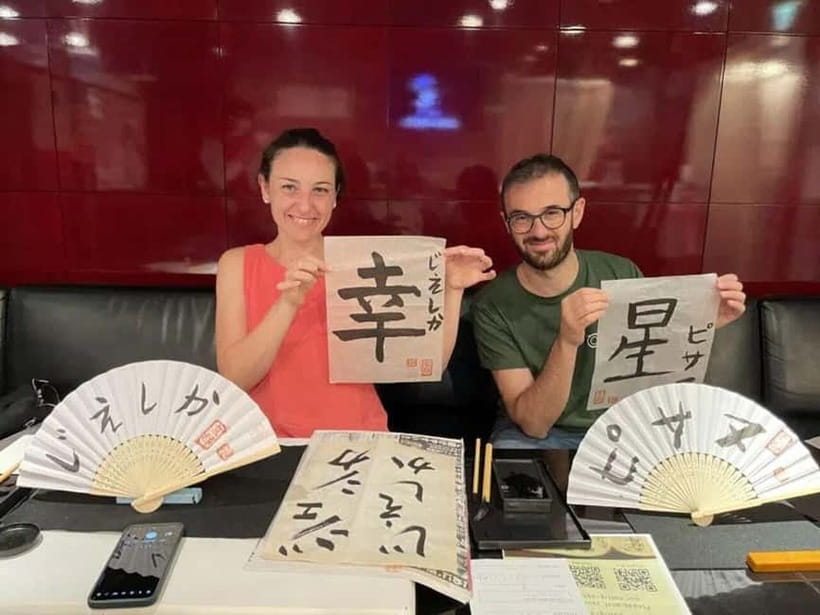
Then you move into the personalized part. You’ll write your own name and a favorite word using Kanji characters plus alphabets.
This is also where the staff help makes a big difference. They assist with possible Kanji characters and their meanings, instead of leaving you stuck with one random option. The class includes examples like:
- Brian → 武礼安 (with 武,礼,安 linked to martial, politeness/gratitude, and peace)
- Liz → 梨図 (梨 as pear, 図 as painting)
That kind of breakdown helps you understand that this is not a one-size-fits-all translation game. Kanji choices often connect sound and meaning. And in this class, the point is that you get support picking characters that make sense.
You can expect guidance on meanings as you work, so your final piece feels like it belongs to you, not just to the course.
4) Making more souvenirs to take home
Finally, you create additional take-home items. The class includes materials and some souvenir items you can keep, such as things like a Japanese fan or picture frame.
Even if you are short on time, this is a good structure. You get a signature achievement (the scroll), then you add extra items that make the experience feel fuller and more worth the price.
What you’ll actually make: scrolls, personal Kanji, and keepsakes
A lot of travel workshops promise memories, but this one is built around finished pieces you can hold and bring home.
Here’s the practical outcome:
- A scroll with the Kanji characters you write during the basics section
- Your personalized calligraphy, using your name and favorite word in Kanji and alphabets
- Additional items you make using provided supplies, with examples including a fan and other small paper crafts
This combination matters. The scroll is your centerpiece. The personalized name/word is your story. The extra items are the everyday reminders—something you can gift or keep where you’ll see it.
If you like activities that produce a tangible result (and not just photos), you’ll likely love the way this is set up.
How the English instruction keeps beginners from feeling lost
Japanese writing can intimidate people fast. Many characters are unfamiliar, and the stroke order feels like a secret code. This class includes an English instructor, and that support changes everything.
In past sessions, instructors such as Rena, Lana, Waka, Yoshia Kobayashi, and Kou have led classes and worked with students step by step. That matters because calligraphy instruction is hands-on. You need corrections, not just general advice.
The teaching style described in participant feedback focuses on patience and encouragement. People specifically noted 1:1 style support for getting strokes right, and an explanation pace that feels comfortable when you’re figuring things out in real time.
So if you’re worried you’ll be embarrassed by mistakes, this type of guided correction is exactly what you want. Calligraphy is unforgiving on perfection, but forgiving on effort—as long as you’re taught what to fix.
Choosing your name and word: turning letters into meaning
The personalized Kanji part is where the class becomes more than craft. You’re translating something personal into a writing system that has meaning baked in.
In class, you can get help selecting possible Kanji and understanding their meanings. That’s not a small bonus. It turns your finished piece into a conversation starter: Why these characters? What do they mean? How did you decide?
It also helps you avoid a common beginner problem. People often assume there is one correct Kanji mapping for a name or word. This class’s approach makes it clear that character selection involves meaning and choice, guided by the staff.
If you pick a favorite word, think about something you actually care about—something that reflects your trip, your personality, or the mood you want to carry home. That makes the final result feel personal, not random.
Supplies you don’t need to shop for
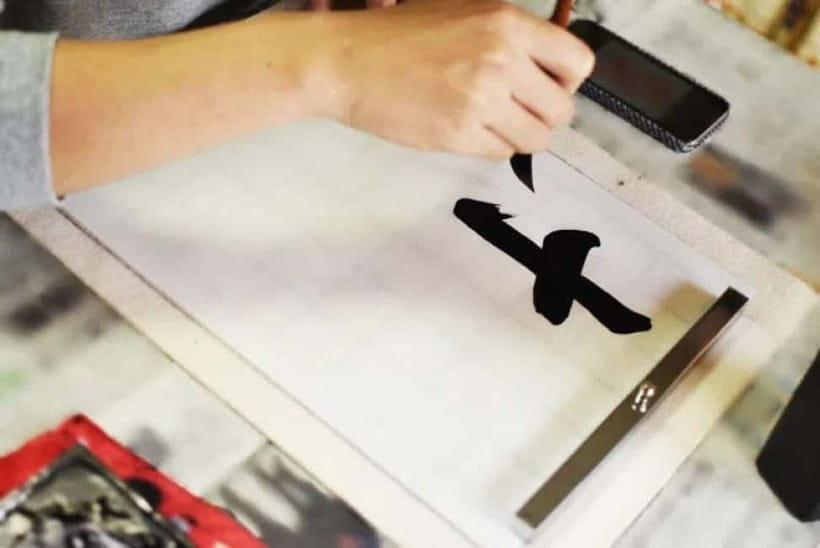
You don’t need to bring tools. The class includes the materials:
- Brushes
- Ink
- Washi-paper
And you’ll work on the items that become your take-home souvenirs.
From a value standpoint, this is important. Many workshops look inexpensive until you realize you’ll pay extra for supplies or for a finished product. Here, you’re already getting everything you need to make the pieces you’re taking home.
You also avoid the awkward post-class problem of what to do with a half-finished craft. You’ll complete items in the hour, so you’re not improvising storage later.
Price and value: $51 for an art hour with a finished result
At $51 per person for about an hour, the price lands in the range of a solid, structured workshop. The value comes from three places:
First, you get real instruction in English and hands-on coaching. That reduces the risk of wasting money on something you struggle to understand.
Second, the class produces take-home outcomes, including a scroll and personalized calligraphy. A workshop that ends with only photos doesn’t hold up long after you return home. Here, you keep the result.
Third, the materials are provided. You’re paying for instruction plus supplies plus finished items, not just seat time.
So if your Kyoto plan includes time for a cultural activity that you can actually bring back, this is one of the more straightforward ways to do it.
Who this calligraphy class fits best
This class is a good match if:
- You want a hands-on break from walking and constant sightseeing
- You like learning something simple and useful, fast
- You want a souvenir with meaning, not just bought items
- You need instruction in English and want a comfortable pace
It may not be the best fit if:
- You want a long, advanced course
- You’re looking for a full multi-hour studio session with deep repetition
Also note the age note: it’s not suitable for children under 5.
Small groups, private options, and a better learning pace
The class offers private or small groups. That affects your experience in a practical way: less waiting, more direct correction, and more time to get your strokes right.
If you’re traveling as a couple, as a family, or with friends, a private or small-group option can help you avoid the feeling of rushing between steps. Calligraphy rewards attention. Having it tailored to your pace is part of why students often rate the experience highly.
Should you book this Kyoto Japanese calligraphy class?
Book it if you want a calm, focused Kyoto activity with a clear payoff. The location near Kyoto Station makes it easy to schedule. The English instruction keeps it beginner-friendly, and the class is built around take-home calligraphy and souvenir items you can actually keep.
Skip it if you already have calligraphy practice and you’re chasing advanced technique for hours. This is an intro experience designed to get you writing and producing finished pieces quickly.
If you’re deciding between another museum hour and a workshop hour, I’d lean toward the workshop. You’ll leave with something personal, made by your own hand, and it will keep reminding you of Kyoto after the photos fade.
FAQ
How long is the Japanese calligraphy class in Kyoto?
The class lasts about 1 hour. The exact time can vary slightly depending on how the activities finish.
Where do I meet for the class?
The class is located in front of Kyoto Station. The exact meeting point may vary depending on the option you booked.
Is the instruction available in English?
Yes. The instructor provides English instruction.
What can I take home from the class?
You can take home what you make, including a scroll with the Kanji characters you wrote. The class also includes souvenir items you create, such as things like a Japanese fan or a picture frame.
Do I need prior experience with Japanese calligraphy?
No prior knowledge is required. The class starts with basic characters and provides assistance as you write.
Will I write my own name during the class?
Yes. You’ll write your name and a favorite word in Kanji characters and alphabets, with staff assistance for possible Kanji and meanings.
Is this class private or in a group?
Private or small groups are available, depending on the option you select.
How much does the class cost?
The price is listed as $51 per person.
Is the class suitable for young children?
It is not suitable for children under 5 years old.
Can I cancel and get a refund?
Yes. Free cancellation is available up to 24 hours in advance for a full refund.
Is there a reserve now and pay later option?
Yes. You can reserve now and pay later to keep your travel plans flexible.