REVIEW · KYOTO
KYOTO: Tour guidato tra i tesori della città (in italiano)
Book on GetYourGuide →Operated by Agenzia Turisti Italiani in Giappone · Bookable on GetYourGuide
Kyoto’s icons come with context fast. In one half-day you’ll cover Kinkaku-ji and the Sagano Bamboo Forest, then move through Kiyomizu-dera and the Gion area with an Italian-speaking guide who’s used to answering your history-and-everyday-life questions. My favorite parts are how clearly the guide connects each site to what Kyoto people built their lives around, and how easy it is to keep up thanks to the Italian narration. The main thing to consider is the pace: you’ll be walking and riding between stops for a short but full program, not a slow stroll.
This is a practical way to see Kyoto’s contrasts: temple grandeur, quieter suburban landscapes, and then old streets where you can spot the cultural rhythm of Maiko and Geiko life (often called Geisya). The tour ends in Pontocho, and you can also choose to leave halfway, which is handy if you want to keep the rest of your day on your own.
In This Review
- Key highlights worth planning around
- A half-day loop through Kyoto’s north and old-city streets
- Kyoto Station meeting point and the rhythm of getting around
- Sagano Bamboo Forest: a guided walk in the Sagano area
- Kinkaku-ji Golden Pagoda: more than a photo stop
- Kyoto Station break time: a real pause before the afternoon
- Kiyomizu-dera and the short steps through Sannenzaka and Ninenzaka
- Gion-kobu area: Maiko and Geiko and the art-work rhythm
- Ending in Pontocho: keep going or call it a day
- Price and what you get for $153
- Who should book this Kyoto treasures tour
- Should you book the Kyoto treasures tour?
- FAQ
- How long is the tour?
- What does the tour cost?
- What is the tour language?
- Where do I meet the guide?
- When does the tour end?
- Is transport included?
- Are entrance fees included?
- Which attractions are included in the itinerary?
- Can I leave the tour early?
- Is the tour wheelchair accessible?
Key highlights worth planning around
- Native Kyoto perspective in Italian: you can ask questions and get straight answers about history and modern daily life
- Sagano Bamboo Forest walking time: a guided visit and walk that gives you time to actually experience it
- Golden Pagoda plus guided meaning: Kinkaku-ji isn’t just a photo stop; it’s explained in detail
- Kiyomizu-dera with hillside lanes nearby: short walk segments (Sannenzaka and Ninenzaka) keep the afternoon flowing
- Gion area and cultural workspaces: learn about Maiko and Geiko places in the area, then finish near Pontocho
- Included transport and entrance fees: you don’t have to budget or plan tickets between monuments
A half-day loop through Kyoto’s north and old-city streets
This tour is designed like a single smart circuit: start at Kyoto Station, head out to the northwest suburbs, then come back toward central Kyoto in the afternoon. Even though it’s sold as a 1-day experience, the actual sightseeing block is half a day, with a proper break built in.
You’ll see Kyoto at two speeds. The morning focuses on major landmarks such as Sagano and Kinkaku-ji, plus the feel of preserved areas tied to aristocrats and court life in the past. The afternoon shifts to Kyoto’s famously atmospheric temple district and the older streets around Kiyomizu-dera, then lands in the Gion area.
Because it ends in Pontocho, it’s also a great setup if you want to keep exploring after the guide turns you loose. And if you don’t feel like doing the full afternoon, you can leave halfway and still have a smooth path back into the city.
You can also read our reviews of more tours and experiences in Kyoto.



Kyoto Station meeting point and the rhythm of getting around
The meeting point is very specific, and that matters. You’ll gather in the space between two escalators in front of the taxi terminal area (not bus), east of the central entrance to the north of Kyoto Station. From there, you can see Kyoto Tower toward the upper left.
The itinerary moves by a mix of train, bus/coach, and metro/subway. Expect several short rides (most around 15–20 minutes) plus a few guided walking segments. The overall rhythm is: travel → guided stop → travel → guided stop → travel break → guided afternoon walk-and-sightseeing.
Why I like this structure for you: when you’re in Kyoto for the first time, the hardest part is not the sites—it’s knowing how to connect them without wasting time. This plan handles the movement for you, and it includes entrance fees along the way, so your mental load stays low.
Sagano Bamboo Forest: a guided walk in the Sagano area
Your morning begins with Sagano Bamboo Forest, with about 1 hour for a guided visit and walk. This is where the tour slows down just enough for you to experience the area, not just pass through it.
What the guide adds is the “why” behind what you’re seeing. The focus isn’t only on the scenery; it’s on how Kyoto’s preserved environments connect to historical life. You’ll also get a chance to ask questions about the city’s historical capital role and how it relates to the kind of lifestyle that shaped the area.
A practical note: bamboo walks tend to feel cooler and quieter than nearby streets, but you’re still outdoors and moving at a steady pace. Wear comfortable shoes and plan to keep your energy for the rest of the day, because the program continues right after.
Kinkaku-ji Golden Pagoda: more than a photo stop
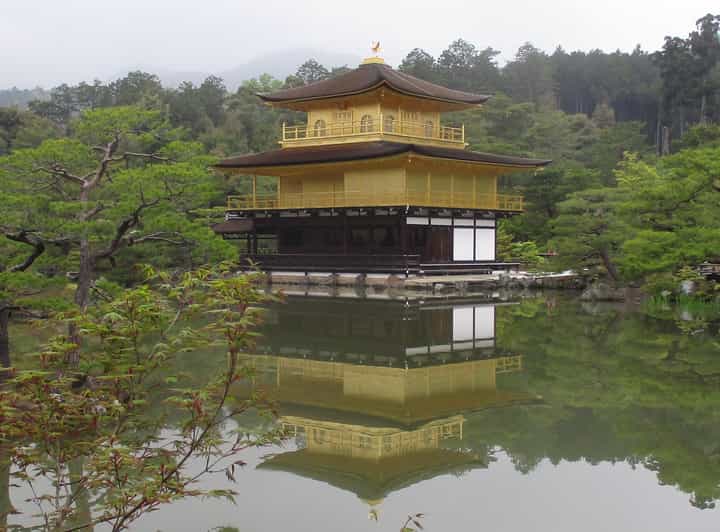
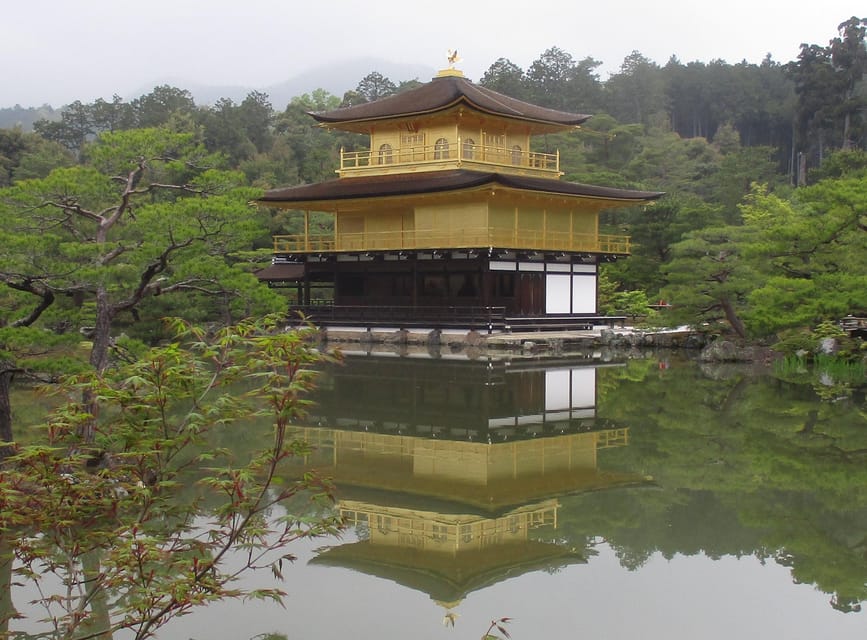
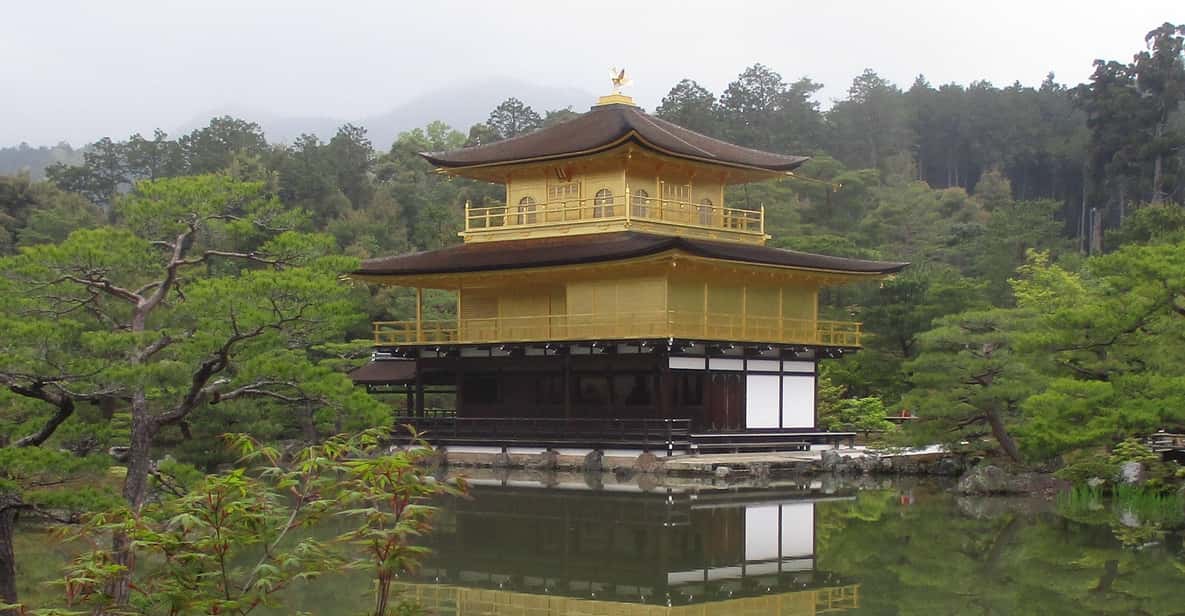
Next up is Kinkaku-ji (the Golden Pagoda), with around 1 hour for a guided visit and sightseeing. This is one of those Kyoto sights where explanations make a big difference. A guide can help you see how the building fits into Kyoto’s cultural and natural environment, and why the place matters beyond its iconic look.
The tour description emphasizes that the guide connects history to daily life—so you’re not just learning dates. You’re getting the background that helps you understand why people associated the kind of refined life found in Kyoto with preserved spaces and carefully maintained traditions.
Because there’s a solid block of time here, you can look around and take photos without feeling rushed the moment you arrive. That alone is a quality-of-life win in Kyoto.
Kyoto Station break time: a real pause before the afternoon
After Kinkaku-ji, the itinerary brings you back toward Kyoto Station with a 1 hour break time. This is more than a scheduling gap. It’s the moment to reset—grab a snack, use the restroom, and reorganize your thoughts before the afternoon’s temple and neighborhood walking.
This break is also your built-in flexibility. The tour ends in Pontocho, but you’re free to leave it halfway. Practically, that long break is when you can decide whether you want to continue through the full afternoon program or call it a day.
If you’re planning other activities later, treat this hour like your hinge point. You can also use it to re-check your route choices for the second half, especially if you’re pairing the tour with extra self-guided exploring.

Kiyomizu-dera and the short steps through Sannenzaka and Ninenzaka
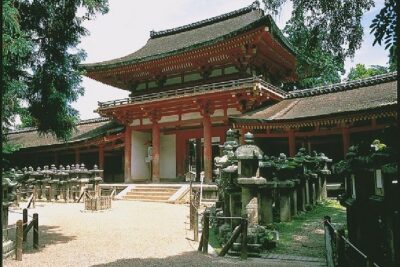
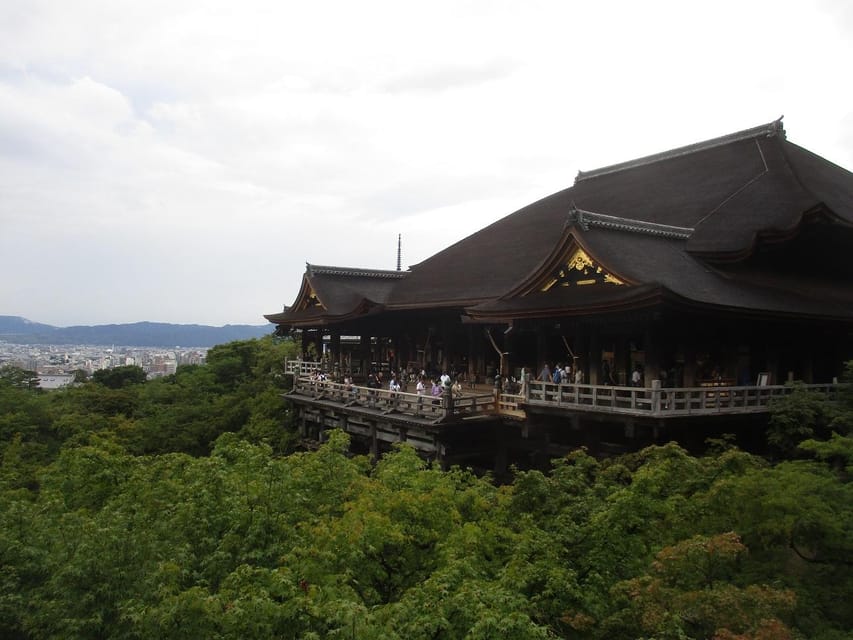
In the afternoon, you head to Kiyomizu-dera, with about 1 hour for guided sightseeing. This stop is central to Kyoto’s temple culture, and the guide’s job here is to translate what you’re seeing into something understandable: what the site represents and how it fits into the story of the old capital.
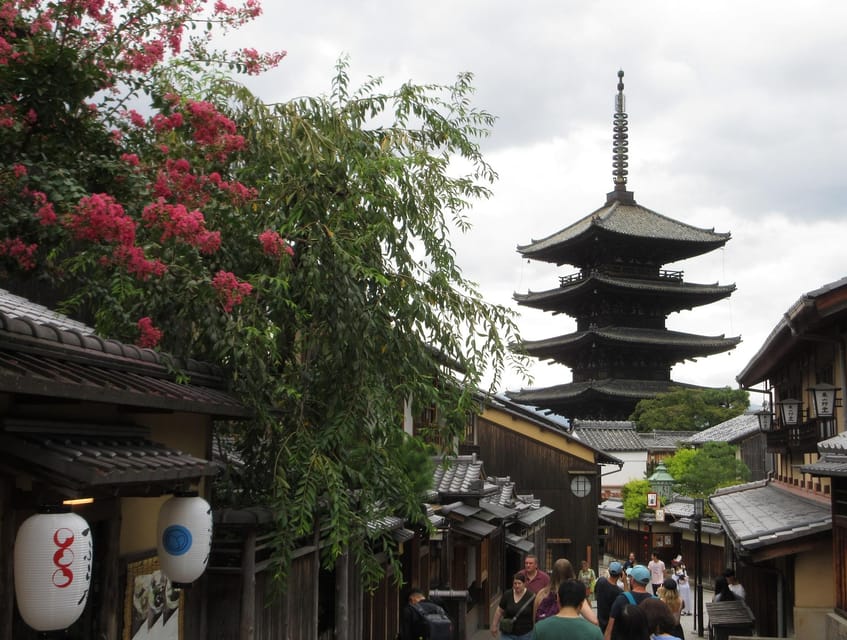
Right after, you move into the nearby lanes around Sannenzaka and Ninenzaka. The itinerary includes guided time and short on-foot segments—so you get that transition from temple space to everyday street atmosphere.
Why this pairing works: Kiyomizu-dera gives you the ceremonial side of Kyoto, and Sannenzaka/Ninenzaka let you experience how that culture sits next to normal walking life. Even if you only have a limited number of hours, these short street stretches help you feel the texture of the area.
Keep your expectations realistic: the tour doesn’t pretend these are long, wandering hours. It’s a half-day format, so the streets here are about motion and orientation, not a drawn-out neighborhood exploration.
Gion-kobu area: Maiko and Geiko and the art-work rhythm
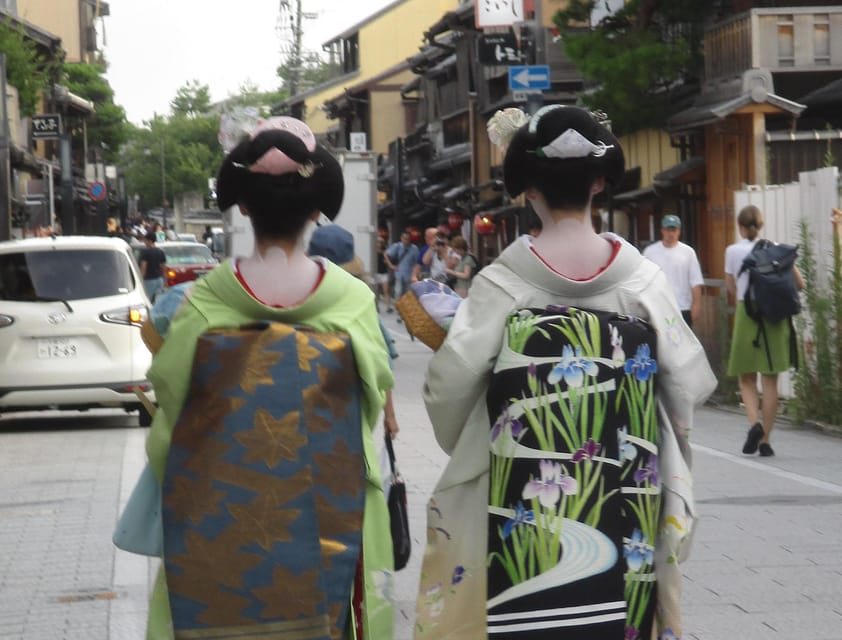
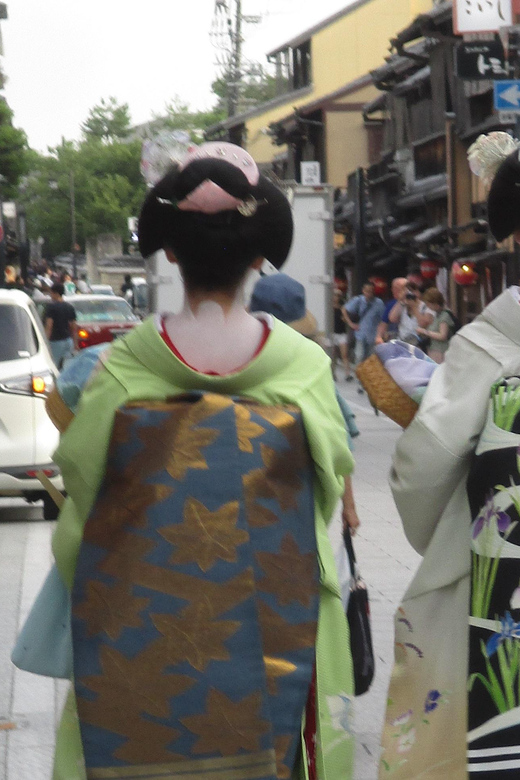
The tour then goes into the Gion area, including a guided visit of about 30 minutes plus short walks. This is where the itinerary connects directly to living tradition. The Gion-kobu area is described as the workplace of professional artists Maiko and Geiko—often referred to as Geisya—so your guide can help you understand what you’re seeing in context.
If you’ve only ever treated Gion as a movie-set style neighborhood, this kind of explanation helps you see the deeper function of the area. It’s not just about old streets; it’s tied to a working cultural community. The guide’s Italian narration is especially useful here because you’ll likely have questions as you walk—about what those roles mean and how the old capital still shapes life today.
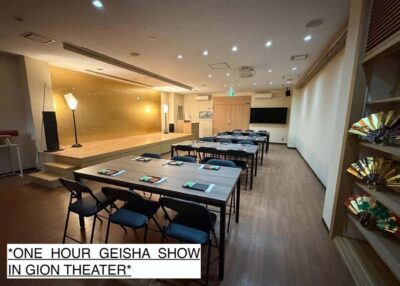
The itinerary also includes Kyōto Minami-za for a very short guided sightseeing stop (about 3 minutes). Even if it’s brief, it’s a nice nudge toward Kyoto’s performing arts side, right there in the same central pocket.
Ending in Pontocho: keep going or call it a day
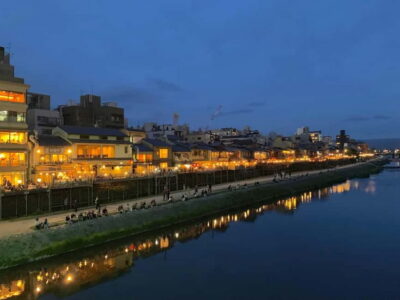
The tour finishes in Pontocho. That’s a smart end point because Pontocho is where many people naturally drift after the main sightseeing block—good for a final walk, a food stop, or simply lingering while the afternoon light changes.
You also have freedom built in: the tour ends in Pontocho, but you can leave halfway earlier. That makes this option flexible if your interests are strongest in the morning temples or if you’d rather spend your afternoon doing something different.
For you, the best use of the finish is to choose one goal. Either plan a calm meal in the Pontocho area after the guide leaves, or use it as your anchor point to head elsewhere on foot or by transit.
Price and what you get for $153
At $153 per person, this is not the cheapest way to see Kyoto. But it’s also not overpriced for what’s included.
Here’s the value math in plain terms:
- You’re paying for a live Italian-speaking guide, which is the biggest quality-of-life difference. Clear explanations turn Kyoto landmarks into something you actually remember.
- Transport and entrance fees to the visited monuments are included. That matters because Kyoto’s top sites are scattered, and ticket lines and transit planning can add cost and stress fast.
- The itinerary covers multiple major stops in a compressed half-day structure: Sagano Bamboo Forest, Kinkaku-ji, Kiyomizu-dera, and Gion, plus nearby old-street segments like Sannenzaka and Ninenzaka.
For first-time visitors, the guide-driven context is the real bargain. If you were to do these alone, you’d likely spend time piecing together the order, timing, and what to look for at each stop. Here, the tour handles the sequence and gives you enough explanation to connect the places to the bigger story of Kyoto.
The one trade-off is that it’s not an all-day wandering plan. If you want slow, flexible pacing at every site, you might feel the schedule. But if you want high-impact coverage with a native Kyoto guide, the price starts to look fair.
Who should book this Kyoto treasures tour
This tour is a strong fit if:
- You want Italian guidance and lots of chances to ask questions about Kyoto’s historical capital role and what shaped daily life.
- You like the idea of seeing the Golden Pagoda and the Bamboo Forest as more than photo backdrops.
- You’re short on time and want a half-day itinerary that still covers major Kyoto neighborhoods.
It may not be ideal if:
- You hate walking between stops or you need long free time at each attraction.
- You want a totally self-paced day with zero structure. This tour gives you structure, transport planning, and a set set of sights.
Also, it’s listed as wheelchair accessible, which is a meaningful plus for travelers who need that consideration.
Should you book the Kyoto treasures tour?
If you’re choosing between random ticket buying and a guided plan, I’d lean toward booking this one—especially if Italian guidance matters to you. The best reason is the guide style described in the experience feedback: clear explanations, stories connected to the specific place, and a friendly approach that makes questions easy.
It’s also a smart buy for the format. You get major landmarks, old street atmosphere, and a finish in Pontocho that keeps your options open.
My practical advice: book it if you want Kyoto context without spending your time figuring out logistics. Skip it if you’d rather control every hour yourself and you’re comfortable planning transport and entrances on your own.
FAQ
How long is the tour?
It lasts about half a day within the overall 1-day experience duration, and it starts at Kyoto Station and follows an itinerary that returns you toward central Kyoto before finishing in Pontocho.
What does the tour cost?
The price is $153 per person.
What is the tour language?
The tour is guided in Italian by an Italian-speaking guide.
Where do I meet the guide?
Meet at Kyoto Station, North Entrance (Karasuma-guchi), specifically in the space between the two escalators in front of the taxi terminal, located to the east just outside the central entrance to the north of Kyoto Station.
When does the tour end?
The tour ends in Pontocho.
Is transport included?
Yes. All transportation used during the itinerary is included.
Are entrance fees included?
Yes. Entrance fees to the monuments visited during the itinerary are included.
Which attractions are included in the itinerary?
You’ll visit Sagano Bamboo Forest, Kinkaku-ji (Golden Pagoda), Kiyomizu-dera, Sannenzaka, Ninenzaka, the Gion area (including the Gion-kobu area), and a short stop at Kyōto Minami-za.
Can I leave the tour early?
Yes. The tour ends in Pontocho, but you are free to leave it halfway.
Is the tour wheelchair accessible?
Yes, it’s listed as wheelchair accessible.