Kyoto can be quiet if you plan. This private car tour is built for that exact mood: Arashiyama Bamboo Forest without the worst crowd flow, then a string of forest temples and shrines where silence is part of the experience, not an accident. I like the pacing because it feels like a journey through Kyoto’s quieter spiritual zones, not a check-the-box sprint.
What I like even more is the guide setup. You’re in a private group with a dedicated driver/guide, and that changes how you experience these sites—especially once you leave the main tourist routes behind. One thing to consider: not all temple/shrine admission fees are included, so you’ll want to budget about $6.50 per person on top of the $95 tour price.
In This Review
- Key things you’ll notice right away
- From Kyoto Station to a calmer day: why this tour works
- Arashiyama Bamboo Forest: iconic, but kinder when you arrive the right way
- Otagi Nenbutsu-ji: the power of 1,000 stone faces
- Kuzu Shrine: free, quiet, and respected by locals
- Keihokushuzancho: Kyoto’s last untouched sacred place in the mountains
- The value of a private car tour in Kyoto (and why it’s not just comfort)
- Price check: what $95 actually covers, and what you should expect to pay extra
- How to dress and act so the quiet stops land well
- Who this private escape tour fits best
- Should you book this Kyoto private escape tour?
- FAQ
- Where is the meeting point for the tour?
- How long is the tour?
- Is pickup included?
- What does the $95 per person price include?
- Are temple and shrine entrance fees included in the price?
- Which stops are part of the tour?
- Is this a private tour?
- What is the cancellation policy?
- What happens if the weather is poor?
Key things you’ll notice right away
- Arashiyama Bamboo Forest, reached by car to reduce the crowd crunch
- Otagi Nenbutsu-ji Temple’s 1,000+ stone statues you can compare with yourself
- Kuzu Shrine with a main hall listed as a Registered Tangible Cultural Property
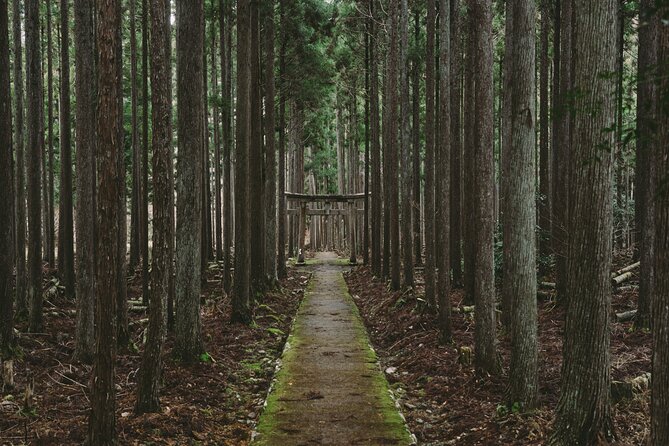
- Keihokushuzancho in the mountains, reachable only by car and described as Kyoto’s last untouched sacred place
- A private ride with fuel and parking handled, so you spend less time coordinating and more time arriving calmly
From Kyoto Station to a calmer day: why this tour works
Most Kyoto days start with a problem: you walk into crowds, then spend energy dodging elbows. This tour starts by flipping the equation. You meet at Kyoto Station and then use a private car to reach the Kyoto you actually came for—temples and shrines that feel removed from the city’s noise.
The plan is also built around a simple idea: short time, strong atmosphere. You’re out for about 2 to 4 hours, so you won’t drain your day on transit. Instead, you’ll spend your energy on places that are famous for quiet, shade, and the kind of stillness that makes your brain slow down.
Price-wise, it’s $95 per person with private transportation, fuel surcharge, and parking fees included. That doesn’t mean it’s “cheap.” It means you’re paying for convenience and access—especially the car-only reaches, and the less-rushed route choices that are hard to replicate on your own in a limited window.
You can also read our reviews of more private tours in Kyoto
Arashiyama Bamboo Forest: iconic, but kinder when you arrive the right way
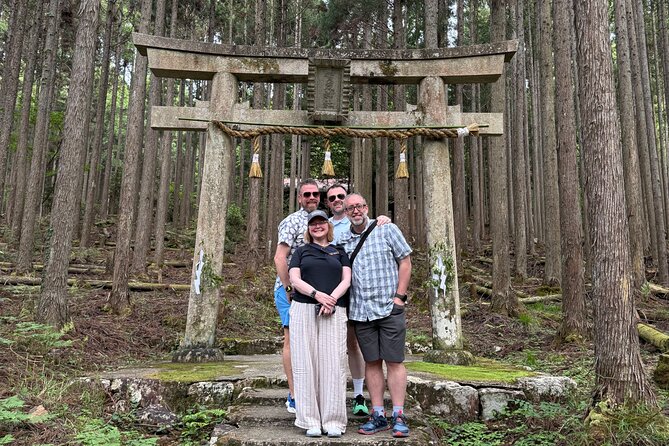
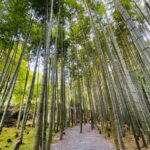
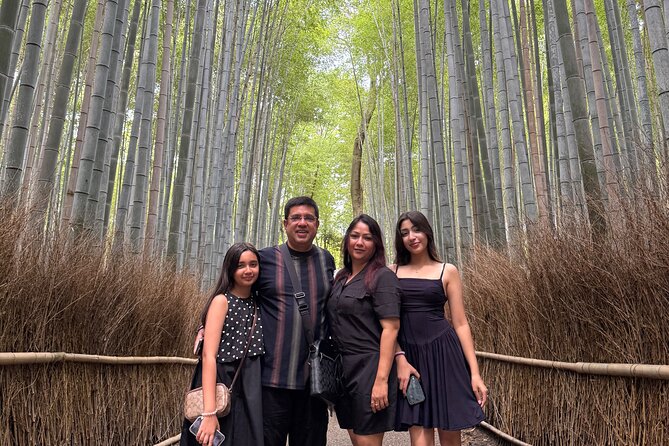
Arashiyama is one of Kyoto’s headline attractions, and the bamboo forest is the part people dream about. The twist here is not that bamboo exists—it’s that you walk it in a calmer way. The tour begins at the Arashiyama Bamboo Forest, but you drive to a less crowded area deeper in the grove, so you’re not just joining the strongest wave of foot traffic.
Expect a shaded, green tunnel effect as you move between towering stalks. Even in a short visit, the bamboo can do something strange to your sense of time: you start looking up less, then noticing details—light filtering through, the texture of leaves, the way sound changes under the canopy. With a planned start at 30 minutes, you’ll get the “wow” without turning it into a long slog.
Possible drawback: bamboo photography can turn into a distraction. If you go in expecting perfect, uninterrupted shots, you might get annoyed by people moving through the same narrow paths. I’d treat it like a walking meditation: keep your camera ready, but don’t let it steal the moment.
Otagi Nenbutsu-ji: the power of 1,000 stone faces
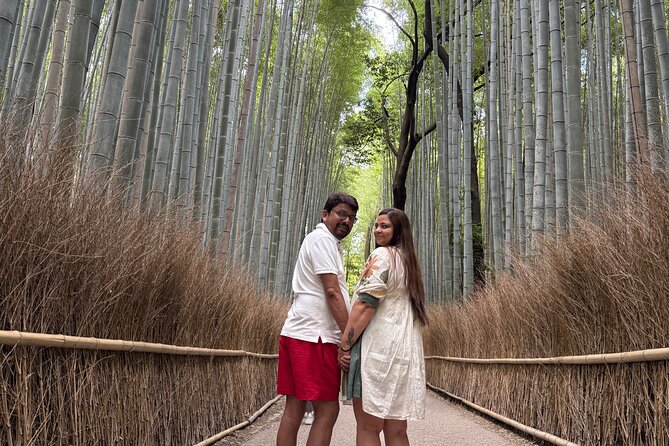
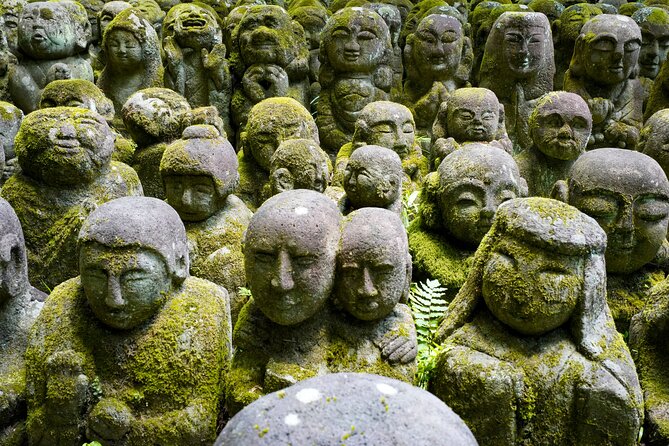
Next comes Otagi Nenbutsu-ji Temple for about 40 minutes. This stop has a totally different feel from bamboo. Instead of living plants and filtered light, you’re looking at stone. Otagi Nenbutsu-ji is known for over 1,000 expressive stone statues, many posed as seated figures with distinct faces.
Here’s a practical way to enjoy it: slow down and pick a few statues to study. Many people like the playful exercise of finding one that resembles them. Even if you don’t take it too seriously, it helps you connect with the place instead of just taking quick glances.
Admission at this stop is not included, so you’ll likely add the overall temple/shrine fee you’re carrying for the day. Since you’ve only got about 40 minutes, I’d focus on quality viewing rather than trying to see everything in a single pass—especially in shaded areas where the light changes and your eyes need a second to adjust.
Kuzu Shrine: free, quiet, and respected by locals
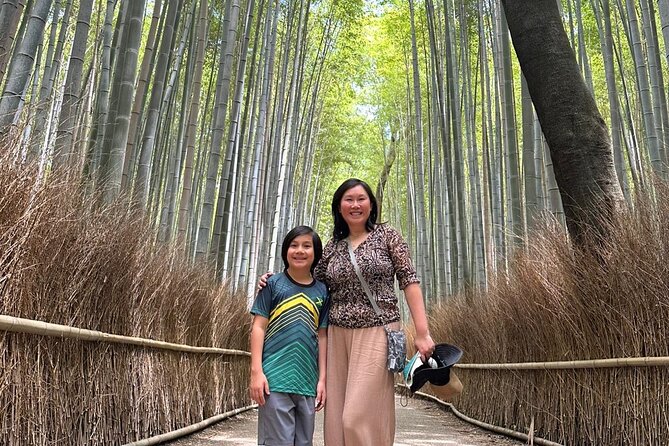
After that, the tour shifts into “forest hush” mode at Kuzu Shrine. You’ll spend about 30 minutes here, and the admission is free.
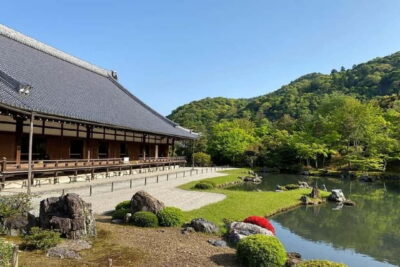
What makes Kuzu Shrine compelling is the setting and the reputation. It’s tucked deep in the forest, far from the usual tourist paths. The main hall is described as a Registered Tangible Cultural Property, which hints that this is not a modern shrine staged for crowds. It’s also treated as a locals’ spiritual power spot, where the atmosphere feels more like a pause than a performance.
When you visit a place like this, your job is simple: don’t rush. Keep your voice down, give yourself a few quiet minutes before moving on, and let the stillness do the work. You’re paying for that kind of atmosphere through the route choices and timing.
Possible consideration: because this stop is quiet, it’s not the best fit if you’re expecting constant explanations or lots of lively visuals. The value is the calm. If that’s your goal, you’ll likely feel rewarded.
Keihokushuzancho: Kyoto’s last untouched sacred place in the mountains
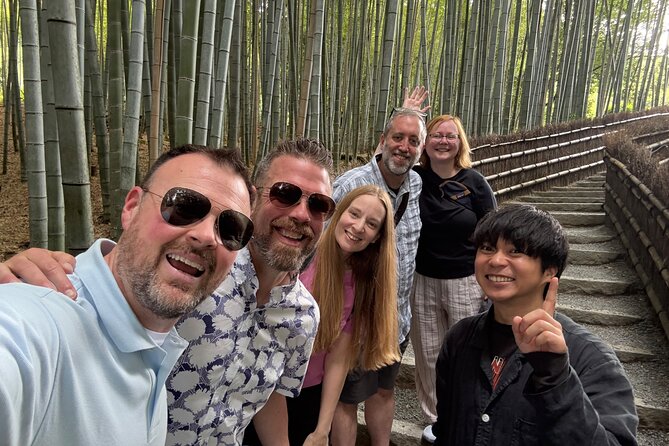
The most “other world” feeling part of the tour is the mountain stop: Keihokushuzancho. This is one of those places that only makes sense by car. It lies deep in the mountains beyond Kyoto’s urban edge and is described as Kyoto’s last untouched sacred place, even not fully marked on maps.
Time here is around 30 minutes, and it’s free. You’ll walk through a moss-and-tree atmosphere that makes the whole experience feel removed from the modern city rhythm. This is also the stop tied to the tour’s “name kept secret” approach: the experience is presented in a way that the mountain shrine’s identity isn’t emphasized in advance. The point is to arrive without expectation and let the setting hit first.
Why that matters: when you know too much in advance, you start performing curiosity instead of having actual curiosity. Arriving with the emphasis on silence helps you notice how the mountain air feels different, how sound carries, and how your pace naturally slows.
Practical drawback to keep in mind: mountain weather can be unpredictable. Good weather matters. If conditions are poor, the tour may be adjusted (or the date changed), because outdoor forest walking is the whole point.
The value of a private car tour in Kyoto (and why it’s not just comfort)
Kyoto is famous for great transit, but getting a “quiet day” often requires control. This tour gives you that control in two ways.
First, you’re driving into areas that are hard to reach efficiently on your own—especially the mountain stop that’s only accessible by car. Second, you avoid the most common Kyoto issue: spending energy navigating crowds and transit connections instead of appreciating what’s right in front of you.
Also, the tour includes parking fees and a fuel surcharge, which sounds minor until you try to self-plan. In practice, it means you don’t have to waste time thinking about where to park, how long it’ll take, or whether your plan will fall apart when you arrive late.
If you’re doing Kyoto with limited time, this is where the private format can feel like a smart trade. You give up the freedom to wander randomly. In exchange, you get a focused route that aims for calm and spiritual atmosphere instead of “see everything, feel tired.”
Price check: what $95 actually covers, and what you should expect to pay extra
At $95 per person, this is positioned as a short private experience with real logistics handled. Included are private transportation, fuel surcharge, and parking fees.
Not included is the reality of shrine life: entrance fees to temples and shrines, listed as about $6.50 per person. Some stops are free (like Kuzu Shrine and Keihokushuzancho), but at least one paid temple stop is part of the day (Otagi Nenbutsu-ji).
So how do you judge value? For me, the value comes from two places:
- You’re paying for route choices that prioritize quieter access (like a less-crowded bamboo forest entry).
- You’re paying for car-only reach and less dead time.
If you’re traveling with a small group and you’d otherwise spend time trying to coordinate trains, taxis, and timed entry logistics, this price can start looking fair. If you’re traveling solo and you’re only after the most famous sites, you might find cheaper options. But if your goal is quiet, this setup is built for it.
One extra perk: there’s an early-bird offer showing 40% off for early guests, which can make this feel like an easy “yes” if your schedule matches.
How to dress and act so the quiet stops land well
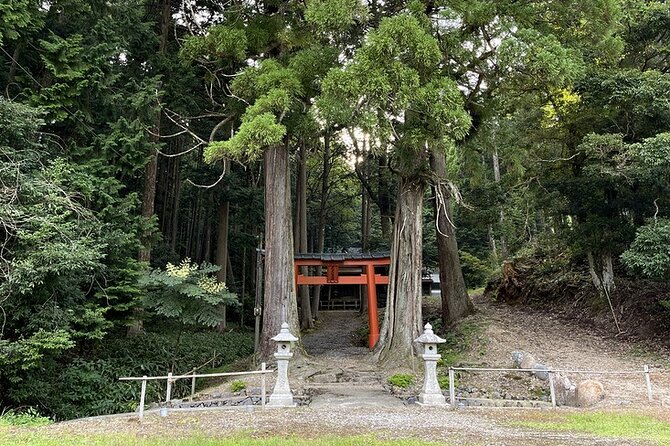
This kind of Kyoto day rewards good preparation. You’re walking shaded paths and spending time in forest and temple environments where the whole mood is calm.
Here’s what I’d do:
- Wear comfortable walking shoes. Forest areas can be uneven, and you’re moving between multiple outdoor-feeling stops.
- Keep your voice low inside temple areas. You don’t have to be rigid, just mindful.
- Bring a small layer. Even in warm months, shaded areas and mountain air can feel cooler.
- If you like photos, treat them as brief moments, not the main activity.
And one more smart move: before each stop, take 30 seconds to set your mindset. This day is “quiet mode.” If you go in still thinking about your next train, you’ll miss the point.
Who this private escape tour fits best
This tour is a strong match if you want Kyoto with fewer crowds and more spiritual atmosphere. It also works well if you like structured sightseeing but don’t want to spend every minute hustling.
You’ll probably enjoy it most if:
- You’re drawn to shrines and temples rather than shopping streets.
- You prefer an organized route with a car, especially for the mountain stop.
- You want a shorter day (around 2 to 4 hours) that leaves room for your own Kyoto plans afterward.
It’s less ideal if you need long stays, lots of free time, or you’re hoping for an agenda packed with dozens of attractions. This is a tight, intentional loop through quiet places.
Should you book this Kyoto private escape tour?
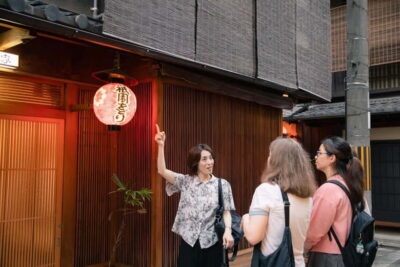
If your ideal Kyoto day is shade, silence, and a few standout spiritual stops, yes, it’s worth considering. The private car format isn’t just a comfort upgrade—it’s the tool that gets you to the quieter angles of Arashiyama and makes the mountain shrine experience possible.
Book it if you:
- Want to reduce crowd stress right away.
- Care about atmosphere, not just famous landmarks.
- Can pay the small extra admission fee (about $6.50 per person) and are okay with a short time at each site.
Consider passing if you’re chasing a full-day museum-and-market hit list or you’re not flexible with weather. This experience is designed for good conditions, and the quiet depends on them.
If you’re aiming for Kyoto that feels like a real retreat, this tour has the right ingredients.
FAQ
Where is the meeting point for the tour?
The tour starts at Kyoto Station, at Higashishiokoji Kamadonocho, Shimogyo Ward, Kyoto, 600-8216, Japan.
How long is the tour?
It runs for about 2 to 4 hours.
Is pickup included?
Pickup is offered.
What does the $95 per person price include?
It includes private transportation, fuel surcharge, and parking fees.
Are temple and shrine entrance fees included in the price?
No. Admission fees to temples and shrines are listed as about $6.50 per person.
Which stops are part of the tour?
The tour includes Arashiyama Bamboo Forest, Otagi Nenbutsu-ji Temple, Kuzu Shrine, and Keihokushuzancho.
Is this a private tour?
Yes. It’s private, and only your group participates.
What is the cancellation policy?
Free cancellation is available. You can cancel up to 24 hours in advance for a full refund.
What happens if the weather is poor?
This experience requires good weather. If it’s canceled due to poor weather, you’ll be offered a different date or a full refund.