Kyoto is best when you slow down. This guided day stitches together the Gion streetscape and Kyoto’s major shrine-and-temple rhythm, so you know where to look and why each place matters. I especially like the mix of iconic sights (like Kiyomizu-dera) with quieter moments (like Entoku-in), and I like that the walk feels guided rather than rushed.
One thing to plan for: it’s a long day of walking and standing. If you’re sensitive to crowds around popular areas, start the day with comfortable shoes and a relaxed pace mindset.
In This Review
- Key things I think you’ll care about
- Meeting at Izumo no Okuni and getting oriented fast
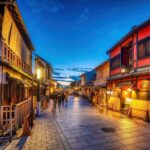
- Gion Shirakawa and Hanamikoji: the streets where Kyoto still breathes
- Yasaka Shrine: a Shinto stop that sets the tone
- Kodaiji Temple and Entoku-in: big presence, quieter follow-up
- Lunch break in Gion: fuel up without losing momentum
- Kiyomizu-dera: UNESCO views and the kind of architecture you feel
- Yasaka Koushindo wishes balls: a playful cultural moment
- Yasui Kompira-gū: blessings for habits and relationships
- Price and time: is $102 good value for a 7.5-hour day?
- Who should book this Kyoto walking day
- Notes on your guide (and why flexibility matters)
- Should you book this Kyoto Gion Highlights and Hidden Treasures tour?
- FAQ
- How long is the Kyoto Gion highlights and hidden treasures guided tour?
- Where is the meeting point?
- What’s included in the price?
- Is lunch included?
- What languages are the guides?
- Is this tour private or small group?
- Can I cancel after booking?
Key things I think you’ll care about
- Gion Shirakawa Street + Hanamikoji Street: classic teahouse lanes, with an easy feel for where scenes change.
- Yasaka Shrine: a clear introduction to the Shinto tone of this part of Kyoto.
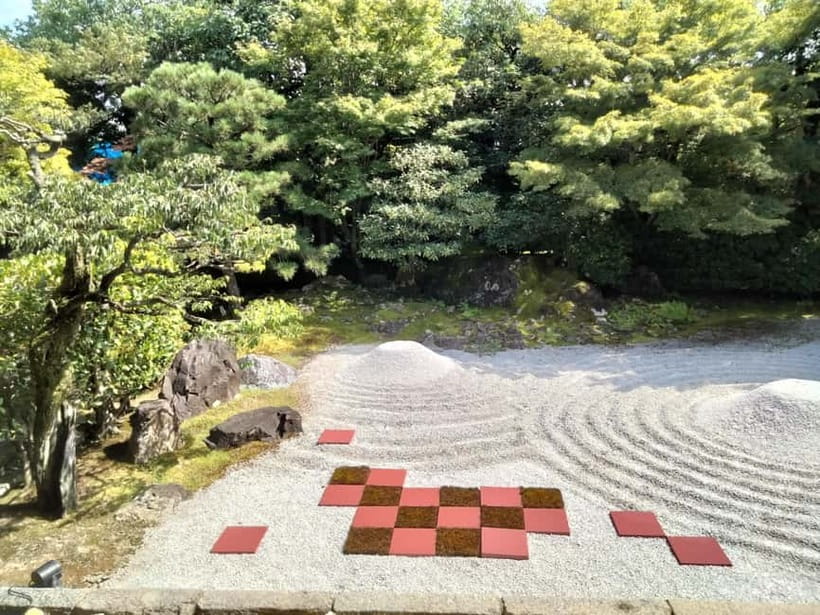
- Kodaiji Temple + Entoku-in: big temple atmosphere, then a calmer side stop.
- Kiyomizu-dera (UNESCO): city views and historic architecture in one high-impact visit.
- Yasaka Koushindo wishes balls: a colorful, hands-on-feeling cultural detail.
- Yasui Kompira-gū: a practical spiritual theme focused on habits and relationships.
Meeting at Izumo no Okuni and getting oriented fast
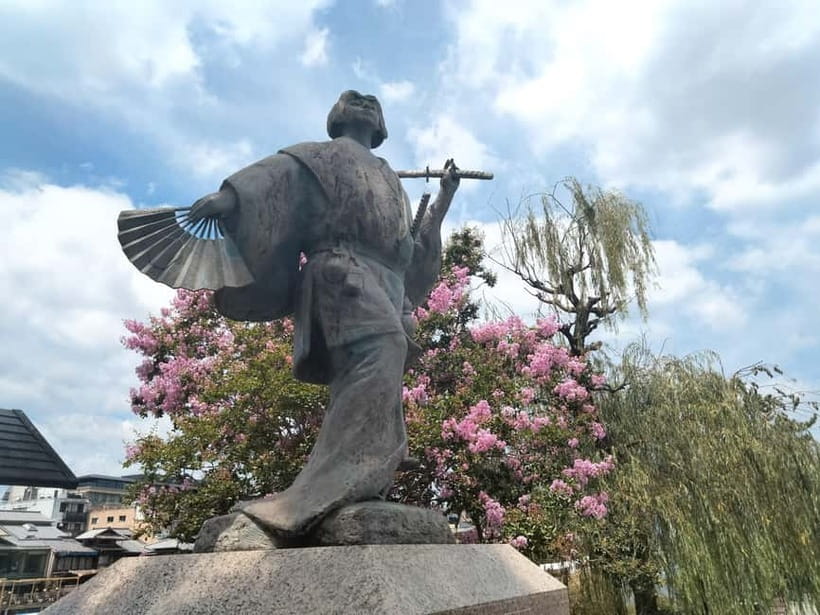
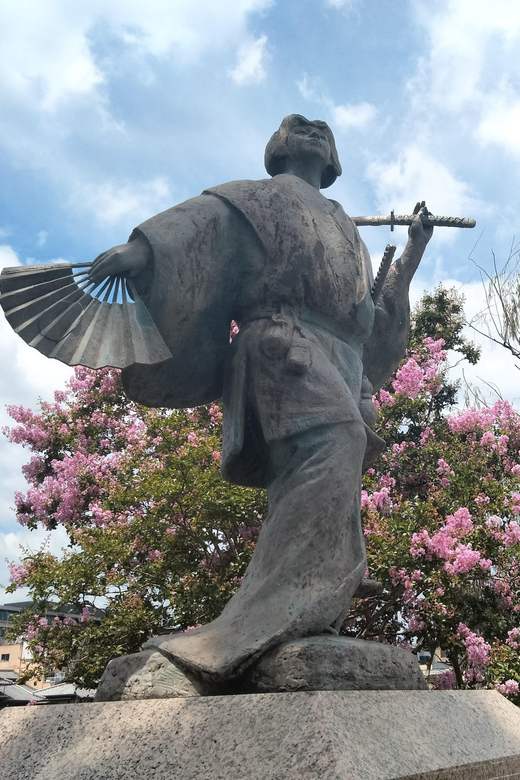
Your day starts at the statue of Izumo no Okuni, at the east end of Shijo Ohashi bridge. That’s a smart choice because it drops you into the Kyoto storytelling right away. Okuni is associated with the early world of performing arts in this area, and your guide can point out how that energy connects to Gion’s later role.
The first part is “get your bearings” time: you’ll have a short viewpoint stop, then move into the lanes that make this district feel like Kyoto on film. Even if you’ve seen photos, being walked through the layout helps you spot where the views open up and where the streets narrow.
If you’re the kind of traveler who likes to take photos, this is also where you learn the rhythm—what you shoot standing still, what you capture while moving, and when to pause so you’re not fighting the crowd flow.
You can also read our reviews of more guided tours in Kyoto
Gion Shirakawa and Hanamikoji: the streets where Kyoto still breathes
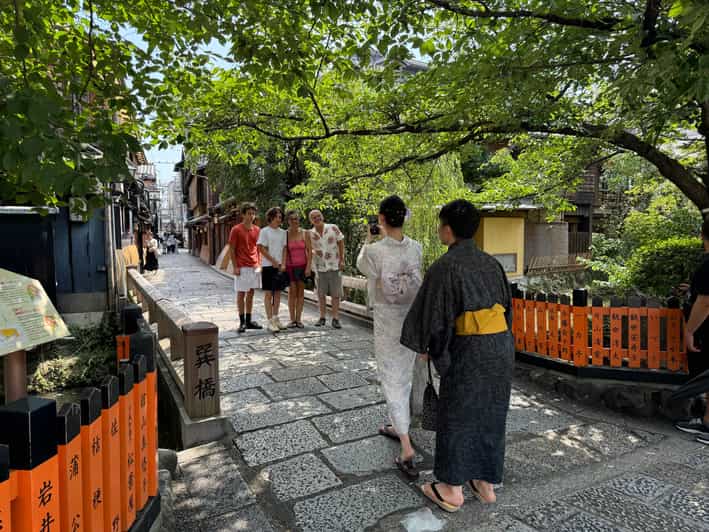
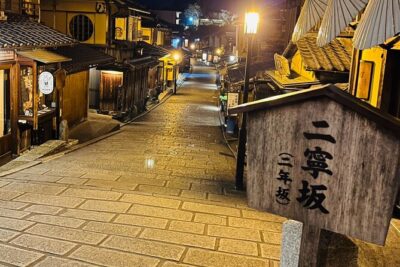
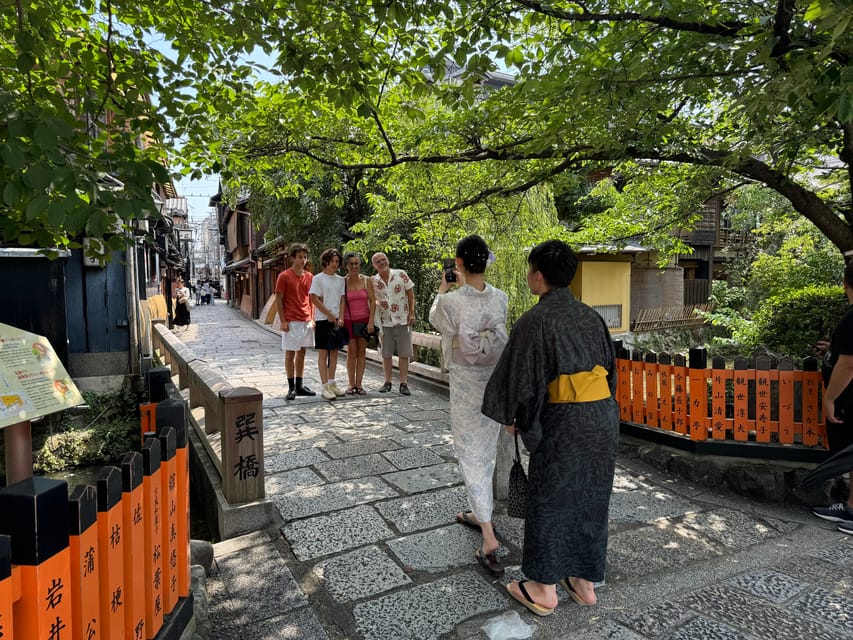
You’ll begin with Gion Shirakawa Street, known for its traditional teahouses and a calm, scenic walking feel. It’s the kind of place where the details matter: wooden facades, narrow frontage, and little sightlines that change every few steps. The win here is that you’re not just passing through—you’re learning how to look at the district like a local stroll.
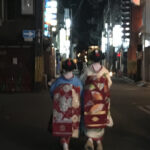
Then comes Hanamikoji Street, with historic architecture and the famous possibility of seeing geisha. Even when you don’t spot anyone specific, this stretch still works because it’s one of the best ways to understand Gion’s visual language: signage, street structure, and the way the buildings frame the walkway.
Practical note: these lanes can get busy, so you’ll enjoy it more if you’re okay with a slow-moving flow. Think “amble with purpose,” not “power walk for photos.”
Yasaka Shrine: a Shinto stop that sets the tone
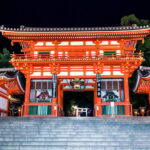
Next you visit Yasaka Shrine, a key place for experiencing Kyoto’s Shinto side. You’ll have time to look around without feeling like you’re just ticking a box. This matters because the whole day’s atmosphere shifts after you understand the spiritual backdrop of this neighborhood.
Yasaka Shrine is also a good reset point. If your morning has been photo-heavy, this is where you can shift from camera mode to observation mode—watch how people move, notice the shrine space, and let the noise level feel different.
The only drawback: it’s short (about 15 minutes), so you won’t absorb everything alone. That’s fine if you treat it as an orientation stop and save deeper shrine study for another trip—or do it after you’ve learned the basics from your guide.
Kodaiji Temple and Entoku-in: big presence, quieter follow-up
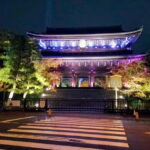
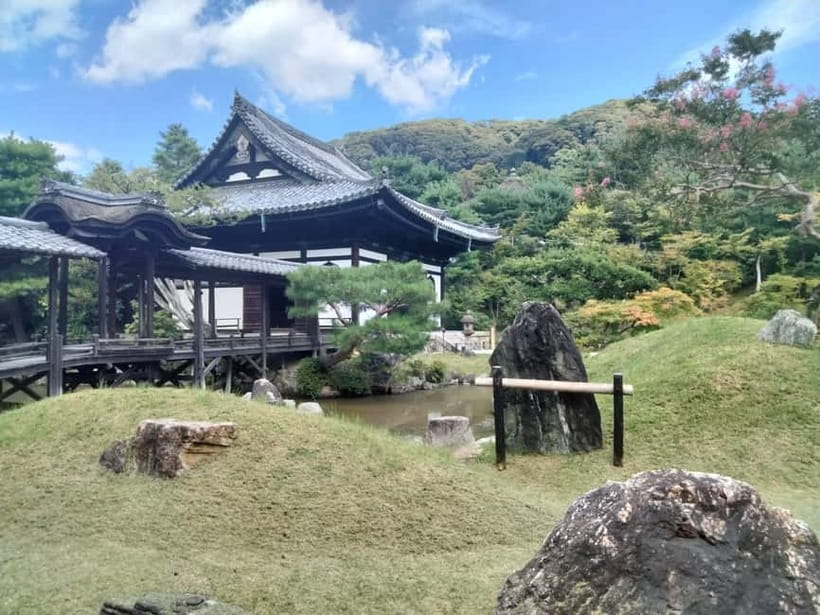
After a short on-foot segment, you arrive at Kōdaiji Temple with about an hour on site. This is a major stop for a reason. The architecture and temple atmosphere create a feeling of scale that’s hard to get from quick street-wandering.
What makes this pairing effective is what comes next: Entoku-in. It’s about 25 minutes, but the point is that it adds contrast. Kodaiji gives you the full temple impression; Entoku-in gives you a smaller, more focused moment where you can slow down and notice textures and space.
This is where I like the structure of the tour. You get variety without being thrown into nonstop travel logistics, which is exactly what you want on a day that already includes steep viewpoints later.
Also, Kodaiji and Entoku-in entry tickets are included. That’s one less headache for your budget and your schedule, because you’re not scrambling for admissions right when you’re already in the thick of it.
Lunch break in Gion: fuel up without losing momentum
Lunch is scheduled in Gion with about an hour. Lunch isn’t included, so you’re free to choose what fits your diet and taste. I like that flexibility because Kyoto meals vary a lot—some are quick and simple, others are sit-down and longer.
If you have dietary restrictions, give them to your operator in advance. That small step helps your guide steer you toward options that won’t derail the day.
And here’s a practical travel tip: eat earlier rather than later if you want a calmer choice of restaurants. Popular lanes can tighten up around peak hours, and you’ll want that extra buffer for what’s next at Kiyomizu-dera.

Kiyomizu-dera: UNESCO views and the kind of architecture you feel
The highlight sequence continues with Kiyomizu-dera, a UNESCO World Heritage site. You’ll have about 1.5 hours, which is enough time to see the main temple experience and still catch those city views that make people understand why this place is so famous.
Kiyomizu-dera is a visual “wow” destination, but it’s also a learning destination. Your guide can help you read what you’re seeing—why certain buildings and viewpoints matter, and how the temple’s design connects to the slope and streets around it.
One consideration: this is one of Kyoto’s most crowded areas, especially during peak seasons. If you’re sensitive to lines and dense foot traffic, plan your mindset accordingly. You may not be able to stroll at your own pace, but having a guide helps you avoid time-wasting detours and keeps you moving toward the best viewing spots.
Entry ticket is included here too, so you’re paying for a focused visit rather than spending the day on logistics.
Yasaka Koushindo wishes balls: a playful cultural moment
After Kiyomizu-dera, the tour brings you to Yasaka Koushindo. This stop is known for its colorful display of wishes balls, and it’s a fun change from the temple intensity. You go from grand views to something lighter—more symbolic, more hands-on in feeling.
Even if the spiritual meaning isn’t your focus, the visual impact is worth it. These kinds of places are part of what makes Kyoto feel lived-in rather than purely scenic. And because the visit is about 20 minutes, you get the payoff without turning the day into a checklist.
If you’re shopping-minded, this is also a moment when you might spot small items and souvenirs related to the shrine tradition. Just keep your attention on pacing; the later shrine stop is still on the schedule.
Yasui Kompira-gū: blessings for habits and relationships
The final temple-and-shrine chapter is Yasui Kompira-gū (Yasui Konpiragu) with about 20 minutes. This is described as a unique shrine space where visitors can seek blessings for breaking bad habits and ensuring good relationships.
That theme is exactly why I think this ending works. Your day has moved from historic streets to major religious sites and big-city views. Finishing with a people-focused message makes it feel like more than sightseeing—it feels like closure.
You also get the benefit of a shorter stop near the end. By then, your legs will appreciate the gentle landing before heading back toward the meeting point at Izumo no Okuni.
Price and time: is $102 good value for a 7.5-hour day?
At $102 per person for about 450 minutes, this tour can be a good value if you like guided structure and want to cover several major stops without spending time figuring out connections.
Here’s where the value comes from:
- A live guide for the full day (English or Japanese).
- Entry tickets included for Kōdaiji, Entoku-in, and Kiyomizu-dera.
- A route built around walkable district flow, so you spend your time seeing things rather than re-planning.
The main trade-off is that lunch isn’t included, so your final spend depends on what you choose to eat. If you budget a reasonable lunch and snack plan, the overall cost stays predictable.
Who should book this Kyoto walking day
This tour is a strong match if you want:
- A guided walk through Gion’s historic streets and the main shrine/temple arc.
- A balance of iconic sites (Kiyomizu-dera) and quieter stops (Entoku-in).
- A plan that helps you see more than one district without turning your day into transport math.
You might skip it if you prefer totally independent wandering, or if you want deeper time at fewer locations. This day is designed for breadth—so it’s best when you’re okay with seeing a lot and moving on.
Notes on your guide (and why flexibility matters)
One reason this tour gets consistently good marks is the guide behavior—staying kind, adjusting timing when needed, and making the day work better for the group. You may even see guides named like Yoshi or Saya in previous departures, and the pattern is the same: they help you shift the route if your plans change, and they can sometimes find an extra temple stop if time and interest allow.
That kind of flexibility matters in Kyoto because crowds, weather, and your own preferences can shift fast. Having a guide who can respond calmly beats a rigid schedule every time.
Should you book this Kyoto Gion Highlights and Hidden Treasures tour?
If you want a smart, single-day overview of Kyoto’s Gion district plus the major shrine-and-temple sequence, I’d say yes. The combination of included admissions, a long guided route, and stops like Yasaka Koushindo (wishes balls) and Yasui Kompira-gū (blessings for habits/relationships) gives the day a mix of spectacle and meaning.
Book it if you enjoy walking with structure and want your time in Kyoto to feel organized rather than improvised. Skip it if you dislike crowds, don’t handle walking well, or want slow, deep study at just one or two places.
If you’re deciding between this and a shorter tour, treat this as the choice for the traveler who wants to see the main highlights and finish the day with a couple of distinctly Kyoto, symbolic stops.
FAQ
How long is the Kyoto Gion highlights and hidden treasures guided tour?
It runs for about 450 minutes (roughly 7.5 hours).
Where is the meeting point?
Meet your guide in front of the statue of Izumo no Okuni, located at the east end of Shijo Ohashi bridge.
What’s included in the price?
Entry tickets to Kōdaiji Temple, Entoku-in Temple, and Kiyomizu-dera Temple, plus a live guide.
Is lunch included?
No. Lunch is not included in the tour price.
What languages are the guides?
The live tour guide is available in English and Japanese.
Is this tour private or small group?
Yes, it offers private or small group options.
Can I cancel after booking?
Yes. You can cancel up to 24 hours in advance for a full refund.