REVIEW · KYOTO
Kyoto and Nara Private Car Tour with a Local English Guide Driver
Book on Viator →Operated by Japan Luxury Tours · Bookable on Viator
Torii gates, deer, and no transit stress. I especially like the private car setup for a smooth day, and I like having a guide who can explain everything in real English and Japanese. It turns a long list of stops into something you can actually enjoy.
One thing to watch: this is an all-in, many-stop itinerary, and entrance fees are not included for several major sights—so your day can cost a bit more than you first expect.
In This Review
- Key highlights for this Kyoto and Nara private car tour
- Private car comfort: the real reason this day works
- The pace you should expect in a 10-hour Kyoto-to-Nara day
- Fushimi Inari Taisha: starting with torii tunnels and good shoes
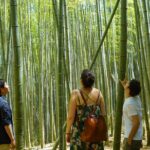
- Arashiyama: bamboo forest classics plus choices for your energy level
- Gion without the commute: strolling classic streets with a story
- Golden Pavilion, Silver Pavilion, and Kyoto temple icons
- Nishiki Market: Kyoto’s Kitchen for last-minute snack strategy
- Amanohashidate and Ine no Funaya: the ambitious detour that changes the day
- Nara Park and Todai-ji: why the deer fit the story
- Kasuga Taisha and Kofuku-ji: lanterns and pagoda views
- Choosing the car and traveling with the whole group
- Value and cost: when this $459.81 group price really makes sense
- Who this Kyoto and Nara private car tour fits best
- Should you book this Kyoto and Nara private car tour?
- FAQ
- How long is the Kyoto and Nara private car tour?
- What’s included in the price?
- Are temple and shrine entrance fees included?
- Is there any cash payment needed during the tour?
- What language will the guide speak?
- Can I cancel, and are service animals allowed?
Key highlights for this Kyoto and Nara private car tour
- English-Japanese guiding that helps you understand what you’re seeing, not just where to walk
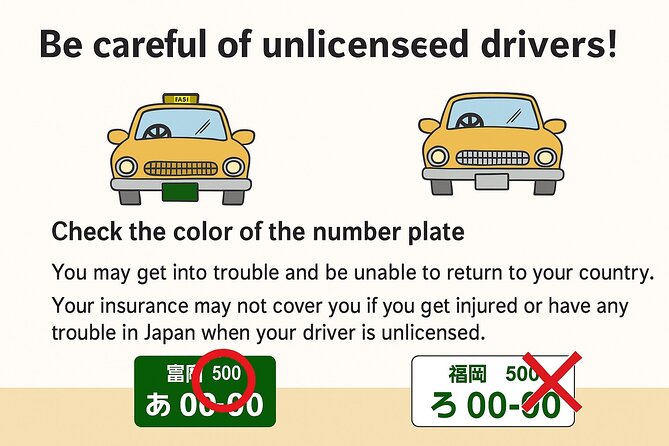
- Private vehicle with a professional licensed driver (green number) and an explicit focus on safety
- You can choose the car, and there’s even a Mercedes V-Class option for a more premium feel
- Hotel pickup and drop-off plus Wi-Fi on board to keep the day easy
- Big-hit Kyoto and Nara schedule, from Fushimi Inari to Todai-ji, with short on-site photo breaks
- Named guides from real bookings, including Yama and Hibiki
Private car comfort: the real reason this day works
Kyoto and Nara can be a transportation puzzle. Trains, transfers, crowded platforms, then long walks to reach the next shrine. This tour solves a lot of that with hotel pickup and drop-off and a private car the whole way.
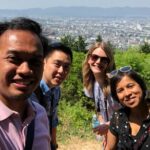
The second big win is the bilingual guidance. The tour is built around a local guide fluent in English and Japanese, so you can ask practical questions and get answers that actually fit the moment. In a place where rules and etiquette matter, that kind of clarity saves time and stress.
And yes, safety is part of the pitch here. The company emphasizes using Japanese drivers and experienced guides, plus free Japanese language support in case of emergencies. That kind of backup matters when you’re spending a full day off your home base.
You can also read our reviews of more guided tours in Kyoto
The pace you should expect in a 10-hour Kyoto-to-Nara day
This itinerary packs a lot into a single day. Many stops are structured as short visits (about 15 minutes per stop in the schedule you’ll see), which means you get to see a lot, but you won’t have hours to linger like you might on a slower trip.
That can be a feature. If you want a highlight reel—Fushimi Inari, Gion, Kinkaku-ji, Kiyomizu-dera, then Nara Park and Todai-ji—this style gets you there without the “move, rush, repeat” feeling you can get using public transit.
It also means you’ll want to manage expectations:
- Think photo + orientation + quick story rather than deep, unhurried temple time.
- Bring a mindset of flexibility—your guide can help you decide what’s most important in the moment.
Fushimi Inari Taisha: starting with torii tunnels and good shoes
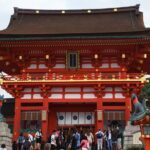
The day kicks off at Fushimi Inari Taisha, famous for its bright red Senbon Torii gates climbing the forested slopes. This is one of those places where the atmosphere does half the work for you. Even if you just follow the main path for a stretch, you’ll feel the scale fast.
What I like about doing it first is timing. Early in the day, it’s easier to get that classic tunnel view without the worst crowd crush. Your guide can also point out how the shrine is set up and what to notice as you walk—so it’s not just red gates for 15 minutes.
Practical note: wear comfortable shoes. The path is uneven and the steps add up quickly if you decide to go farther than the first few torii rows.
Arashiyama: bamboo forest classics plus choices for your energy level
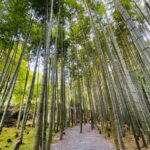
Arashiyama is where Kyoto starts feeling cinematic—wooded paths, river views, and that unmistakable bamboo atmosphere. The schedule groups together several Arashiyama highlights, including:
- Bamboo Forest (short, magical walkway time)
- Tenryu-ji Temple (UNESCO site; entrance fee not included)
- Togetsukyo Bridge for scenic Katsura River views
- Arashiyama Kimono Forest, a photogenic modern art installation near Arashiyama Station
- Optional-feeling add-ons listed in the tour: Sagano Romantic Train and Monkey Park Iwatayama
Here’s how to think about these stops. The bamboo forest and bridge are “hit quickly, photograph well” kind of places. Tenryu-ji is where you may want to slow down slightly (but your time is still limited by the overall plan). The Monkey Park option is more active—short uphill walking to reach wild macaques and viewpoints—so it’s better if your group has the energy.
You’ll get a guide’s eye here, too. On a self-guided visit, it’s easy to skip the parts you actually care about. With a local guide, you can ask what to prioritize based on your group.
Gion without the commute: strolling classic streets with a story
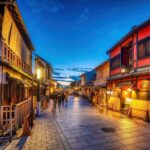
Next up is Gion, Kyoto’s most famous traditional district. The tour includes time to walk Hanami-koji Street and nearby areas like Shirakawa Canal.
Doing Gion as part of a private-car day is underrated. Without it, you can lose time just figuring out how to get there, then walking too far in the wrong direction. Here, you arrive, look around, and your guide can explain what you’re seeing—geisha and maiko culture, why the streets look the way they do, and what respectful behavior looks like in practice.
It’s also a good contrast to the temple-heavy parts of the day. After shrines and statues, Gion gives you street-level Kyoto.
You can also read our reviews of more private tours in Kyoto
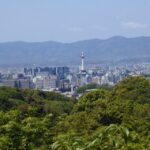
Golden Pavilion, Silver Pavilion, and Kyoto temple icons

This tour is built around Kyoto’s biggest “name sites,” including:
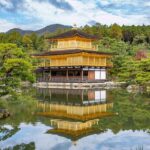
- Kinkaku-ji (Golden Pavilion)
- Ginkaku-ji (Silver Pavilion)
- Kiyomizu-dera
- Yasaka Shrine
- Chion-in
- Sanjusangendo
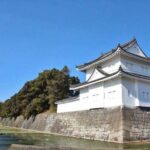
- Nijo Castle
A few quick insights on why these work well in a single day, even with short visits:
- Kinkaku-ji rewards quick viewing. The iconic gold-leaf look is instant, and you don’t need a long explanation to feel the impact.
- Ginkaku-ji is different: it’s known for refined simplicity and moss gardens. In a shorter time slot, you’ll want to focus on composition—how the grounds are arranged and where the garden lines lead your eyes.
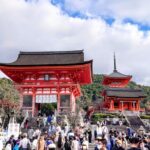
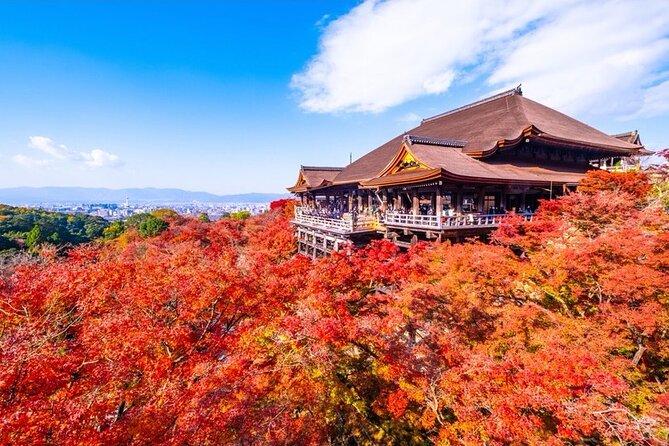
- Kiyomizu-dera is famous for its grand wooden stage (Kiyomizu no Butai). Even with limited time, the structure makes the visit feel dramatic, and it’s easy to understand why people come back year after year.
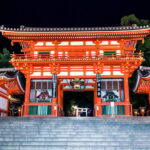
- Yasaka Shrine adds a livelier shrine experience between Gion and Higashiyama, with lantern connections to Gion Matsuri.
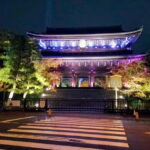
- Chion-in is one of the Jodo sect’s head temples and is known for a massive Sanmon Gate, described as the largest wooden gate in Japan. That’s one of those things where photos don’t fully capture the scale unless you’re standing close.
- Sanjusangendo is all about the long hall and the shock of 1,001 life-size statues inside.
- Nijo Castle brings a different feel: palace buildings, gardens, and the sense of power and order that castle architecture creates.
None of these are “small” stops. If you’re the type who likes to absorb details, use your guide’s explanations as the shortcut. If you want total calm and time to wander slowly, this may feel packed.
Nishiki Market: Kyoto’s Kitchen for last-minute snack strategy

Between temples and shrines, the tour includes Nishiki Market, often called Kyoto’s Kitchen. It’s a shopping street with over 100 shops and stalls, which makes it ideal for snacks, small gifts, and food you can eat on the go.
This is also a smart stop after the big religious sights. Your brain gets a break. Instead of trying to process symbols and architecture, you’re tasting and shopping, which is a nice reset before the later afternoon push.
If your group has picky eaters or you need gluten-free options, your guide can be helpful—at minimum for translating and pointing you toward what’s easiest.
Amanohashidate and Ine no Funaya: the ambitious detour that changes the day

One surprising aspect of this specific schedule is that it goes beyond central Kyoto into classic scenic spots like:
- Amanohashidate (the sandbar known as Bridge to Heaven)
- Amanohashidate View Land (viewing area)
- Ine no Funaya (a fishing village with traditional boathouses built directly on the water)
Amanohashidate is described as a 3.6-kilometer sandbar with nearly 5,000 pine trees. Ine no Funaya features funaya—wooden structures with boat garages and fishing-focused design.
In plain terms: this isn’t just temples and streets. It’s also scenery and coastal atmosphere. The trade-off is that it turns the day into a longer drive-and-photo plan. If you hate being in a vehicle for stretches, this may not feel like your best use of time. If you like variety—Kyoto flavor plus scenic “wow” moments—this part is a big reason the itinerary feels memorable.
Nara Park and Todai-ji: why the deer fit the story
Crossing into Nara, the tour hits the core highlights right away: Nara Park and then Todai-ji.
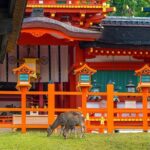
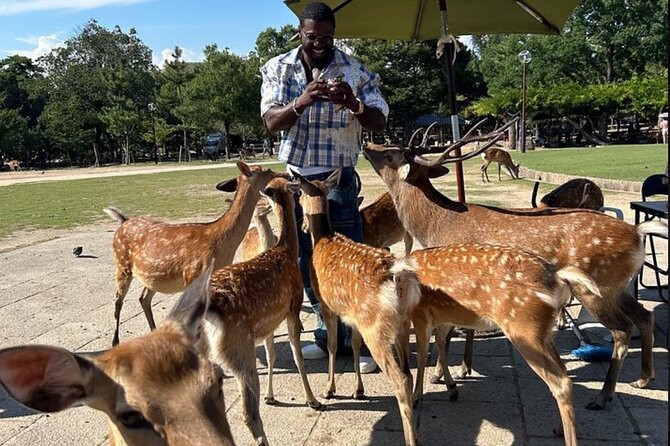
At Nara Park, you’ll see the famous freely roaming deer. More than cute photos, it’s part of how the park feels alive and welcoming. Your guide can help you navigate the space so you’re not just standing still waiting for the deer to wander into perfect framing.
Then you go to Todai-ji, known for the Great Buddha Hall (Daibutsuden). This is one of those experiences where the “how big is it?” question doesn’t leave your brain quickly. Even on a short stop, it’s worth it because the scale is the point.
Kasuga Taisha and Kofuku-ji: lanterns and pagoda views
After Todai-ji, you’ll keep moving through Nara’s standout religious landmarks, including:
- Kasuga Taisha (UNESCO), famous for hundreds of bronze and stone lanterns
- Kofuku-ji Temple with the five-story pagoda
Kasuga Taisha is one of the most atmospheric shrine stops on the list. Lantern density changes the feel of the whole visit. Even if you only get a brief look, the visual effect can hit hard.
Kofuku-ji is a different vibe—pagoda architecture and the temple complex presence. If your group likes symmetry, height, and the classic Japanese temple silhouette, you’ll enjoy this.
Choosing the car and traveling with the whole group
One practical perk in the listing details is that you can choose the car. That’s not just a comfort detail; it can also make the day feel more tailored if your group includes kids, older relatives, or anyone who struggles with cramped seating.
You’ll also see options mentioned like a Mercedes V-Class for VIP-style upgrades. Even if you don’t go for the premium vehicle, the tour is set up around a private ride, and that matters a lot when you’re doing many stops in a single day.
Other helpful basics: the vehicle is air-conditioned, and there’s Wi-Fi on board. That’s useful for messaging, checking maps for your next stop, or just keeping everyone calm during the transitions.
Value and cost: when this $459.81 group price really makes sense
The price is $459.81 per group up to 13. That’s where the value shows up. If you’re traveling as a small family or a small group, the per-person cost can still be reasonable compared with multiple private taxis, hiring multiple drivers, or spending half a day on transit plus admission line time.
But you do need to plan for extra spend:
- Entrance fees aren’t included for several stops, including major ones like Tenryu-ji and Kinkaku-ji (based on the tour schedule details).
- Meals aren’t included.
- There’s also a cash day-of cost mentioned: gas, parking, and highway fees of ¥10,000 per booking.
So the smart move is simple: treat the listed price as the transportation + guiding base, then budget a separate amount for entrance tickets and whatever snacks you pick up along the way.
Also note: the company offers complimentary support for Shinkansen and restaurant reservations. That’s not a small extra if you’re trying to line up the rest of your trip without stress.
Who this Kyoto and Nara private car tour fits best
This tour is a strong match if you want:
- A high-coverage day without transit wrangling
- A bilingual local guide who can explain what you’re seeing
- Comfortable logistics for families or groups that include someone who doesn’t want long walks between stops
- The convenience of pickup and drop-off, plus Wi-Fi and air-conditioning
It’s less ideal if you want a slow spiritual retreat pace or if you prefer fewer stops and deeper time at each site. This is a “see the highlights and keep it moving” plan.
Should you book this Kyoto and Nara private car tour?
If your goal is to check Kyoto’s biggest icons and Nara’s must-sees in one day, this booking makes sense. The private car, bilingual guide, and safety-first approach are the main reasons. Real feedback highlights how guides like Yama and Hibiki help make the day smooth, especially for families and for people who don’t want to wrestle with stations and transfers.
I’d only pause if entrance fees and the packed schedule would frustrate you. If you’re okay with a fast, organized day and you budget for ticket costs, you’ll likely end up with a Kyoto-and-Nara day that feels efficient and genuinely enjoyable.
FAQ
How long is the Kyoto and Nara private car tour?
The tour is listed as about 10 hours.
What’s included in the price?
The tour includes a private vehicle with a professional licensed driver, hotel pickup and drop-off, an experienced local English and Japanese-speaking guide, Wi-Fi on board, and complimentary support for Shinkansen and restaurant reservations.
Are temple and shrine entrance fees included?
No. Entrance fees are not included, and meals are not included either.
Is there any cash payment needed during the tour?
Yes. Gas, parking, and highway fees are listed as ¥10,000 per booking, paid in Japanese yen cash on the tour day.
What language will the guide speak?
The guide is described as fluent in English and Japanese.
Can I cancel, and are service animals allowed?
You can cancel for a full refund if you do so at least 24 hours before the experience starts. Service animals are allowed, and most people can participate.