REVIEW · KYOTO
Kyoto Food & Culture 6hr Private Tour with Licensed Guide
Book on Viator →Operated by Japan Guide Agency · Bookable on Viator
Kyoto smells like dinner and history at once. I love how this private tour pairs Nishiki Market food browsing with a guide who explains what you’re seeing. I also like the flexibility: you can tailor the day to your interests with a licensed guide, rather than being locked into a giant bus routine. One thing to plan for: some temple entrances and all food/lunch aren’t included, so your total can creep up if you add extras.
This is built for a slow, smart kind of sightseeing. You get a 6-hour window, a route that often threads through Gion and Pontocho, and lots of guidance on where to eat street-style and what to look for as you walk. In short: you’re not just collecting photos. You’re learning the why behind Kyoto’s customs.
If you end up with Lily (she’s been praised for bringing the culture, tradition, and religion meanings to life), you’ll get clear explanations that work for both kids and adults. A private format also means you can ask questions on the spot—handy when alleyways and temple lanes start looking the same.
In This Review
- Key highlights you’ll actually feel
- What this private Kyoto food-and-culture tour gets right
- Nishiki Market: the quickest way to understand Kyoto eating
- Gion and Pontocho: atmosphere is the whole point
- Kennin-ji and the temple rhythm: short stops with real meaning
- Sweets stop at the site of Kitaza: a smart break
- Fushimi Inari’s quick value: more than a photo moment
- Bigger-ticket temples outside the usual quick photo route
- Uji and Byodoin: the distance adds value
- Kyoto Imperial Palace and Nijo Castle: culture that feels political
- How the customization works (and how to use it well)
- Price and logistics: does $153.11 per person make sense?
- Who this tour suits best
- A few smart tips before you go
- Should you book this Kyoto Food & Culture private tour?
- FAQ
- How long is the Kyoto Food & Culture private tour?
- Is this tour private?
- Does the tour offer pickup?
- What kinds of places are included?
- Is lunch included?
- Are entrance fees included?
- Can I get a full refund if I cancel?
Key highlights you’ll actually feel
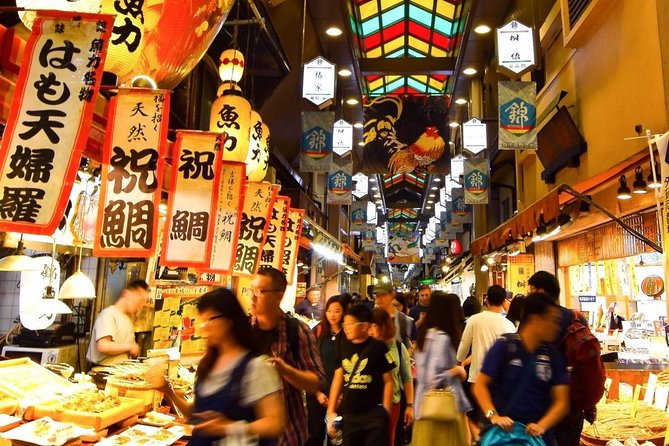
- Nishiki Market, Kyoto’s Kitchen: a narrow, five-block shopping stretch with 100+ stalls/shops where food ideas turn into real plans
- Street-food guidance, not guesswork: a licensed guide helps you pick places that fit your tastes
- Gion + Pontocho at walking pace: you’ll get orientation and context before the sights become just scenery
- Route customization with 3–4 chosen stops: you can focus on temples, neighborhoods, or sweets instead of trying to do everything
- Mix of free and paid stops: some locations are ticket-free, while others require separate admission
- A guide like Lily: feedback emphasizes explanations that connect traditions and religion to everyday details
What this private Kyoto food-and-culture tour gets right
Kyoto can overwhelm you fast. Streets look charming, but without context you can miss the story—or you can end up eating what’s convenient instead of what’s good. This tour tackles that in a practical way: you get a licensed local guiding the route, plus focused stops that connect food with the culture around it.
And it’s not a huge-group shuffle. Because it’s private, you’re not racing strangers to the next corner. You can slow down for a snack, ask one more question about etiquette or a symbol on a shrine, and keep your day feeling like a walk with a smart friend.
The “food and culture” part matters, too. This isn’t just walking through markets and temples. It’s built to help you understand what you’re tasting and seeing—especially in neighborhoods like Gion, where details change depending on time of day, street layout, and local custom.
You can also read our reviews of more food & drink experiences in Kyoto

Nishiki Market: the quickest way to understand Kyoto eating
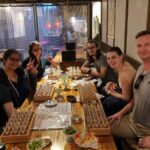
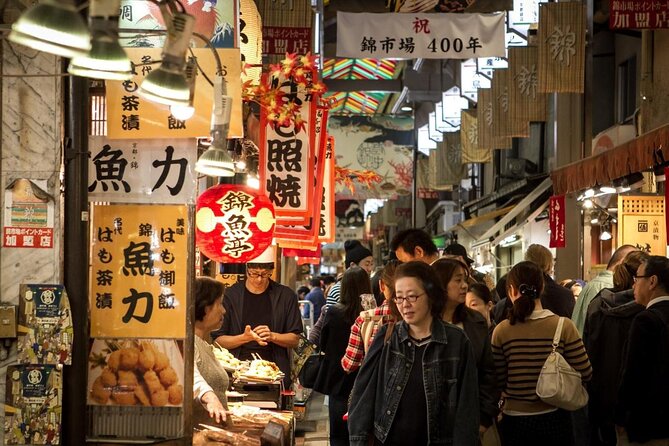
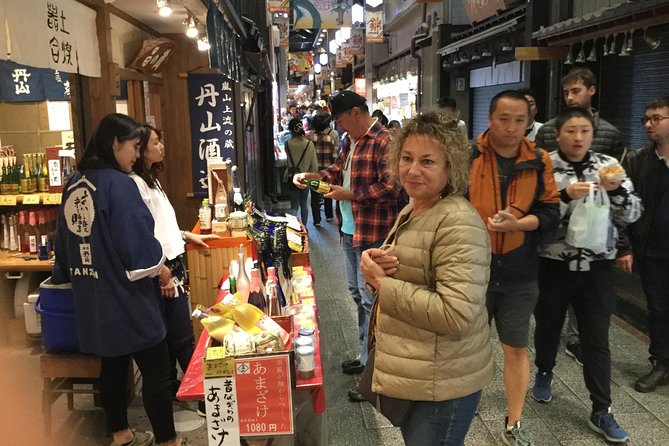
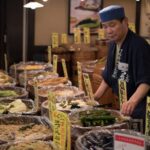
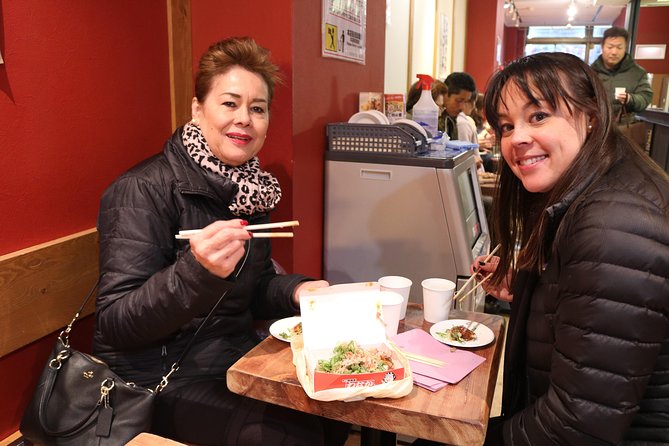
If you only do one food-focused stop in Kyoto, start with Nishiki Market. It’s a narrow, five-block shopping street lined with more than one hundred shops and restaurants, and it has that concentrated “Kyoto’s Kitchen” vibe where everything revolves around ingredients, snacks, and quick bites.
Here’s what I love about using Nishiki Market as your first stop:
- You build momentum right away. Instead of saving food for later, you start learning how Kyoto eats.
- You get a visual menu. Even if you don’t know every item, you can see patterns—what’s packaged as a gift, what looks like a quick street-style snack, and what’s meant to be eaten immediately.
- A guide helps you connect choices to context, so your tasting feels intentional instead of random.
For budgeting: Nishiki Market itself is free to enter (no admission ticket), but the food cost is on you. Expect to spend on snacks or a small treat, especially if you use the guide’s suggestions and go beyond just browsing.
Practical tip: wear shoes you can walk in for a few extra blocks. Market streets are compact. The best finds often happen when you slow down and look at what’s actually being prepared or sold right where you’re standing.
Gion and Pontocho: atmosphere is the whole point
After Nishiki, the route often shifts toward old-kyoto neighborhoods—first Gion, then the dining alleys of Pontocho. These areas can feel intimidating on your first visit. You might worry about getting lost in narrow streets, or you might miss the “why this is special” part while you chase photos.
A guide helps in two ways:
- Orientation: you understand where the streets lead and what to pay attention to.
- Culture cues: you learn what the neighborhood is known for and how to read the setting.
Gion works especially well early in the day because you can walk the lanes without the same crowd pressure you’ll see later. Plus, it gives you a chance to ask questions about tradition and how daily life intersects with the area’s reputation.
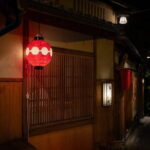
Then comes Pontocho, one block west of the Kamogawa River, a narrow alley packed with restaurants. Even if you don’t eat a full meal there on the spot, it’s an eye-opener. You see how Kyoto’s dining culture fits into street design—how narrow lanes create an intimate restaurant experience and how that changes your expectations for what to look for in menus and storefronts.
If you’re hungry, this pairing is smart: you move from a market where you sample and browse into an area where you can understand Kyoto’s nighttime dining vibe (even if you’re going earlier than typical dinner hours).
Kennin-ji and the temple rhythm: short stops with real meaning
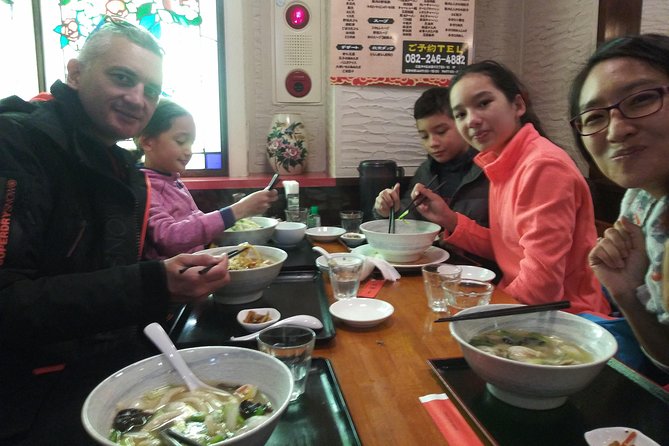
This tour includes temple time, but it doesn’t treat temples like checklist stamps. Some stops are brief, and that can be a good thing. In a 6-hour day, you want enough time to notice details without turning every stop into a rushed sprint.
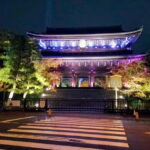
One example is Kennin-ji, a Zen temple near the busy cross-streets. Even with a short visit, it’s the kind of place where a guide’s explanation can change what you notice: garden design, the look and function of the grounds, and the overall tone of the space.
Important note: entrance fees for some temples are not included, and even when the stop time is short, you may still be responsible for admission if you enter areas that require tickets.
What you’ll get out of this part of the day:
- A clearer “rhythm” for Kyoto temples (you learn what to expect visually and how to read it)
- A sense that religious and cultural meaning isn’t separate from daily streets and food choices
- Less confusion, because you’re not trying to figure out signage, etiquette, and symbolism alone
Sweets stop at the site of Kitaza: a smart break
Between neighborhoods and temple blocks, the itinerary includes a short sweets moment at the site of Kitaza, in a building renovated from a kabuki theater. It’s only about 15 minutes, but that’s kind of the point: it breaks the day’s pace before you hit heavier sightseeing.
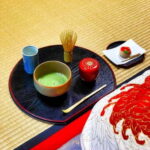
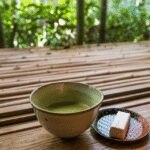
This is a nice fit if you want Kyoto food culture to include more than savory snacks. You get a chance to try traditional Kyoto sweets in a setting with cultural layers—performance art history and traditional sweets, both showing up in one place.
Like the other food stops, the exact cost of what you choose to eat is on you. But timing and setting are valuable here: it’s a planned pause, not a random “find something open” scramble.
You can also read our reviews of more tours and experiences in Kyoto

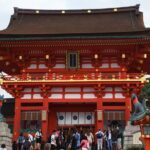
Fushimi Inari’s quick value: more than a photo moment
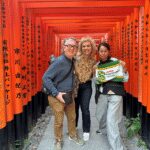
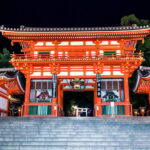
Fushimi Inari-taisha is one of Kyoto’s most recognizable shrines, and this tour includes a short stop there. The attraction is free to enter, so it’s a good value anchor in a limited day.
This is one of the places where a guide really helps. Fushimi Inari isn’t just about getting a picture under torii gates. It’s about understanding the shrine’s place in Japanese religious culture and what the site symbolizes as you move through it.
The stop is brief, so set expectations: this won’t be a long hike up to the far sections. Instead, it’s the efficient taste of a big, famous shrine experience—enough to understand why people love it, without eating up your entire schedule.
Bigger-ticket temples outside the usual quick photo route
Some of the temple options listed for this tour take you into Kyoto’s deeper “this is why people come here” category. Examples include:
- Tenryuji in Arashiyama: a head Zen temple, world-heritage registered
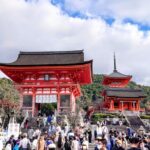
- Kiyomizu-dera: one of Kyoto’s best-known temples, typically covered with a guided walkthrough
- Sanjusangendo: famous for its 1,001 statues of Kannon (the goddess of mercy)
These stops are not included at the same cost level as the free locations. Admission is marked as not included for these places, so you’ll want to budget extra if you choose them as part of your 3–4 site customization.
Also, their geography can affect timing. Some are in areas where you’ll need extra travel time. That’s worth factoring in before you go all-in on the most famous names.
Practical tip: if you’re trying to keep the day stress-free, pick one “big temple” and let the others be shorter stops. The guide can help you build a route that feels smooth instead of chaotic.
Uji and Byodoin: the distance adds value
One of the more interesting inclusions is Byodoin Temple in Uji, known for its Phoenix Hall, a National Treasure and UNESCO World Heritage site.
Why this inclusion can be worth considering:
- You get contrast. It’s outside central Kyoto, so it feels like a change of pace rather than repeating the same street types.
- The site’s reputation is specific and concrete. You’re not going there just because it’s famous; you’re going for a particular landmark tied to heritage status.
The tradeoff is timing. The tour notes extra travel time is expected because Uji is in Kyoto prefecture but not in the immediate center. If you want a “maximum sightseeing” day, it can work. If you prefer a lighter pace, you might choose to focus on central Kyoto stops instead.
Kyoto Imperial Palace and Nijo Castle: culture that feels political
If your idea of culture includes government and history, you’ll likely appreciate options like:
- Kyoto Imperial Palace (former residence of Japan’s Imperial Family until 1868)
- Nijo Castle (a UNESCO World Heritage site linked to Tokugawa Ieyasu and the Edo period)
These aren’t food-scented stops, but they fit the “food and culture” theme in a different way: they help you understand the social backdrop in which Kyoto’s traditions evolved.
Entrance fees are not included for these, so again, budgeting matters. But as stand-alone experiences, they can add a strong layer to your day—especially if you’re the type who likes to connect symbols and systems, not just stroll streets.
How the customization works (and how to use it well)
The tour is designed so you can choose 3–4 sites from the featured options. That’s the smart sweet spot for 6 hours. It keeps you from feeling like you’re sprinting from one place to the next, while still giving you a meaningful cross-section of Kyoto.
When you customize, I’d make your choices based on what you want most:
- If your top goal is food, lean toward Nishiki Market, Gion, Pontocho, and any sweets stop.
- If you want meaning and religion, include a temple like Kiyomizu-dera or Sanjusangendo and ask your guide for context as you walk.
- If you want big landmarks, include one of the UNESCO-listed stops such as Nijo Castle or Byodoin Temple.
One more practical thought: some stops are free to enter, others are not. A custom route can help you keep costs under control by mixing free neighborhood time with just one or two paid admissions, instead of stacking multiple ticketed temples.
Price and logistics: does $153.11 per person make sense?
At $153.11 per person for about 6 hours, you’re paying for a licensed local guide and a private format. That can be a strong value in Kyoto, where signage can be tough, transit can be confusing, and the difference between a good snack and an okay one often comes down to where you go and what you choose.
Here’s how to judge value realistically:
- Included: licensed guide, and customization of 3–4 sites, plus pickup is offered.
- Not included: lunch for you and your guide, entrance fees for you, transportation fees for you and the guide, and the cost of food and drinks.
So the total you spend will depend on your decisions. If you eat a few snacks in Nishiki, choose one or two ticketed temples, and have lunch on your own, you’ll likely feel the cost rise in a normal travel way. If you stick mostly to free admission stops and keep food spending modest, your day can stay closer to the base price.
Also, timing matters. With a private guide, you can ask for a route that reduces unnecessary travel time. That’s not just comfort—it protects your schedule and keeps you from paying opportunity cost in a tight 6-hour window.
Who this tour suits best
This tour is a great fit if you:
- Want Kyoto food and culture tied together, not treated as two separate activities
- Prefer a private pace and the freedom to ask questions
- Like neighborhood walking, especially in areas like Gion and Pontocho
- Want a guide who can translate tradition and religion into everyday meaning
It’s also a solid choice for families. One piece of feedback specifically praised a guide’s ability to make the day educational and enjoyable for both younger and older visitors. That kind of explanation style can matter more than people realize when you’re planning a day with mixed ages.
A few smart tips before you go
- Wear comfortable shoes. The route includes walking through compact market streets and narrow lanes.
- Budget for food and any paid entrances you choose. Free spots don’t cover everything.
- Pick a priority theme before you start customizing. You’ll get a better-feeling route if your guide knows whether you want more temples, more sweets, or more street snacks.
- If you’re planning for photo stops, tell the guide early. With a private format, they can pace the walking so you’re not doubling back.
Should you book this Kyoto Food & Culture private tour?
Book it if you want a guided day that turns Kyoto into something you understand, not just something you pass through. The mix of Nishiki Market food browsing, Gion and Pontocho neighborhood context, and optional temple choices gives you flexibility while still keeping the day coherent.
Skip it or rethink your priorities if you hate paying extra for admissions and meals, or if you’re the type who prefers to roam completely on your own without a structured set of stops. Also, if you only want one or two of the famous sights, a private 3–4 stop structure might feel like more planning than you need.
If you book, go in with a simple plan: choose your 3–4 targets, decide whether sweets or temples are your main theme, and use the guide to make the day feel intentional. That’s when the $153.11 per person starts to feel like the right kind of splurge.
FAQ
How long is the Kyoto Food & Culture private tour?
It’s about 6 hours.
Is this tour private?
Yes. It’s a private tour/activity, so only your group participates.
Does the tour offer pickup?
Pickup is offered.
What kinds of places are included?
The route includes options such as Nishiki Market, Gion, Pontocho, Kennin-ji Temple, Byodoin Temple, Kyoto Imperial Palace, Nijo Castle, Fushimi Inari-taisha Shrine, Tenryuji Temple, Kiyomizu-dera Temple, and Sanjusangendo Temple.
Is lunch included?
No. Lunch is not included for you and your guide.
Are entrance fees included?
No. Entrance fees for yourself are not included, although some stops note free admission.
Can I get a full refund if I cancel?
Yes, free cancellation is available. You can cancel up to 24 hours in advance of the experience start time for a full refund.