REVIEW · KYOTO
Kyoto: Fully-Customized One-day Private Tour
Book on GetYourGuide →Operated by Travel Japan Together · Bookable on GetYourGuide
Kyoto feels personal when you walk with a local. I like the private, English-speaking guide who tailors the day, and I also love the mix of food-focused streets and temple time (Nishiki Market, Gion, Higashiyama). One thing to consider: your total spend can creep up because food, drinks, entrance fees, and transport are not included.
What makes this tour work is how your guide explains what you’re seeing in plain language. Guides such as Takuma, Yuki, and Nori come up for being friendly and for helping you understand Japanese history without making it feel like homework. The pace is walking-heavy, though, so comfy shoes matter.
You can also choose your time window, from 1 hour to 8 hours. That flexibility lets you do a quick highlights loop or stretch into quieter temple areas like Nanzen-ji and Chion-in, with the Higashiyama streets as the main theme.
Key highlights at a glance
- Nishiki Market food time with a guide who can point out what to try and what to skip
- Gion street walk focused on what to notice beyond just the famous postcard scenes
- Higashiyama as the storyline, with major landmarks like Kiyomizu-dera in the mix
- Smaller-crowd temple visits such as Nanzen-ji and Chion-in for a calmer Kyoto mood
- Private group flexibility so you can shape the day around your interests
- Pickup in Kyoto if you’re staying inside Kyoto city limits
In This Review
- Why a private Kyoto walking tour actually helps
- Nishiki Market: the quickest way to understand Kyoto’s food culture
- Gion on foot: famous streets, but with real context
- Lunch in Kyoto: guided choice without the stress
- Higashiyama’s temple stories: Kiyomizu-dera and the walking mindset
- Nanzen-ji and Chion-in: the quieter side of Kyoto
- How the timing works when you choose 1, 2, 5, or 8 hours
- Price and logistics: what you’re paying $24 for
- Who this Kyoto tour is ideal for
- Should you book this one-day private Kyoto tour?
- FAQ
- How long is the Kyoto private tour?
- Is the tour private or shared?
- What language are the guides?
- Does the tour include pickup?
- What stops are included in the main plan?
- Are food and drinks included?
- Are entrance fees included?
- Is there wheelchair accessibility?
- Is the tour fully refundable if I cancel?
Why a private Kyoto walking tour actually helps
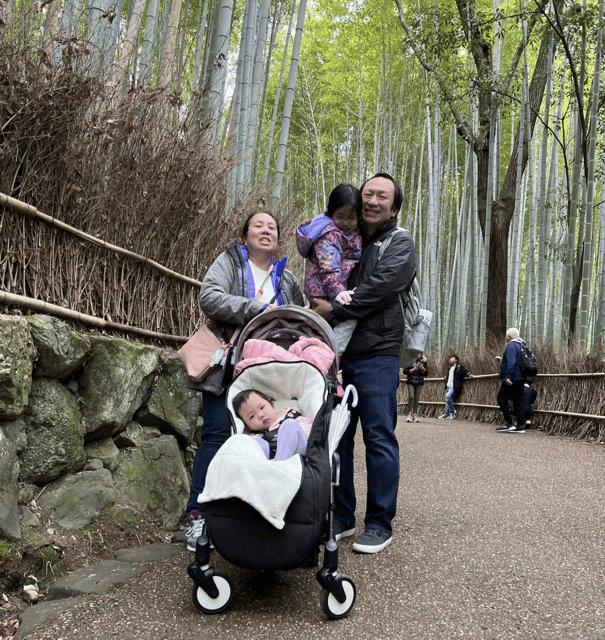
Kyoto is famous, but it can also feel like a blur. You arrive, you see the big sights, and then you leave with a head full of names but not much context. This one-day private format fixes that.
With a private guide, you get someone to do the sorting for you. They can connect neighborhoods to history, explain why certain areas feel different, and help you understand the etiquette and everyday rhythms you’ll notice on the street. It also means you can ask questions as you go. That matters in Kyoto, where small details often carry big meaning.
Another quiet advantage: guides can help you avoid the crush when possible. People like Nori are called out for managing crowds while still hitting the sites that make Kyoto feel like Kyoto.
The tour is also flexible by duration. A short option is good if you want structure without committing a whole day. A longer option works when you want more walking time for temples and quieter lanes.
Nishiki Market: the quickest way to understand Kyoto’s food culture
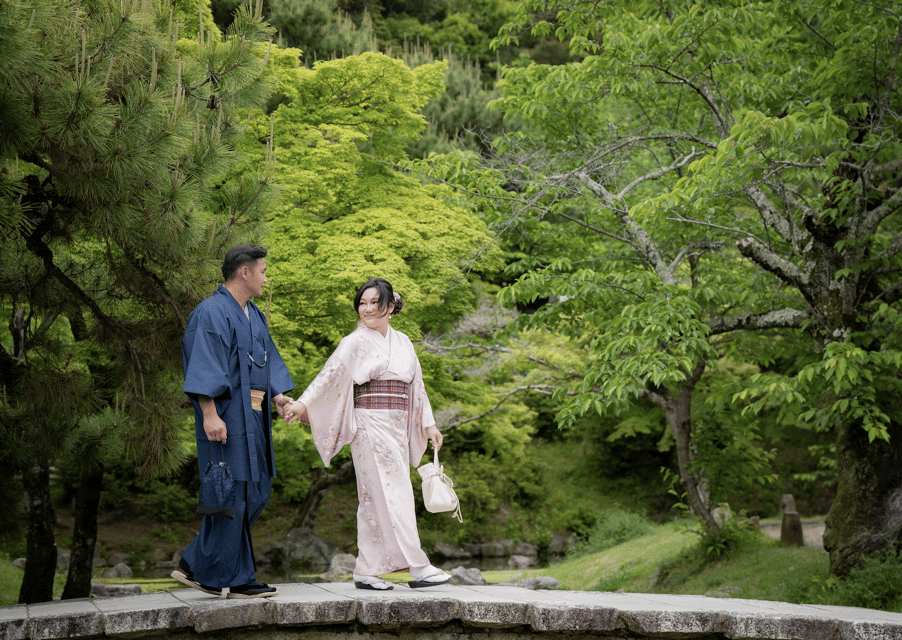
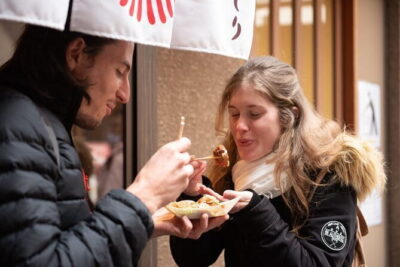
Nishiki Market is one of those places where your senses get busy fast. You’ll find long rows of stalls and snack-size temptations everywhere. The best way to enjoy it is with someone who can guide you through it without turning it into a frantic food shopping sprint.
Here’s what you should expect: about 1.5 hours focused on the market with your local guide. This is the part of the day where you learn how Kyoto people think about food, portion size, seasonality, and variety. Your guide can also help you read the menu-like chaos—what’s meant as a quick bite versus something to buy and take home, and what’s more local than touristy.
A practical note: food and drinks are not included, so you’ll pay for what you choose to eat. I like that this keeps things honest. You’re in control of your budget and your appetite. If you’re careful, you can do this as a tasting walk rather than a full meal.
What I like about this stop for first-timers is how it gives you a “language” for the rest of the day. Once you understand how Kyoto approaches food, you’ll notice that the city’s temple visits and street scenes aren’t just sightseeing—they’re part of daily culture.
You can also read our reviews of more private tours in Kyoto

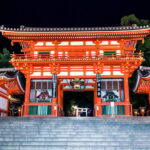
Gion on foot: famous streets, but with real context
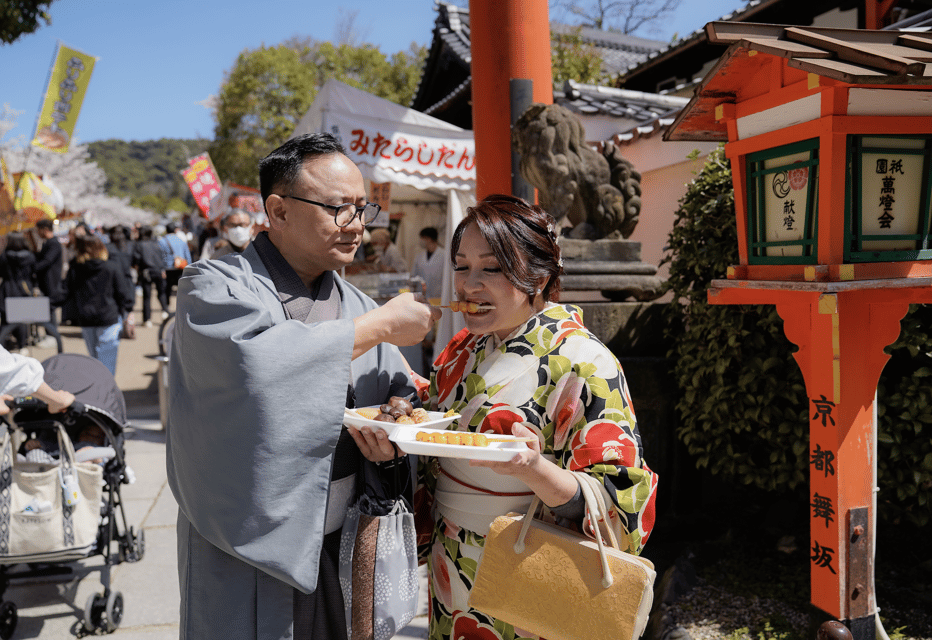
Gion is the name you hear before you ever arrive in Kyoto. It’s also the place where photos are easy and understanding is harder. A guided walking stop is the difference.
You’ll spend about 1 hour in Gion, and the goal isn’t only to point at landmarks. Your guide helps you see what’s going on around you: the street scale, the rhythm of everyday movement, and the cultural cues that explain why certain spots feel more formal or more relaxed.
This is also a good moment to ask practical questions. For example, how to behave around traditional buildings, what to look for in signage or storefront patterns, and why the area feels the way it does at different times of day.
One of the most useful benefits here is that you’re not stuck working everything out by yourself. When guides like Yuki are described as extra knowledgeable and friendly, it often comes down to this: you get context without feeling overwhelmed.
Lunch in Kyoto: guided choice without the stress
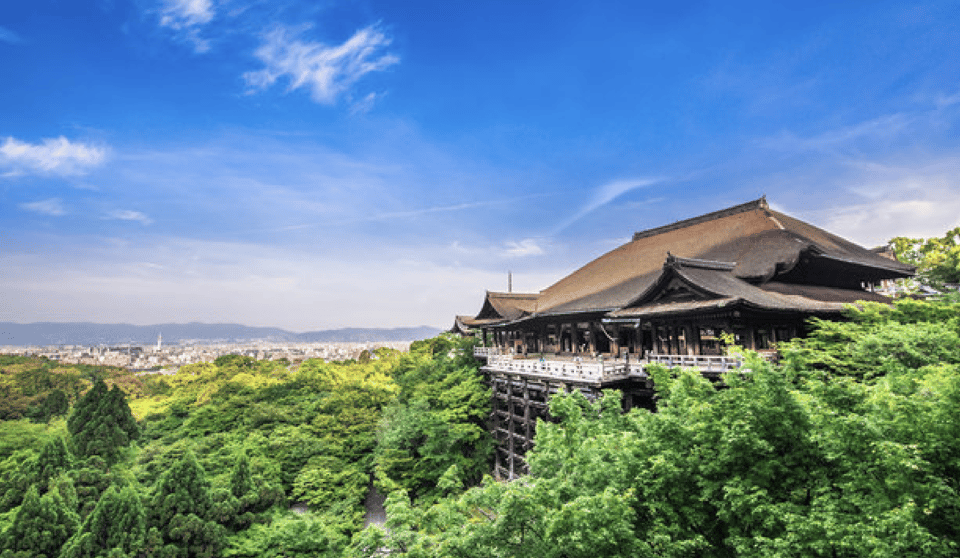
After Gion, you’ll have about 1 hour for lunch. The tour structure gives you time to eat, but it doesn’t force a single restaurant experience. That matters because Kyoto offers wildly different vibes depending on what you want: casual noodle comfort, something lighter, or a sit-down meal.
Since food is not included, your guide’s value is in helping you choose well. You can aim for what you actually crave, and you can get advice on where to go for your preferences and timing.
A small heads-up: lunch time in Kyoto can get busy near the big sightseeing corridors. If you’re picky about seating or timing, tell your guide what you care about early. A private setup gives you that leverage.
Higashiyama’s temple stories: Kiyomizu-dera and the walking mindset
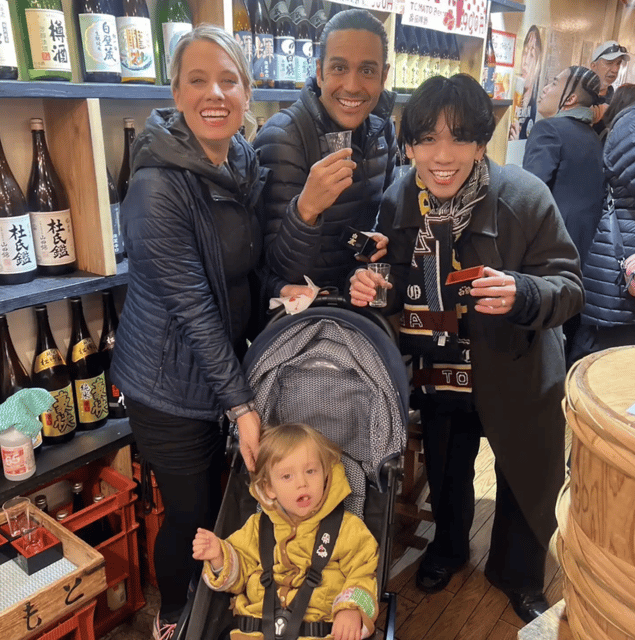
The tour’s main focus is the Higashiyama area, and that’s a smart choice. Higashiyama is where Kyoto’s “old streets” feeling comes through most clearly, especially as you link temple views to the hillside layout and historic architecture.
You’ll see major landmarks such as Kiyomizu-dera as part of this Higashiyama emphasis. Even if you’ve seen pictures, it’s the guide’s job to make the place readable. You should expect explanations that connect the temple setting to Japanese history and cultural practice, not just a checklist of what to photograph.
Here’s how I’d think about it as a traveler: a one-day tour is your chance to learn how to look. With a guide, you stop treating temples like isolated attractions and start seeing them as part of a broader pattern—where routes, viewpoints, and neighborhoods all reinforce the story.
Tip for your comfort: bring water and plan on lots of foot traffic. Higashiyama looks pretty in motion, but you’ll still be walking.
Nanzen-ji and Chion-in: the quieter side of Kyoto
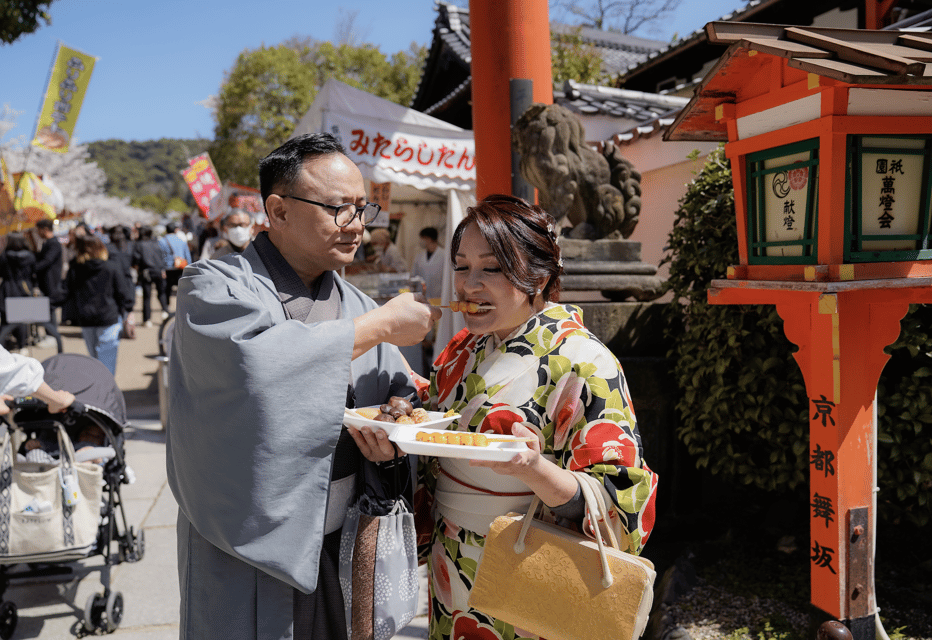
If Higashiyama is the main narrative, Nanzen-ji and Chion-in help you feel the pacing of the city.
You’ll visit Nanzen-ji for about 1 hour. The day also includes a short bus/coach transfer (around 15 minutes), which is practical. That kind of transport hop saves time and reduces the chances you’ll spend the whole day stuck in between locations.
Nanzen-ji is often appreciated because it gives you a calmer, more spacious temple atmosphere than some of the most crowded streets. If your guide has a crowd-management approach, this is one of the places where it shows. People have specifically praised guides for keeping them away from the biggest crush while still seeing the highlights.
Chion-in is mentioned as an off-the-beaten-path add-on option, especially for travelers who want that serene counterpoint. In practice, this tends to work well if you choose a longer tour duration. More time gives the guide room to balance the famous spots with quieter temple stops.
And that balance is the point. Kyoto isn’t just about seeing the same big photos as everyone else. It’s about feeling the shifts: from lively market energy to temple quiet.




How the timing works when you choose 1, 2, 5, or 8 hours
Your big decision here is time. The tour offers 1-hour, 2-hour, 5-hour, and 8-hour options, and that changes the feel of the day.
- 1–2 hours: best for a focused hit—think market streets plus a neighborhood walk, or a light temple-and-stroll plan. Great if you’re tired, jet-lagged, or already seeing Kyoto from another angle.
- 5 hours: the sweet spot for most first-time visitors who want a balance of food, culture, and temple sights without feeling rushed. This is where you’ll likely get a flow that includes Nishiki Market, Gion, lunch time, and temple movement.
- 8 hours: best if you want deeper Higashiyama time plus calmer temple stops like Nanzen-ji and Chion-in, with more flexibility to adjust based on your interests.
Because it’s private, you’re not forced into someone else’s itinerary. You can steer the day toward what you care about most—food, history explanations, street atmosphere, or temple time.
Price and logistics: what you’re paying $24 for
The price is listed as $24 per person, with tour length ranging from 1 to 8 hours. On paper, that sounds almost too simple. The real value question is what’s covered.
What’s included:
- Local tour guide
- Pickup from your accommodation (if you’re staying at a hotel within Kyoto city)
- Help planning your travel itinerary (so you’re not guessing the day’s structure)
What’s not included:
- Food and drinks
- Entrance fees
- Transportation fee
- Host’s lunch and entrance fee
So you’re mostly paying for your guide, time, and the private structure. For a city like Kyoto, where you can spend hours figuring out routes and context, a good guide is a cost-saver in disguise.
Also, note the tour includes at least one short transfer in the main routing (the bus/coach hop), but the general rule still stands: transport costs are not blanket-included. Ask yourself if you’ll likely need extra rides beyond the planned movement.
A practical budgeting approach:
- Decide your food snack plan for Nishiki Market
- Set aside money for lunch preferences
- Budget for any temple entrance fees you end up paying
If you do that, the $24 price feels like a fair deal rather than a bargain with surprise costs.
Who this Kyoto tour is ideal for
This is a strong match if you:
- Want a private, English-speaking guide instead of a group schedule
- Like learning cultural context while you walk, especially in historic neighborhoods
- Want both big names (like Gion and Kiyomizu-dera) and calmer temple stops (Nanzen-ji, Chion-in)
- Prefer a plan you can shape, not a rigid checklist
It’s also a good option for travelers who ask lots of questions. People mention guides who can explain Japanese history in a way that makes sense on the street, not just in a lecture.
On the other hand, it may be less ideal if you:
- Hate walking and standing for long stretches
- Only want a quick photo route with no explanation
- Want everything fully pre-paid, since food and entrance fees aren’t included
One more detail: the tour is wheelchair accessible, which is helpful if mobility planning is part of your trip.
Should you book this one-day private Kyoto tour?
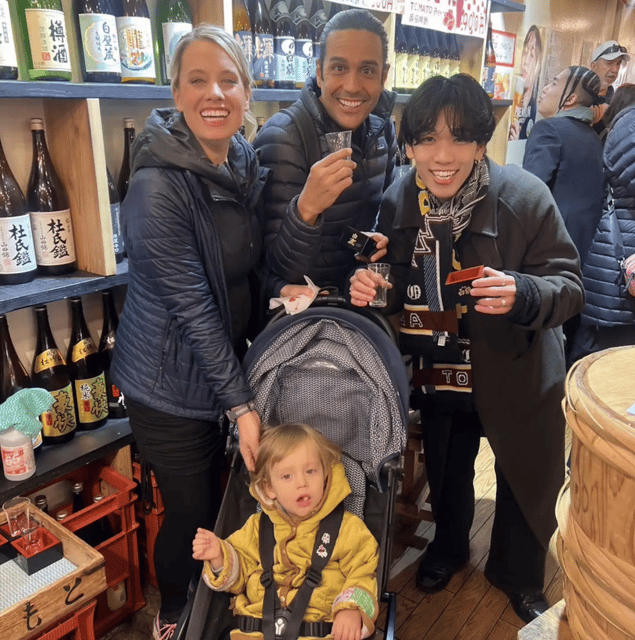
I’d book it if you’re visiting Kyoto for the first time—or if you’ve been before but want a guide-driven re-read of the city. The blend of market energy, Gion street context, and Higashiyama temple time is exactly what makes one day in Kyoto feel worthwhile.
The biggest reason to choose it is the private format. It helps you move through Kyoto with less guesswork and more understanding. And the crowd-control angle—mentioned in how guides manage big areas—can genuinely change your experience.
The main reason not to book is simple: budget for personal spending. You’ll need money for food, drinks, entrances, and any extra transport. If that’s not your style, you might prefer a more fixed package.
If you want structure without losing freedom, this is a solid one-day plan.
FAQ
How long is the Kyoto private tour?
You can choose from 1-hour, 2-hour, 5-hour, or 8-hour durations.
Is the tour private or shared?
It’s a private group tour.
What language are the guides?
The live tour guide speaks English.
Does the tour include pickup?
Yes. Pickup is included if you’re staying at a hotel within Kyoto city.
What stops are included in the main plan?
The tour includes stops such as Nishiki Market, Gion, lunch time, and a visit to Nanzen-ji, with a focus on the Higashiyama area.
Are food and drinks included?
No. Food and drinks are not included.
Are entrance fees included?
No. Entrance fees are not included.
Is there wheelchair accessibility?
Yes, the tour is wheelchair accessible.
Is the tour fully refundable if I cancel?
There is free cancellation up to 24 hours in advance for a full refund.