REVIEW · KYOTO
Kyoto: Golden Route Sightseeing Tour via Bus with Lunch
Book on GetYourGuide →Operated by H.I.S. Co Ltd(TIC) · Bookable on GetYourGuide
Kyoto in one day, without planning stress. I really like the English-speaking guide who keeps the day moving and explains what you’re seeing, and I also like the Kyoto-style buffet lunch that keeps you fueled without slowing everything down. You get Kyoto’s signature stops in a sensible flow, from Fushimi Inari’s torii gates to Arashiyama’s bamboo calm, then on to Kinkaku-ji, with time to shop traditional crafts.
The main thing to watch is that this tour involves a lot of walking. It is not built for wheelchair users, and it is not a good fit if you want a low-key day or you bring large luggage. Also, the half-day plan ends in Arashiyama, so you’ll need to handle your own return to Kyoto after the tour breaks up.
In This Review
- Key Highlights at a Glance
- A Kyoto Bus Route That Actually Feels Manageable
- Meeting at Kyoto Station and Staying Sane on a Shared Day
- Fushimi Inari Taisha: Torii Gates and the Joy of a Self-Guided Walk
- Kiyomizudera Temple: The Wooden Stage and Seasonal Photo Timing
- Lunch at a Local Restaurant: Fuel Without Breaking the Schedule
- Arashiyama Bamboo Grove and Tenryuji: Quiet Kyoto in the Middle of It All
- Kinkaku-ji Golden Pavilion: A Classic Kyoto Must-See
- Kyoto Handicraft Center: Souvenirs That Feel Connected
- What $70 Covers—and Why It’s Fair for a Big Sight Day
- Who Should Book This Bus Tour (and Who Should Skip It)
- Should You Book the Kyoto Golden Route Bus Tour?
- FAQ
- What’s included in the Kyoto Golden Route bus tour?
- What stops will I see during the tour?
- How long is the tour?
- Where do I meet for the tour?
- Is lunch included?
- Is the tour wheelchair accessible?
Key Highlights at a Glance
- English guidance on the route, so you know what to look for instead of wandering blind
- Kyoto-style buffet lunch included, with a set time that helps the schedule work
- Fushimi Inari Taisha torii gates and Kiyomizudera sights built into one day plan
- Arashiyama Bamboo Grove + Tenryuji Temple for quiet time and UNESCO garden atmosphere
- Kinkaku-ji Golden Pavilion and a stop at the visitor center/handicraft area for souvenirs
A Kyoto Bus Route That Actually Feels Manageable
This tour is designed for people who want Kyoto’s big hitters without having to stitch together trains, buses, and ticket lines on your own. You ride in an air-conditioned bus with a live English guide, which matters when you’re hopping between distant areas like Fushimi, Higashiyama, and Arashiyama.
One reason I think this works well is the pacing. You get time at each main site (not just photo stops), but the day still has structure. That balance is key in Kyoto, where one wrong turn or delayed tram ride can wreck your whole schedule.
You’ll also be with other guests since it is not private. For me, that’s fine here because the guide keeps everyone oriented. If you want total control over your exact walking speed and timing, this shared setup may feel a bit rigid.
You can also read our reviews of more tours and experiences in Kyoto
Meeting at Kyoto Station and Staying Sane on a Shared Day
The tour meets at Kyoto Station – Hachijo Exit Tourist Bus Parking Area in front of KYOTO AVANTI. Your exact meeting spot details are sent to you by email about a week before the date, which helps if you don’t want to guess your way around station exits.
Plan for a day that uses the bus for connections, then switches to walking for the sights. That means your most valuable “prep” is wearing shoes you can move in for longer stretches. The tour notes this clearly, and you’ll feel it once you’re climbing through temple grounds or walking under the torii gate paths.
Also keep your load light. Large luggage isn’t allowed, and the tour isn’t wheelchair accessible. If you’re traveling with mobility concerns or bulky bags, you’ll likely have a frustrating time finding a comfortable way to carry everything.
Finally, there are basic in-vehicle rules: no smoking on the bus, and no alcohol or drugs. It’s a standard group-tour setup, but it’s worth knowing up front.
Fushimi Inari Taisha: Torii Gates and the Joy of a Self-Guided Walk
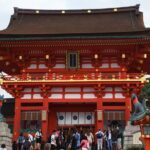
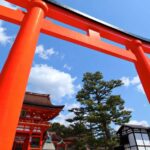
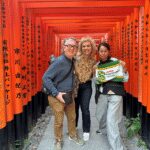
Fushimi Inari Taisha is the kind of sight that instantly puts you in Kyoto mode. You’ll have about 70 minutes here to wander through the famous thousands of vermilion torii gates, which create a striking pathway up the sacred mountain.
What I like about this stop in a guided tour is that you’re not just dropped off and left to figure it out. The guide helps you get your bearings, and you can then move at your own pace through the gate corridors.
Here’s how to use your time well: slow down early for photos and orientation, then decide whether you want to continue deeper toward higher ground or stay closer to the main area. With a set time window, making a choice prevents that last-minute rush feeling.
The gates are the headline, but the real win is the rhythm of walking under them. It turns sightseeing into a steady, almost meditative stroll—especially if you pick the moments when crowds thin out.
Kiyomizudera Temple: The Wooden Stage and Seasonal Photo Timing
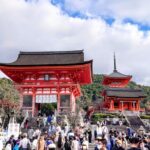
Next is Kiyomizudera Temple for about 70 minutes, including the entrance fee. This is one of Kyoto’s most recognizable temple scenes, largely because of its famous wooden stage that offers spectacular views of the city.
The tour highlights the best times to catch those views, especially during cherry blossom and autumn leaf seasons. Even if you’re visiting outside peak foliage or blossoms, the viewpoint aspect is still a major reason this stop belongs on the Golden Route.
For a smooth visit, treat this like a two-part stop. First, move through the main temple areas to see the full feel of the complex. Then, when you’re ready, spend your extra time at the viewing areas where you can actually take in the city views without constantly moving.
One practical note: this is a temple day, not a sit-down break. If you’re sensitive to stairs or uneven walking surfaces, take your time and plan shorter bursts of sightseeing rather than trying to rush everything.
Lunch at a Local Restaurant: Fuel Without Breaking the Schedule
Lunch is included as a Kyoto-style buffet lunch at a local restaurant, with about 50 minutes. I like this part of the day because it solves the biggest group-tour problem: nobody is stuck searching for food while the bus waits.
The “buffet” setup also gives you flexibility. If you want something lighter, you can generally choose simpler options. If you want to try a bit of variety, buffet style helps you sample without committing to one single dish.
There are also clear rules that keep things moving smoothly. You can’t bring your own food and drinks into the restaurant, so come prepared to eat what’s provided as part of the tour.
If you tend to get hungry on long walking days, this lunch timing is a good reset point. It’s also long enough to eat, check your phone for your next meeting instructions, and use the restroom without panic.
Arashiyama Bamboo Grove and Tenryuji: Quiet Kyoto in the Middle of It All
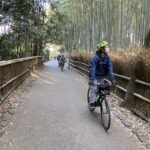
Arashiyama is where this tour slows down in a good way. You’ll spend about 2 hours sightseeing here, including the Bamboo Grove and Tenryuji Temple.
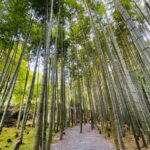
The Bamboo Grove is described as serene, with the gentle rustling of leaves creating a calm escape. I love that the tour gives you real time here rather than making it a quick drive-by. This is one of those places where you might want to step back, listen, and let the experience land.
Tenryuji Temple adds a second mood shift. It’s a UNESCO World Heritage Site, known for its landscaped gardens and peaceful atmosphere. Even if gardens aren’t your main interest, this stop works because it pairs naturally with the bamboo—quiet walk, then quiet temple grounds.
If you want to make the most of Arashiyama time, use the bamboo grove as your reset and Tenryuji as your slower finishing act. That way you’re not spending all your energy on one type of sightseeing.
Also, remember the tour structure: it’s noted that the half-day plan concludes and disbands at Arashiyama. So while you’re enjoying this part of the route, it’s smart to keep your next plan simple for after the tour ends.
Kinkaku-ji Golden Pavilion: A Classic Kyoto Must-See
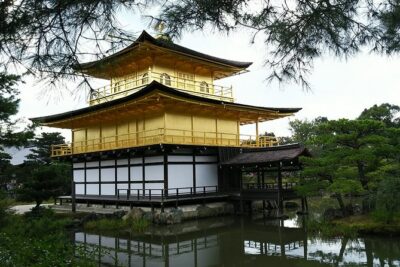
After Arashiyama, the tour moves to Kinkaku-ji (Golden Pavilion) for about 45 minutes, and you’ll also have an additional 30-minute visitor center stop.
The Golden Pavilion is famous for a reason: it’s an exquisite architectural masterpiece, and it’s surrounded by picturesque gardens and reflecting ponds. In practical terms, this stop gives you big “Kyoto postcard” visuals, plus enough time to look around from different angles without feeling completely rushed.
This is also where I’d watch your pacing. The area can draw crowds because it’s so iconic. If you want better viewing moments, spend extra time early or late within your time window. Then, if it gets too crowded, switch to another viewpoint instead of trying to push through.
The visitor center time is useful because it helps you slow down and understand what you’re seeing before you move on. Even if you’re just browsing, it’s a good chance to grab a souvenir tied to the site rather than buying generic travel junk.
Kyoto Handicraft Center: Souvenirs That Feel Connected
One of the nicer parts of this tour is the stop at the Kyoto Handicraft Center, where you can learn about traditional Japanese crafts and shop for unique souvenirs tied to Kyoto’s artistic heritage.
This is more than a shopping detour. When a tour includes crafts, you often get context for what you’re buying—what the craft is, and why it’s special. That makes souvenirs feel less like impulse purchases and more like something you chose with intent.
You’ll want to budget a little mental space for this. When you’re already visiting temples and gardens, it’s easy to assume you’ll barely shop. But handicrafts can be easier to enjoy because the items are usually easier to browse in a slower, calmer way.
If you’re the type of traveler who likes practical, bring-home items (or gifts that won’t end up forgotten in a drawer), this stop is a strong value add.
What $70 Covers—and Why It’s Fair for a Big Sight Day
At around $70 per person, this tour can feel like a straightforward bargain if you want multiple paid entrances handled for you. Included are the entrance fees for Kiyomizudera, Kinkaku-ji, and Tenryuji, plus the guide, air-conditioned bus, and lunch.
That matters because entrance fees and local transit time add up fast in Kyoto. Paying one set price for a guided loop with transportation and a meal tends to make the day less stressful and more predictable, especially if you’re not traveling with a plan for tickets and routing.
What you won’t get is everything, of course. Other expenses are not included, so you should still expect to pay for any personal shopping at the handicraft stop or any extra food or drinks beyond the provided lunch.
Also, because this is a shared group tour, you don’t get private timing control. If you’re perfectly fine following the group schedule, you’ll likely feel like the price is working in your favor.
Who Should Book This Bus Tour (and Who Should Skip It)
This experience suits you if you want a structured Kyoto day with major highlights: Fushimi Inari, Kiyomizudera, Arashiyama bamboo, Tenryuji, and Kinkaku-ji, plus lunch and a craft-shopping stop. It’s a solid match for first-timers and for anyone who prefers an organized route over planning.
You should think twice if you have trouble walking. The tour explicitly notes that there are lots of walking segments, and it advises against booking if walking is an issue. It also is not suitable for pregnant women and is not wheelchair accessible.
If you’re traveling with a very tight budget, this can still work because it bundles transport, guide time, and key entrance fees. If you need maximum flexibility and minimal walking, a more self-guided approach might be a better fit.
Should You Book the Kyoto Golden Route Bus Tour?
If your priority is seeing Kyoto’s main icons in one organized day, this tour is a smart choice. The standout benefits for me are the English-speaking guide who helps you navigate the big sights and the included buffet lunch that prevents the day from derailing.
Where you need to be honest with yourself is the walking. If you’re comfortable moving between temple areas and strolling through the torii and bamboo zones, you’ll probably enjoy how the route flows. If not, you could end up stressed rather than impressed.
Also, plan for the half-day ending in Arashiyama. If you already know how you’ll return from there, great. If not, map that part early so the day ends smoothly instead of becoming an extra puzzle.
FAQ
What’s included in the Kyoto Golden Route bus tour?
The tour includes an English guide, an air-conditioned bus, a Kyoto-style buffet lunch, and entrance fees for Kiyomizudera Temple, Kinkakuji (Golden Pavilion), and Tenryuji Temple.
What stops will I see during the tour?
You’ll visit Kiyomizudera Temple, Fushimi Inari Taisha, Arashiyama (including Bamboo Grove), Tenryuji Temple, Kinkaku-ji (Golden Pavilion), and you’ll also visit the Kyoto Handicraft Center.
How long is the tour?
The duration is listed as 260 to 570 minutes, depending on the starting time you choose.
Where do I meet for the tour?
You meet at Kyoto Station at the Hachijo Exit Tourist Bus Parking Area in front of KYOTO AVANTI. The meeting place details are sent by email about 7 days before the activity.
Is lunch included?
Yes. Lunch is included as a Kyoto-style buffet lunch, with about 50 minutes allocated for it. You’re not allowed to bring your own food and drinks into the restaurant.
Is the tour wheelchair accessible?
No. The tour notes that wheelchair is not accessible and advises against booking if you have trouble walking.