REVIEW · KYOTO
Kyoto Highlights Private Car Day Tour with English Speaking Guide
Book on Viator →Operated by Kyoto luxe tours · Bookable on Viator
A Kyoto day with your own driver changes everything. This private tour is built for flexibility: you start at 8:30am, ride in a comfortable air-conditioned vehicle, and shape the timing around what you care about. You can also add pickup from Kyoto, Osaka, or Nara so your day doesn’t start with train stress.
I especially like the English-speaking guide approach, which keeps the day from feeling like a checklist. You’ll get history and answers on the spot, and you can ask questions as you go. I also like that you’re not squeezed into a big group rhythm—this is just your party, up to 6 people.
One thing to plan for: several major sights require separate admission tickets. The tour handle transport and parking, but you’ll still pay for entry at places like Arashiyama (area/temple portion), Kinkaku-ji, and Kiyomizu-dera.
In This Review
- Key highlights at a glance
- Why a private Kyoto car is worth it
- Price and value: what you’re really paying for
- Comfort and guide style (where Malik makes a difference)
- Arashiyama Bamboo Forest and Tenryu-ji: the calm start
- Kinkaku-ji Golden Pavilion: iconic, but plan your timing
- Nishiki Market: Kyoto’s kitchen in one concentrated stop
- Gion walk: classic streets and maiko spotting
- Kiyomizu-dera: the terrace views and the temple grounds
- Fushimi Inari-taisha: torii gates that change your sense of time
- Logistics that matter: 8:30am start, full day, and no WiFi
- Who this tour is best for
- Should you book this Kyoto Highlights Private Car Day Tour?
- FAQ
- How many people are in a group for this private tour?
- What time does the tour start, and how long does it last?
- Where can pickup and drop-off happen?
- Is there an English-speaking guide?
- Are admission tickets included for all stops?
- What’s included in the tour price?
- Is WiFi provided on board?
- What is the cancellation policy?
Key highlights at a glance
- Private car for up to 6 people so you can move at your pace instead of waiting on crowds.
- English-speaking guide plus Q&A time that turns sightseeing into context.
- Hotel pickup options from Kyoto, Osaka, or Nara (Osaka/Nara cost extra) to save you commuting time.
- A classic Kyoto route with smart variety: temples, markets, neighborhoods, and viewpoints.
- Most major shrine/market stops are free (Nishiki Market, Gion, Fushimi Inari) even when temple tickets aren’t.
Why a private Kyoto car is worth it
Kyoto can be a lot when you’re bouncing between neighborhoods. The streets are busy, the timing of buses can be unpredictable, and you can burn energy just getting from one stop to the next. This private-car setup fixes that. You get an air-conditioned vehicle and private transportation, plus parking fees covered, which means you can spend your energy looking up instead of looking for the right platform.
I also like the “your day” feel. You’re given a full-day framework, but the point is to tailor it to your interests and pace. Want more photos at a viewpoint? Want to linger in a market lane? You’re not trying to keep up with a train of strangers. That’s a real advantage if you’re traveling with kids, older family members, or anyone who gets tired easily.
The tradeoff is price. At $499 per group (up to 6), it’s not the cheapest way to see Kyoto. But when you split it across a small group—and remember you’re also paying for convenience and guide time—you’re buying something practical: time saved, stress reduced, and less wasted energy.
You can also read our reviews of more guided tours in Kyoto
Price and value: what you’re really paying for
Let’s talk math without getting boring. The total cost is $499 per group for a day tour, capped at up to 6 people. If you have a party of two or three, the per-person cost can feel steep. If you have a fuller group, it becomes easier to justify because you’re effectively paying for a car plus guide time that doesn’t scale like a bus tour does.
Also, you’re not paying extra for the basics that usually add up:
- Private transportation
- Parking fees
- Pickup and drop-off option (with an extra Osaka/Nara charge)
And you should factor in what you avoid: fatigue from transit changes and the hassle of carrying bags through crowded stations. In Kyoto, that kind of time-saving has real value.
Osaka or Nara pickup is a special note. Pickup/drop-off from those cities is available, but it costs an additional 15,000 yen. If your hotel is outside Kyoto, this is often the difference between a relaxed day and a day that feels like commuting.
Comfort and guide style (where Malik makes a difference)
The reviews’ common theme is the guide experience, and it’s easy to see why. The English-speaking driver/guide named Malik comes through as polite, courteous, and responsive—someone who answers questions and gives context while you’re actually looking at the place. That matters because Kyoto’s sights can look similar at street level, but the details tell the real story.
In a private setting, your guide can adjust on the fly:
- If you’re curious about what you’re seeing, you get answers right then.
- If your priorities change, your route can shift to match.
- If you’re running late, a good guide helps you protect the day.
You’ll ride in an air-conditioned vehicle and you’ll receive a mobile ticket. One small downside: WiFi isn’t included on board, so if you rely on maps or translation apps, plan for that ahead.
Arashiyama Bamboo Forest and Tenryu-ji: the calm start
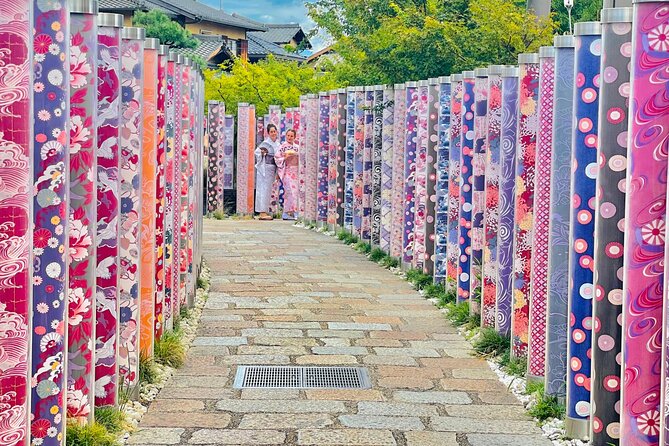
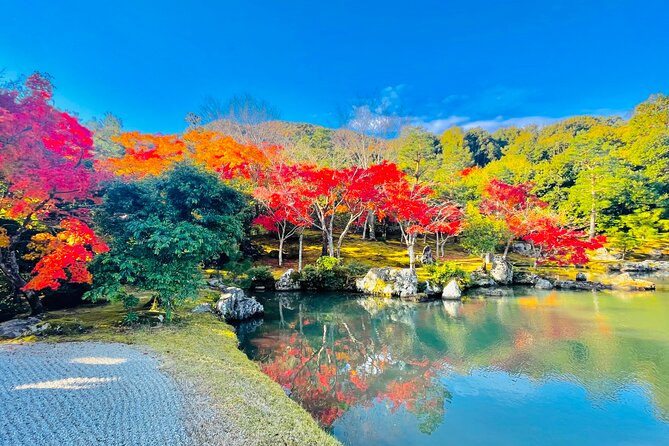
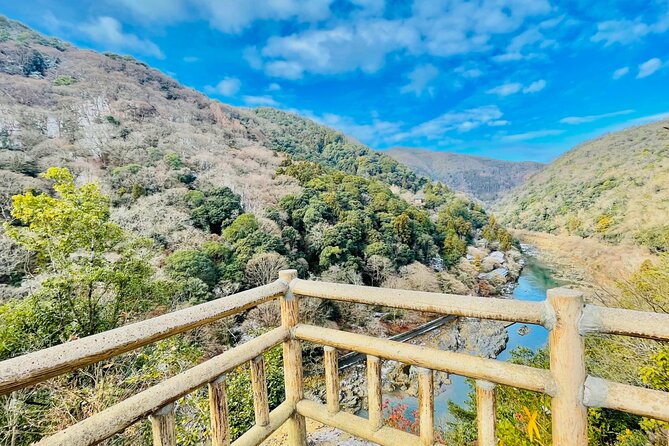
Your day begins in Arashiyama, where Kyoto feels natural and slower than the city core. The big draw is the Bamboo Grove area, plus the chance to visit Tenryu-ji Temple. This is a great way to start because the morning light and early timing often make the bamboo experience feel more peaceful than it does later.
What you’ll likely enjoy most:
- The contrast between the bamboo paths and temple grounds
- A bit of walking that feels scenic rather than rushed
- Temple atmosphere before your day turns into markets and crowds
The practical part: the time here is about 2 hours, and admission tickets are not included for this stop. That means you should budget for entry fees and keep your schedule flexible in case you want a slower walk or extra photos.
Drawback to consider: bamboo and temple areas can still be crowded depending on timing. The advantage you have is that your private guide can help you manage pacing, rather than you being stuck with a rigid group timeline.
Kinkaku-ji Golden Pavilion: iconic, but plan your timing
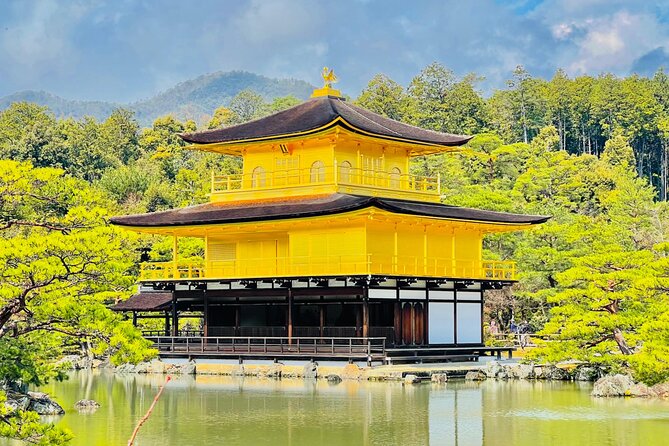
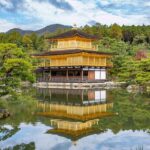
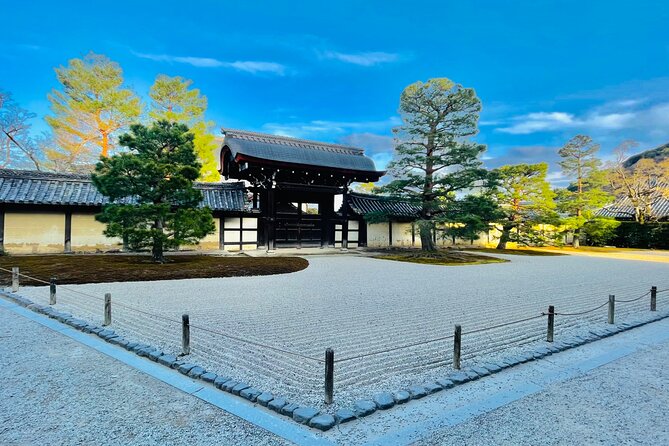
Next up is Kinkaku-ji (Golden Pavilion), one of Kyoto’s most famous UNESCO-listed sights. The reason it’s so recognizable is right in the details: the top floors are covered in shimmering gold leaf, and the whole scene has that photogenic “Kyoto postcard” look.
This stop is about 1 hour, and admission tickets aren’t included. That’s normal for major temples, but it’s important for budgeting. You’ll want to bring cash or be ready to pay entry when you arrive, depending on what’s available.
What makes this stop worth it:
- You’re seeing a symbol of Kyoto’s cultural and artistic identity
- You get the kind of famous view that’s hard to replicate elsewhere
- It sets a strong anchor point for the rest of the day
One thing to keep in mind: because it’s famous, it can draw crowds. The private-car format doesn’t magically remove crowds, but it helps you control how you experience the place—where you pause, when you take photos, and how long you stay inside.
You can also read our reviews of more private tours in Kyoto

Nishiki Market: Kyoto’s kitchen in one concentrated stop
Then you hit Nishiki Market, often called Kyoto’s Kitchen. This is the kind of place where you can snack your way through Kyoto. It’s a covered shopping street with over 100 shops and stalls, so you’re not limited to one type of food or one vendor style.
The tour time here is about 1 hour, and it’s listed as free to enter. That’s a plus. You’re not paying for entry—you’re paying for what you want to eat and buy. Since meals aren’t included in the tour, this market stop is one of the most practical places to grab lunch-style bites without eating a formal restaurant meal.
What I like about building in a market:
- It breaks up temple time with everyday life
- You’ll see how locals experience flavors and shopping
- You can choose what fits your budget and appetite
Possible drawback: markets move fast. If you want a slower stroll, tell your guide early. In a private setting, you can stretch this stop, but you’ll have to adjust time elsewhere to keep the full-day pace.
Gion walk: classic streets and maiko spotting
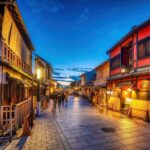
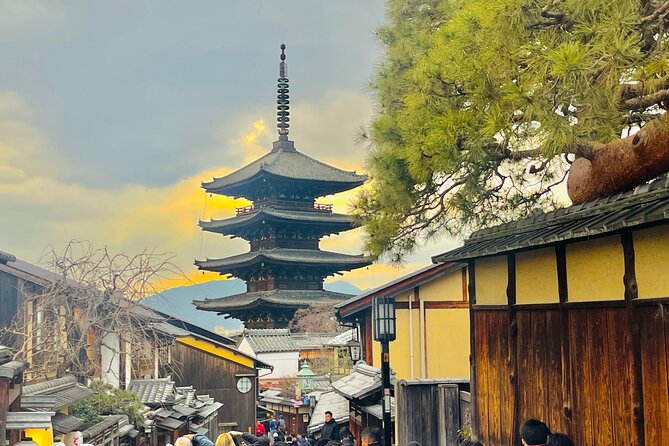
After Nishiki, the vibe shifts to tradition in Gion. This is where Kyoto feels like it’s showing you its older face—narrow streets and old-style wooden houses. The tour sets aside about 1 hour, and the stop is free.
The fun part is the unpredictability. You might spot a maiko (apprentice geisha) depending on the day, timing, and what’s happening on the street. Even when you don’t, Gion is still worth it because you’re walking through an area designed for atmosphere, not just landmarks.
How I suggest you enjoy Gion:
- Walk slowly and look at details in facades and alleys.
- Keep your phone ready, but also keep your eyes up—this area is more about street-level charm than one single view.
A consideration: Gion is a popular photo zone. If you’re sensitive to crowd density, the private format helps because you can pick the route lines and pacing with your guide instead of being stuck behind everyone.
Kiyomizu-dera: the terrace views and the temple grounds
Next is Kiyomizu-dera, another UNESCO-listed icon. The main draw here is that grand wooden terrace and the panoramic views from the temple area. It’s also one of those places where the approach feels part of the experience—approach stairs, temple grounds, then the viewpoint reveal.
This stop is about 1 hour and admission tickets are not included. Plan for that. If you’re budgeting, this is another entry fee you should expect.
Why it’s a strong stop in a private day:
- You get a sense of Kyoto’s scale from the terrace perspective
- It’s a different kind of sightseeing than markets or shrine gates
- It’s a classic “I get why people come” viewpoint, even if you’ve seen photos before
Potential drawback: views can be crowded, especially around the terrace. Your best strategy is to listen to your guide’s suggestions on where to pause and when to move so you’re not spending the entire hour stuck in one spot.
Fushimi Inari-taisha: torii gates that change your sense of time
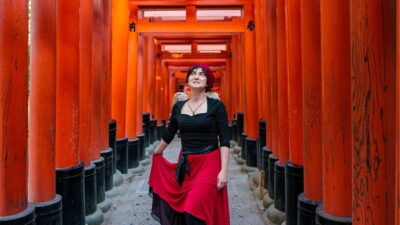
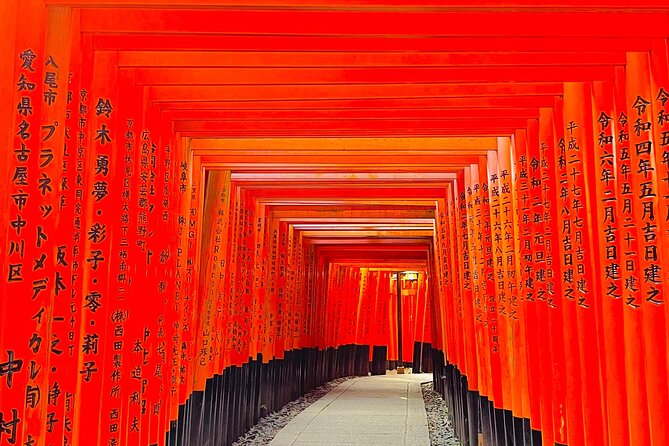
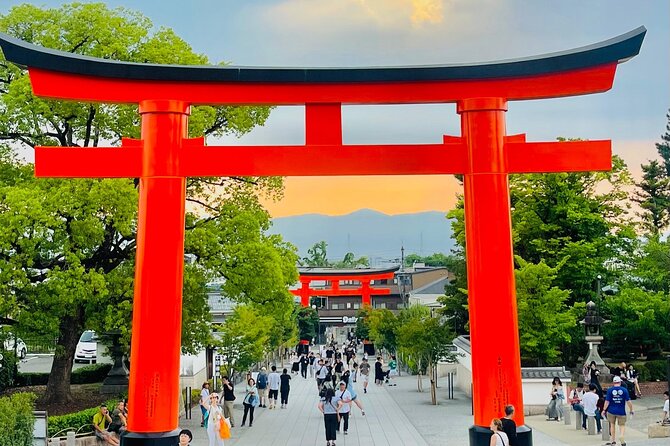
Your day finishes at Fushimi Inari-taisha, Kyoto’s most photogenic shrine for many people. The headline is the thousands of vermilion torii gates that form winding paths up Mount Inari. This is one of those places where the longer you look, the more it makes sense—each gate feels like a step deeper into a landscape of ritual.
The tour time here is about 1 hour, and admission is free. That’s a big plus. Since the tour doesn’t include meals, this free stop also helps you keep spending predictable.
How to get the most out of it:
- Don’t treat it like a single photo stop. Treat it like a walk.
- If you’re up for it, follow the torii path at a pace you can sustain for an hour.
- If your energy is limited, tell your guide and you can focus on the most photogenic stretches without overcommitting.
Consideration: it can be steep and crowded. A private guide can help you manage effort and spacing so you don’t feel like you’re rushing just to “finish.”
Logistics that matter: 8:30am start, full day, and no WiFi
This tour starts at 8:30am and runs about 8 to 10 hours. That’s a full day in Kyoto, so plan your energy accordingly. Wear shoes that work for walking on uneven temple and shrine grounds. Also, remember that WiFi isn’t provided on the vehicle, and meals aren’t included—so have a plan for snacks and hydration.
One smart approach is to think of the day as two halves:
- Morning: temples and iconic sights (Arashiyama, Golden Pavilion)
- Afternoon: market + neighborhoods + more viewpoints (Nishiki, Gion, Kiyomizu-dera, Fushimi Inari)
This matters because you’ll likely feel a different kind of fatigue at different times—walking fatigue in temple zones, then sensory overload in markets and street areas. A guide helps you regulate pacing so the day stays enjoyable.
Who this tour is best for
This is a strong match if you want:
- A customized day rather than a strict bus schedule
- An English-speaking guide who can answer questions as you see the sights
- A private setup for couples, small families, or groups up to 6
- Pickup from Kyoto, Osaka, or Nara to reduce commuting stress
It’s also a great choice for people doing multiple cities in Japan. When you’re moving often, convenience becomes more valuable. A private car day is one of the easiest ways to protect your time.
Where it might not be your best fit:
- If you’re traveling solo and want the lowest possible cost, $499 per group can feel hard to justify.
- If you don’t want to pay extra temple entry fees, you should note that several major stops aren’t included.
Should you book this Kyoto Highlights Private Car Day Tour?
I’d book it if you want a Kyoto day that feels planned but not rigid. The big selling points—private vehicle comfort, English-speaking guide support, and a route that mixes temples, markets, and neighborhoods—make it a practical way to see a lot without turning it into an endurance test.
If you’re traveling with a small group, the value improves quickly. If you’re okay budgeting for separate temple admissions and you’re the type who likes context (not just photos), this tour fits your style.
On the other hand, if you prefer totally independent wandering with trains and buses, you might be happier building your own route. But for many visitors, the stress saved is worth the price.
FAQ
How many people are in a group for this private tour?
The tour is priced per group and accommodates up to 6 people.
What time does the tour start, and how long does it last?
The start time is 8:30am, and the duration is about 8 to 10 hours.
Where can pickup and drop-off happen?
Pickup is available from Kyoto, and it’s also offered from Osaka and Nara for an extra 15,000 yen. Drop-off is part of the service as well.
Is there an English-speaking guide?
Yes. The tour includes an English-speaking driver/guide.
Are admission tickets included for all stops?
No. Admission tickets are not included for Arashiyama Bamboo Forest, Kinkaku-ji, and Kiyomizu-dera. Nishiki Market and Gion are listed as free, and Fushimi Inari-taisha is listed as free.
What’s included in the tour price?
Included items are an air-conditioned vehicle, parking fees, private transportation, and pickup/drop-off options (with the Osaka/Nara extra fee).
Is WiFi provided on board?
No, WiFi on board is not included.
What is the cancellation policy?
You can cancel for free up to 24 hours in advance of the experience start time for a full refund. If you cancel less than 24 hours before, the amount paid is not refunded.
If you want, tell me your hotel city (Kyoto, Osaka, or Nara) and your ideal pace (slow photos vs. lots of stops), and I’ll suggest how to plan your day around this route.