Kyoto by e-bike feels like cheating. This private ride helps you check off major landmarks fast, then slow down for the quiet Kyoto details with an included rental and guide.
I like two things most: you do not need to hunt for equipment because the bike is provided, and your pace is flexible since it’s private and your guide adjusts along the way.
One consideration: you’ll need to feel comfortable riding a bicycle in busy areas, with a moderate fitness level expectation, since the route mixes short sightseeing stops with actual cycling time.
In This Review
- Key reasons this e-bike tour works in Kyoto
- The big idea: Kyoto landmarks without the walking slog
- Price and what you truly get for $198.15
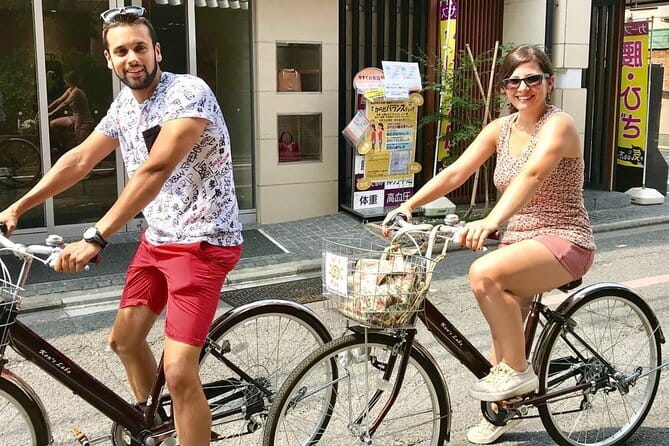
- Your bikes: electric help plus real comfort
- How the private guide shapes the day
- The Kyoto route: famous gates, temple pauses, and river calm
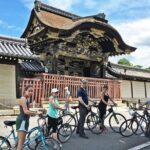
- Higashi Hongan-ji: big temple energy to start
- Fushimi Inari-taisha: the red torii corridor (and how to enjoy it without burnout)
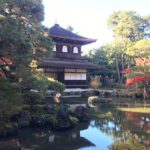
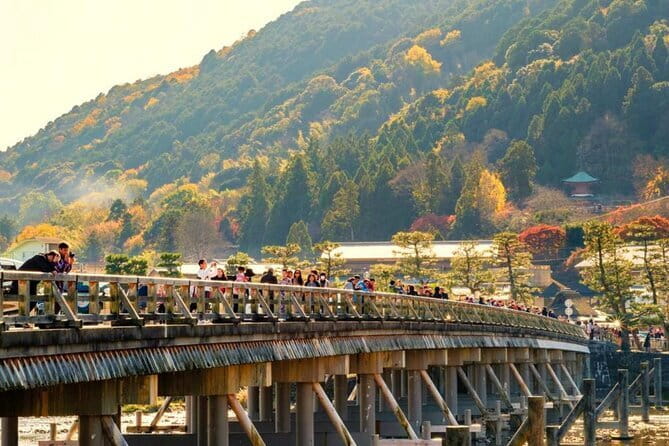
- Tofuku-ji and Komyo-in: garden calm and autumn-style views
- Hōkan-ji (Yasaka Pagoda): Higashiyama photo moment
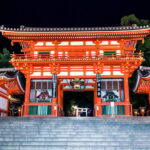
- Yasui-Konpiragu and Gion: shrine meaning plus old-street atmosphere
- Shirakawa River area: the calm payoff after shrine crowds
- Heian Jingu torii: a massive gateway with easy time cost
- Nanzen-ji and the Suirokaku aqueduct: stone-and-brick character
- Philosopher’s Walk and Honen-in: a slower north-side mood
- Shimogamo Jinja and Kamogawa Delta: older Shinto feel and local scenery
- Kyoto Gyoen, stepping stones, and shopping streets to wrap the day
- What you should bring (and what not to sweat)
- How long should you choose: 4 hours or closer to 8?
- Who this tour suits best
- Should you book KIYOTO’s Kyoto Private E-Cycling Tour?
- FAQ
- How long is KIYOTO’s Kyoto private e-cycling tour?
- What does the tour cost?
- Is the electric bike included?
- Is this a private tour?
- Do I need to buy tickets for temples and shrines?
- Are food and drinks included?
- Where does the tour start?
- How does ticketing work?
- Are there options for kids?
- Can I cancel for free?
Key reasons this e-bike tour works in Kyoto
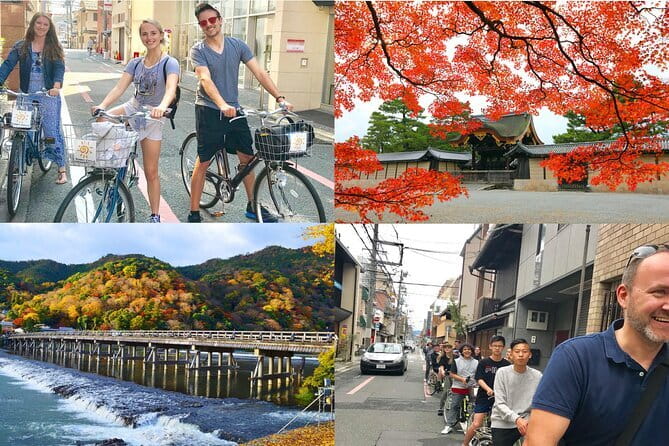
- Electric bike rental included, with a normal cycle available too
- Private tour pacing means you can go faster, slower, or reframe the day based on your interests
- Guide-led stories and photo help keep the stops from feeling like a checklist
- A mix of famous shrines and quieter river-side corners, all in one ride
- Family-friendly options exist, including kids’ bikes (non-electric) and request-based kids seating
The big idea: Kyoto landmarks without the walking slog
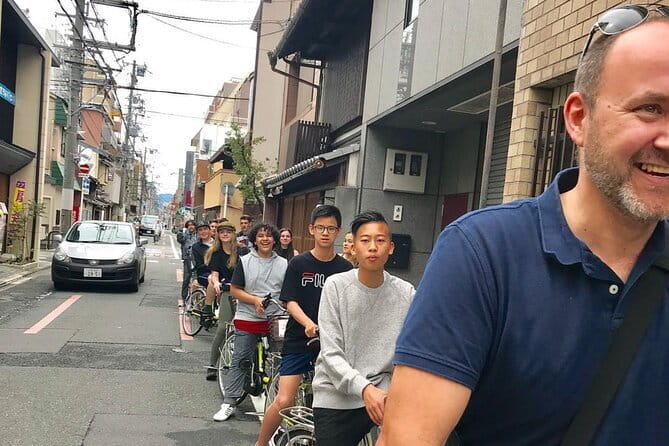
Kyoto is gorgeous, but it can also be exhausting. Even first-timers who love walking usually hit the same wall: big sights are spread out, crowds slow you down, and you end up spending more time moving between places than actually seeing them.
This private e-cycling tour is built for exactly that problem. With the included electric bike, you can keep your energy for the highlights—then still have enough stamina to enjoy smaller moments like riverside paths and side streets. The result is a day that feels longer in the right ways, because you’re not constantly checking directions, hunting for entrances, and waiting for your feet to recover.
You can also read our reviews of more cycling tours in Kyoto
Price and what you truly get for $198.15
At $198.15 per person, this isn’t a budget stroller-style tour. But it has several value drivers that matter in Kyoto:
- Bike rental is included, so you’re not paying extra for transport gear
- The tour is private, so you’re not stuck with a pace that doesn’t fit your group
- The guide is actively involved, not just pointing out sights
- Admission isn’t fully bundled, but many of the stops on this route are free, so you’re not automatically paying at every location
It’s also flexible in duration. The tour runs about 4 to 8 hours, which matters because Kyoto days can balloon. If you choose the shorter option, you can focus on the core classics. If you choose a longer one, the ride opens up more of Kyoto’s temple-and-stroll rhythm without turning the whole day into a leg workout.
Your bikes: electric help plus real comfort
The tour provides an electric bike, and there’s also a normal cycle available. That sounds simple, but in practice it changes how you experience Kyoto.
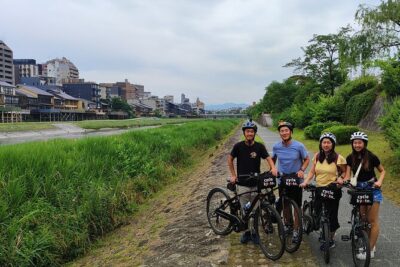
With the e-bike, you can handle hills and longer connections without arriving at each stop totally spent. You still ride the bike (you can’t skip that part), but you’re less likely to feel like you’re grinding through the day just to reach the next torii gate.
It also helps with pacing. A private guide can slow down for photo moments and explanation, then move you along before the crowd wave hits—without making you feel trapped in a rigid schedule.
From the info you’re given, you’ll want moderate physical fitness and you must be able to ride a bicycle. If you’re bringing kids, the operator has kids’ bikes (non-electric) and kids seats available in limited quantities, so request ahead if that’s part of your plan.
How the private guide shapes the day
The standout pattern across guide experiences is that they don’t treat the day like a factory line.
You’ll get:
- Culture and history stories as you ride between key points
- A guide who takes photos (handy for those Kyoto moments you want to remember clearly)
- Safety attention, especially when weaving through busy streets
- The ability to tailor the bike ride toward places you haven’t done yet, based on your group
Guide names you might encounter include Yonnie, Yuhey, Yuichi, Mana, Polina, Kento, and Takuma. Since this is private, your guide is your main variable, and that’s a big reason this works well. You’re not just seeing Kyoto—you’re getting a human filter for it.
The Kyoto route: famous gates, temple pauses, and river calm
The ride connects a lot of Kyoto in one day. Since duration varies, you may not see every single stop on your chosen length, but this is the map style you can expect: start with major central sights, swing through iconic shrine-and-temple areas, then spend meaningful time in Higashiyama/Gion river space, and potentially continue into the north/river/park side depending on time.
Below is what each type of stop means for your experience, and what to watch for.
You can also read our reviews of more private tours in Kyoto
Higashi Hongan-ji: big temple energy to start
If your day includes Higashi Hongan-ji, you’ll be stepping into a major Jodo Shinshu Buddhist temple area established in 1602. The draw here is scale: vast grounds and an impressive main hall called the Goeido. It’s a strong start because it gives Kyoto’s spiritual side a “hold your attention” moment right away.
Watch-outs: this is less about tiny postcard views and more about appreciating the size and atmosphere. If you want quiet introspection, ask your guide when the calmer times might be.
Fushimi Inari-taisha: the red torii corridor (and how to enjoy it without burnout)
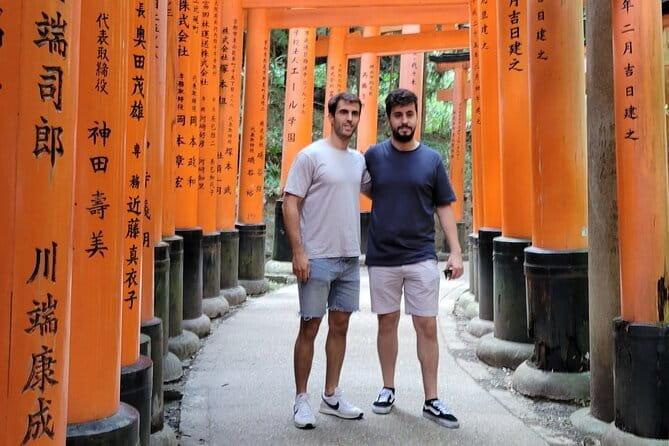
Fushimi Inari-taisha is the head shrine for Inari shrines across Japan, and it’s famous for thousands of bright red torii gates climbing along trails. This stop is free, and the scheduled time is about 40 minutes.
How to make it better:
- Don’t rush the tunnel. Let the “repeating shapes” do their job.
- If the line flow is heavy, you can still enjoy the views and atmosphere without sprinting upward the entire time.
This is one of the best places to use the e-bike wisely. You arrive with energy, then spend it where it counts.
Tofuku-ji and Komyo-in: garden calm and autumn-style views
At Tofuku-ji, you’re looking at the Tsutenkyo Bridge, a classic autumn-color spot that spans a valley. The tour time here is short (about 10 minutes) and admission is listed as free.
If Komyo-in Temple is included, it’s known as a calmer sub-temple with a tranquil garden, with autumn leaves described as stunning. Time there is about 20 minutes, and the admission is noted as not included. So budget a bit for this part if it appears on your day.
Practical take: when your day includes both Tofuku-ji and Komyo-in, you get a nice contrast—big postcard spot at the bridge, then slower garden atmosphere.
Hōkan-ji (Yasaka Pagoda): Higashiyama photo moment
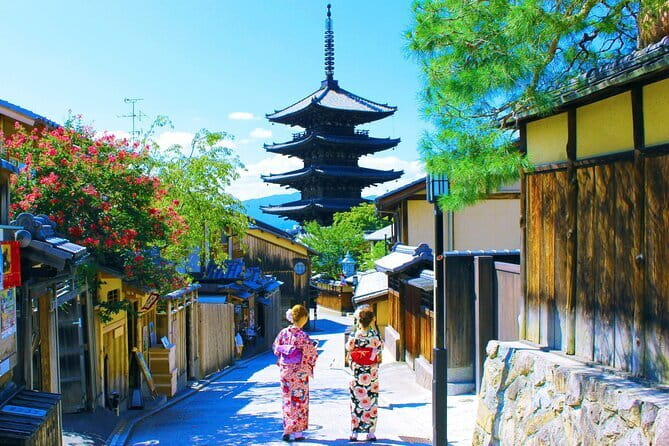
Hōkan-ji, home to the Yasaka Pagoda, is a quick but memorable pause (about 20 minutes). This is one of those Kyoto scenes where the architecture has that “ancient silhouette” feel against the historic district backdrop. Admission is listed as free.
If you care about photos, this is usually where the guide’s picture help matters. Ask for a couple of angles; pagodas photograph well from different distances.
Yasui-Konpiragu and Gion: shrine meaning plus old-street atmosphere
Yasui-Konpiragu (about 10 minutes) is associated with prayers connected to relationships—both cutting off bad ties and attracting good connections. Admission is free. It’s not just a stop; it’s a cultural snapshot of how people use shrine visits for real-life goals.
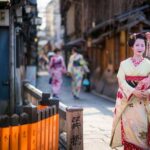
Then the ride often heads toward Hanamikoji Street in Gion (about 10 minutes, free). This area is lined with traditional tea houses and restaurants. You might not see geisha in motion on demand, but the street’s atmosphere is the point.
Shirakawa River area: the calm payoff after shrine crowds
This is where many Kyoto days either collapse into congestion or recover into peace—and this route is designed to give you the peace.
You may stop at:
- Tatsumi Bridge (about 10 minutes, free) along the Shirakawa River
- Shirakawa Canal / Gion Shirakawa (about 15 minutes, free), with traditional machiya houses and the canal vibe
- Shirakawa Shinsui Terrace (about 15 minutes, free), a riverside walkway where you can get close to the water sounds
This sequence matters because it breaks the intensity of shrine-hopping. You bike in, park your brain for a bit, and let Kyoto’s quieter rhythm reset you.
Heian Jingu torii: a massive gateway with easy time cost
Heian Jingu Shrine Otorii is listed as a stop (about 15 minutes, free). The torii is huge at 24.2 meters tall and was built in 1929. It’s a straightforward photo target with a clear focal point, which makes it a good use of time during a longer cycling day.
Nanzen-ji and the Suirokaku aqueduct: stone-and-brick character
At Nanzen-ji (about 15 minutes, free), you’re in a major Rinzai sect temple area with long-running significance. If Nanzenji Suirokaku (the brick aqueduct) is included (about 10 minutes, free), you get a different type of Kyoto structure: engineered history, completed in 1888, built to transport water from Lake Biwa.
This is one of those stops where you’ll appreciate how Kyoto mixes aesthetics with function. Ask your guide to point out what makes the aqueduct special versus a garden feature.
Philosopher’s Walk and Honen-in: a slower north-side mood
Philosopher’s Path is described as about 2 kilometers along the Biwa Canal area in the Sakyo Ward, and the time listed is about 30 minutes. It’s a scenic walking-style corridor, so it’s a nice fit when you want a slower, steadier scene rather than a single landmark photo.
If Honen-in is included, it’s a peaceful Zen temple said to be founded in the 13th century, set in a forest-like area. Time is about 15 minutes and admission is listed as free.
Shimogamo Jinja and Kamogawa Delta: older Shinto feel and local scenery
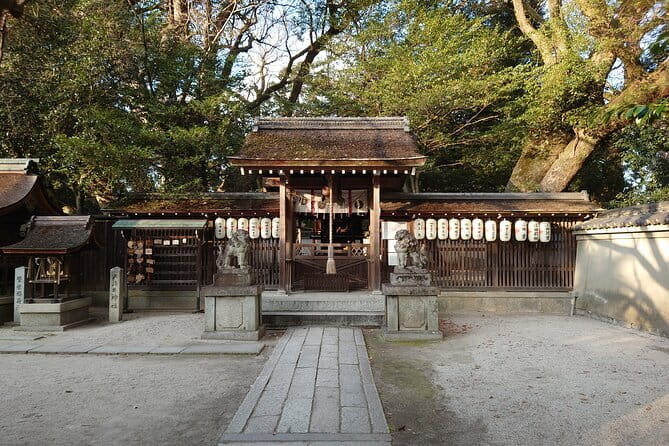
Shimogamo Jinja is described as one of the oldest Shinto shrines in the region, with roots said to trace back to around 90 BC. Time is about 30 minutes, free. This is a different energy than the famous torii corridors, and it rewards people who like quieter spirituality.
Kamogawa Delta / Kyoto Prefectural Kamogawa Park (about 15 minutes, free) adds seasonal scenery and the fun detail of stepping stones shaped like turtles and birds. If you like doing one playful thing in between serious sights, this is it.
Kyoto Gyoen, stepping stones, and shopping streets to wrap the day
Kyoto often ends with either a museum feeling or a food-and-stroll feeling. This route can do both.
- Kyoto Gyoen is a large park area around the former Imperial Palace site, known for seasonal nature like cherry blossoms (time not specified in the data, but included as a stop).
- Stepping stones at Kojin (Ebisugawa Tobiishi) are described as a fun local-style photo break (about 10 minutes, free).
- Teramachi-dori Street is a lively north-south shopping street (about 10 minutes, free).
- Sanjo Street is described as a main east-west hub with restaurants and cafes near Kawaramachi and the Kamo River (time not specified).
Food and drink aren’t included, so treat these as places to grab a real Kyoto snack or proper meal once the cycling part slows down.
What you should bring (and what not to sweat)
The tour includes bike rental, so you don’t need to source equipment. That said, you still want to show up ready to ride.
Plan on:
- Comfortable clothes for cycling
- A water plan, since food and drink are not included
- A willingness to ride a bicycle through some busy traffic pockets
If you’re coming in a group with mixed ages, talk through what each person can handle. The tour supports kids with limited non-electric bikes and possible seating requests.
How long should you choose: 4 hours or closer to 8?
The duration ranges from about 4 to 8 hours, so your ideal choice depends on what you want Kyoto to feel like that day.
- If you want a highlight-focused sampler, a shorter window keeps stress down and still gives you major sights like Fushimi Inari and the Higashiyama/Gion river area.
- If you want a bigger emotional sweep, a longer day gives time for more variety, including additional temple terrain and park or north-side rhythm like Philosopher’s Walk, Honen-in, and Shimogamo Jinja, plus ending in lively city streets.
Either way, private pacing is the safety net. Your guide can adjust the order and keep you from feeling like you’re sprinting between stops.
Who this tour suits best
This experience is a strong match if:
- You want to cover a lot of Kyoto without turning your day into a sore-feet contest
- You like having a guide explain culture and history while you move through real neighborhoods
- You’re traveling with family members who need a pace that’s easier than walking all day
It may not be for you if:
- You’re not comfortable riding a bicycle
- You prefer long, slow temple time and dislike frequent movement
- Your group wants zero exposure to busy streets, since cycling routes do include them
Should you book KIYOTO’s Kyoto Private E-Cycling Tour?
If you’re trying to balance “classic Kyoto” with real time savings, I’d book it. The combination of an included electric bike, private guide control, and a route that mixes major icons with river-and-street atmosphere is exactly how you avoid the Kyoto burnout cycle.
Do book with eyes open: you’re cycling, not just touring. As long as your group can ride and handle some busy-road moments with a guide’s safety focus, this is a smart way to see a lot of Kyoto in one day without losing the soul of the city.
FAQ
How long is KIYOTO’s Kyoto private e-cycling tour?
It runs about 4 to 8 hours, depending on the option you choose.
What does the tour cost?
The price is $198.15 per person.
Is the electric bike included?
Yes. Electric bikes are included in the tour. A normal cycle option is also available.
Is this a private tour?
Yes. It’s a private activity, meaning only your group participates.
Do I need to buy tickets for temples and shrines?
Paid entrance is not included. Some stops are free, but you should expect that certain entrances may require payment.
Are food and drinks included?
No. Food and drink are not included.
Where does the tour start?
The meeting point is Sunny CycleJapan, 600-8419 Kyoto, Shimogyo Ward, Ōhorichō, 477 1F.
How does ticketing work?
You get a mobile ticket.
Are there options for kids?
Yes. Kids’ bikes (non-electric) and kids seats are available, but quantities are limited, so you need to request them when booking.
Can I cancel for free?
Yes. Free cancellation is available up to 24 hours before the experience start time.
If you tell me your ideal time of day and whether you’re traveling with kids or anyone who’s less confident on bikes, I can help you pick the best 4-hour vs 8-hour style plan.