REVIEW · KYOTO
Kyoto Adventures Private English Tour With Hotel Pick Up
Book on Viator →Operated by Toddyland Travel and tourism · Bookable on Viator
Kyoto in one day, minus the crowd math. This private car tour with hotel pickup lets you hit major sights fast, yet still choose how long you stay at each stop. I like the convenient hotel pickup and the way the schedule is flexible enough to match your energy, not the other way around.
Two things really add up here. First, you get a private air-conditioned vehicle so you’re not squeezing onto trains and buses. Second, the day is built for efficiency, while still letting you linger when a place grabs you—like the Golden Pavilion area or the red torii climb at Fushimi Inari. One caution: for some people, it can feel more like a private driver plus time at sites than a tour with lots of deep explanations, and pickup mix-ups can steal part of your start time.
The real difference often comes down to the person behind the wheel. In the experiences tied to this service, drivers/guide-types such as Aka, Usama, Hassan, and Nomi have been described as friendly, patient, and good at giving practical site-navigation tips. If you’re the kind of traveler who wants lively commentary at every stop, you’ll want to set that expectation up front.
In This Review
- Key things to know before you go
- Private Kyoto by car: what you gain over trains and buses
- Pickup, pacing, and the up-to-6 group setup
- Stop-by-stop: how this day feels from Kinkakuji to Gion
- Stop 1: Kinkakuji Temple and the Golden Pavilion approach
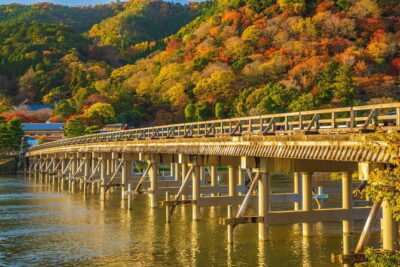
- Stop 2: Arashiyama bamboo walk and Tenryu-ji gardens
- Stop 3: Nishiki Market Shopping District for snacks and lunch
- Stop 4: Nijo Castle and its UNESCO buildings
- Stop 5: Kiyomizu-dera for the stage views
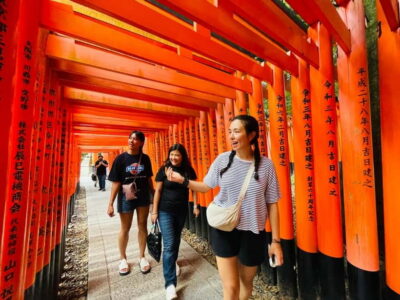
- Stop 6: Fushimi Inari-taisha and the red torii climb
- Stop 7: Gion on foot and around Hanamikoji
- Price and value: is $476.24 per group a good deal?
- Tickets, cash, and what to budget beyond the tour price
- When the driver is great (and when it feels like a drive)
- Best fit: who should book this Kyoto car tour?
- Should you book it? My straight answer
- FAQ
- How much does the Kyoto private car tour cost?
- How long is the tour?
- Are entry tickets included?
- Is hotel pickup included?
- Is there a tour guide included?
- Can I cancel for free?
Key things to know before you go
- Hotel pickup + private AC car saves you from Kyoto transit stress for a full day.
- Flexible stop times mean you can extend the moments you care about without renegotiating plans.
- Big Kyoto hits in 8–9 hours: Kinkakuji, Arashiyama, Nishiki Market, Nijo Castle, Kiyomizu-dera, Fushimi Inari, and Gion.
- Tickets aren’t included across the board (some stops have set entry fees), so you should budget for them.
- Food at Nishiki Market needs cash since it’s an open shopping/food street format.
Private Kyoto by car: what you gain over trains and buses
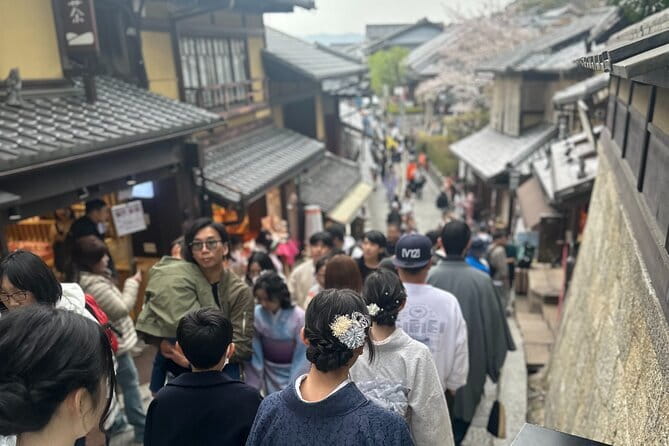
Kyoto looks simple on a map, but in real life it’s a patchwork of neighborhoods. That’s where a private car tour earns its keep. You cut out the constant switching: one platform to the next, timed connections, and the crowd surge that always shows up at the most popular viewpoints.
With a private vehicle, the day feels more like you’re moving through Kyoto neighborhoods with breaks built in. You get to spend your attention where it matters—on the temple gates, the gardens, and the street scenes—rather than on figuring out which train exit gets you closest to the next line you want to see.
I also like that the tour is designed for time efficiency. You’re not just going to one place. You’re stacking several iconic stops into a single day, which is exactly what most first-timers want in Kyoto. If your itinerary is otherwise packed—Osaka after this, or Tokyo before it—this kind of routing can protect your calendar.
You can also read our reviews of more private tours in Kyoto
Pickup, pacing, and the up-to-6 group setup
This is a private group tour with a maximum of 6 people. That matters because you’re not splitting time across strangers who have different walking speeds, different photo habits, or different comfort levels with steep steps.
The tour window is about 8–9 hours, which is long enough to cover a lot without feeling like you’re sprinting between stops all day. And because the pacing is adjustable, you can slow down when the site is busy, or when you want a calmer walk through gardens and corridors.
Hotel pickup is offered, which is one of the best perks in Kyoto. It saves you from the morning scramble: deciding when to leave, translating your address into the nearest landmark, and then standing around to wait for the timing to work out. That said, one real-world consideration is timing at the start of the day. There’s at least one account where confusion about the pickup point delayed things by about 45 minutes. My practical advice: before the day, confirm the exact pickup location with clear landmarks and a backup plan if you’re running late.
Stop-by-stop: how this day feels from Kinkakuji to Gion
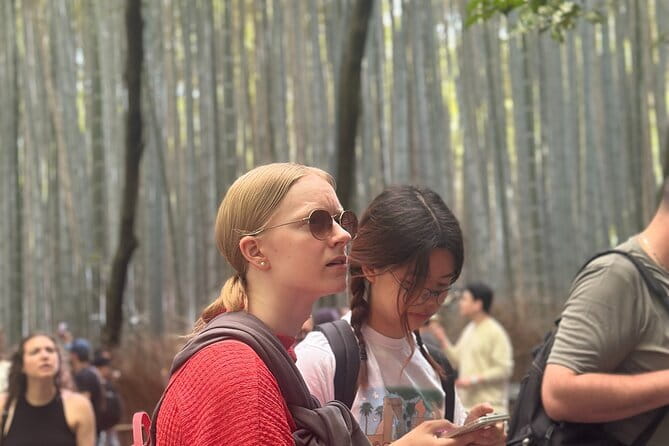
This itinerary is built like a greatest-hits route. But the better way to think about it is: each stop shifts the mood, so your eyes don’t get bored.
Stop 1: Kinkakuji Temple and the Golden Pavilion approach
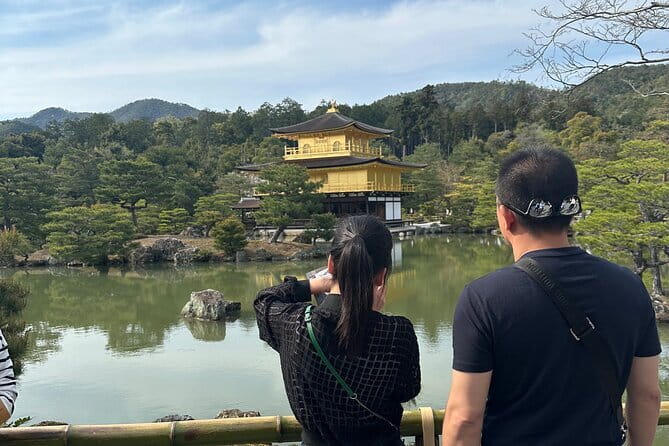
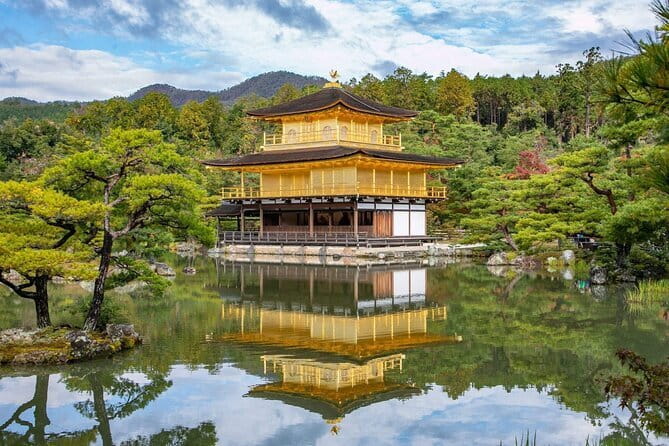
You start at Kinkakuji Temple, famous for the Golden Pavilion—an iconic Zen Buddhist site covered in gold leaf. Your scheduled time is about 1 hour, with an entry ticket listed at ¥500.
Kinkakuji is the kind of place where timing and viewpoint matter. If you can, spend a few minutes just walking the perimeter paths and looking for angles that frame the pavilion with water or garden lines. The gold leaf effect changes depending on where the light hits, so wandering a little is worth it even if you’re not a hardcore photographer.
Practical note: entry is not included in the package for this stop. So have a plan for getting cash or using the payment method you prefer at the gate.
Stop 2: Arashiyama bamboo walk and Tenryu-ji gardens
Next comes Arashiyama, one of Kyoto’s most recognizable scenic areas. Your time block here is about 1 hour 30 minutes, and the itinerary lists this stop as having admission ticket free in the package details.
Arashiyama is best understood as two experiences: the bamboo forest walk and the broader temple-garden atmosphere around Tenryu-ji (listed as part of what you visit). The bamboo path is famous for a reason. Even if you’ve seen photos already, the scale and the soundless hush you notice when you’re inside that corridor changes the experience.
I’d treat Arashiyama like a reset. After Kinkakuji’s iconic structure, this is your chance to slow down, take fewer photos, and actually walk.




Stop 3: Nishiki Market Shopping District for snacks and lunch
Then you’re headed to Nishiki Market, with about 1 hour 30 minutes on the schedule. Entry is free, and this is a great lunch option because vendors sell small bites you can sample as you wander.
Here’s the one detail I’d underline: bring cash. Even if you plan to use cards elsewhere in Japan, market stalls can still be cash-first. Food prices vary by vendor, so you can build a lunch that matches your appetite—quick bites or a heavier meal.
Nishiki is also useful as a logistical buffer. You get a break from long temple walks and you can refuel before climbing stairs and walking paths later in the day.
Stop 4: Nijo Castle and its UNESCO buildings
Nijo Castle is next, scheduled for about 1 hour, and it has an entry ticket listed at ¥1000. It’s another UNESCO site, and the highlight here is the combination of well-preserved historical buildings and the surrounding gardens.
Even if you’re not the kind of traveler who reads every label, Nijo works because it’s built for architectural attention. You can focus on the rooms, corridors, and the way the castle layout frames movement through space.
Budget for the entry fee, and give yourself enough time to slow down in the garden-adjacent areas. If you rush, you miss the feeling of stepping into old Kyoto formality.
Stop 5: Kiyomizu-dera for the stage views
Next up: Kiyomizu-dera Temple. Your time here is about 1 hour, and the ticket listed is ¥500.
Kiyomizu-dera is famous for its wooden stage, and the views from there are the whole point. This is where you look out over Kyoto rooftops and realize why people get dramatic about temples with terraces. I like spending a few minutes just standing and letting your eyes adapt—then you’ll start noticing the layers of streets, greenery patches, and how the temple sits in the city.
If you’re sensitive to crowds, go at a slower pace. You’ll enjoy the viewpoint more if you pause instead of constantly moving to the next photo spot.
Stop 6: Fushimi Inari-taisha and the red torii climb
Then you shift to Fushimi Inari-taisha Shrine, with about 1 hour 30 minutes. The package details list this as admission ticket free.
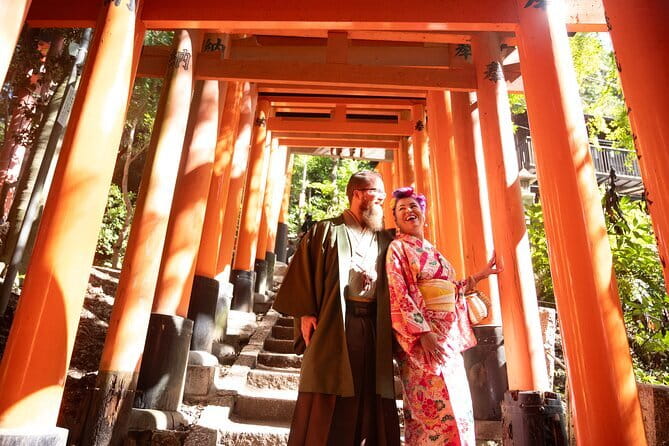
This is one of Kyoto’s most memorable walks because it’s not a single structure—it’s a path of thousands of red torii gates that climbs upward. The pace you choose matters a lot. If you want the classic torii perspective, you don’t need to race to the very top. You can pick a comfortable turnaround point and still get the full visual effect.
Practical strategy: wear shoes you can trust for stone steps and uneven ground. If your legs need a break, use the gates and side paths as natural pacing points.
Stop 7: Gion on foot and around Hanamikoji
Finally, you end in Gion, Kyoto’s geisha district. Your scheduled time is about 1 hour 10 minutes.
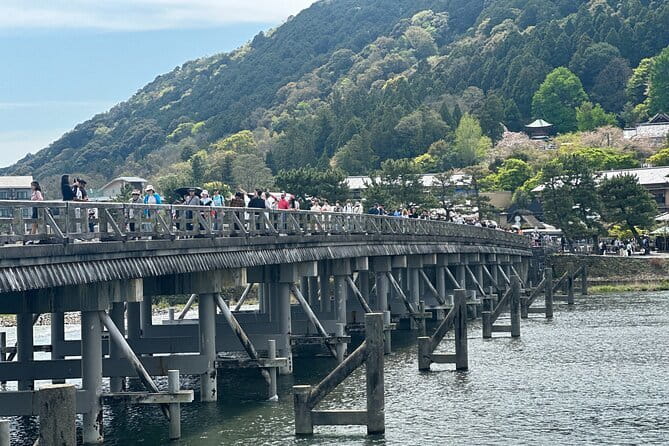
This stop is less about tickets and more about atmosphere. You’ll spend time around areas such as Tatsumi Bridge and Hanamikoji Street, where you may notice traditional-styled settings and upscale shops and restaurants. The important thing is to approach this as a walking and looking session, not a checklist.
If you want a bit more structure here, ask your driver for what to look for in the streets you’re walking. Some of the best experiences people describe are when the driver explains which streets are good for calmer walking and how to avoid getting stuck in thick foot traffic.
Price and value: is $476.24 per group a good deal?
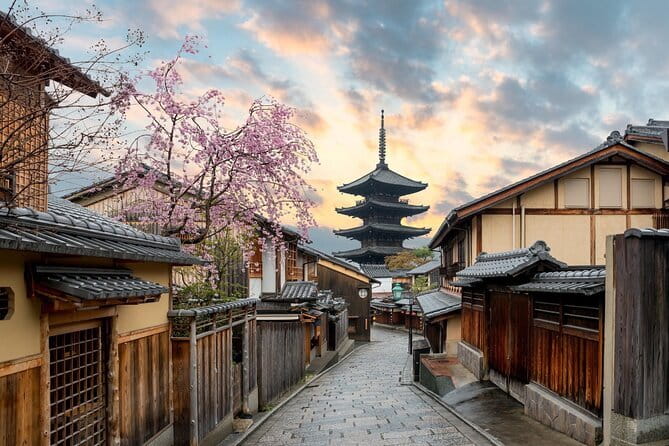
The price is $476.24 per group, up to 6 people. That’s a big difference-maker: the value changes based on how you split the cost.
- If you’re 6 people: about $79 per person.
- If you’re 2 people: about $238 per person.
So, when this feels like a bargain, it’s because you’re pairing the convenience of hotel pickup and a private vehicle with a group split. If you’re traveling solo or as a couple, it can still be worth it, but you’ll want to compare it to your expected transit time and the cost of taxi hopping between far-flung temples.
What’s included: fuel surcharge and a private air-conditioned vehicle. What’s not included: food and drinks, all entry tickets, and a tour guide line item.
That last part matters. Even though this is described as a private English tour, the provided details list tour guide as not included. In practice, some drivers in this service act like helpful guide-types. You’ll hear comments about patience, practical navigation tips, and explanations. But don’t count on deep, lecture-style guiding unless you confirm what you’re getting. If you want storytelling and commentary, message the provider ahead of time and ask directly about English-guiding during stops.
Tickets, cash, and what to budget beyond the tour price
The tour price covers transport and the vehicle service, not site entry fees. Here are the entry fees explicitly listed in the schedule:
- Kinkakuji Temple: ¥500
- Nijo Castle: ¥1000
- Kiyomizu-dera Temple: ¥500
The other key stops are listed with admission ticket free in the package details, including Arashiyama, Nishiki Market, Fushimi Inari-taisha, and Gion.
Then there’s food. Nishiki Market is perfect for lunch, but you should assume you’ll spend something at stalls. The tour specifically nudges you to bring cash for market purchases, and food pricing varies.
My practical budgeting rule: add a small buffer for entry fees plus a lunch budget, then decide whether you want snacks at the market or later. Kyoto’s a place where spending is easy even when you try not to.
When the driver is great (and when it feels like a drive)
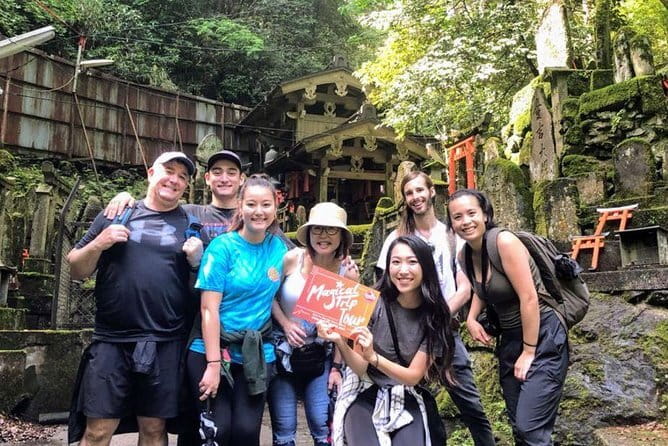
This kind of tour lives or dies on the people you’re with. In this service, the driver/guide can range from very hands-on to more hands-off.
On the positive side, some driver/guide experiences are described as:
- friendly and patient through a full day
- providing tips and tricks for navigating sites
- communicating easily with guests (WhatsApp came up)
- letting you choose your time at locations without pushing you out the door
Names tied to those strong experiences include Aka, Usama, Hassan, and Nomi. One especially useful detail: one person noted a driver who can also act as a photographer, which can help if you want better shots without turning your day into constant posing.
On the caution side, some people felt the day was more of a private vehicle with self-guided time at each stop, with limited information provided. Another mentioned delays from pickup confusion and that the level of enthusiasm and local-language comfort can affect how much you learn in the moment.
So here’s how to protect yourself: before the day, tell your driver what you want. Ask for quick context on each stop and whether they can point out the best viewpoints or calmer lanes. You’re paying for private convenience; you can also negotiate how involved you want the explanations to be.
Best fit: who should book this Kyoto car tour?
This tour is especially good if:
- you’re short on time and want multiple top sights in one day
- you don’t want to wrestle with transit timing across Kyoto
- you like flexible stop length and want to control your pacing
- you’re traveling in a small group (up to 6) and can split the cost
It may be less ideal if:
- you expect a full, scripted guided tour at every stop with deep commentary
- you’re very sensitive to delays at the start of the day and you don’t want to be flexible
If you’re a first-timer to Kyoto, this itinerary has the right mix: one big temple start (Kinkakuji), a nature-scenic reset (Arashiyama), a lunch street (Nishiki), then castle and hill views (Nijo and Kiyomizu), followed by the signature walk (Fushimi Inari) and finishing in Gion.
Should you book it? My straight answer
Book it if your top priority is saving time and keeping the day smooth with hotel pickup plus a private AC car. This is the kind of Kyoto day that helps you feel like you accomplished something without spending half the hours figuring out buses.
Hold off or message for clarification if you care deeply about guided storytelling. The package details don’t include a tour guide, so you’ll want to confirm what kind of English guidance you’ll actually get during the stops.
One more practical nudge: this tour is often booked well ahead (it averages around 61 days in advance). If your dates are fixed, don’t wait until the last minute.
FAQ
How much does the Kyoto private car tour cost?
It costs $476.24 per group, up to 6 people.
How long is the tour?
The tour runs about 8 to 9 hours.
Are entry tickets included?
No. Temple and shrine entry fees are not included, and the itinerary lists tickets for some stops such as ¥500 for Kinkakuji, ¥1000 for Nijo Castle, and ¥500 for Kiyomizu-dera.
Is hotel pickup included?
Yes, pickup is offered, and it’s described as a convenient option to start the day from where you’re staying.
Is there a tour guide included?
The details list tour guide as not included. The experience is described as a private English tour, so communication in English may be handled by your driver, but you should confirm what guidance is provided during stops.
Can I cancel for free?
Yes. You can cancel up to 24 hours in advance for a full refund.