REVIEW · KYOTO
Private Kyoto Geisha Districts Walking Tour
Book on Viator →Operated by Beauty of Japan · Bookable on Viator
Kyoto’s geisha streets are best with a guide. In a few hours, this private walk strings together Kennin-ji Temple, Pontocho, and the Miyagawacho and Gion areas, so you understand what you’re seeing instead of just wandering.
I love the temple-to-street flow: you start at Kennin-ji Temple, then shift to the lanterny side alleys of Pontocho, and finish in the best-known geisha districts. I also love the way the route is paced, with enough time in each neighborhood to catch details like traditional storefront styles, old lane layouts, and the differences between districts.
One consideration: there’s no guarantee you’ll see or meet geisha during the tour, so treat this as a cultural walk with geisha-district context first. And like most Kyoto walking plans, it can shift with weather and day conditions.
In This Review
- Key highlights you’ll actually feel
- Why this 4-hour Kyoto geisha district walk works
- Starting at Gion-Shijo: the smart launching point
- Stop 1: Kennin-ji Temple and its Rinzai Zen roots
- Stop 2: Pontocho’s lantern lanes by the river
- Stop 3: Miyagawacho Koan and the reality of spotting maiko
- Stop 4: Gion’s famous lanes, including Gojyorakuen
- Price and value: is $234.11 worth it?
- The guides make a difference
- How to get the most out of each district
- Who this tour suits best
- Should you book this private Kyoto geisha districts walking tour?
- FAQ
- How long is the private Kyoto geisha districts walking tour?
- Where does the tour start and end?
- Is this tour private?
- What are the main stops on the route?
- Is admission included?
- Will I see or meet geisha during the tour?
- What is included in the price?
Key highlights you’ll actually feel
- Private, English-speaking local guide who helps you read Kyoto’s streets like a local
- Kennin-ji Temple stop with admission included (one temple/shrine entrance fee is covered)
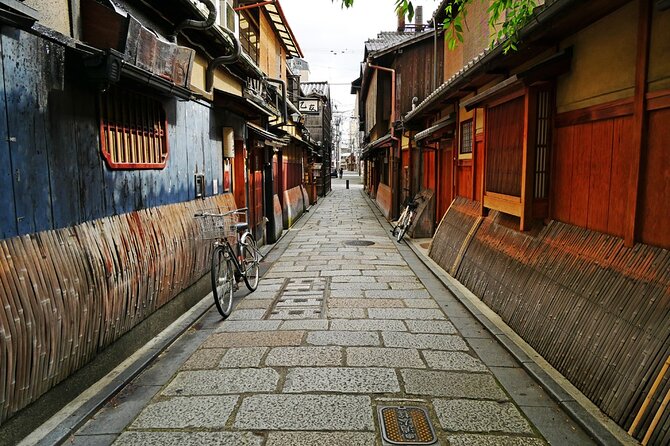
- Pontocho and Kamogawa-area alley atmosphere with classic Kyoto lane views
- Miyagawacho Koan for maiko and geisha culture context and seasonal seasonal performances like Miyako Odori in spring
- Gion walk with stops tied to historic lanes like Gojyorakuen
- Mobile ticket + group discount options that make planning easier
Why this 4-hour Kyoto geisha district walk works
This is one of those tours that feels efficient without feeling rushed. You get a clear arc: a Zen temple morning vibe (even if it’s afternoon), then river-adjacent alleys, then the formal, name-brand geisha streets people picture when they think of Kyoto.
The biggest win is the guide. When you have someone who knows the neighborhoods, you start noticing patterns: how lanes curve, where sightlines open up, and which streets were designed for foot traffic rather than car access. Kyoto is easy to enjoy on your own, sure. But when you want meaning, not just photos, a guide pays off fast.
The format also matters. This is private (only your group), and the tour runs about 4 hours. That’s long enough to feel like you had a plan, not just a quick hit.
You can also read our reviews of more walking tours in Kyoto

Starting at Gion-Shijo: the smart launching point
You meet at Gion-Shijo Station (1 Chome Miyagawasuji, Higashiyama Ward). It’s practical: you’re already in the right part of Kyoto for heading toward the geisha districts without wasting time on cross-town transit.
I like that the tour ends back at the meeting point. It’s the kind of detail that keeps your afternoon from turning into logistics. After the walk, you can keep going on your own or grab food nearby without worrying about getting stranded somewhere else.
Also, there’s a confirmation step within 48 hours, and the experience is subject to availability. In plain terms: if you’re traveling during peak seasons, book sooner. The fact that it’s commonly reserved about 40 days in advance suggests people know it sells out.
Stop 1: Kennin-ji Temple and its Rinzai Zen roots
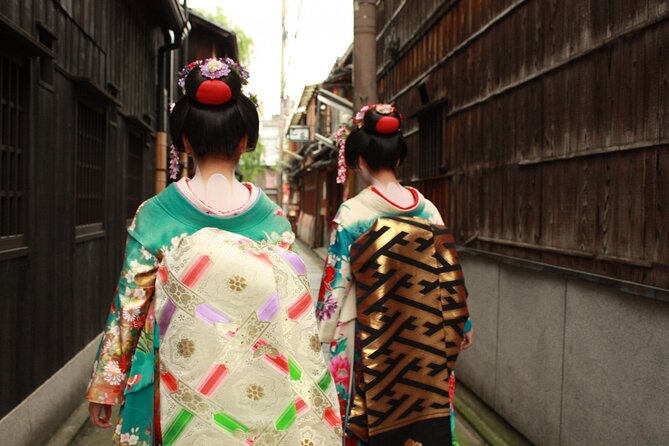
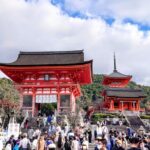
You spend about 45 minutes at Kennin-ji Temple, and the admission ticket is included. This isn’t just a photo stop. Kennin-ji is known as one of Kyoto’s oldest Zen temples, founded in 1202 by Eisai, the monk credited with introducing the Rinzai sect of Zen Buddhism to Japan.
What I like about starting here is the mood reset. Before you hit the entertainment districts, you get a calmer lens on Kyoto: quiet spaces, garden views, and the sense that religious life shaped the city long before it became a geisha-district magnet for visitors.
What to watch for: Zen temples reward slow looking. In 45 minutes, you’ll be tempted to sprint through. Don’t. Step back and look at how the grounds and buildings guide you. Even if you don’t know every architectural term, you’ll feel the intent behind the layout.
A small drawback: since one location has entry included, don’t assume every stop is ticketed. Kennin-ji is covered, but the rest of your walk is more about street viewing and neighborhood context.
Stop 2: Pontocho’s lantern lanes by the river
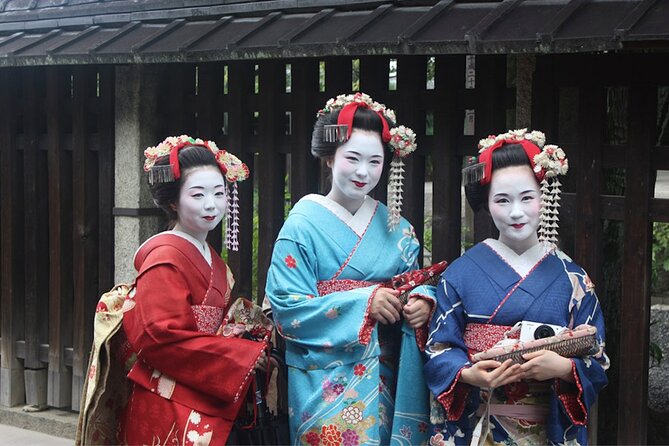
Next up is Pontocho, around 30 minutes, and the admission is free. Pontocho sits between the Kamogawa River and Kiyamachi Street, with classic Kyoto features: narrow lanes and traditional wooden buildings.
This is where your senses get a workout. Even on daylight hours, Pontocho’s narrow structure creates that Kyoto feeling—street walls close in, views open and close, and you start noticing how shopfronts and restaurant entrances face the lane rather than the street.
A practical tip: wear shoes you trust. The charm is in the tight lanes and uneven corners. If you’re planning to do lots of walking that day, this is the part where you’ll be grateful you didn’t pack lightweight but flimsy footwear.
Another consideration: Pontocho is photogenic, and it can be busy depending on the time of day. A guide helps you pick the moments when the lane looks best and when you’re not staring into a wall of people.
Stop 3: Miyagawacho Koan and the reality of spotting maiko
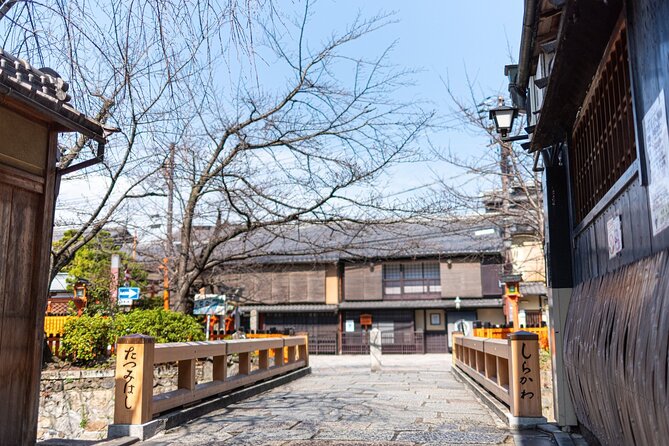
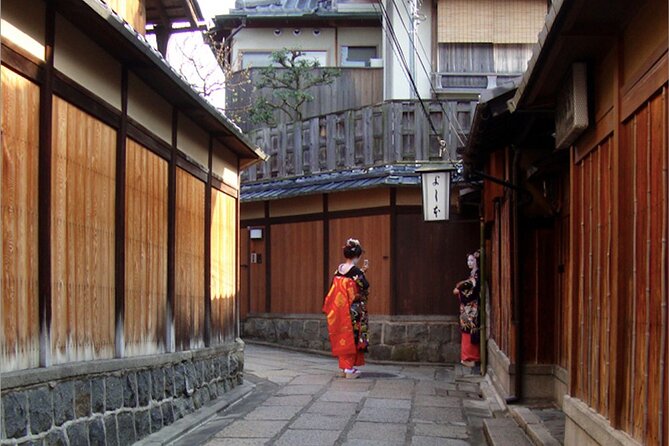
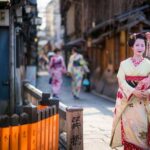
You get about 30 minutes in Miyagawacho Koan, also free. This district is known for maiko and geisha culture, and the tour notes seasonal events and performances—especially spring Miyako Odori dance performances.
Here’s the honest balance I’d give you: the tour can set you up for a good chance to notice maiko or geisha, but it does not guarantee a sighting. You’re walking in a place where privacy matters. Sometimes you see more; sometimes you see less.
What a guide adds in Miyagawacho is context. Instead of treating it like a scavenger hunt, you learn what you’re looking for: the district layout, the differences between what feels “behind the scenes” versus what’s more visible from main lanes, and why evening changes the atmosphere.
If you’re going during a season tied to performances, ask your guide what’s happening when you’re there. The tour itself flags the spring Miyako Odori connection, and seasonal events can change what’s going on around you.
You can also read our reviews of more private tours in Kyoto


Stop 4: Gion’s famous lanes, including Gojyorakuen
You spend the longest stretch here: about 2 hours in Gion, with free admission. This is the place most people picture when they imagine Kyoto geisha districts.
You’ll be walking “the three most famous geisha districts” and visiting establishments significant to the city’s story. The route includes the pathways of Gojyorakuen, described as once connected to Kyoto’s notorious red-light entertainment era. That detail matters. It reminds you that today’s refined imagery grew out of older, often complicated social systems.
This is also where you’ll get street-level education. In Gion, the differences between lanes are subtle, but they add up. One turn can feel like a new neighborhood. One approach angle can change what you can see and where you can stand without blocking others.
A realistic expectation: Gion is famous, so the crowds can be real. A private guide helps you move through it with less frustration, picking calmer moments and better sightlines.
Also, remember the guide only covers one paid entrance. So in Gion you’re mostly paying attention to architecture, lane design, and district cues rather than rushing between museums.
Price and value: is $234.11 worth it?
At $234.11 per person, this isn’t a budget stroll. But it can be good value for the right traveler—especially if you care about meaning, not just walking.
Here’s what you’re paying for:
- A private experience (only your group)
- An English-speaking local guide
- Temple/shrine entrance fee for one location (Kennin-ji)
- A route that hits multiple key districts in about 4 hours
- A mobile ticket, and group discount options
If you were to do this on your own, you could absolutely cover Kennin-ji, Pontocho, Miyagawacho, and Gion in a day. The tradeoff is understanding. Without local context, you’ll spend more time guessing what matters and why.
The other value angle is time. Kyoto requires efficient routing. This itinerary is built for a tight geographic loop in the Higashiyama area, and that saves you from the usual tourist problem: hours of “Where do we go next?” instead of “Oh, I get it now.”
The only clear mismatch is if your number-one goal is guaranteed geisha spotting. The tour explicitly does not guarantee it. If that’s your main obsession, keep your expectations flexible and treat any sighting as luck plus good timing.
The guides make a difference
From past groups, the tour has been led and supported by English-speaking guides including Koichiro, Mickey, and Yuko. The pattern is consistent: guides are described as informative and attentive, and they help you notice things you’d miss alone.
In one case, the guide experience included an excited result: a group saw three geisha, which the tour guide framed as rare for the walk. In another, a group had a chance to encounter maiko. Those outcomes aren’t guaranteed, but they do point to something useful: the guides know how to read the streets and when to keep your eyes open.
I also like that the guides seem to focus on care, not just talking. If you want a tour that helps you feel looked after while you walk, this one fits that vibe.
How to get the most out of each district
Here’s how to make this tour work for you, step by step.
First, pace your photos. You’ll be moving through several distinct zones. If you stop every 10 seconds, you’ll lose the sense of flow that makes the itinerary satisfying.
Second, go slower than you think at Kennin-ji. A temple visit is not a checklist. Use your guide’s cues to slow your eyes down and actually see garden structure and building placement.
Third, treat Pontocho like a lane, not a landmark. In other words: look at the lane walls, not just the view. Pontocho’s charm is in the corridor effect between buildings and the river-side pull.
Fourth, in Miyagawacho and Gion, keep your behavior respectful. This is part of the culture you’re learning. Quiet walking and not blocking entrances matters, even if you’re excited.
Fifth, come ready for weather. The experience is described as requiring good weather. If it’s poor conditions, you may be offered a different date or a full refund. In Kyoto, “good weather” often means comfortable walking visibility, not just sunshine.
Who this tour suits best
This tour is a strong match if you:
- Want a private Kyoto experience without heavy planning
- Prefer an English-speaking local guide to explain what you’re seeing
- Like mixing temple atmosphere with geisha district streets in one afternoon
- Care about understanding cultural context, not just chasing a photo
It may be less ideal if:
- Your primary goal is guaranteed geisha or maiko sightings
- You don’t like walking through famous, potentially crowded districts
- You want a longer, sit-down style day with meals planned in
Should you book this private Kyoto geisha districts walking tour?
I’d say yes if you want a focused route and you like learning as you walk. The itinerary is built with real logic: temple first for mood and meaning, then Pontocho for lane atmosphere, then Miyagawacho and Gion for the geisha-district context people come to Kyoto for.
Book it early if your travel dates are popular, since it’s commonly reserved around 40 days in advance. And go in with the right mindset: the tour doesn’t promise geisha sightings, but the guides are the kind of people who help you notice what’s there, when it’s there.
If you’re okay with culture-first expectations and you’re comfortable walking for about 4 hours, this is a solid way to experience central Kyoto without turning your day into a map-checking exercise.
FAQ
How long is the private Kyoto geisha districts walking tour?
It runs about 4 hours, approximate.
Where does the tour start and end?
The tour starts at Gion-Shijo Station (1 Chome Miyagawasuji, Higashiyama Ward, Kyoto) and ends back at the meeting point.
Is this tour private?
Yes. Only your group participates.
What are the main stops on the route?
The walk includes Kennin-ji Temple, Pontocho District, Miyagawacho Koan, and Gion.
Is admission included?
Temple and shrine entrance fee is included for one location. The Pontocho and other stops listed have admission free.
Will I see or meet geisha during the tour?
The tour does not guarantee you see or meet geisha during the tour.
What is included in the price?
Included: an English-speaking local guide and entrance fee for one temple/shrine location. Not included: lunch, food or drinks, and transportation fee.